Last updated November 17, 2026
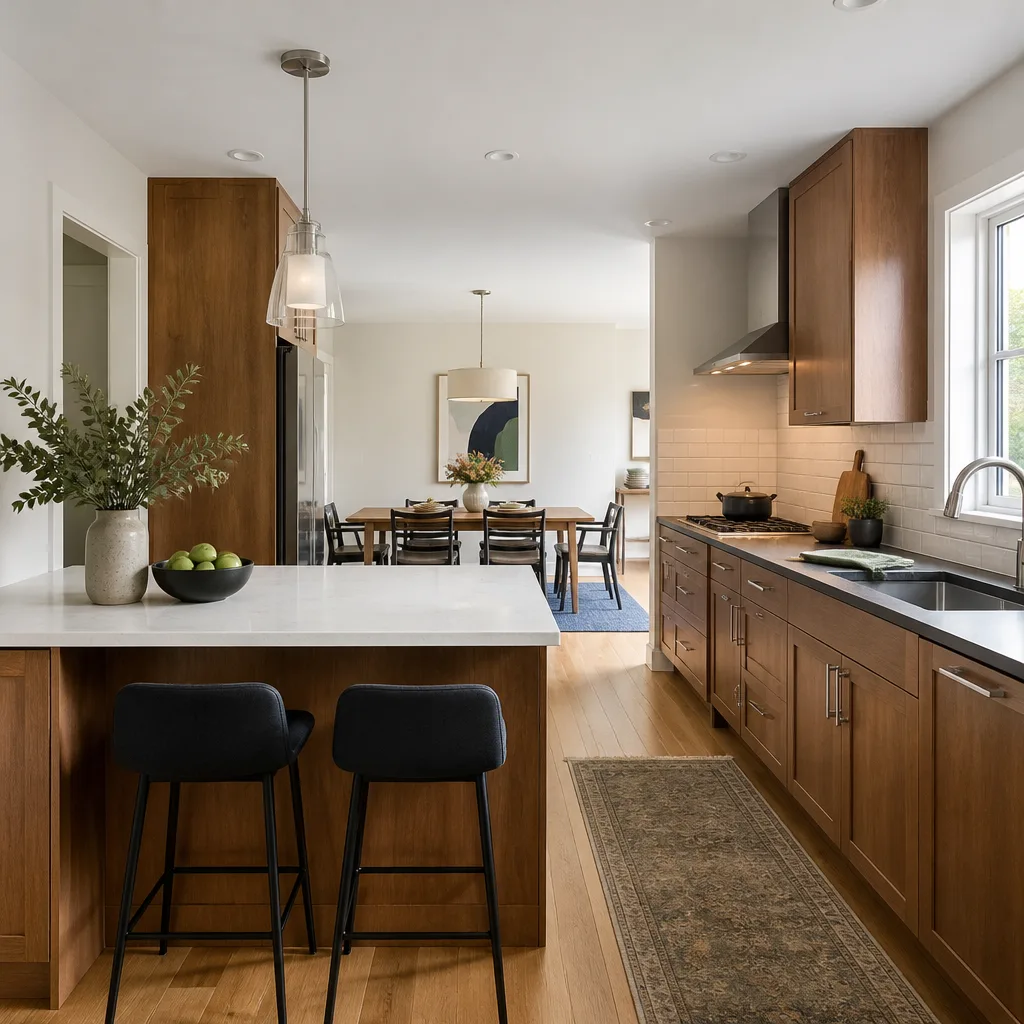
Free written scope consultation - allowances, timeline, and change-order rules on paper before a single trade is scheduled
The Complete Guide to Construction in Vallejo
More than 60% of Vallejo’s residential housing was built before 1980. That single fact changes almost everything about remodeling here. It means most projects uncover at least one surprise behind the walls – asbestos-wrapped ductwork, knob-and-tube wiring, galvanized supply lines that have been quietly narrowing for forty years – and most mainland California construction guides never mention it. Add salt air pushing in off the Carquinez Strait, a permit office with its own pace, and a housing stock split between 1920s craftsman bungalows and mid-century tract homes, and you have a market with pressures you need to understand before you call anyone.
This guide covers Vallejo’s housing stock and what it hides, how the City of Vallejo Building Division actually processes permits, why materials that last in Sacramento fail here, which project types are busiest right now, and how to read a contractor’s paperwork before you sign. It’s written from inside the market, not from a desk three hundred miles away.
Quick Answer
Construction and remodeling in Vallejo runs on three local realities: pre-1980 housing that often conceals asbestos, old wiring, or failing plumbing; a marine climate with salt air and Bay humidity that punishes exterior materials chosen for inland conditions; and a City of Vallejo Building Division that requires realistic lead time built into every schedule. The projects that go smoothly here are the ones where the contractor priced those local conditions into the scope before work started, in writing.
Styles & brands we work with
- Kitchen remodeling
- Bathroom remodeling
- Home additions & ADU
- Roofing
- Windows & doors
- Driveway & pavers
- Fence
Table of Contents
- What Vallejo’s Pre-1980 Housing Stock Means for Your Remodel
- How the City of Vallejo Building Division Works
- Why Salt Air and Bay Humidity Change Material Selection
- Which Remodeling Projects Are Busiest in Vallejo Right Now
- How to Read a Vallejo Contractor’s License, Bond, and Insurance
- What Construction Actually Costs in Vallejo
- What a Well-Run Vallejo Project Looks Like, Step by Step
- What “Squared Away” Looks Like at Close
What Vallejo’s Pre-1980 Housing Stock Means for Your Remodel
Walk through the older neighborhoods – the craftsman bungalows and four-squares near the Heritage District, the mid-century tracts that spread out toward the hills – and you’re walking through construction methods that predate most modern building science. That’s not a knock on the houses. Many are well-built. But they were built with materials and methods that a remodel disturbs, and the disturbance is where the surprises live.
In our experience, the three most common hidden conditions in Vallejo homes are:
- Asbestos in unexpected places. Popcorn ceilings get tested. What doesn’t get tested often enough: vinyl floor tile and its mastic in kitchens and baths, duct wrap, and pipe insulation. Any home built before the mid-1980s should have suspect materials tested before demolition, not after.
- Knob-and-tube or early cloth-wrapped wiring. Found frequently in homes built before 1950. If your kitchen gut-out exposes it, you’re rewiring that circuit – and possibly more – because new appliances draw loads the original wiring was never sized for.
- Galvanized steel supply lines. Common in mid-century Vallejo homes. They corrode from the inside, which means pressure drops, discolored water, and joints that fail when a remodel shifts the plumbing. A bathroom remodel that opens a wall often turns into a partial repipe.
The lesson isn’t to fear older homes. It’s to budget for contingency. On a pre-1980 Vallejo home, a contingency of 10 to 15 percent of the project cost is not padding – it’s the realistic cost of what’s likely behind the wall. A contractor who tells you otherwise before opening anything is guessing. A written scope that names these possibilities up front, with a clear process for handling what gets uncovered, is the difference between a plan and a hope.
How the City of Vallejo Building Division Works
The City of Vallejo Building Division reviews and inspects residential permits, and like most Bay Area jurisdictions it runs on its own timeline. Permit backlogs in Vallejo have stretched review windows well past the point many homeowners expect, and the worst thing you can do is plan a project start date that ignores it.
Here’s the honest sequence for a typical permitted remodel:
- Plans and engineering first. Structural changes, additions, and ADUs need drawings, and often a structural engineer’s stamp. That’s weeks of work before the city sees anything.
- Submittal and plan review. The permit package goes in and the clock starts. Review times vary with workload and project complexity, and incomplete submittals get sent back – which restarts part of the clock.
- Permit issuance. Once approved, fees are paid and the permit is issued. Only now does the schedule get real.
- Inspections at defined stages. Framing, rough electrical, rough plumbing, insulation, and final inspection all happen in sequence. You can’t skip ahead; the city has to see each stage before the next one gets covered up.
Two practical rules follow from this. First, ask any Vallejo contractor how they handle plan review and who’s responsible for corrections – a contractor who’s done this work here knows the process and builds the time in. Second, never let work start before the permit is issued. Unpermitted work discovered later, at resale or by an inspector, is expensive to make right.
For larger scopes, our general contractor in Vallejo service handles permit coordination and inspections as part of the written scope, so the timeline you’re quoted includes the city’s pace, not just the crew’s.
Why Salt Air and Bay Humidity Change Material Selection
Vallejo sits on the water. Marine air, salt-laden wind off the strait, and persistent Bay humidity are not background details – they’re the conditions your exterior materials will spend the next twenty years fighting. The same deck boards, paint systems, and exterior hardware that perform fine in Sacramento’s dry heat can fail noticeably faster here.
What that means in practice:
- Decking and fasteners. Standard galvanized fasteners corrode in coastal exposure; stainless or hot-dipped galvanized hardware is the right call within the marine zone. Composite decking rated for coastal exposure outperforms untreated wood that wicks moisture and checks.
- Exterior paint and trim. Paint systems rated for coastal environments hold up; builders’-grade paint on bare wood facing the wind doesn’t. Trim material matters too – the paper-faced trim that survives inland often swells and fails on the windward side of a Vallejo house.
- Windows and doors. Salt air attacks hardware and seals. Exterior doors need finishes and hardware rated for the coast, and window systems need to be specified for wind-driven moisture, not just rain. We install Therma-Tru exterior door systems and ECO Window Systems products precisely because the manufacturer specs are documented and rated for real exposure, not vague promises.
- Fencing and hardscape. Wood fencing on the windward side of a property ages two to three times faster than inland fencing. Steel or vinyl systems, or wood specified with marine-rated fasteners and finishes, are worth the difference.
A contractor who bids exterior work in Vallejo using inland-standard materials is either not from here or not paying attention. Ask what exposure rating each exterior product carries.
Which Remodeling Projects Are Busiest in Vallejo Right Now
Vallejo’s remodeling activity clusters into three categories, each driven by different forces.
ADUs and additions
Statewide ADU law changes opened up real opportunity, and Vallejo’s lot sizes and detached garages make conversions practical. Garage conversions and accessory dwellings are among the most permitted residential projects in the city. The trap is treating an ADU like a shed with a bathroom – it’s a full permitted structure with its own utility connections, and the permit and inspection path is the long one.
Kitchen gut-outs
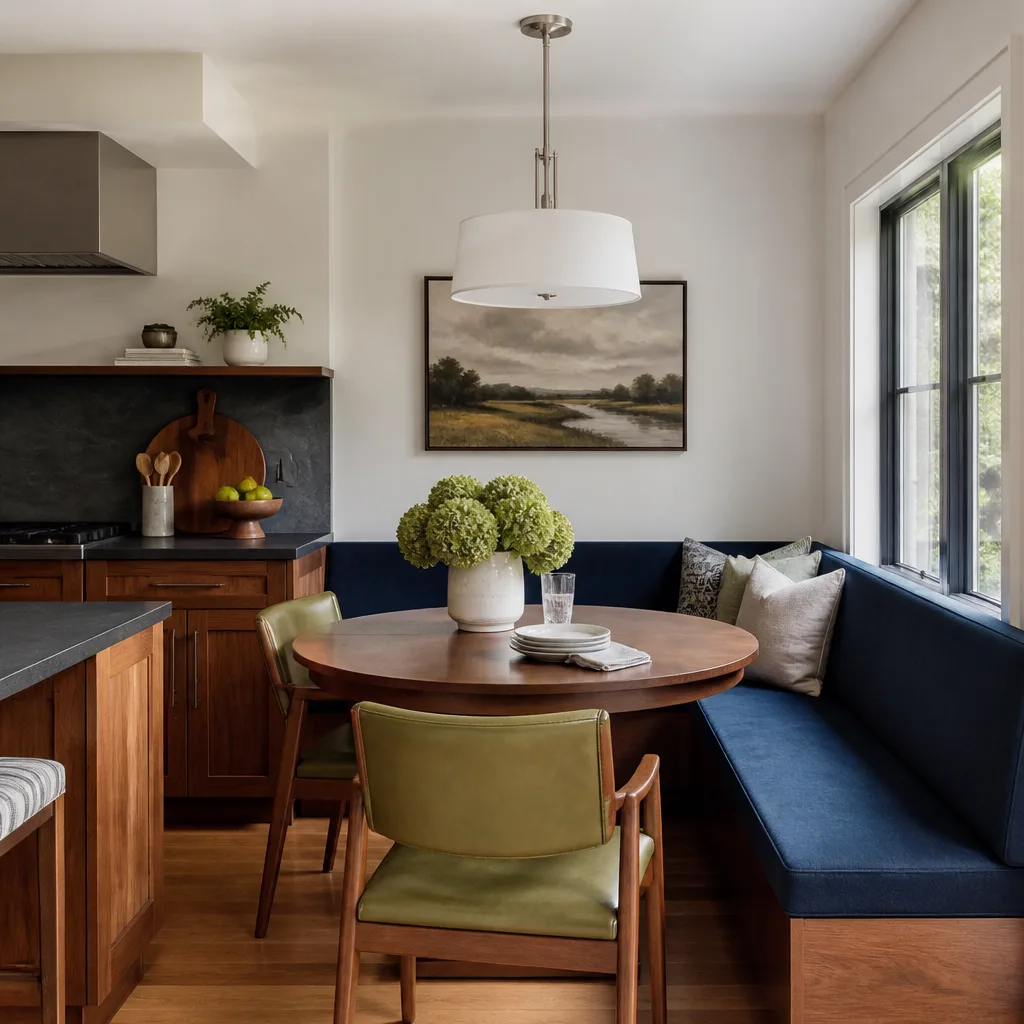
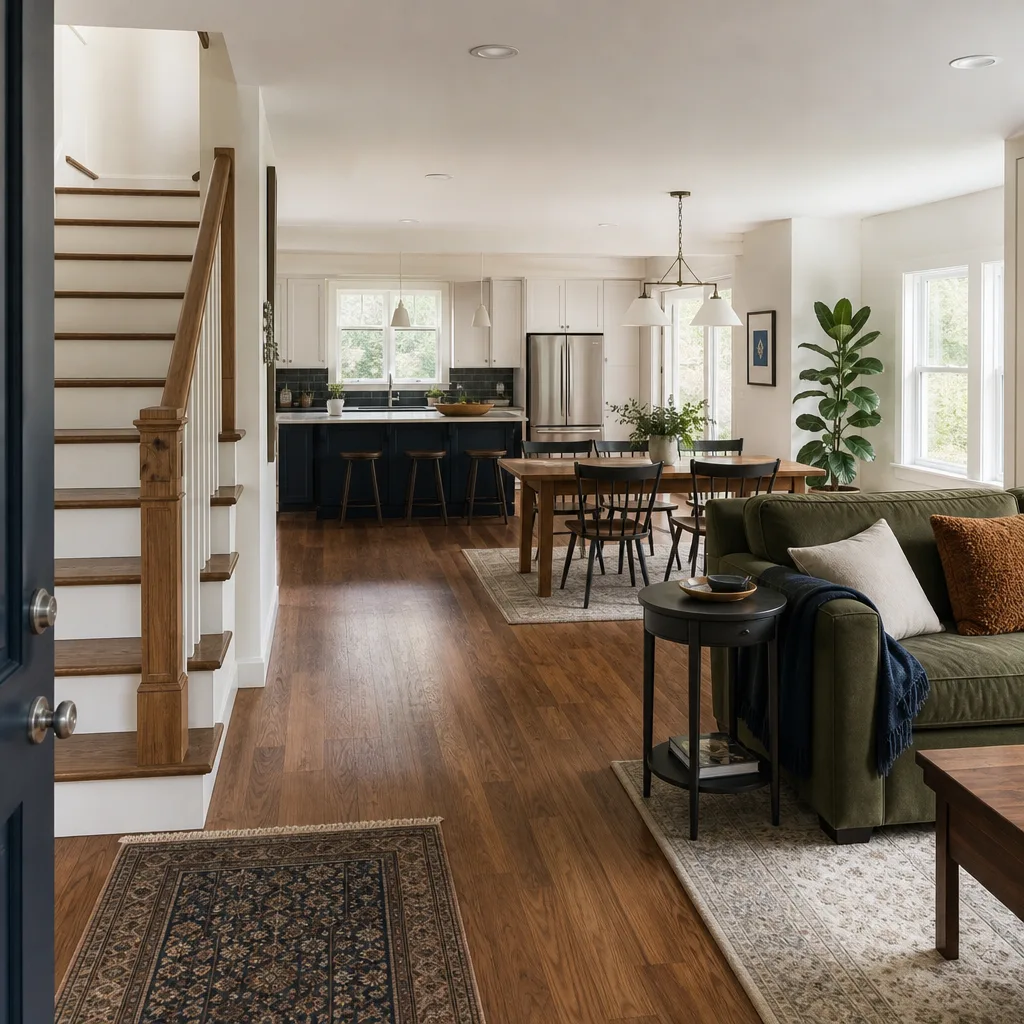
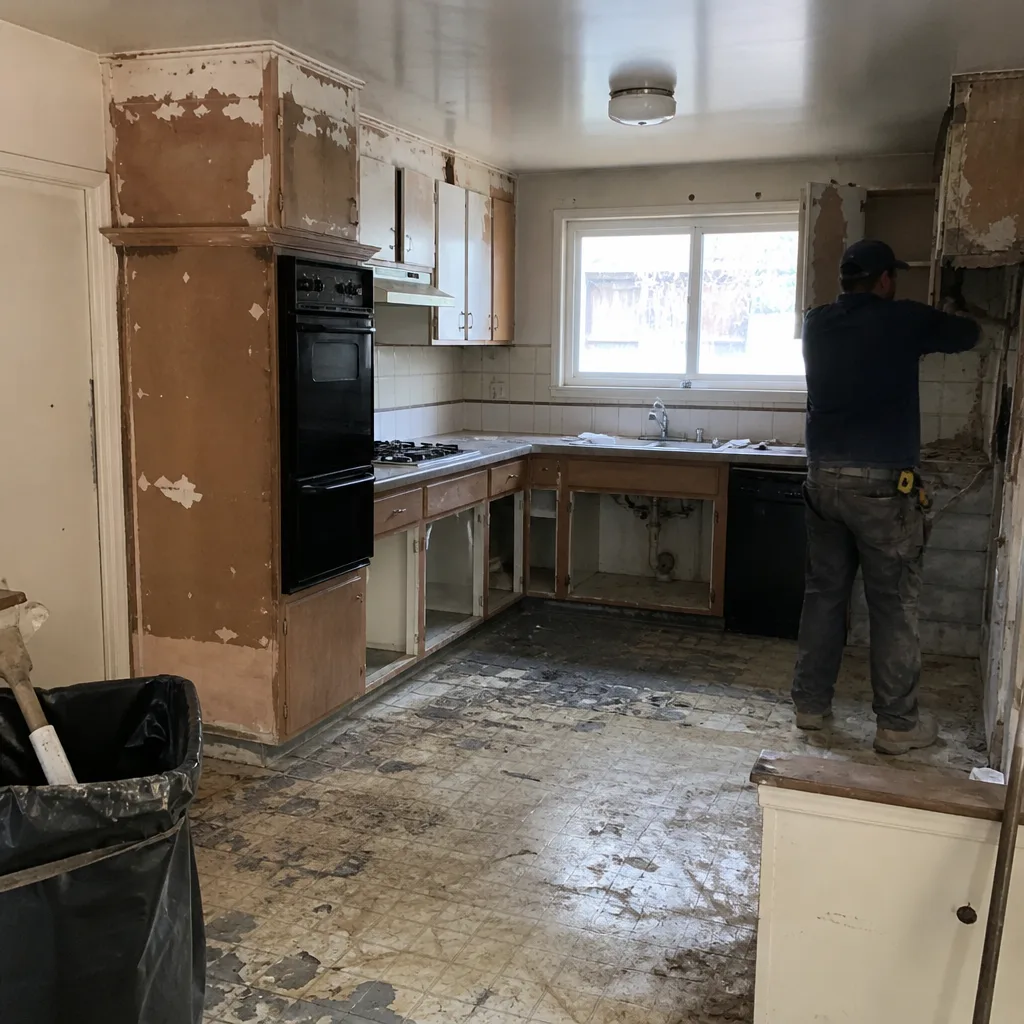
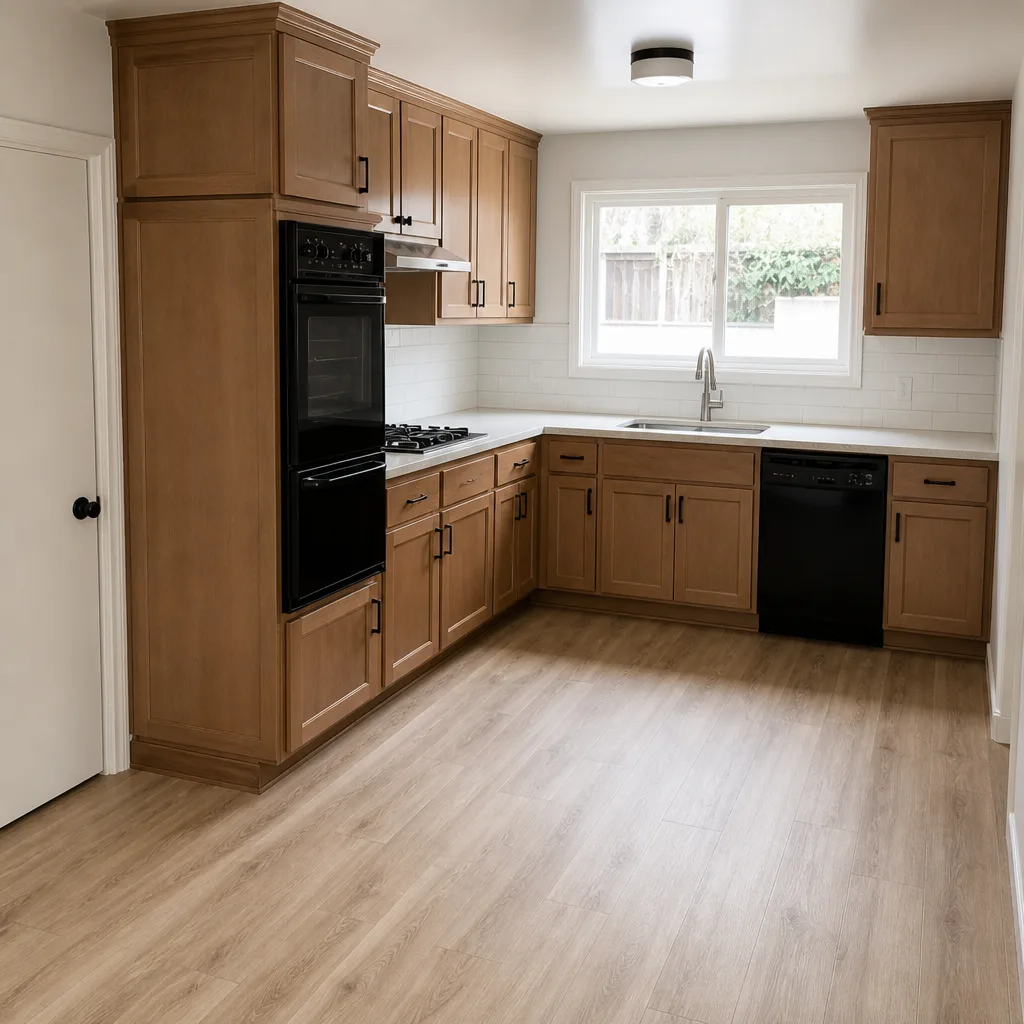
Drive through mid-century Vallejo and you’ll see a lot of original kitchens – pink tile, laminate counters, galley layouts built for a different era of cooking. Full gut remodels are common because a cosmetic refresh often exposes the wiring and plumbing issues the kitchen was hiding. Our kitchen remodeling in Vallejo work starts with the substrate – what’s behind the drywall – because that’s where the budget gets decided.
Foundation and structural work
Older Vallejo homes sit on raised foundations and older slab sections, and many have settled unevenly over decades. Foundation repair, floor leveling, and structural retrofits are steady work here. It’s also the category where unqualified contractors do the most damage; structural work requires engineered drawings and permits, full stop.
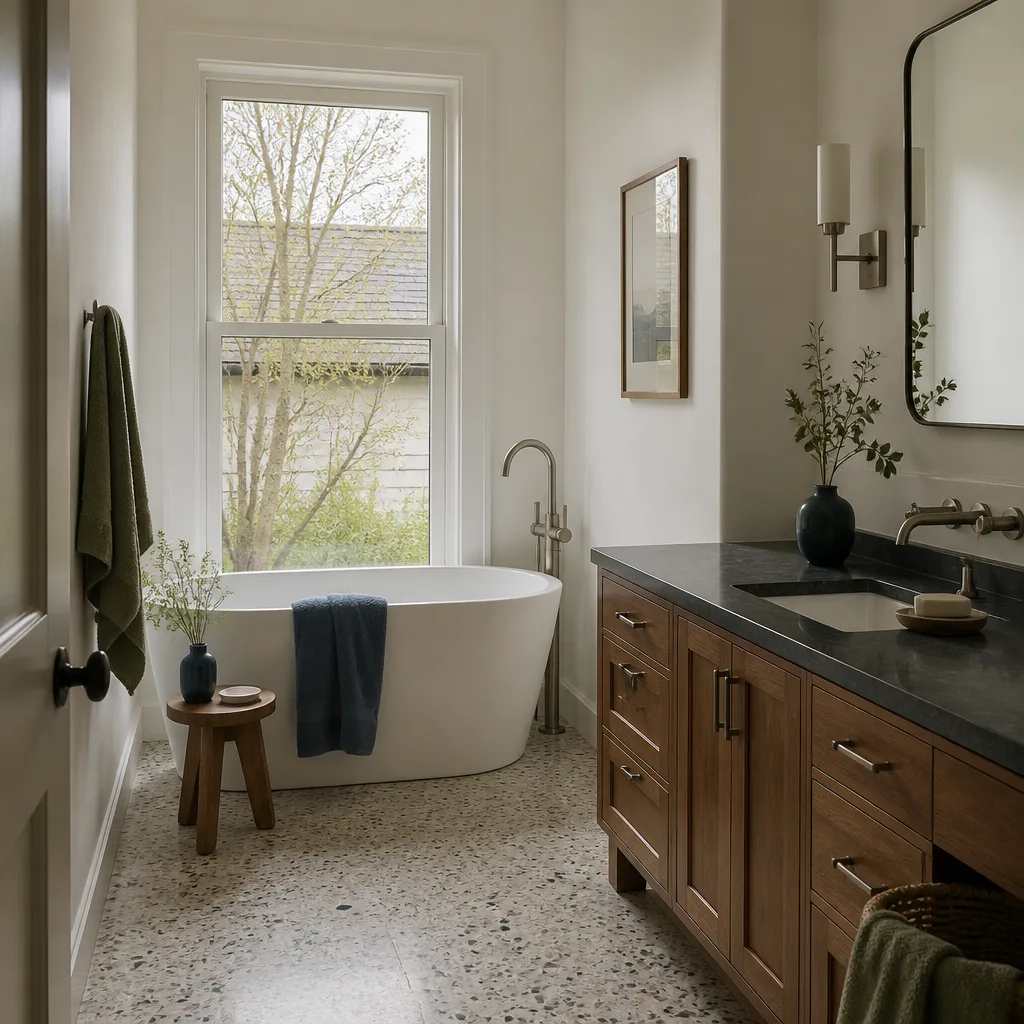
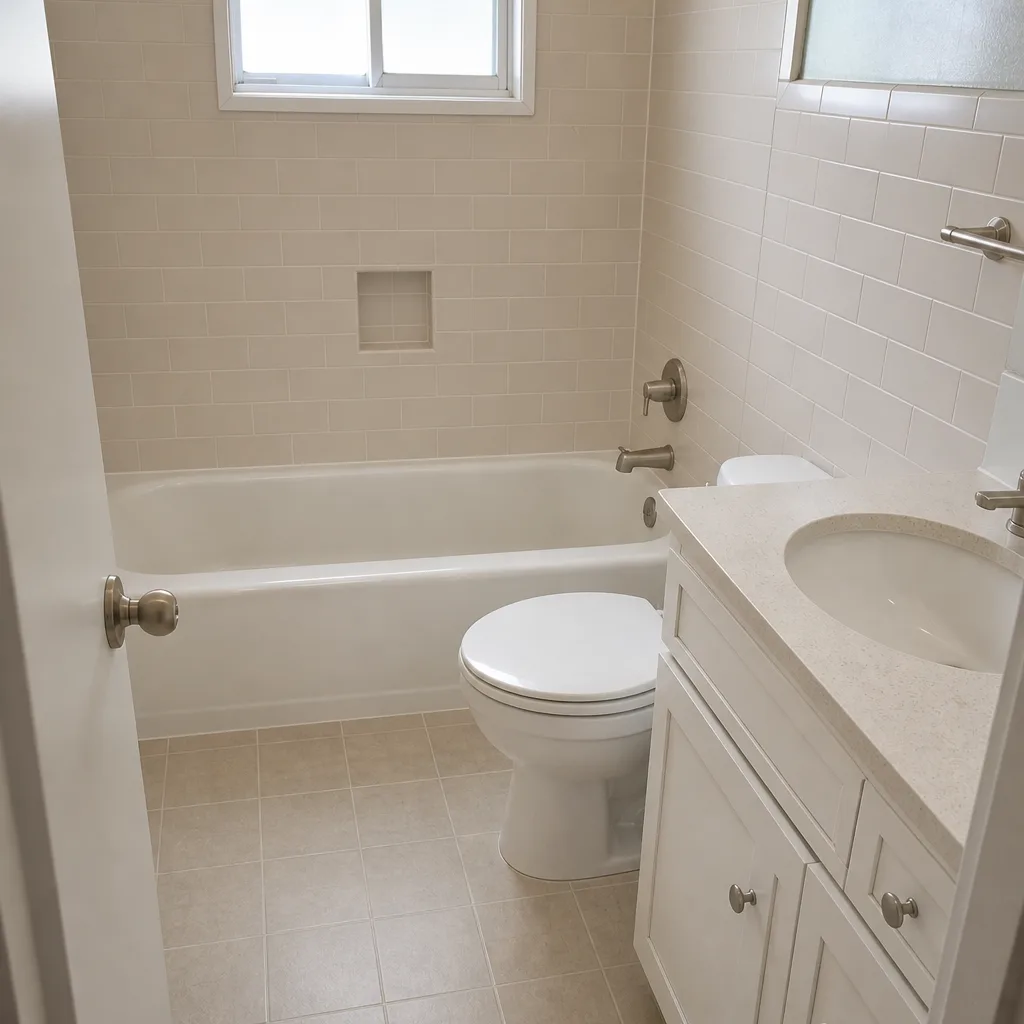
Bathroom remodels round out the list, though often as part of larger work: our team handles bathroom remodeling in Vallejo with the same contingency discipline, because a bath gut-out in a pre-1980 home is one of the most reliable ways to find old plumbing.
How to Read a Vallejo Contractor’s License, Bond, and Insurance
Before you sign anything, get three documents in your hand. Not verbally confirmed – in your hand. This is the step homeowners skip, and it’s the step that separates a protected project from an exposed one.
- License. California law requires a licensed contractor for any job over $500. Ask for the license number and verify it yourself on the Contractors State License Board website. It takes two minutes. Check that the license is active, that the classification matches the work (a B general building license covers whole-home work; specialty classifications cover narrower scopes), and that it’s not suspended.
- Bond. A licensed contractor carries a surety bond. The bond isn’t a warranty on the work – it’s a consumer protection mechanism if the contractor fails to perform. A contractor who can’t produce bond information isn’t current.
- Insurance. Ask for a certificate of general liability insurance and a certificate for workers’ compensation. Then check that the certificates name the right entity. If a crew member gets hurt on your property and the comp certificate is wrong, you’re exposed. If a subcontractor damages your home, liability coverage is what stands between you and the bill.
One more check: confirm who’s actually doing the work. Ask whether subcontractors will be used, and if so, get their names and licenses in writing. It’s also worth understanding how the company screens its own people – background checks and identity standards should be a documented policy, not a handshake. And ask for the written price before work begins, in every scenario. A contractor comfortable with those questions is usually the one you want.
What Construction Actually Costs in Vallejo
General ranges for Vallejo work, so you can price a project before calling anyone:
- Bathroom remodel (full gut): $18,000 – $32,000. Pre-1980 homes often run toward the higher end once plumbing and wiring are addressed.
- Kitchen remodel (full gut): $35,000 – $65,000 depending on layout changes, cabinetry, and whether walls come down.
- ADU conversion: $120,000 – $200,000. Permit, utility, and life-safety costs drive the range more than finishes do.
- Foundation repair (partial): $8,000 – $25,000 depending on extent and engineering.
Every one of those numbers moves based on what’s behind the walls. That’s why the written price matters so much: a real bidder opens the walls and prices what they find, and puts the change-order process in writing before work starts. Our standard is a written price before work begins, always – not a number that floats, and not a range that “depends.”
What a Well-Run Vallejo Project Looks Like, Step by Step
The projects that go smoothly here follow a predictable sequence. Here’s what to expect from a disciplined crew:
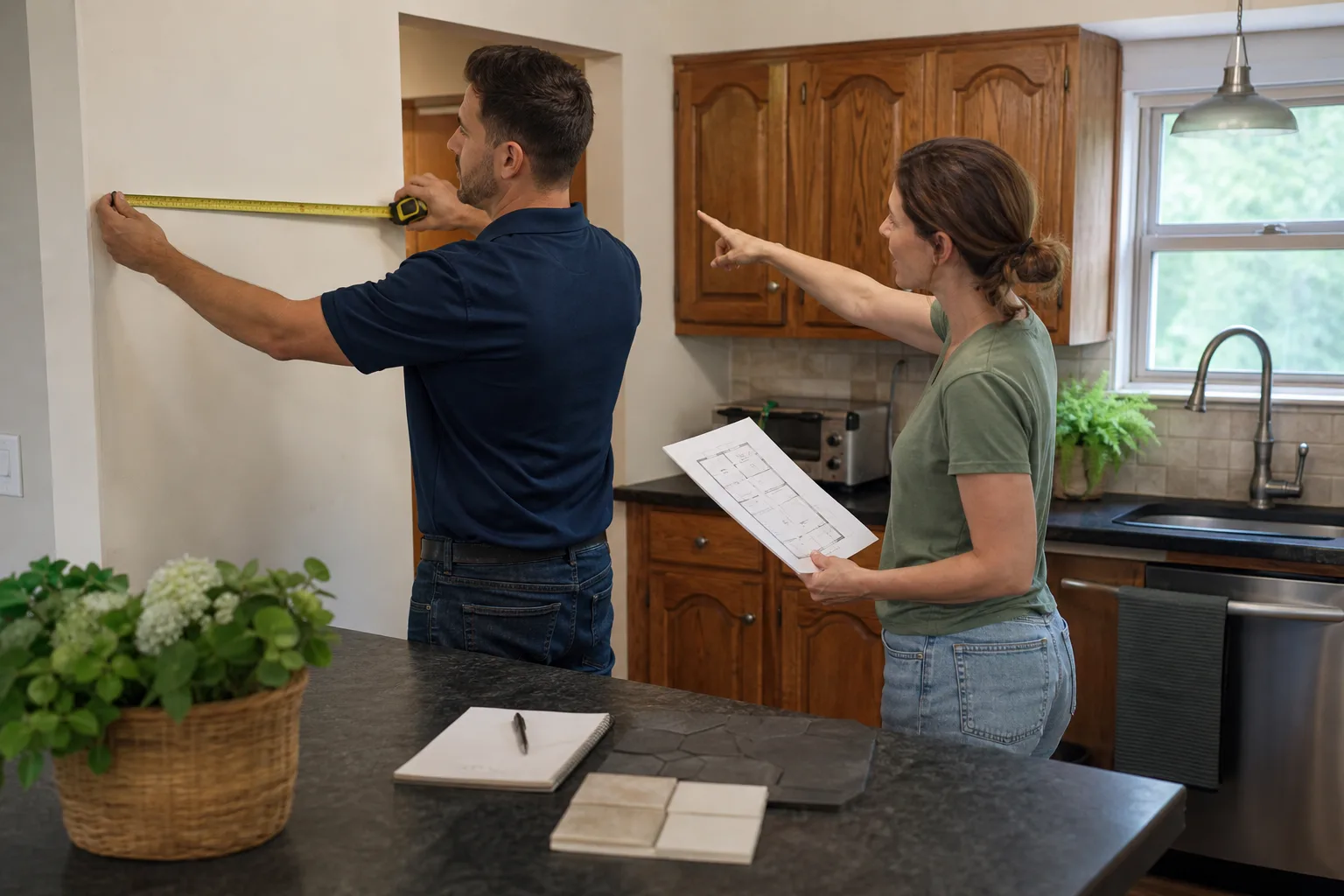
- Site assessment and written scope. The contractor walks the home, identifies likely hidden conditions in a pre-1980 Vallejo structure, and puts the scope and price in writing before any tools come out.
- Testing and engineering. Asbestos testing on suspect materials, engineered drawings where structural work is involved, and material selection specified for coastal exposure.
- Permit submittal to the City of Vallejo Building Division. Drawings in, review time built into the schedule, corrections handled, permit issued.
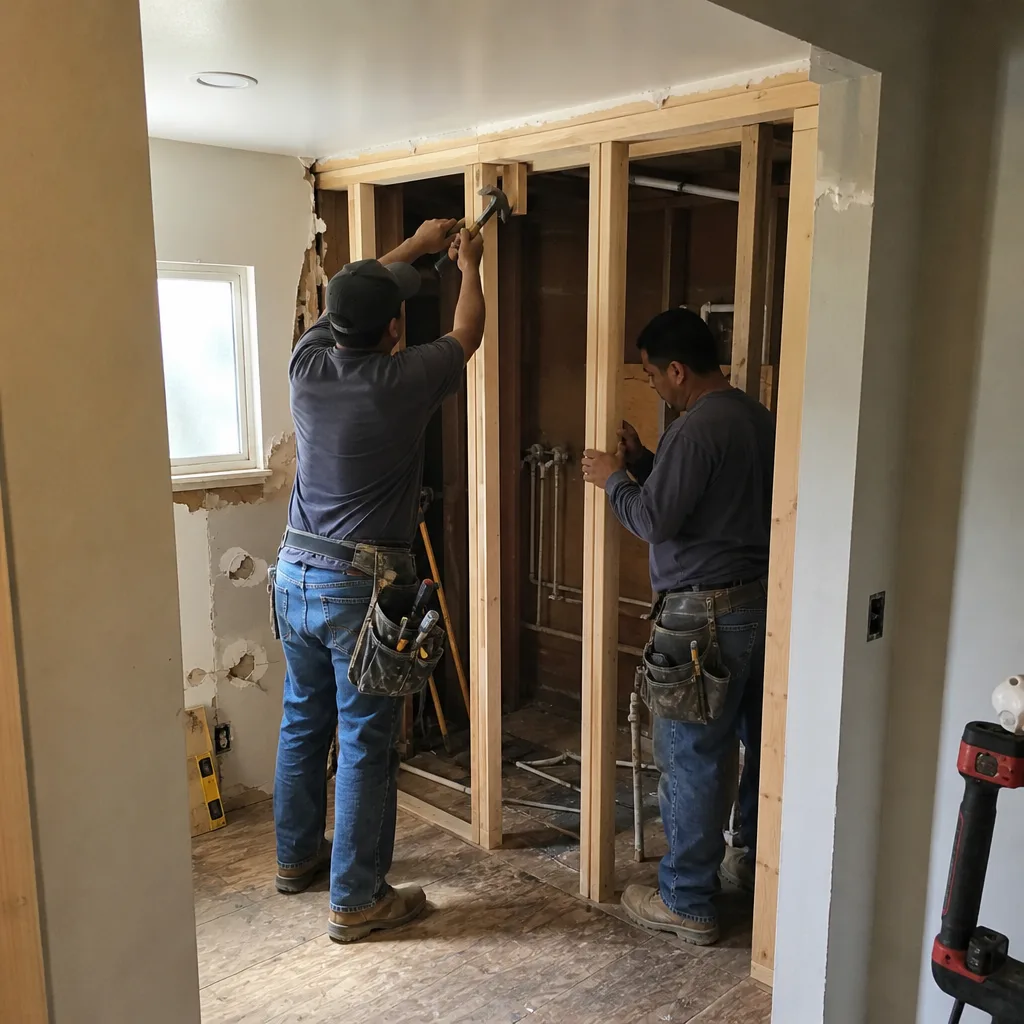
- Demolition and inspection of the substrate. This is where old wiring and plumbing get found. A written process decides how changes are priced before the work moves forward.
- Rough-in and stage inspections. Framing, electrical, plumbing, and mechanical inspections at the city’s required stages, in order.
- Finish work and final inspection. Cabinetry, surfaces, fixtures, paint, hardscape – specified from documented manufacturers with traceable warranties, and passed by the city.
- Close-out. Clean site, documented scope, and a signed written guarantee in your hand.
Every Bradford project carries the 365-Day Done Right Promise: if the work fails within the guarantee period, we come back and correct it at no charge. It’s written, it’s signed, and it covers a full year – because a guarantee that isn’t in writing isn’t a guarantee.
See the difference
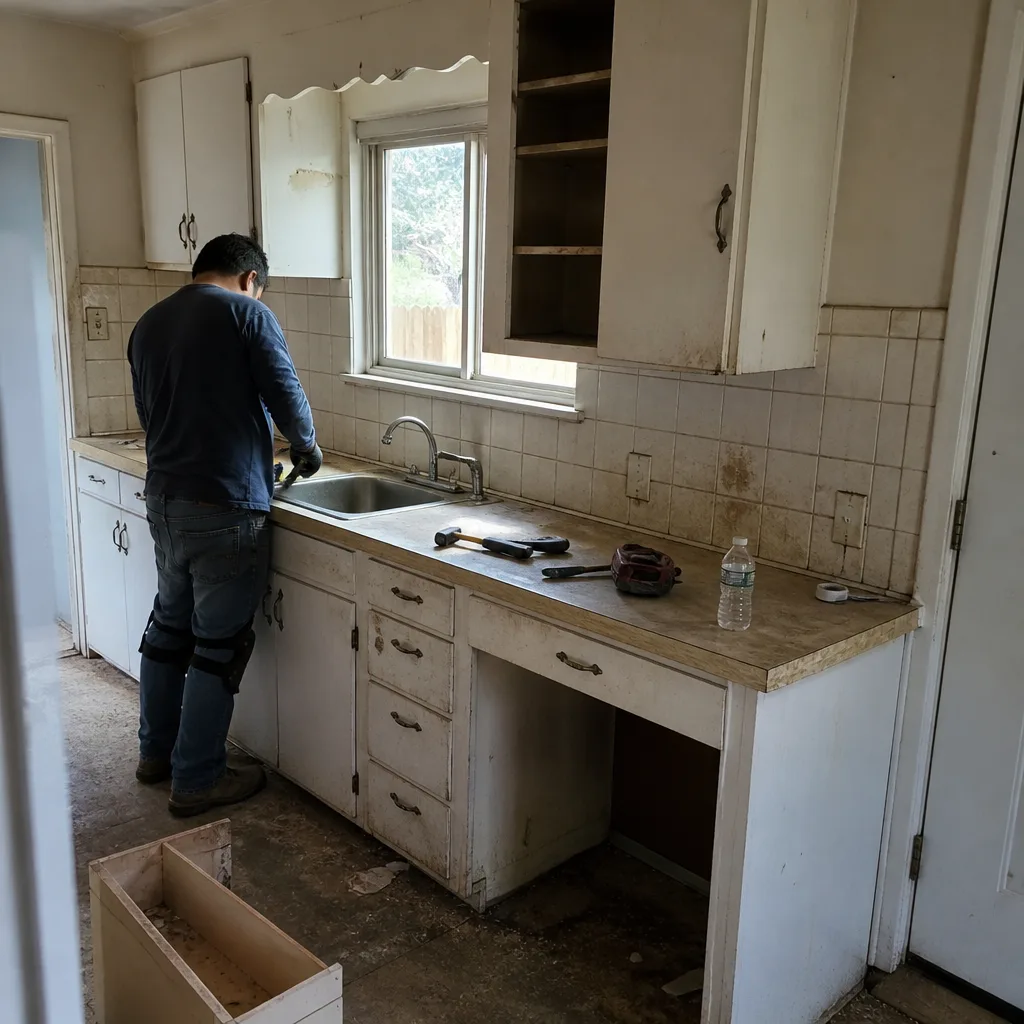 Before
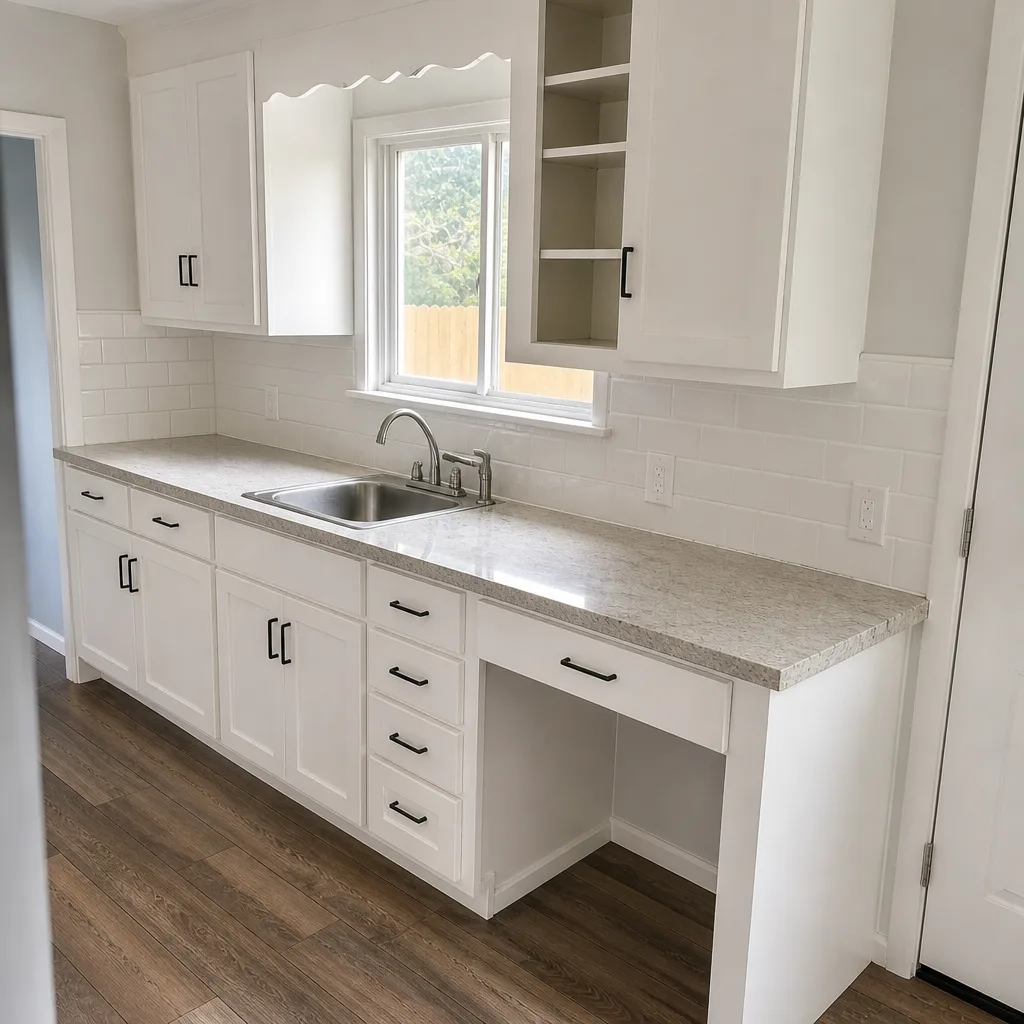 After
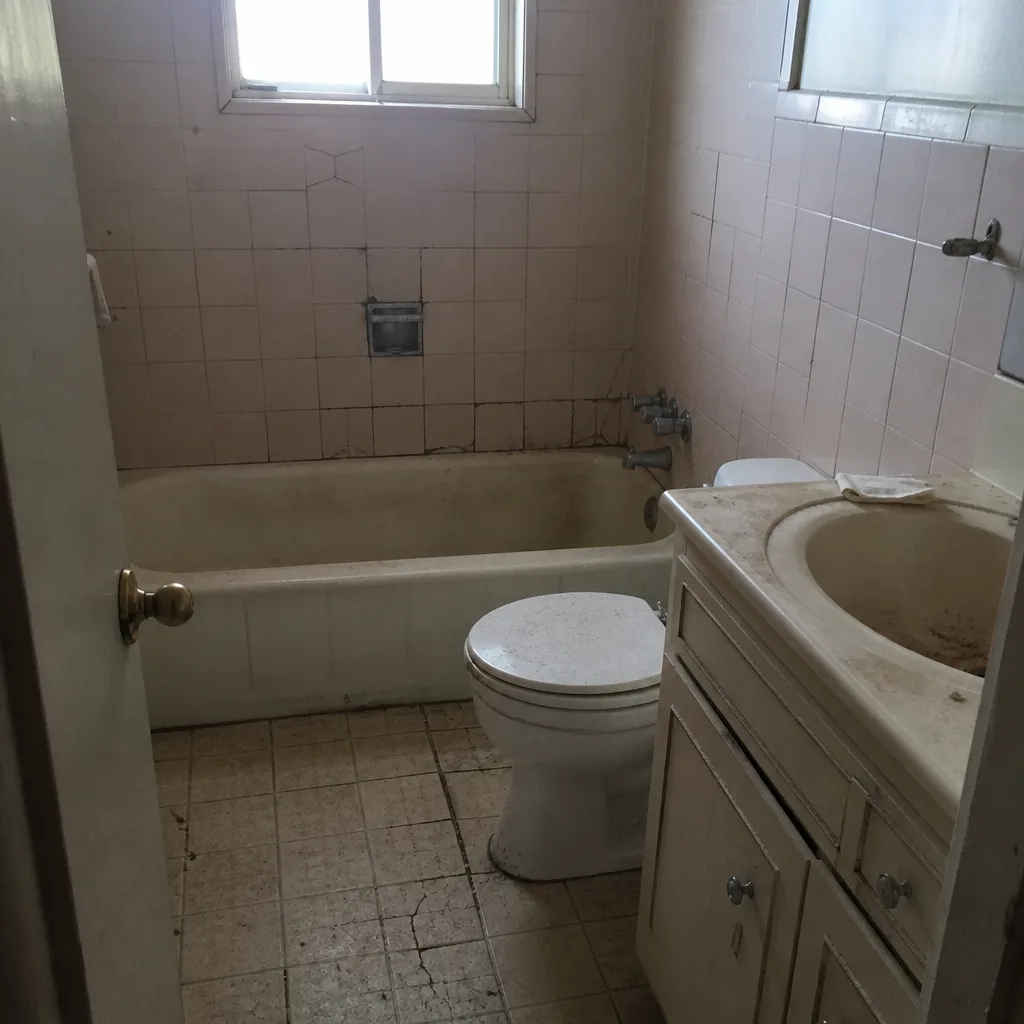 Before
 After
 Before
 After
Common Mistakes to Avoid
- Bidding exterior work with inland materials. Decking, paint, hardware, and fencing chosen for Sacramento conditions fail faster in Vallejo’s salt air. Ask every bidder what the product’s exposure rating is, and treat “it’s standard” as a warning.
- Skipping asbestos testing on a pre-1980 home. Popcorn ceilings get tested; vinyl floor mastic, duct wrap, and pipe insulation often don’t. Test before demolition, not after – the latter turns a controlled cost into an uncontrolled one.
- Planning a start date that ignores permit review. Vallejo’s building division has its own timeline. A contractor who promises a start date before plans are reviewed is promising something the city hasn’t agreed to.
- Treating an ADU as a garage with a bathroom. It’s a full permitted structure with utility, life-safety, and inspection requirements. Budget the permit path, not just the construction.
- Accepting a verbal price. “We’ll figure it out as we go” means every decision becomes a negotiation. Get a written price before work starts, with a written change-order process for what gets uncovered.
- Not verifying the paperwork yourself. A license number you didn’t check on the CSLB site, a bond you didn’t confirm, and a comp certificate naming the wrong entity all leave you exposed.
- Letting demolition start before the permit is issued. Unpermitted work is expensive to make right, and it surfaces at the worst time – resale or inspection.
When to Call a Professional
Some work rewards a trained hand; some work requires one. Call a licensed professional when the project touches structural elements – moving walls, foundation repair, floor leveling – or any electrical panel, gas line, or plumbing rough-in. Call before demolition begins on a pre-1980 Vallejo home, so testing and material handling are planned, not improvised. Call before submitting an ADU or addition, because the permit package and inspection sequence are the project’s backbone. And call before signing anything: a free, written, line-item estimate is the only way to know what you’re actually buying. Bradford Remodeling Co Vallejo offers free estimates in Vallejo – call (844) 560-4789, and a real person picks up, any hour.
Frequently Asked Questions
A full-gut kitchen remodel in Vallejo typically runs $35,000 to $65,000, with the higher end reserved for layout changes and pre-1980 homes that need wiring and plumbing addressed. Call (844) 560-4789 for an exact written quote – estimates are free.
Yes. The City of Vallejo Building Division requires permits for structural work, additions, ADUs, electrical, plumbing, and any job over $500 under California law. A contractor who suggests skipping the permit is telling you exactly how the rest of the project will go.
Salt air off the Carquinez Strait and persistent Bay humidity accelerate corrosion and moisture damage. Fasteners, decking, paint, and trim that hold up inland often fail years sooner on the coast. Materials should be specified for marine exposure, and the exposure rating should be on the product documentation.
A bathroom gut-out generally takes four to eight weeks once the permit is issued; a kitchen remodel six to twelve weeks; an ADU six to twelve months including permit review. The City of Vallejo Building Division’s review time is a real part of the schedule – build it in before work starts.
Verify the license on the CSLB website, confirm the bond, and get general liability and workers’ compensation certificates before signing. Ask for the written price, the change-order process, and the subcontractor list in writing. A contractor who hesitates on any of those isn’t the one.
The 365-Day Done Right Promise is a written guarantee covering every completed Bradford project for a full year. If the work fails within that period, we come back and correct it at no charge. The terms are in writing and in your hand at close.
What “Squared Away” Looks Like at Close
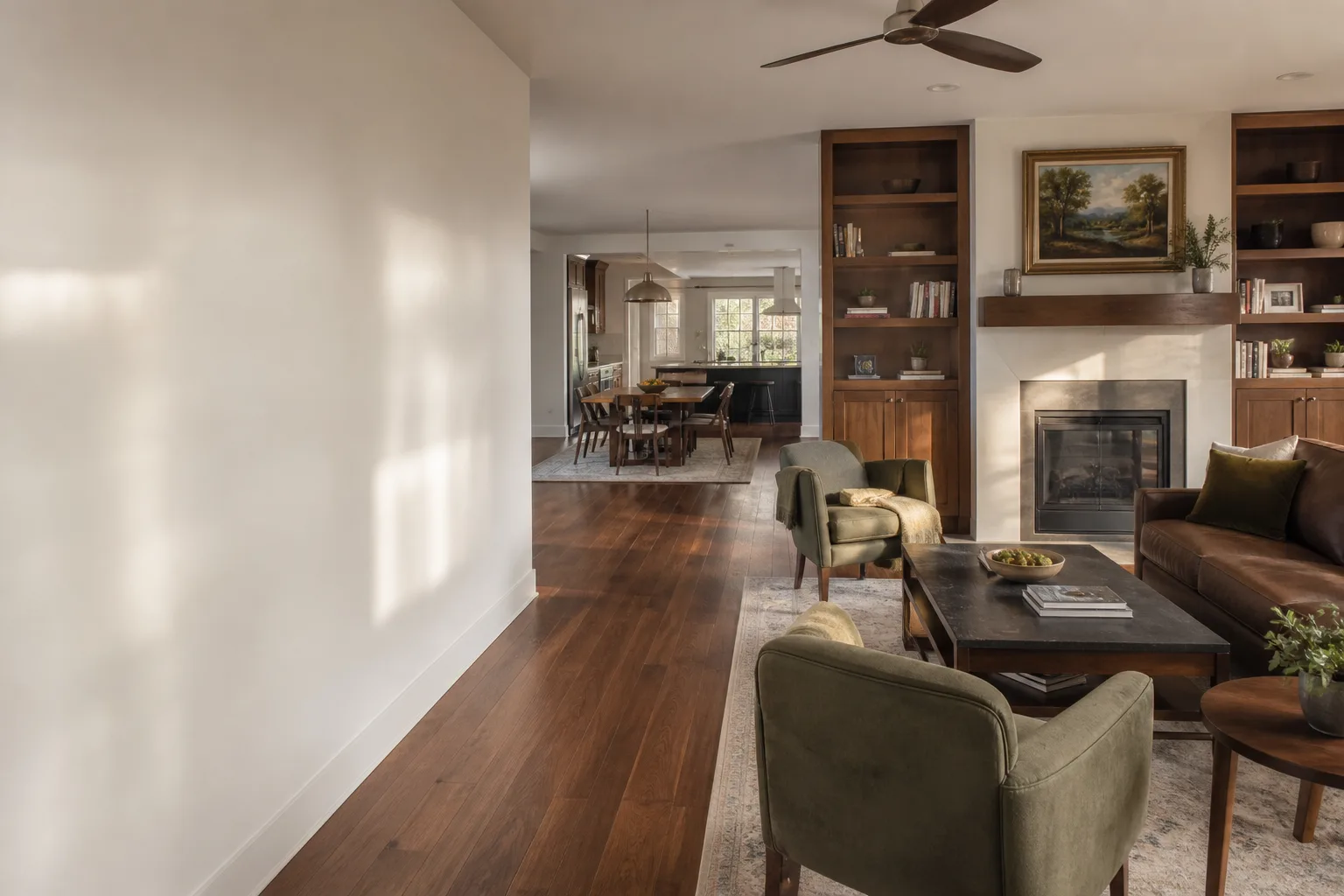
A finished Vallejo project should feel finished – not “mostly done, they’ll be back.” At close, you should have a clean site, a scope document that matches what was built, passed inspections, and a signed written guarantee in your hand. That’s the standard we hold on every job, and it’s the standard you should demand of anyone bidding your work. The hidden conditions in pre-1980 homes and the coastal climate are real, but they’re manageable when they’re priced up front and written down.
If you’re planning work in Vallejo – a kitchen, a bathroom, an addition, an ADU, or the whole house – start with a written price. Call Bradford Remodeling Co Vallejo at (844) 560-4789 for a free estimate. Every price is written before work starts, every project carries the 365-Day Done Right Promise, and a live person answers the phone 24 hours a day.
Written by the team at Bradford Remodeling Co Vallejo.