Last updated November 17, 2026

Free written scope consultation - allowances, timeline, and change-order rules on paper before a single trade is scheduled
How Long Does General Contractor Take? Timelines and What to Expect
Vallejo’s building department runs permit review on a timeline that most contractors never mention when they hand you a start date. That gap – the weeks between “we’ll break ground Monday” and the day an inspector actually signs off on your plans – is where remodeling schedules quietly fall apart. We’ve watched homeowners plan a kitchen around a date a contractor gave them in good faith, only to spend six weeks staring at an untouched room because nobody built the permit queue into the calendar. This guide gives you the honest version: phase-by-phase timelines for Vallejo remodels, the delays that are almost guaranteed to show up, and how to read a schedule document well enough to spot trouble before you sign.
Quick Answer
A standard kitchen remodel in Vallejo takes 8 to 14 weeks from signed contract to final inspection. A bathroom runs 4 to 7 weeks, and a whole-home remodel typically lands between 6 and 12 months. The number a contractor quotes you off the cuff is almost always the best-case version – the one with no permit delays, no backordered cabinets, and no failed inspections – so plan for the higher end of the range and treat anything faster as a bonus.
Styles & brands we work with
- Kitchen remodeling
- Bathroom remodeling
- Home additions & ADU
- Roofing
- Windows & doors
- Driveway & pavers
- Fence
Table of Contents
- The Phase-by-Phase Timeline, Start to Finish
- How Vallejo’s Permit and Inspection Queue Affects Your Schedule
- The Four Delays That Extend Nearly Every California Remodel
- How to Read a Project Schedule and Spot Missing Buffer
- Milestone Payments: What They Should Look Like Against the Timeline
- Realistic Timelines by Project Type
- Common Mistakes to Avoid
- Frequently Asked Questions
The Phase-by-Phase Timeline, Start to Finish
Every remodel, whether it’s a hall bath in a 1950s ranch off Tennessee Street or a full gut in Hiddenbrooke, moves through the same seven phases. What changes is how long each one takes. Here’s what a realistic schedule looks like when the work is sequenced properly and the trades aren’t tripping over each other.
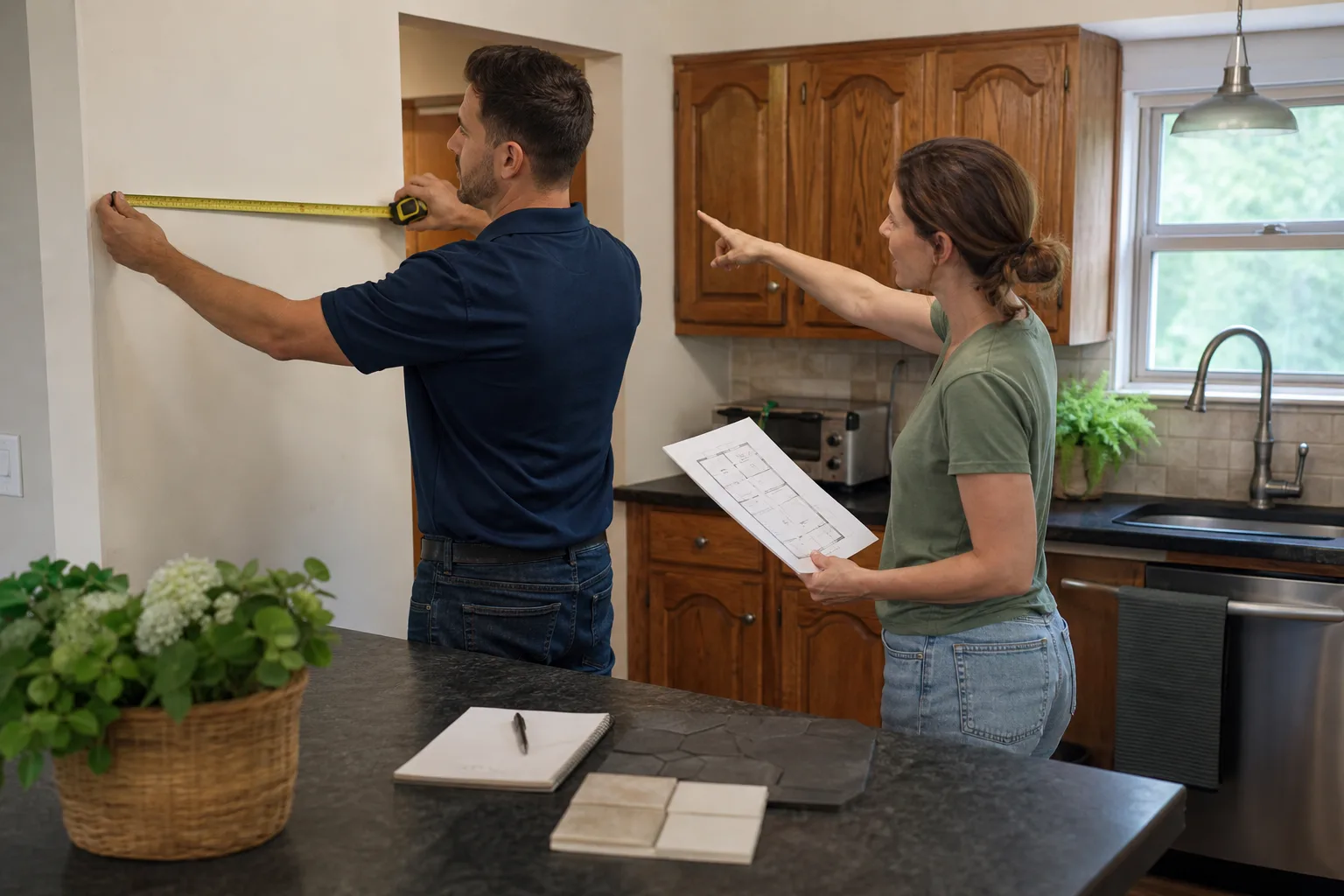
- Pre-construction (1-3 weeks). Design finalized, material selections locked, long-lead items ordered, and the contract signed with a written price. This is where a disciplined contractor earns their keep – every spec documented before a single tool comes out.
- Permit review (2-8 weeks, Vallejo-dependent). Plans submitted to the city. Over-the-counter permits for simple work move faster; structural changes and additions go through plan check, which is where the queue stretches.
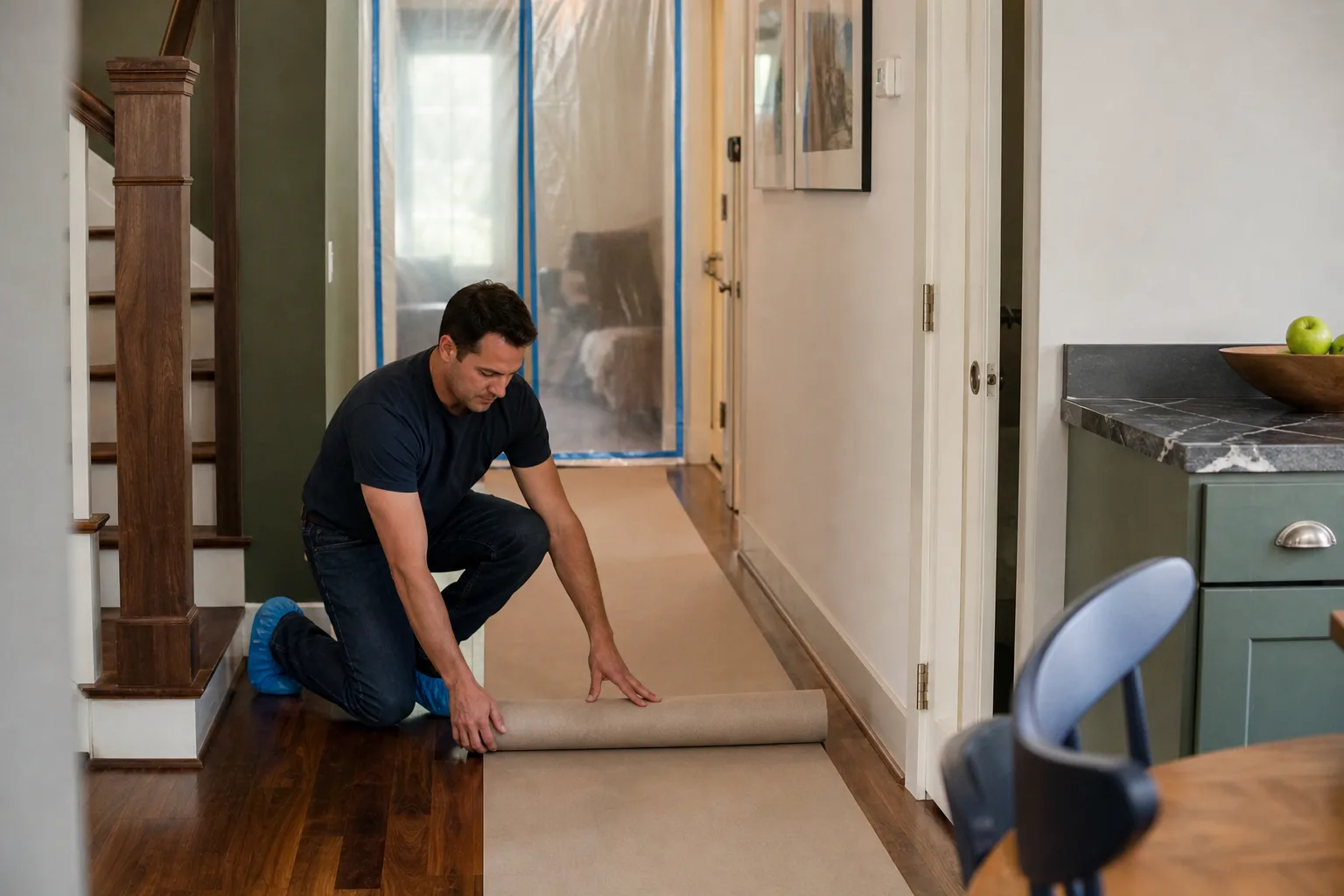
- Demolition (2-5 days). Tear-out, dumpster placement, and site protection. Short, but messy, and it’s where hidden problems surface – rotted subfloor, old knob-and-tube wiring, a surprise load-bearing wall.
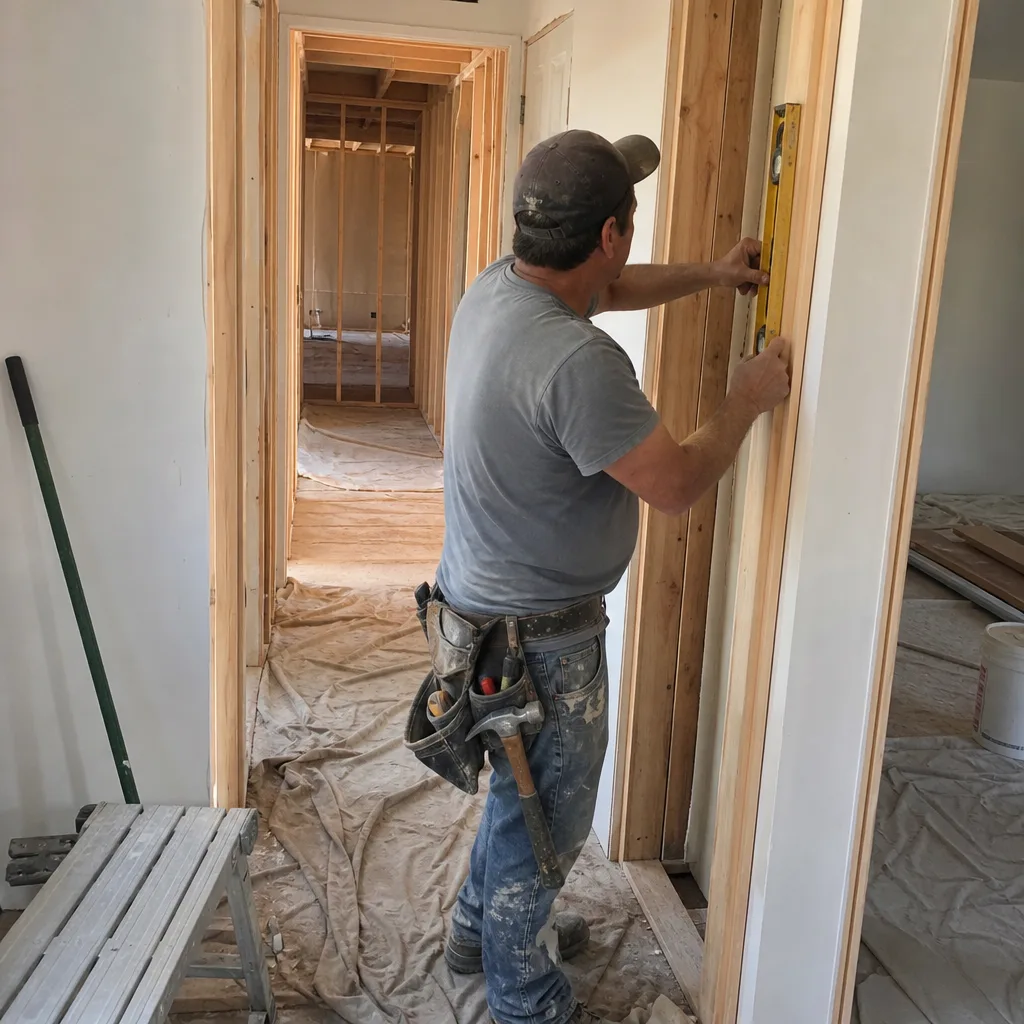
- Rough work (1-2 weeks). Framing, electrical rough-in, plumbing rough-in, and HVAC. This is the skeleton of the job: the wiring, pipes, and framing that get buried behind drywall later.
- Inspections (2-5 days per inspection). Rough framing, electrical, plumbing, and mechanical inspections must pass before drywall goes up. Each one is a scheduled visit with the city, so the calendar has to make room.
- Finish work (3-6 weeks). Drywall, paint, cabinetry, counters, tile, fixtures, trim, and flooring. This is the longest stretch and the one most visible to you.
- Punch list and final inspection (3-7 days). The last walkthrough, corrections, and sign-off. A squared-away close means a clean site, a documented scope, and your signed written guarantee in hand.
Add those up for a kitchen and you’re already past the “four weeks” some bids promise. For a full sense of what each phase covers on a specific project, our Kitchen Remodeling in Vallejo page breaks down the finish-work sequence in more detail.
How Vallejo’s Permit and Inspection Queue Affects Your Schedule
The single biggest timeline variable in Vallejo isn’t labor or materials – it’s the permit queue. The city’s building department processes plan check on its own schedule, and that schedule doesn’t care what start date your contractor gave you. Structural work, additions, and anything touching the building envelope goes through full plan review, which routinely takes several weeks longer than a simple interior permit. If your contractor quotes you a start date without asking how long plan check will run, they’re guessing.
What should your contractor be doing during the wait? Plenty, if the job is run well:
- Ordering long-lead materials. Custom cabinetry from a line like KraftMaid or Wellborn can run 6 to 10 weeks from order to delivery. Placing that order the day plans are submitted means it lands the same week demo finishes – not six weeks into an empty kitchen.
- Confirming the trades. Locking electrical, plumbing, and HVAC subs to dates so they’re not double-booked when the permit clears.
- Finalizing the fixture and surface schedule. Cambria and Silestone countertops require template measurements after cabinets are set, which adds 2 to 3 weeks post-template. Getting slab selections locked early removes that from the critical path.
- Preparing the site plan. Dumpster permit, parking, and staging for a Vallejo lot with a narrow driveway – all figured out before demo day.
If your contractor has no answer for how the permit wait is being used, that’s your first clue the schedule has no buffer in it.
The Four Delays That Extend Nearly Every California Remodel
Ask any contractor who’s been at this a while and they’ll tell you the same four things blow up timelines. None of them are rare. Plan for all four and you’ll be closer to the truth than any best-case bid.
1. Special-order materials
Cabinetry, custom doors, special-ordered tile, and made-to-measure windows are the usual suspects. A stock cabinet line ships fast; a semi-custom KraftMaid order built to your kitchen’s exact dimensions does not. Add 6 to 10 weeks for cabinets, 3 to 6 weeks for custom doors from a line like Therma-Tru, and 2 to 4 weeks for special-order tile. The fix is ordering before demo, not after.
2. Inspection failures
A failed rough inspection means corrections, a re-inspection schedule, and lost days. Most failures trace back to work done without a permit revision or a code detail missed on the first pass. Vallejo inspectors are thorough, and the corrections are usually small – but each cycle costs time. A contractor who builds inspection slack into the schedule absorbs one failed inspection without slipping the finish date.
3. Subcontractor scheduling conflicts
When every trade is booked back-to-back with no gaps, a single electrician who runs two days late pushes the drywall, paint, and cabinet installs behind it. Real schedules have float – intentional breathing room – between critical trades. Schedules without float look efficient on paper and collapse in the field.
4. Weather
Vallejo’s wet winters matter for anything touching the exterior: siding, roofing, windows, and hardscaping. A James Hardie siding install or a GAF roof replacement scheduled for January can lose a week to rain. Interior-only remodels are largely weather-proof, which is one reason fall and winter are smart months to book a kitchen. For exterior sequencing around the seasons, our General Contractor in Vallejo page walks through the seasonal calendar.
How to Read a Project Schedule and Spot Missing Buffer
A project schedule is a document, not a promise. Read it before you sign, and read it the way a contractor would. Here’s what to look for.
- Are the phases dated, not just listed? A real schedule shows start and end dates for each phase. A list of tasks with no dates is decoration.
- Is there float between critical trades? Look for 2-3 day gaps between demo and rough work, rough work and inspection, and inspection and drywall. Those gaps are the buffer that absorbs a delay without moving the finish date.
- Is the permit phase on the schedule at all? If plan check isn’t a dated line item, the schedule is missing the most common source of slippage in Vallejo.
- Does the material delivery date line up with the phase that needs it? Cabinets should arrive before the finish-work phase starts, not during it. If the schedule shows cabinets arriving mid-install, the dates are fiction.
- Is the punch list a phase, or an afterthought? A disciplined schedule allots 3 to 7 days for the final walkthrough and corrections. A schedule that ends at “final cleaning” has no room for the last 5% of the job – and the last 5% is where most remodels stall.
If you can’t find float anywhere in the document, ask why. A schedule running every trade back-to-back is a schedule that has never met a real job site.
Milestone Payments: What They Should Look Like Against the Timeline
Payment structure and timeline are the same conversation. A payment schedule that front-loads the money is a leading indicator of trouble, because the contractor’s incentive to finish shrinks the moment the bulk of the price is already in their pocket. Here’s the shape a milestone-based structure should take.
- Deposit at signing: covers materials procurement and scheduling. Typically a modest percentage of the total, sized to the material order it’s funding.
- Payment at demo completion: tied to a completed phase, not a calendar date.
- Payment at rough-in and inspection pass: the rough work is done and the city has signed off.
- Payment at finish-work milestones: drywall and paint complete, then cabinetry and counters set.
- Final payment at punch-list completion and final inspection: held until the job is closed and the guarantee is in your hand.
Every payment should tie to a phase that’s actually finished, with a written price behind it. If a contractor asks for half the money before demo, or wants the balance before the punch list is done, walk. The 365-Day Done Right Promise – a full-year written guarantee on every completed project – only means something if the final payment is still held when the job closes. That’s The Garrison Standard in practice: every price and every guarantee in writing before a single tool comes out.
Realistic Timelines by Project Type
Here’s what to actually expect, phase by phase, for the three project types we see most in Vallejo. These ranges assume permits are filed promptly, materials are ordered before demo, and the schedule carries buffer.
- Bathroom remodel: 4 to 7 weeks total. Permit review 2 to 4 weeks, demo 2 to 3 days, rough work 1 week, inspections 3 to 5 days, finish work 2 to 3 weeks, punch list 2 to 4 days. A hall bath moves faster than a primary bath with a curbless shower and a tile package.
- Kitchen remodel: 8 to 14 weeks total. Permit review 3 to 6 weeks, demo 3 to 5 days, rough work 1 to 2 weeks, inspections 4 to 7 days, finish work 4 to 6 weeks, punch list 3 to 7 days. Cabinetry lead time is the long pole – order it the day plans are submitted.
- Whole-home remodel: 6 to 12 months. Every phase stretches because the scale does: multiple inspection cycles, sequenced trade mobilizations, and exterior work that has to wait out Vallejo’s rainy months.
For a project the size of a whole-home remodel, phase overlap is where the schedule gets tricky. Our Bathroom Remodeling in Vallejo page covers how a bath phase folds into a larger renovation, which is the kind of sequencing detail a whole-home schedule has to get right.
Common Mistakes to Avoid
- Accepting a start date with no permit timeline behind it. If the contractor can’t tell you how long Vallejo’s plan check will run, the date is invented. Ask for the permit phase in writing.
- Ordering materials after demo. A beautiful kitchen sitting empty for six weeks while cabinets are on a truck is the most avoidable delay in remodeling. Order before demo, every time.
- Paying ahead of completed phases. Money paid for work not yet done removes the contractor’s incentive to finish. Tie every check to a phase that’s actually closed.
- Choosing a bid without a written price. A number given verbally at the kitchen table and a number written in the contract are different numbers. Get it in writing before you sign.
- Reading a schedule with no float. Back-to-back trades look efficient and fail in the field. A schedule with visible buffer is a schedule built by someone who’s done this before.
- Skipping the final walkthrough. The punch list is a phase, not a formality. A clean site, a documented scope, and a signed written guarantee are what a proper close looks like – don’t let a contractor skip it.
- Ignoring the seasonal calendar on exterior work. Scheduling a siding or roofing phase for the middle of Vallejo’s wet winter invites a weather delay that no schedule can absorb.
See the difference
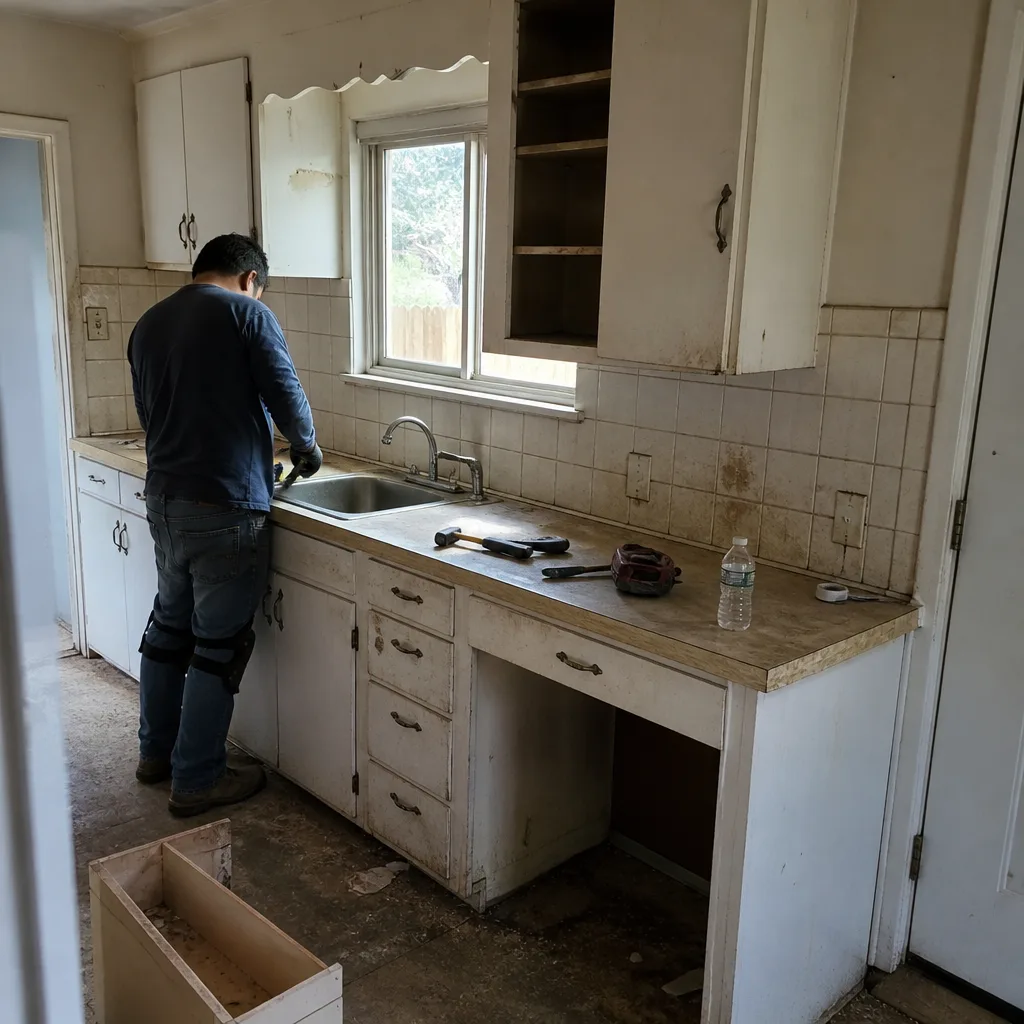 Before
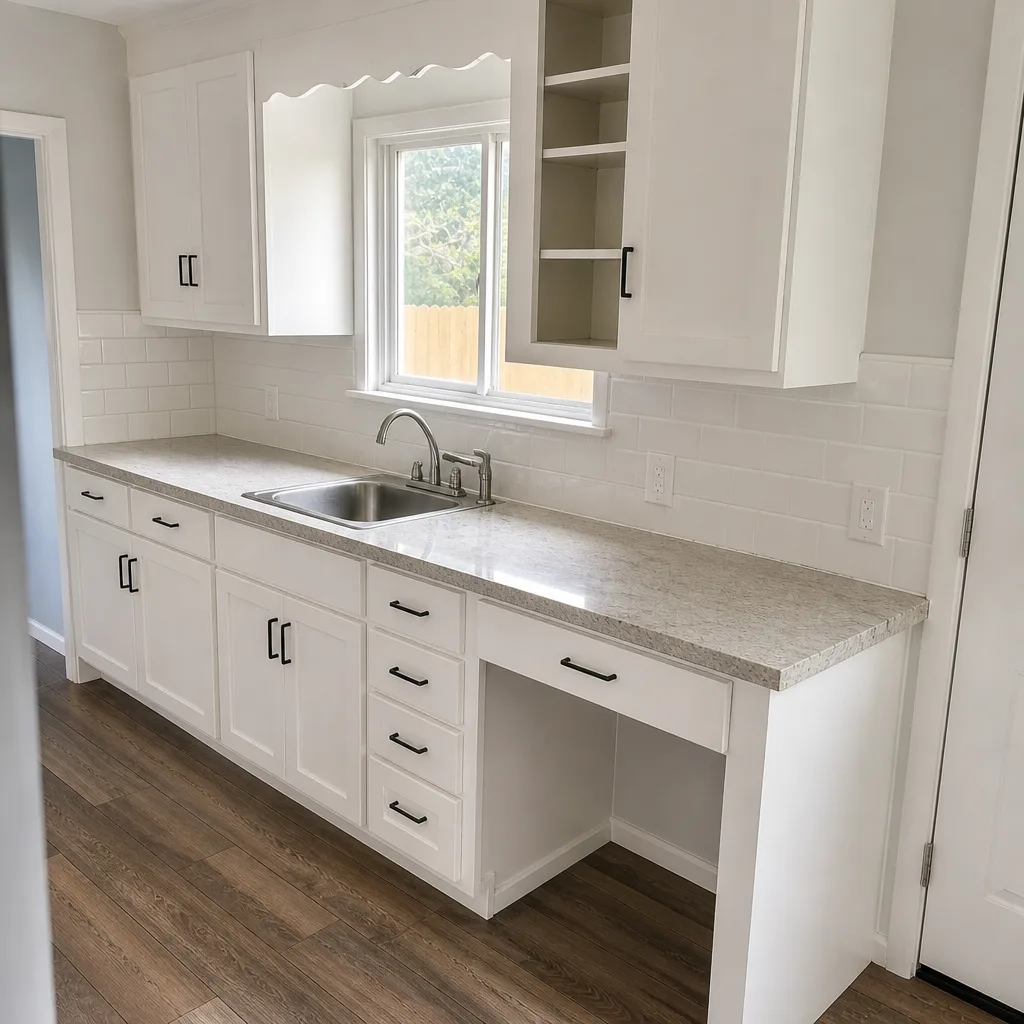 After
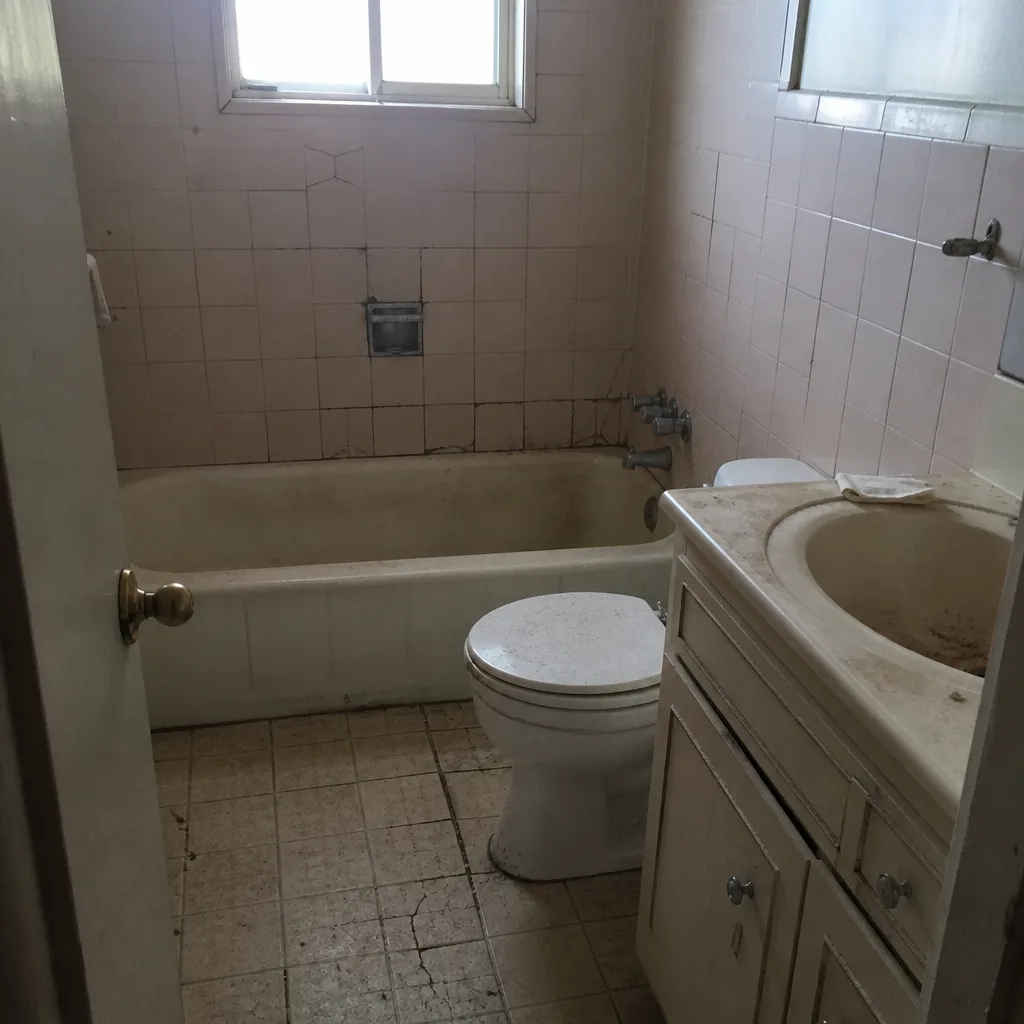 Before
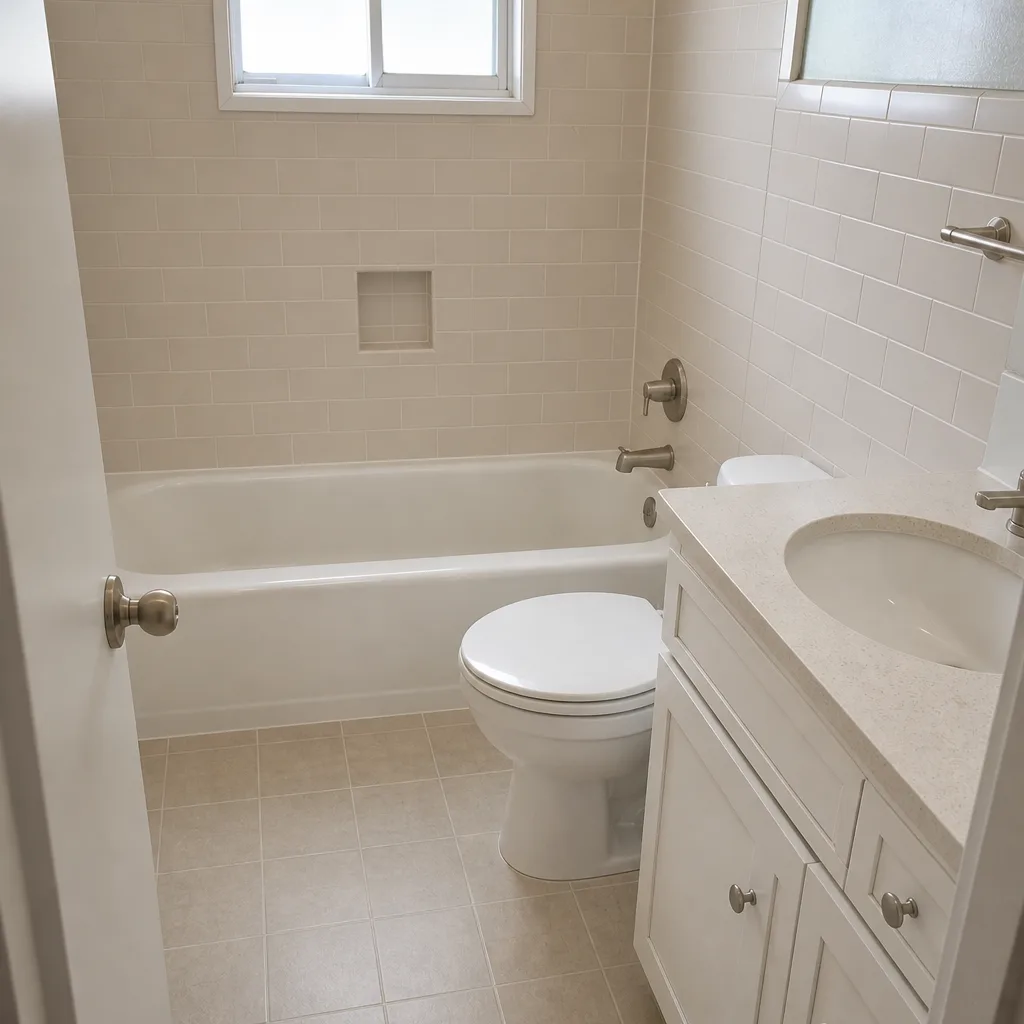 After
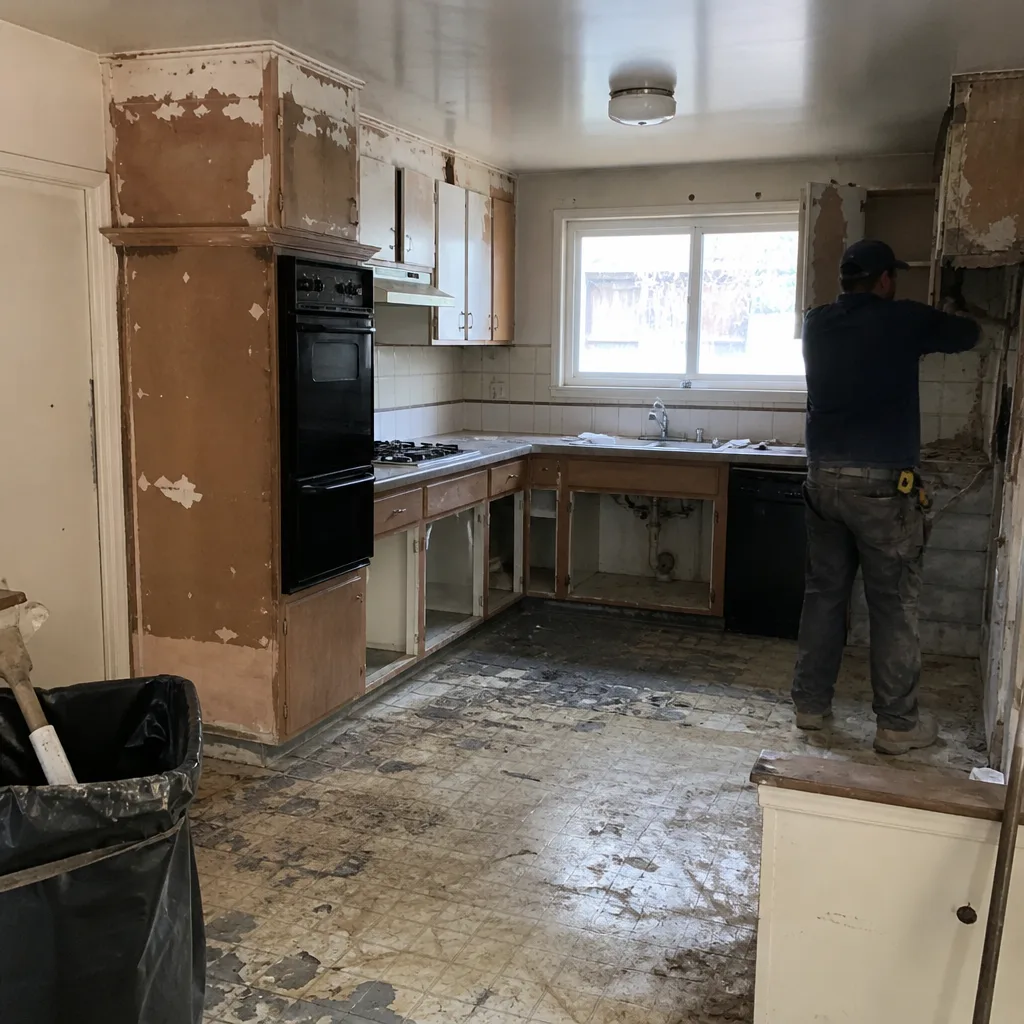 Before
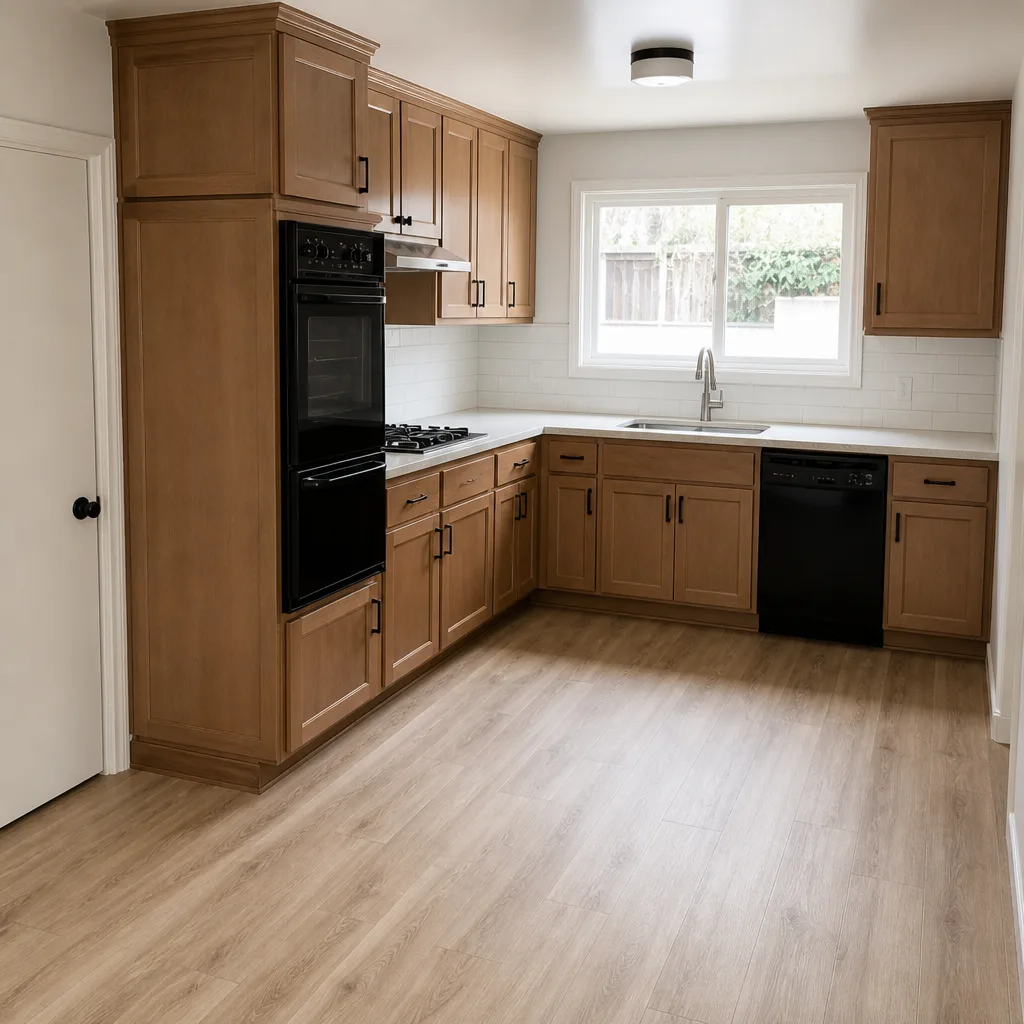 After
When to Call a Professional
Some timeline questions are answerable with a calculator; others need a contractor’s eyes on the actual space. Call a professional when your project involves structural changes, load-bearing walls, electrical panel work, gas line relocation, or any addition that touches the building envelope – those aren’t phases a homeowner can sequence safely, and the permit path is more complex than an interior refresh. Call when your “quick” bathroom refresh keeps revealing surprises (old galvanized plumbing, a subfloor that flexes) that change the scope. And call when you’ve been handed a schedule with no buffer and no permit phase – that’s a document you want a pro to read before you sign it. Bradford Remodeling Co Vallejo offers free estimates in Vallejo – call (844) 560-4789. Every estimate comes with a written price before any work starts, and every completed project carries the 365-Day Done Right Promise.
Frequently Asked Questions
A kitchen remodel typically takes 8 to 14 weeks and a whole-home remodel 6 to 12 months, with permit review often the largest uncontrolled variable. California’s plan check timelines vary by city, and a project adding structural work or square footage goes through a longer review than an interior refresh. Call (844) 560-4789 for a written estimate with a phase-by-phase timeline attached – estimates are free.
Plan on three to four months from first call to demolition day for a kitchen, and longer for a whole-home project. That window covers design decisions, material selections, permit submission, and long-lead orders. Starting earlier means the permit queue runs in parallel with planning instead of stalling it. Call (844) 560-4789 to talk through your timeline.
Not with a written price in place – that’s the point of the commitment. A written price locks the scope before work begins, and no number moves at the door. The only changes that should ever shift a price are scope changes you request in writing, not surprises the contractor discovers on demo day. Call (844) 560-4789 for a written estimate.
Yes – permits are pulled as part of the project, and inspections are scheduled on the schedule. A remodel run without permits in Vallejo creates problems at resale and can void a homeowner’s insurance coverage on the affected work. The permit phase is always on the written schedule, not left to chance.
Almost every overrun traces back to one of four things: a permit delay nobody planned for, a special-order material that arrived late, a failed inspection that wasn’t budgeted for, or a schedule with no float between trades. Each is avoidable with a properly built schedule. Call (844) 560-4789 to see what a schedule with buffer looks like.
Every completed project carries a full-year written guarantee – if the work fails within that window, Bradford Remodeling Co Vallejo returns and corrects it at no charge. The guarantee is in writing and in your hand at job close, alongside the documented scope. Call (844) 560-4789 to schedule your free estimate and see the guarantee terms before you commit.
The Bottom Line
The timeline you get from most contractors is the best-case version, and best-case almost never describes a real Vallejo remodel. Build your plan around the honest version: 4 to 7 weeks for a bathroom, 8 to 14 for a kitchen, 6 to 12 months for a whole home – with the permit queue, material lead times, inspection cycles, and weather built in. Read the schedule before you sign it, look for float between trades, and tie every payment to a completed phase. A contractor who puts the timeline in writing alongside the price, holds the final payment until the punch list closes, and hands you a signed guarantee at the end is a contractor running the job squared away. That’s The Garrison Standard, and it’s what every Bradford Remodeling Co Vallejo project is held to. For a written estimate and a real schedule, call (844) 560-4789 or visit our Bradford Remodeling Co Vallejo home page to get started.
Written by the team at Bradford Remodeling Co Vallejo.