Free written scope consultation - allowances, timeline, and change-order rules on paper before a single trade is scheduled
Styles & brands we work with
- Kitchen remodeling
- Bathroom remodeling
- Home additions & ADU
- Roofing
- Windows & doors
- Driveway & pavers
- Fence
See the difference
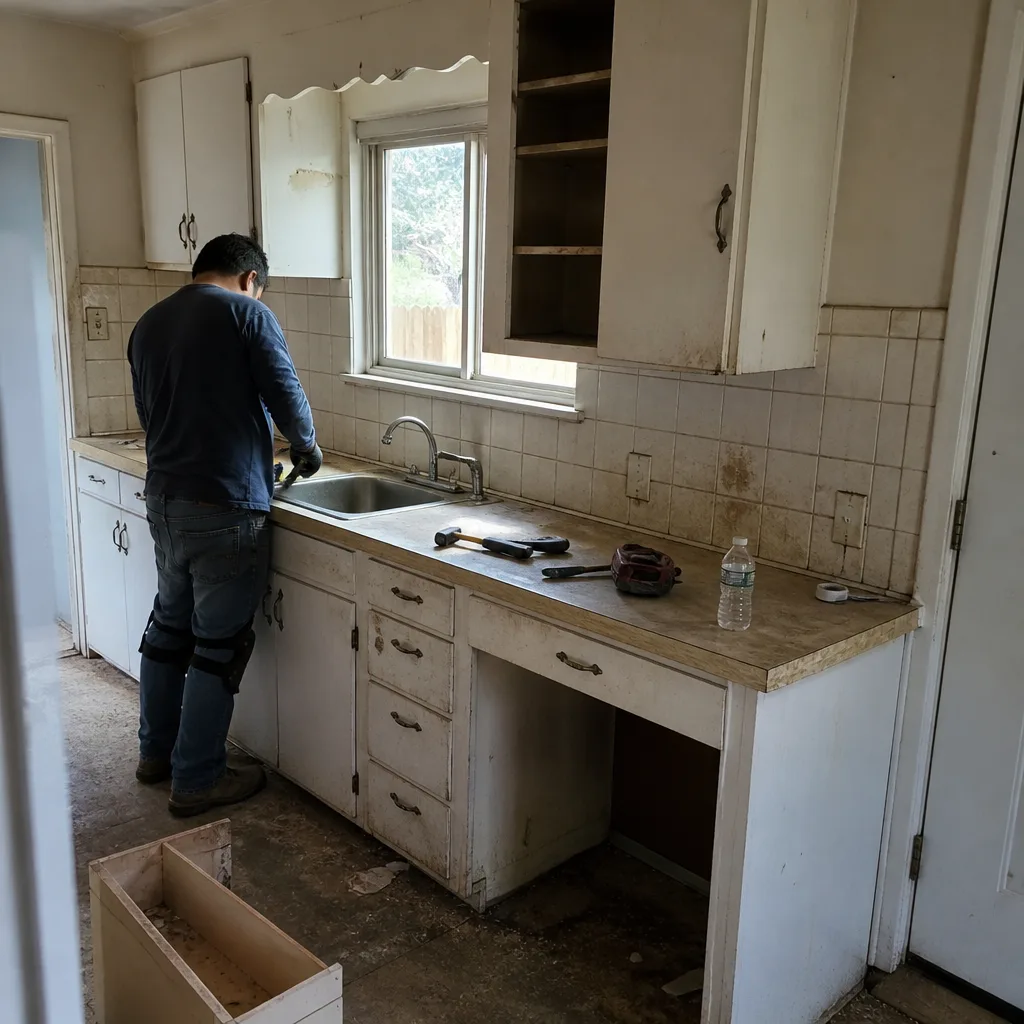 Before
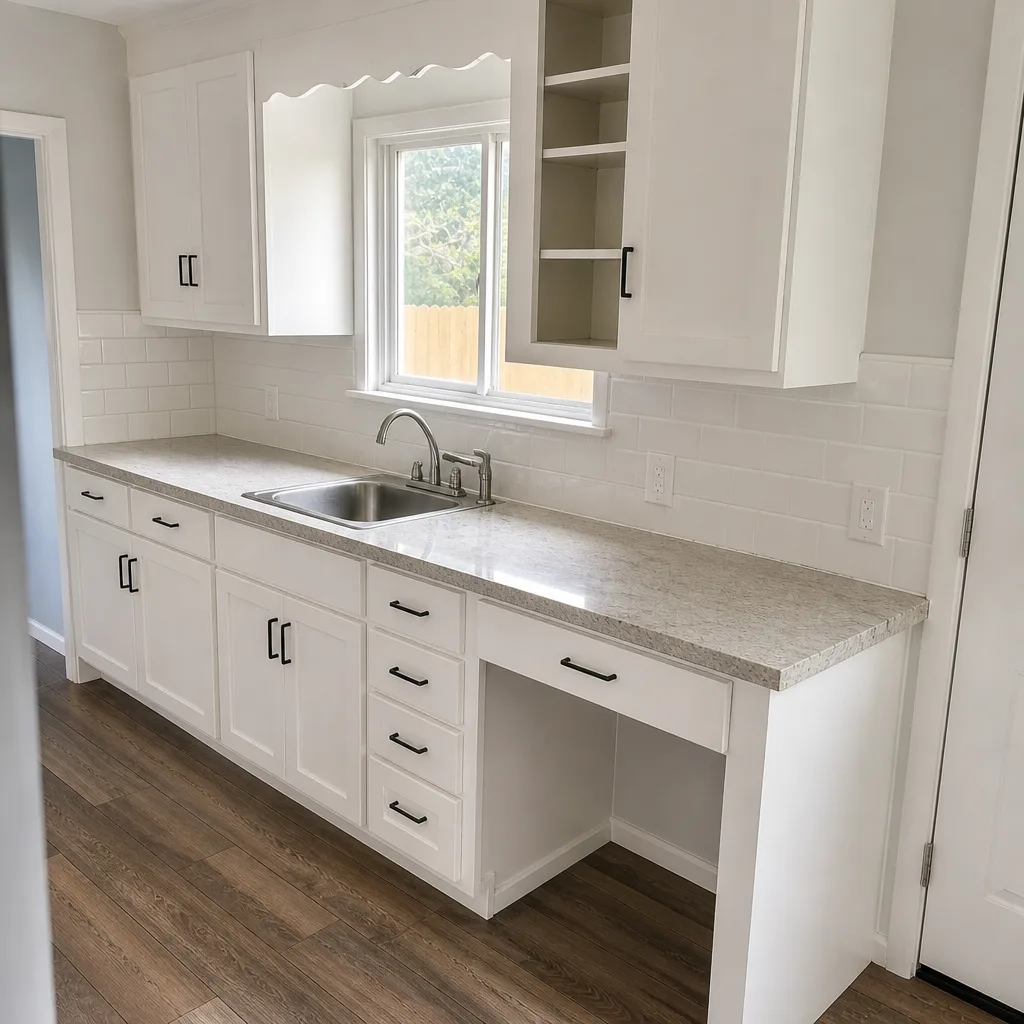 After
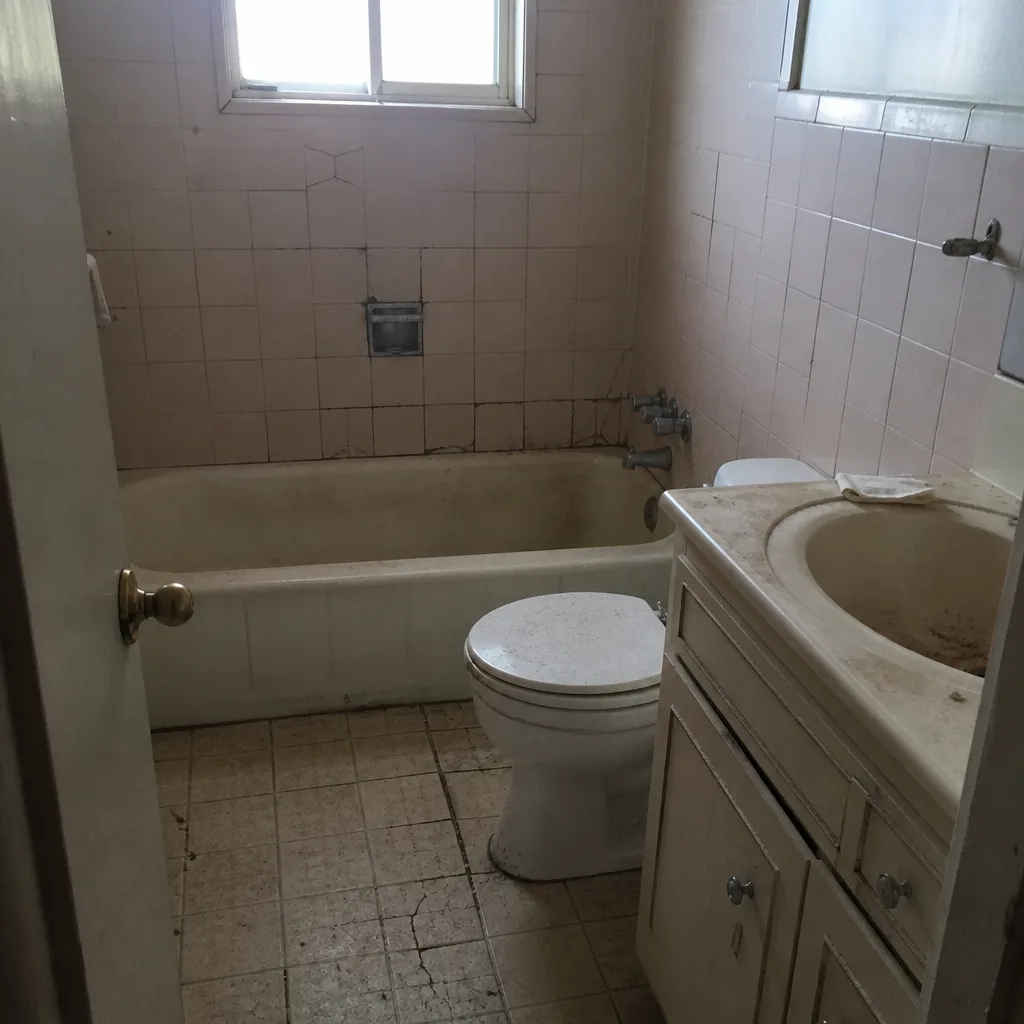 Before
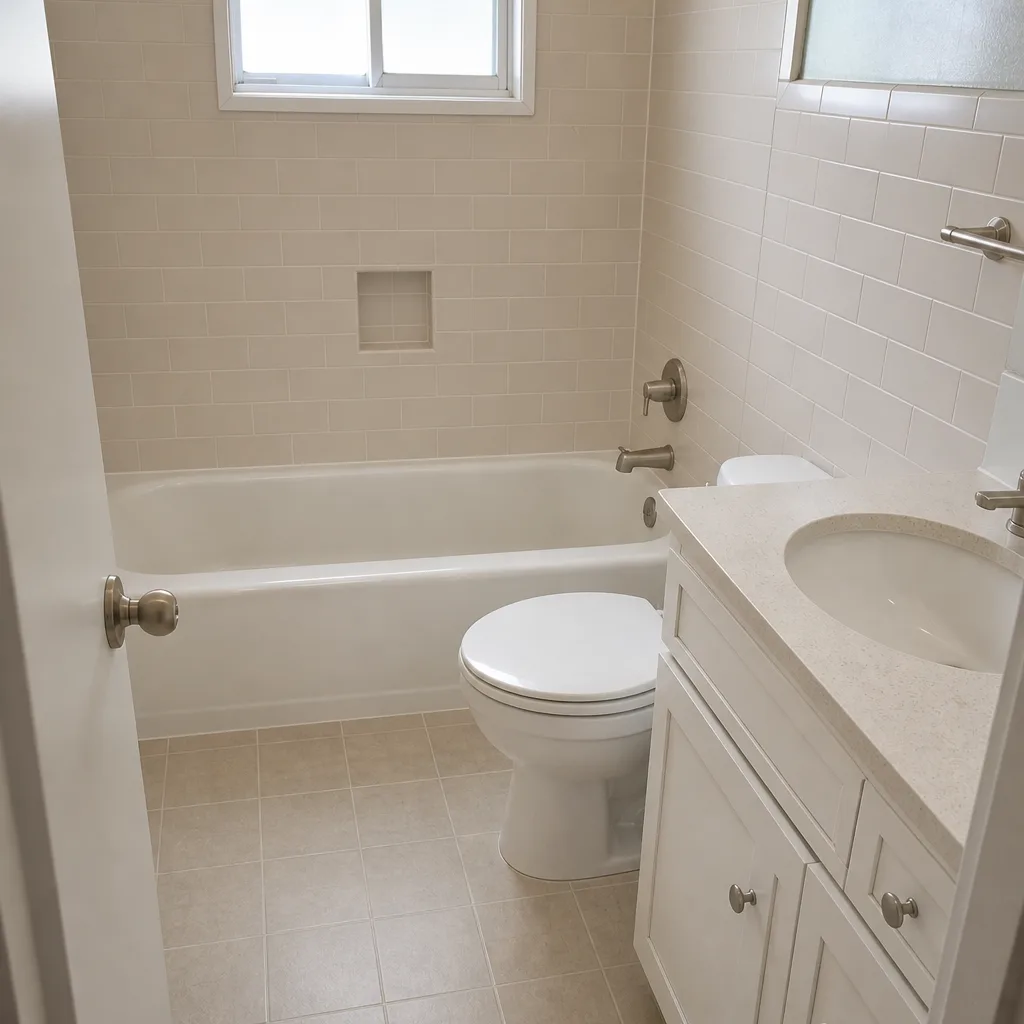 After
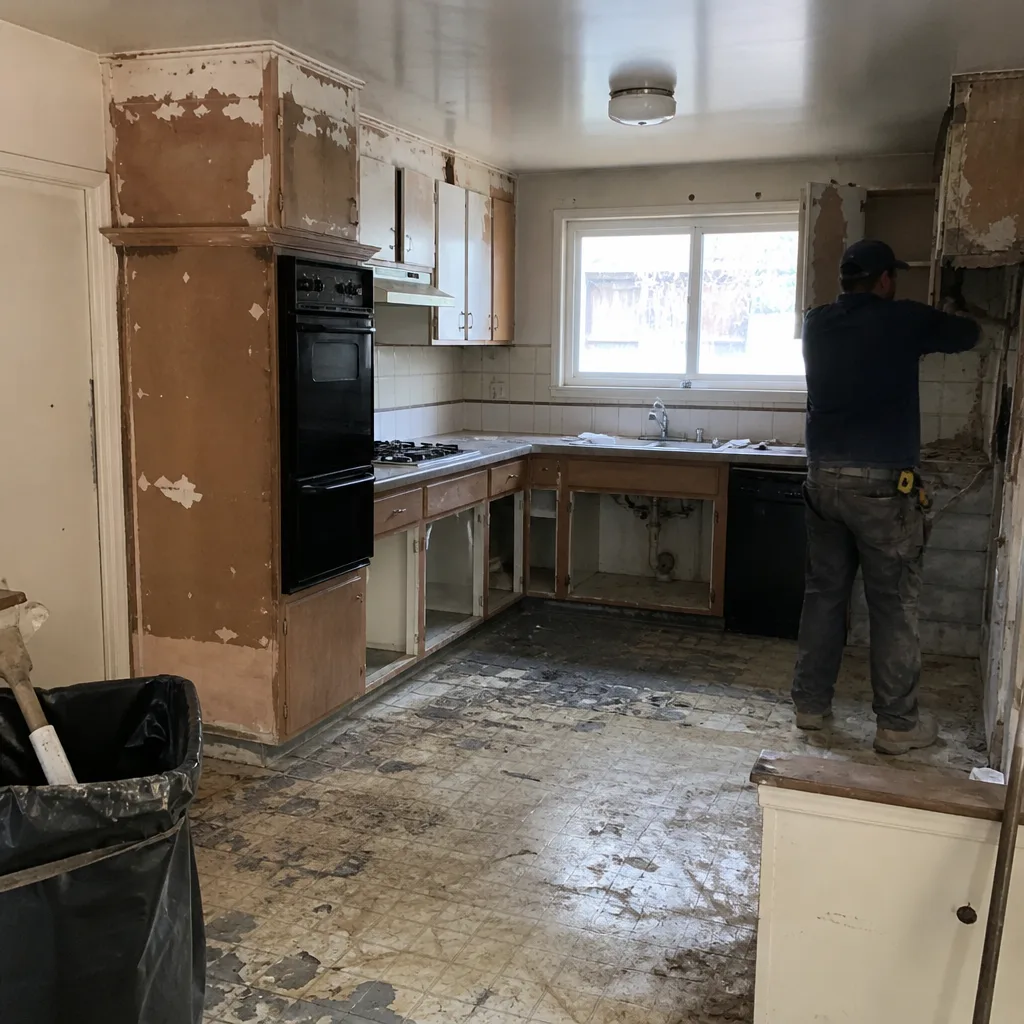 Before
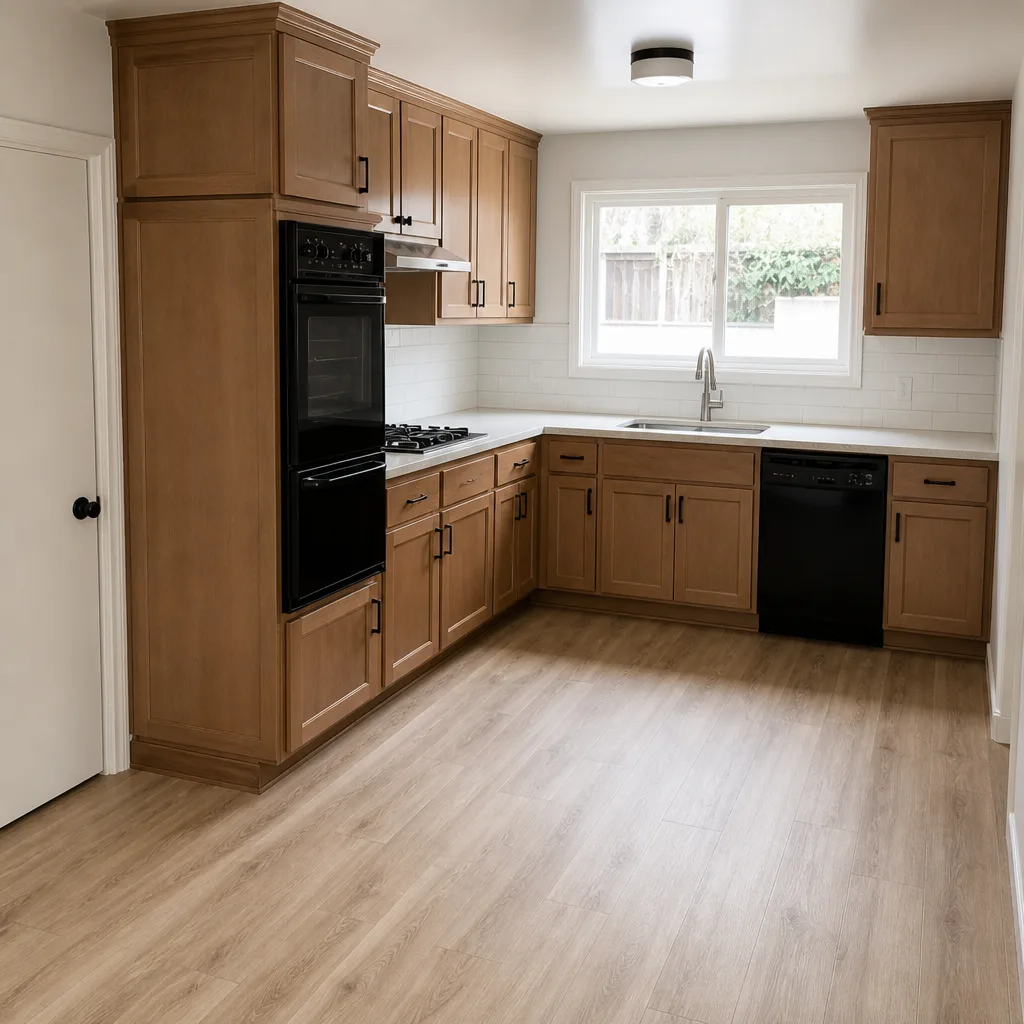 After
Attached vs Detached ADU in Vallejo: Which One Actually Makes Sense?
Choose detached unless your lot geometry, setbacks, or budget rule it out. On paper, attached ADUs almost always look cheaper, and in newer housing stock they usually are. In Vallejo’s pre-1950 bungalows, that math often flips once the structural engineer writes up the shared-wall connection. Our technicians have up to 22 years of experience reading exactly that kind of report, and we’ll give you both numbers in writing before you commit to either path. Call (844) 560-4789 for a free estimate and a straight comparison.
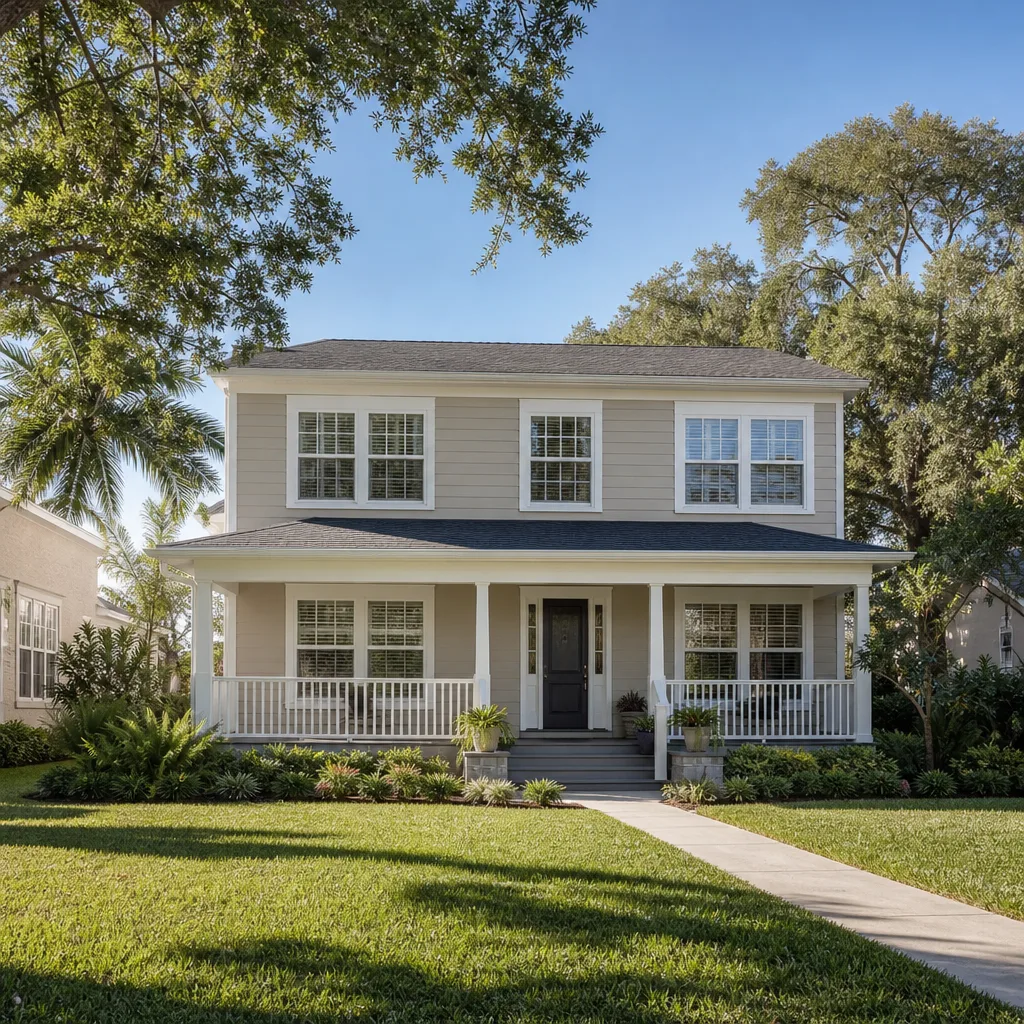
The shared-wall problem nobody puts in the guides
Here’s what happens on a 1940s Vallejo bungalow. You hire out the design, you get a rough attached-ADU price from a contractor, and it looks $30,000 to $50,000 friendlier than a detached unit on paper. Then the engineer runs the seismic connection analysis at the shared wall, because California’s ADU law requires an attached unit to meet current structural standards at that connection point.
On a wood-frame house built during the Mare Island Naval Shipyard boom, that analysis usually turns up cripple-wall bracing requirements. The cripple wall is the short stud wall between your foundation and the first floor. Pre-1950 Vallejo homes on raised foundations were not framed to modern shear standards, and attaching a two-story or even a one-story addition to that wall concentrates load in ways the original framing never anticipated. Bracing the cripple wall to current code, plus the anchor bolting and shear transfer that come with it, adds roughly $8,000-$20,000 to the attached option.
Now the “cheaper” attached unit is structurally equivalent in cost to a detached unit on its own slab. That’s the number most Bay Area ADU comparison articles skip, and it’s the first thing we look at on an older Vallejo lot.
Side-by-side: what each option really costs you in Vallejo
Across our ADU work in Vallejo, whole-project numbers land in the $90,000-$220,000 range depending on size, finish level, and site work. Here’s where the line items diverge.
| Cost factor | Attached ADU | Detached ADU |
|---|---|---|
| Seismic / shared-wall work | $8,000-$20,000 (cripple-wall bracing, bolting, shear transfer on pre-1950 wood-frame) | None at the primary dwelling; new unit built to current code from the slab up |
| Foundation | Ties into existing (often aging pier-and-post) foundation | New slab or perimeter foundation |
| Sewer | Can often tie to the existing lateral | Typically needs its own lateral; Vallejo Sanitation and Flood Control District fee applies |
| Electrical | Can share the main service panel | Sub-metered connection from the main service |
| Acoustic separation | Shared wall, often shared floor/ceiling assemblies | Full separation – no shared assemblies |
| Exterior envelope (waterfront / Old Town) | Matches primary structure; envelope repairs on the existing house may surface | Full new envelope – James Hardie fiber-cement siding and a GAF-rated roof system |
Two numbers stand out. The seismic delta is the one that flips the decision. The sewer lateral is the one that surprises people. A detached unit needs its own lateral to the main, and Vallejo Sanitation and Flood Control District charges a connection fee on top of the plumbing work. An attached unit can often share the existing lateral, which saves real money – but it complicates future metering if you ever want to rent the unit separately.
Which option fits your Vallejo neighborhood?
The housing stock here sorts the decision more than most homeowners expect. The core of Vallejo – Old Town, Vallejo Heights, the Heritage District, and the blocks near Mare Island – is dominated by pre-1950 wood-frame single-family homes and prewar bungalows, many on raised foundations with original pier-and-post support. That’s where the shared-wall seismic analysis has the most teeth, and where we lean toward detached if the lot allows it.
East-side tract homes from the 1950s through the 1970s are a different story. Framing is newer, cripple-wall conditions are less common, and an attached ADU over the garage or off a rear wall often pencils out cleaner.
Utility separation: the rule nobody explains clearly
Attached ADUs in Vallejo can share the primary dwelling’s utilities. That means one water meter, one sewer lateral, one main electrical service. It’s simpler on paper, but it locks you into a single-metered arrangement if you ever plan to rent the unit long-term.
Detached ADUs need their own sewer lateral, which triggers the district fee, but the electrical connection can be sub-metered off the main service panel. If you want to track a renter’s usage – or charge for it – sub-metering is the cleaner configuration. We lay both out with line-item pricing rather than a single blended number, so you can see exactly what you’re trading.
Roof and siding exposure matters too. Vallejo’s waterfront and Old Town neighborhoods take wind-driven rain off San Pablo Bay, and a detached ADU sits fully exposed to it. On those lots we specify James Hardie fiber-cement siding and a GAF-rated roofing system as the standard, not as an upgrade option. The same envelope that protects the primary home has to protect the new unit.
Privacy and noise: the difference you’ll feel every week
An attached ADU shares at least one wall with the primary unit, and often the floor or ceiling assembly too. A detached ADU has full acoustic separation. That’s not a small detail if you plan to rent the unit while living on-site, or house family in it. Footsteps, plumbing, TV noise – all of it lands differently when a wall is shared. Structural separation isn’t a marketing feature; it’s the difference between two households coexisting comfortably and one that fights over the volume knob.
How we price both paths before you commit
Bradford Remodeling Co Vallejo documents both options with separate line-item prices before a single tool comes out. That’s The Garrison Standard, and it means the structural cost difference shows up in writing at the proposal stage rather than as a change order after demo. Every project gets a written price before work starts, and every completed project carries the 365-Day Done Right Promise – a full-year written guarantee; if the work fails inside that window, we return and correct it at no charge. Background-checked, uniformed technicians on every job, live-person phone coverage 24/7, and materials pulled from a documented brand roster so specs are traceable. Learn more about our home remodeling approach or see how we work across the Vallejo service area.
FAQs
Detached is usually cheaper on a pre-1950 Vallejo home once you count the seismic work. The attached unit’s headline price looks lower, but the shared-wall seismic connection analysis on a 1940s wood-frame house typically adds $8,000-$20,000 in cripple-wall bracing and bolting – enough to close the gap or wipe out the savings. On newer east-side tract homes, attached often wins. Call (844) 560-4789 for a written comparison of both.
Not always a full retrofit, but attaching to the shared wall requires the connection point to meet current structural standards. In practice that means the engineer evaluates the existing cripple wall and load path, and on raised-foundation WWII-era and postwar homes it commonly surfaces bracing and bolting work that the original framing never had. This is exactly the inspection step many Vallejo homeowners only learn about after their first site visit.
Whole-project ADU construction in Vallejo runs $90,000-$220,000, depending on size, finish level, site work, and utility work. A detached unit usually carries the extra sewer lateral and its Vallejo Sanitation and Flood Control District connection fee; an attached unit usually carries the shared-wall seismic cost instead. The only way to compare them honestly is a written line-item price on both. Estimates are free – call (844) 560-4789.
Yes. We assess the lot, setbacks, foundation type, and existing framing before recommending attached or detached, and we’ll say plainly when the structure points one way. Our technicians have up to 22 years of experience with Vallejo’s older housing stock, and you get the findings in writing. Call (844) 560-4789 to schedule a no-pressure assessment.
If you’d rather have it looked at instead of guessing from a spreadsheet, Bradford Remodeling Co Vallejo offers a no-pressure assessment in Vallejo. We’ll walk the lot, read the structure, and put both ADU paths in front of you with written prices. Call (844) 560-4789 for a free estimate.
Written by the team at Bradford Remodeling Co Vallejo, serving Vallejo, CA.