Last updated November 17, 2026


Free written scope consultation - allowances, timeline, and change-order rules on paper before a single trade is scheduled
Construction Permits, Codes & Inspections in CA: What You Need to Know
Unpermitted work in California can void a homeowner’s insurance claim on a related loss, and it has to be disclosed when you sell. That’s the part most people never hear until it’s expensive. The $4,000 a homeowner saved by skipping a permit for a converted garage or a relocated bathroom can turn into a five-figure problem the moment escrow opens and the buyer’s inspector asks for the paper trail. In this guide we’ll walk through which California projects always need a permit and which are genuinely exempt, how the City of Vallejo runs permits and inspections step by step, and what each inspection actually protects. We’re writing it from Vallejo, where we’ve watched plenty of remodels get held up by a missing sheet of paper.
Quick Answer
In California, any project that alters the structure, electrical, plumbing, or mechanical systems, or that changes a building’s occupancy or footprint, requires a permit under the California Building Standards Code (Title 24) and local amendments. Cosmetic work like paint, flooring, and cabinet swaps generally does not. Inspections exist so a third party who isn’t you or your contractor confirms the work meets code before it gets buried behind drywall. Skipping that step can cost you the insurance claim, the sale, or both.
Styles & brands we work with
- Kitchen remodeling
- Bathroom remodeling
- Home additions & ADU
- Roofing
- Windows & doors
- Driveway & pavers
- Fence
Table of Contents
- Which California projects need a permit, and which don’t
- Why permits protect you, not just the city
- How the City of Vallejo permit process works, step by step
- What happens at framing, rough electrical, and final inspections
- What to do when a previous owner did unpermitted work
- Why a contractor who dodges permits is flagging their own risk
- Common mistakes to avoid
- Frequently asked questions
Which California projects need a permit, and which don’t?
The short rule from the California Building Standards Code: if you’re touching the structure, the systems, or the building’s use, you need a permit. The California Residential Code (Title 24, Part 2.5) and the California Building Code (Part 2) lay out the framework, and each city adopts its own amendments on top. Vallejo follows the state code with local amendments, which is why a project that was fine in a neighboring county can trip a plan check here.
Projects in California that almost always require a permit:
- Any addition or change to the building’s footprint, including a bump-out or converted garage.
- Moving or removing a load-bearing wall, or any structural alteration. This covers header beams, posts, and shear walls.
- New or relocated electrical circuits, panel upgrades, or service changes (California Electrical Code, Part 3).
- New or moved plumbing lines, water heaters, gas lines, and drain reroutes (Part 5).
- HVAC installs and ductwork changes (Part 4).
- Re-roofing when the sheathing or framing is altered, not just a tear-off and re-cover.
- Decks over 30 inches above grade, plus any pool, spa, or fence over the local height threshold.
- Window and door replacements where the opening size or header changes (egress windows always count).
Projects that are typically exempt, with caveats:
- Interior paint, wallpaper, and finish carpentry with no structural impact.
- Replacing flooring, tile, or a like-for-like cabinet front.
- Replacing a faucet or toilet in the same location (some cities still want a plumbing permit for the fixture swap; Vallejo asks for one on water heaters and gas lines).
The gray zone is where homeowners get caught. A “simple” bathroom refresh that moves the drain two feet is no longer cosmetic. It’s a plumbing alteration and it needs a permit. Kohler and Moen fixtures don’t care whether the rough-in was permitted, but your insurance carrier will.
Why permits protect you, not just the city
It’s easy to read permits as bureaucratic busywork. They’re not. A permit is the legal record that a third party verified the work, and that record is what your insurance, your lender, and your future buyer rely on. When you sell a home in Vallejo, the transfer disclosure statement asks whether you’re aware of any unpermitted work. Answer incorrectly and you’re exposed to a lawsuit. Answer honestly and you may have to price the home as a fixer.
Here’s what the permit record actually buys you:
- Insurance validity. Many carriers can deny or reduce a claim on a loss tied to unpermitted work, especially electrical and structural. A fire traced to a circuit that was never inspected is the classic example.
- Sale defensibility. Permitted work shows up in the public record and can be verified in minutes. Unpermitted work has to be disclosed and often discounted.
- Lender compliance. If you ever refinance or use a HELOC, an appraiser who spots unpermitted additions can flag the property.
- Contractor accountability. The inspector is a third party who isn’t you and isn’t the person being paid. That’s the entire point.
The permits are also why our crews operate the way they do. Bradford Remodeling pulls permits on every project that triggers one, and the written price we give before work starts includes the permit fees. No surprise invoice midway through the job, no “we’ll figure out the permits later.” If the job is on our schedule, the paper is squared away before a single tool comes out. When you’re comparing bids for a general contractor in Vallejo, check whether the permit line item is actually in the quote.
How does the City of Vallejo permit process work, step by step?
Vallejo runs permits through the city’s Community Development Department and its online permit portal. Most residential projects fall into one of two tracks: an over-the-counter (OTC) permit for simpler work, or a plan-check permit for anything that touches structure, additions, or major systems. Processing timelines shift with the department’s workload, so the honest answer to “how long does it take” is that a deck or a water heater can clear in a few days while a full addition plan check can run several weeks. Ask the counter for the current turnaround before you sign a contract, because it drives the schedule.
The typical path for a remodel in Vallejo looks like this:
- Scope and drawings. Your contractor or designer prepares plans sized to the project. A bathroom or kitchen usually needs a floor plan and a plumbing and electrical layout. An addition needs engineering.
- Submittal. You or your contractor files through the permit portal with the plans, the contractor’s license information, and the fee estimate.
- Plan check. City reviewers check the drawings against the California code and Vallejo’s local amendments. They may issue correction comments you’ll answer before approval.
- Permit issuance. Once approved and the fees are paid, the permit is issued and posted at the job site. The work can legally start.
- Scheduled inspections. Each phase (framing, rough electrical, rough plumbing, insulation, drywall, final) gets its own inspection. Your contractor calls them in through the portal or phone line as the phases finish.
- Final and certificate of occupancy. The final inspection closes the permit. For additions, a certificate of occupancy confirms the space is legally habitable.
The Vallejo climate matters here. The city’s marine layer and winter rain mean exterior work (stucco, roofing, siding) gets weather-delayed, and inspectors want the substrate dry before they sign off. If your contractor hasn’t factored rain days into the schedule, the inspection dates will slip and the whole project slides. That’s a scheduling mistake, not a code problem, but the homeowner pays for both.
What happens during framing, rough electrical, and final inspections?
Each inspection exists to catch something before it disappears behind the finished wall. Framing, rough electrical, and final are the three most important, and each protects you in a different way.
Framing inspection
The framing inspector looks at lumber species and grade, stud spacing, header sizing over openings, the connection details (nails, straps, hangers), shear wall nailing when your project has a seismic requirement, and the fire-blocking. In Vallejo, where much of the housing stock is older and the seismic code has tightened over time, the shear wall and anchor-bolt details get close attention. This is the inspection that catches a beam that was field-cut short or a wall that was framed without the hold-downs the engineer specified. It closes before the drywall goes up. After that, the only way to fix it is to tear the wall open.
Rough electrical inspection
The rough electrical inspector checks the wire gauge against the breaker, the box fill, the grounding and bonding, the GFCI and AFCI protection where the California Electrical Code requires it, and the routing. Kitchens, baths, and laundry rooms have specific GFCI rules, and bedrooms and living areas have AFCI rules. In our experience, the most common rough-electrical correction in Vallejo remodels is an undersized or ungrounded circuit carried over from an older panel. The inspector will flag it, and it’s cheaper to fix at that stage than after the drywall is painted.
Final inspection
The final inspection is the closing of the loop. The inspector checks that the finished work matches the permitted scope: the fixtures are installed and working, the GFCI and smoke detectors trip, the plumbing holds pressure, the insulation and drywall are done, the site is clean. Our final-inspection day usually ends with a signed job card in hand. That signed card is what gets filed with the county and what your future buyer will pull. The tile and the Kohler fixture matter, but the signed card is what makes the bathroom a permitted bathroom.
What do you do when a previous owner did unpermitted work?
This comes up constantly in Vallejo, especially in older neighborhoods where a converted garage, a finished attic, or an added half-bath was done without a permit by a prior owner. The good news: it’s a common situation, not a fatal one, and cities have a process for it. The bad news: there’s no clean answer that avoids the permit office entirely, and the longer you wait the more it costs.
The practical steps for a remodel that has to work around unpermitted work:
- Pull the record at the city. Request the permit history for the address from Vallejo Community Development. You’ll learn what was permitted and what wasn’t.
- Have it inspected before you demo. Open up the suspect area (drywall, ceiling, flooring) so the existing framing and systems can be seen. This is a discovery phase, and it’s the honest way to price what’s next.
- Decide whether to legalize or remove. Legalizing means bringing the work up to current code and pulling a permit through the city’s after-the-fact or “as-built” process. Removing means framing it back to the original permitted configuration. Sometimes one is cheaper, sometimes the other.
- Get the work permitted going forward. Whatever you choose, your remodel moves under a legal permit. The unpermitted work becomes permitted work, and the record is clean.
We’ve walked Vallejo homeowners through both paths. The legalizing route usually adds time and inspection fees, and the plan-check reviewer may still want upgrades (electric panel, egress window, shear walls) to bring the old work up to today’s code. But once it’s legalized, the value is real. The next buyer’s inspector sees a clean record instead of a question mark.
Why a contractor who discourages permits is flagging their own risk, not protecting your budget
When a contractor tells you the permit isn’t necessary, the sentence you’re hearing is “I don’t want a third party looking at my work.” That’s a liability signal, not a savings plan. A contractor who’s licensed, insured, and confident in the work wants the inspector there. It’s how they close the job with the paper trail that proves it was done right.
What the no-permit pitch actually costs you:
- The insurance exposure. Unpermitted structural or electrical work can jeopardize a related claim, and that risk rides on your policy, not the contractor’s.
- The sale problem. Disclosure comes up at every sale, and an unpermitted addition often stalls escrow.
- The warranty question. A contractor who skipped the permit is likelier to skip the call-back when the work fails. Our 365-Day Done Right Promise is a written guarantee that the work holds for a full year; if it fails inside that window, we come back and correct it at no charge. That promise only has teeth if the work is inspectable and correct, which is why the permits are non-negotiable for us.
The good news is that the honest contractor and the permit office are on the same side. That’s how we run a kitchen remodeling in Vallejo project: permit pulled first, plan check answered, inspections scheduled with the cabinetry and finishes sequenced behind them. If your contractor can’t describe that sequence, ask why. The answer tells you a lot.
Common mistakes to avoid
- Starting “small” work without a permit. Relocating a drain or adding a circuit feels minor, but both trigger the plumbing or electrical code. The city will catch it at sale, and the fix is more expensive then.
- Treating the permit fee as a separate surprise. A written bid should include the permit fees, not add them the week the job starts. If the number moves at the door, that’s a red flag. Our written price covers the permits before work begins.
- Missing the framing inspection window. The drywall has to wait for the framing and rough inspections. If your subcontractor sneaks it up early, they’ve created a tear-out problem the homeowner will pay to fix.
- Assuming the last owner’s conversion was legal. A garage-to-bedroom conversion in an older Vallejo neighborhood is the single most common unpermitted project we see. Pull the record before you plan the remodel around it.
- Hiring a contractor whose license or insurance you haven’t verified. The California Contractors State License Board has a public lookup. A permit requires a licensed contractor and a signed contract; if either is missing, the inspector can’t release the job.
- Skipping the “as-built” conversation. Even if you don’t sell for years, an unpermitted addition limits what you can borrow, insure, or add later. The cost of legalizing climbs the longer it sits.
- Ignoring the weather window for exterior inspections. Vallejo’s rainy season will push a sheathing or stucco inspection. Plan the schedule around it instead of fighting it.
See the difference
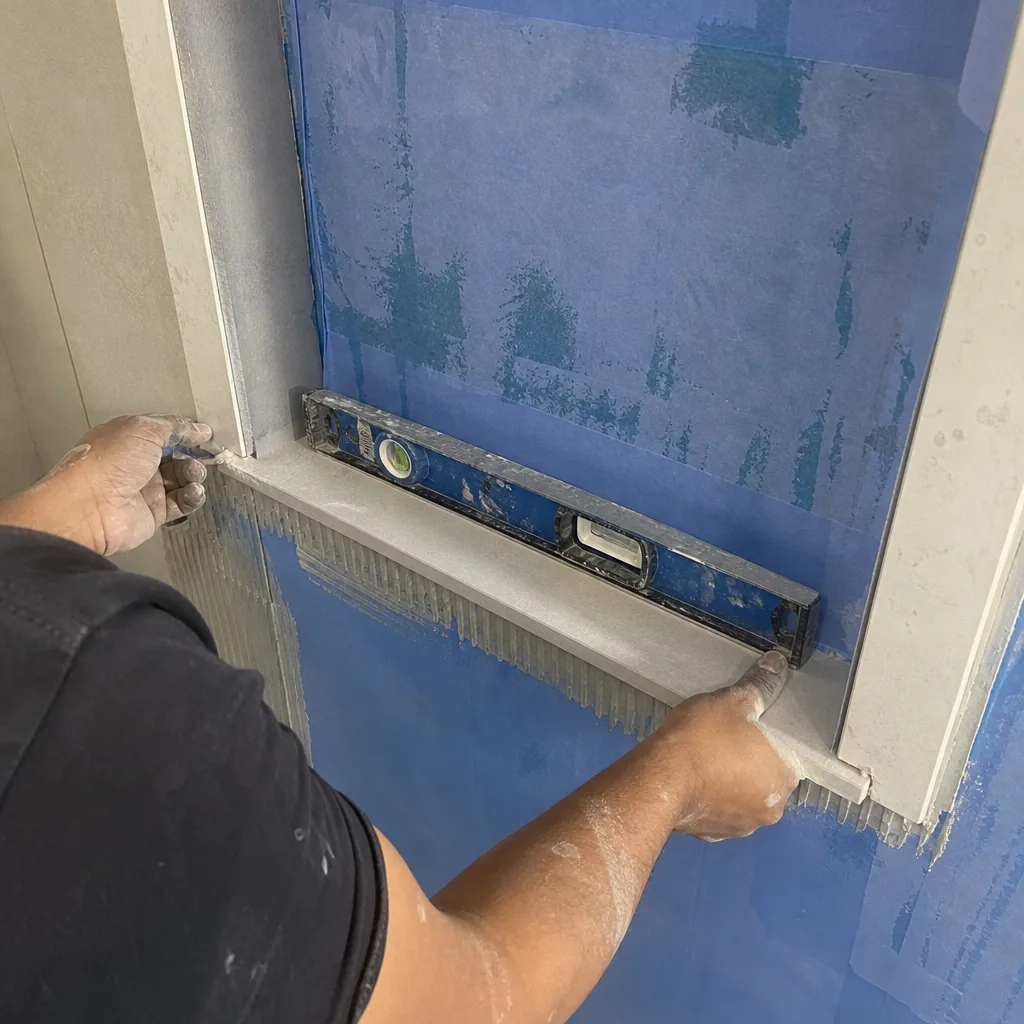
 Before
 After
 Before
 After
 Before
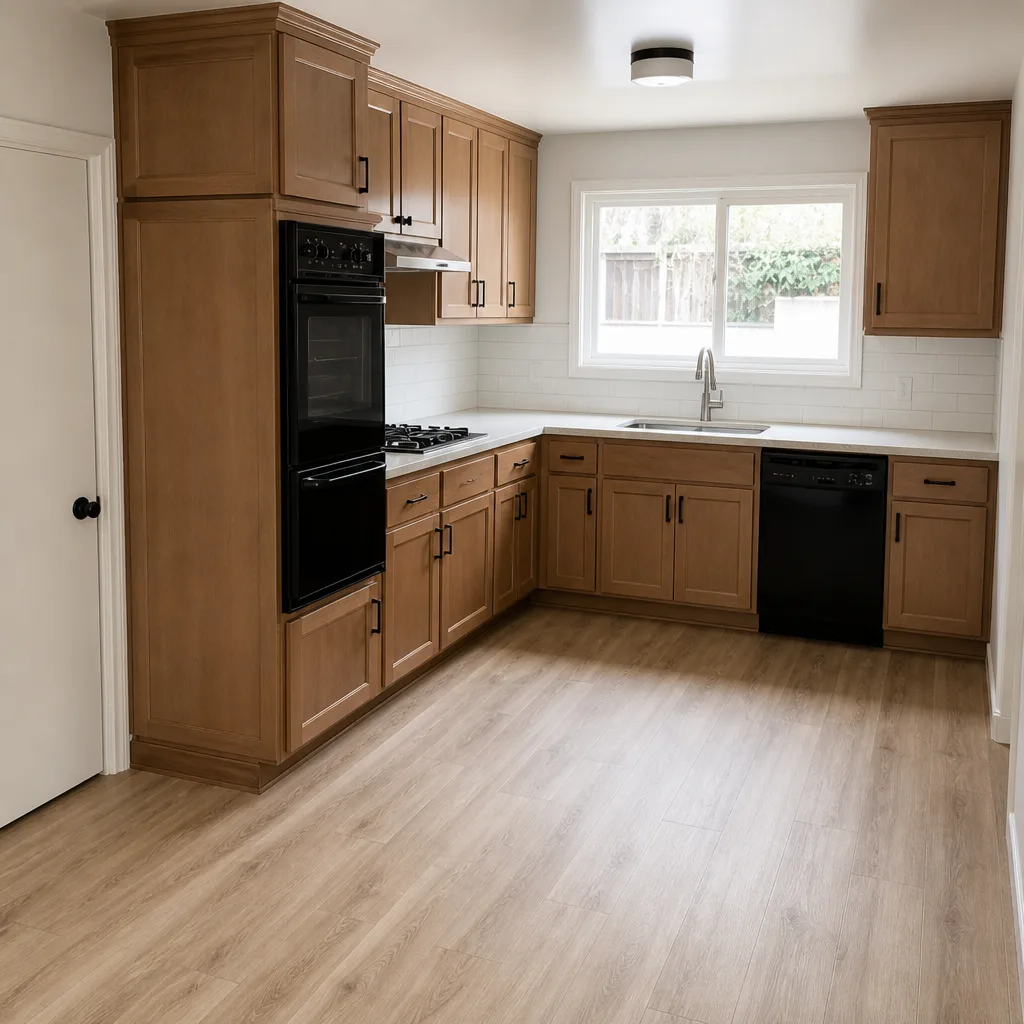 After
When to call a professional
Call a licensed contractor for any project that touches structure, electrical, plumbing, or HVAC, for anything that needs a permit or a plan check, for a remodel you’re planning around unpermitted work left by a previous owner, and for any job where you’re unsure whether the work triggers a code requirement. Those are the cases where a homeowner doing it alone gets caught by the code or the inspection. We’ve seen the DIY electrical panel job that passed until the inspector asked for the permit number, and we’ve seen the “small” wall removal that turned out to be load bearing. In both cases, the licensed path is the cheaper one once the tear-out is counted. Bradford Remodeling Co Vallejo offers free estimates in Vallejo and pulls the permits as part of the written price. Call (844) 560-4789 to schedule yours.
Frequently Asked Questions
Residential permit fees in Vallejo are based on the project’s valuation, so a bathroom remodel typically lands well below an addition. The exact figure depends on the scope and the current fee schedule, which is why we quote the permit cost inside the written price before work starts rather than guessing at it. Call (844) 560-4789 for an exact quote on your project; estimates are free.
Yes, in California a water heater replacement requires a plumbing permit, and the installation has to meet current code on the seismic strapping, the pressure relief valve, and the venting. The permit is inexpensive and the inspection is quick. Skipping it is the mistake that costs you at insurance or sale, not at installation.
Yes, but you have to disclose it, and the buyer’s lender and insurance carrier can make it a condition of the deal. The safest path is to legalize the work before you list. Pull the permit history, get the area inspected, and decide whether to legalize or remove it. That’s a conversation worth having early. Call (844) 560-4789 to talk it through.
In Vallejo, inspection scheduling depends on the current city workload, and a request is usually filled within a matter of days rather than weeks. The pacing issue is the sequence, not the wait: framing inspection, then rough electrical and plumbing, then insulation, then final. Your contractor has to have the previous phase finished and the site accessible before the inspector shows up.
No, but most do. A cabinet and countertop swap on the existing layout is typically exempt. If the remodel moves a sink, adds or relocates a circuit, installs a new range hood that vents to the exterior, or removes a wall, the work triggers a permit under the California code. Kohler and Moen fixtures, cabinets, and Cambria or Caesarstone surfaces don’t change that rule. If you’re planning a bathroom remodeling in Vallejo, the same logic applies.
Not with us. The price is written before work begins, permits included, and change orders only happen when the scope changes at your request. What a change order is not: the permit fee or a surprise line item your contractor forgot to price. Call (844) 560-4789 for a free written estimate.
The Bottom Line
Permits are the legal thread that holds your insurance, your sale, and your contractor’s accountability together. In California, any project that touches structure, electrical, plumbing, or mechanical systems needs one, and Vallejo runs the process through its online portal with plan check, inspections, and a final that closes the record. Inspections at framing, rough electrical, and final catch real problems before they’re buried, which is why a contractor who dodges them is flagging their own risk. If you’re in Vallejo and planning a remodel, get the permit question answered before you sign a contract. Call (844) 560-4789 for a free estimate and a written price that includes the permits. That’s how we do it. If you want to see the rest of how we operate, start with our Bradford Remodeling Co Vallejo home page.
Written by the team at Bradford Remodeling Co Vallejo.