Last updated November 17, 2026


Free written scope consultation - allowances, timeline, and change-order rules on paper before a single trade is scheduled
DIY vs Professional Home Remodeling: What’s Safe to Do Yourself
A Vallejo homeowner tiled their own shower and saved about $1,400 on labor. Three years later, a buyer’s inspector flagged the unpermitted work, the sale stalled, and the deal closed $8,000 lower after the buyer demanded a credit. That’s the pattern we see more than any other: the DIY decision rarely fails on skill. It fails on paperwork. In this guide, we’ll draw the real line between what a Vallejo homeowner can safely do themselves and what the city requires a licensed contractor to sign off on – sorted by permit consequence and resale liability, not by how hard the task looks.
Quick Answer
You can safely self-perform cosmetic work with no permit consequence: painting, swapping cabinet hardware, replacing fixtures without moving plumbing, and non-load-bearing demolition inside an already-permitted space. Anything that touches structure, moves or adds plumbing, gas, or electrical circuits, or changes a room’s footprint crosses into work that requires a permit and, in Vallejo, a licensed contractor’s signature on the application. The physical difficulty of the task is not what matters. What matters is whether the job shows up in a permit file and whether an insurer will honor a claim on it.
Styles & brands we work with
- Kitchen remodeling
- Bathroom remodeling
- Home additions & ADU
- Roofing
- Windows & doors
- Driveway & pavers
- Fence
Table of Contents
- Where the Permit Line Actually Sits in Vallejo
- What’s Genuinely Safe to Do Yourself
- How Unpermitted DIY Work Affects Your Insurance
- Finishing a Half-Done DIY Project: Real Cost Scenarios
- Permit Puller vs “Owner-Build”: Who Holds the Liability
- The Resale Math: What Unpermitted Work Costs at Escrow
- What a Pro Actually Costs vs DIY (Line-Item)
- How to Decide, Task by Task
Where the Permit Line Actually Sits in Vallejo
Most DIY-versus-pro articles say “structural work needs a pro” and stop there. That’s too vague to be useful when you’re standing in a Vallejo kitchen with a pry bar. Here are the thresholds that matter, framed the way the permit counter thinks about them.
A permit is generally required when you:
- Remove or alter a load-bearing wall, or cut any opening wider than a standard door into one. This covers almost all kitchen “open concept” projects.
- Move, add, or relocate plumbing supply or drain lines – including a new sink location, a shower reconfigured in size, or a washer relocated from the garage to a hall closet.
- Add, extend, or reroute electrical circuits, install a new subpanel, or add outlets to a kitchen counter run. Swapping a light fixture on an existing circuit is different from adding a circuit for a microwave.
- Change the footprint of the home – additions, bump-outs, converting a garage to living space, enclosing a carport.
- Touch gas lines, including running a line to a new range or an outdoor grill.
- Replace a water heater, re-roof more than a small repair area, or alter a deck above the small-repair level.
We won’t quote a firm dollar threshold here, because permit triggers in Solano County depend on scope, not just price, and cutting a small opening in a shear wall can cost less than a vanity replacement that needs nothing. The reliable test is simpler: if the work changes how water, gas, or electricity enters or leaves a room, or changes the shape of the house, expect a permit. Habitable-space changes – converting a garage or attic – almost always pull in a plan review and an inspection sequence you can’t self-administer.
For a full picture of what a permitted remodel involves from start to inspection, the General Contractor in Vallejo page walks through the sequence.
What’s Genuinely Safe to Do Yourself
Here’s the list we hand to homeowners who ask. All of it is real work. None of it creates a permit trail, and none of it is likely to surface in a buyer’s inspection report as a defect.
- Painting. Walls, ceilings, trim, doors, and cabinets. Prep is 70% of the result. Use a bonding primer on cabinets and a proper enamel topcoat, and expect two coats. No permit, no liability.
- Cabinet hardware and knobs. Drilling new pulls requires a jig and patience, not a license. One word of caution: measure hinge placement twice, because a misfired hole in a finished door is visible forever.
- Replacing existing fixtures in the same location. A faucet swap on an existing supply and drain, a light fixture swapped on an existing switched circuit, a toilet replaced on the existing flange. All fine. Note the word “existing” – the moment you move the pipe or add a circuit, the rules change.
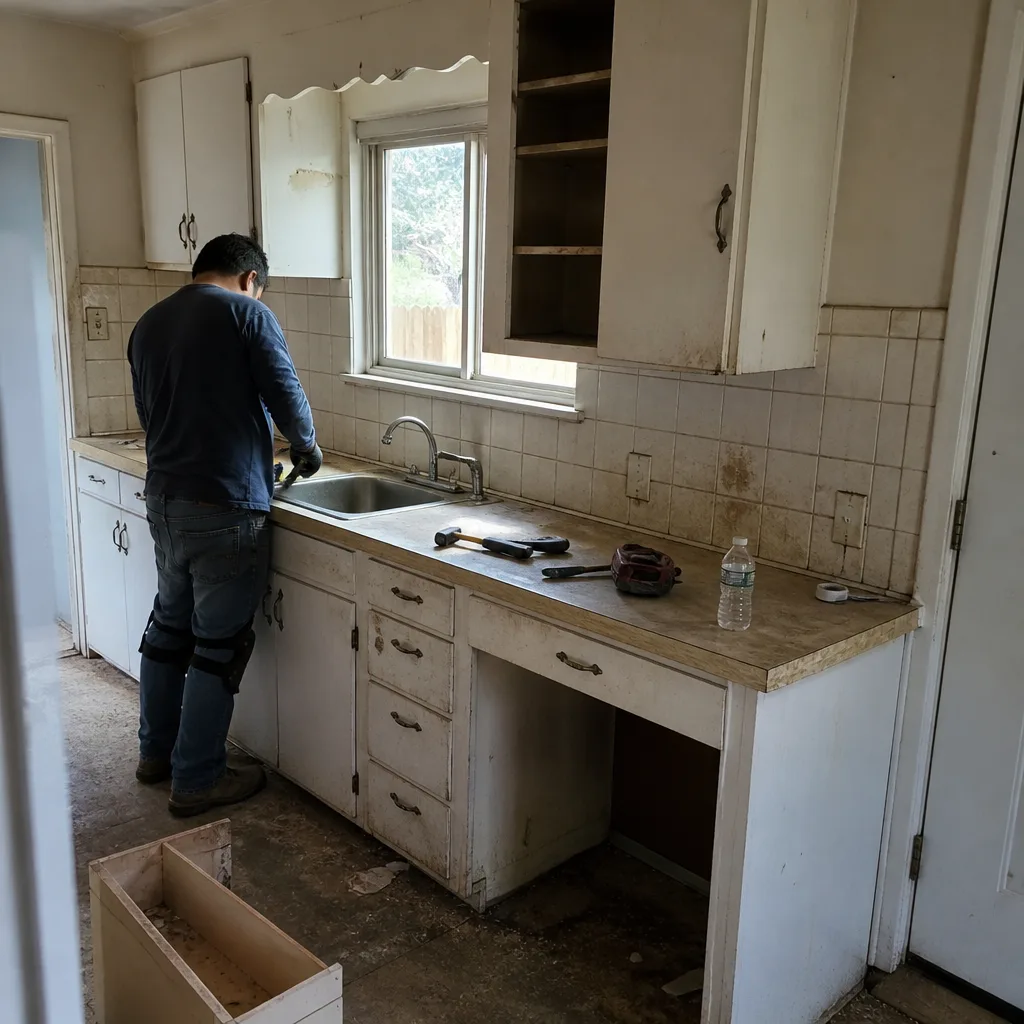
- Non-load-bearing demolition inside an already-permitted space. Tearing out old cabinets in a kitchen that already has a valid permit for the remodel, or removing carpet and tack strip. Wear a proper respirator if the material predates 1980 – Vallejo has a lot of pre-1980 housing stock and asbestos in floor tile and joint compound is real.
- Landscaping, fencing (under the height limit), and hardscape prep. Retaining walls above knee height need engineering; a flat patio does not.
- Caulking, weatherstripping, and energy upgrades that don’t open the envelope.
You’ll notice none of this touches substrate, rough-in, or waterproofing. In our experience, that’s the line most DIYers underestimate. A shower pan that looks waterproofed to the eye and fails behind the tile three years later is a tear-out, not a repair.
How Unpermitted DIY Work Affects Your Insurance
This is the piece almost nobody explains before the pry bar comes out. Standard homeowners policies typically exclude or reduce coverage for damage that traces back to work performed without required permits, or by someone not licensed to do it. That exclusion is usually buried in the exclusions section, but it’s enforceable.
A concrete example from Vallejo: an unpermitted shower pan that leaks into the subfloor and rots a joist. When the homeowner files a water-damage claim, the adjuster asks for the permit and the installer’s documentation. If the shower was self-installed without a permit, the carrier can deny the claim on the basis that the faulty work caused the loss – and it’s a covered-cause argument you probably lose. The same leak in a permitted, contractor-installed shower usually gets paid.
Two more angles worth knowing:
- Disclosure. California requires sellers to disclose known defects and permit status. A permit missing from a file is a disclosure item whether you told yourself it was trivial or not.
- Coverage after a loss. If a fire traces to an unpermitted electrical addition, the exclusion above is exactly the language your carrier will lean on. This is why we tell homeowners to treat the permit as part of the job, not paperwork attached to it.
Finishing a Half-Done DIY Project: Real Cost Scenarios
The most common call we take in Vallejo isn’t “will you do my kitchen” – it’s “I started this and I’m in over my head, can you finish it.” Here’s how that math actually shakes out, based on the scope patterns we see.
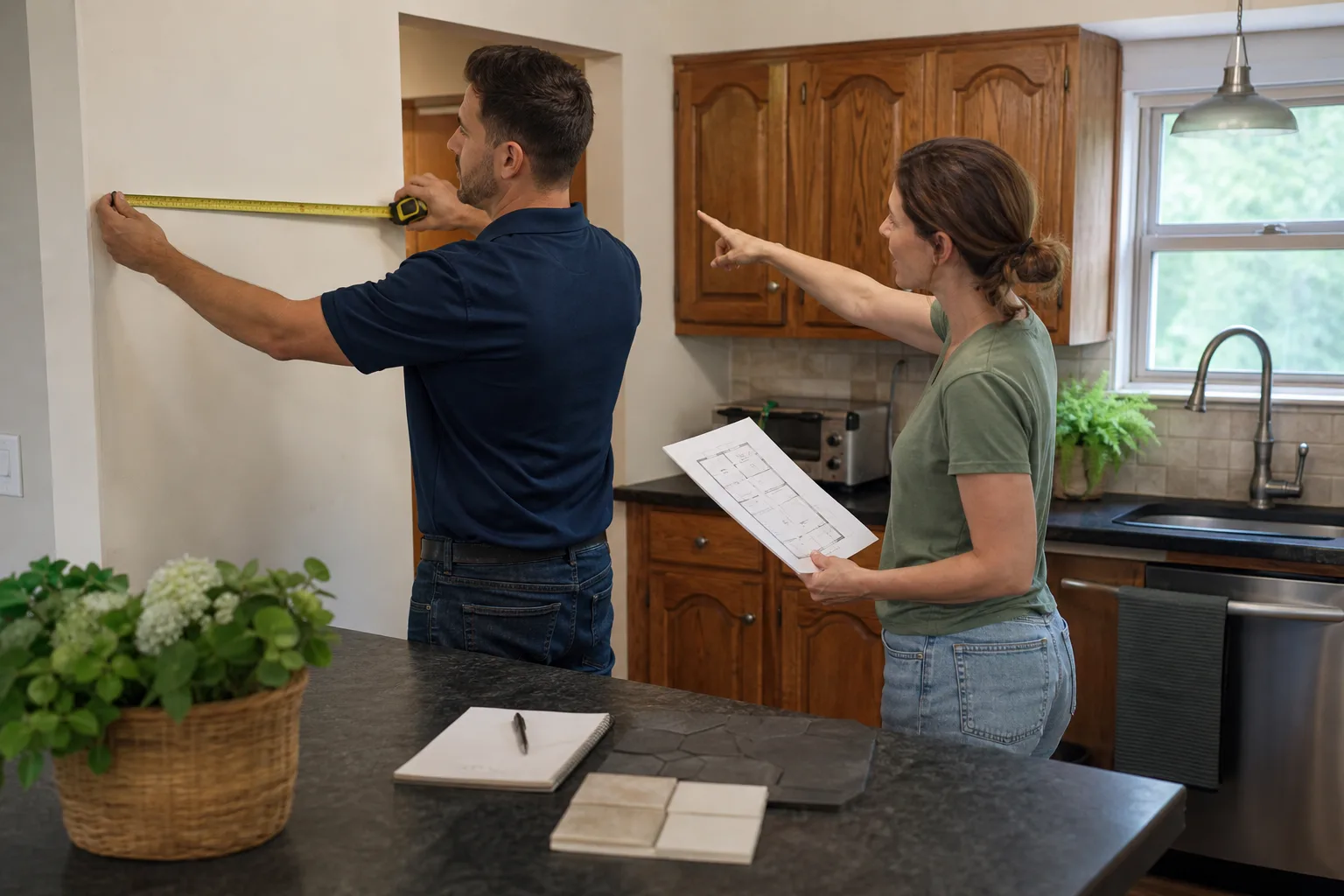
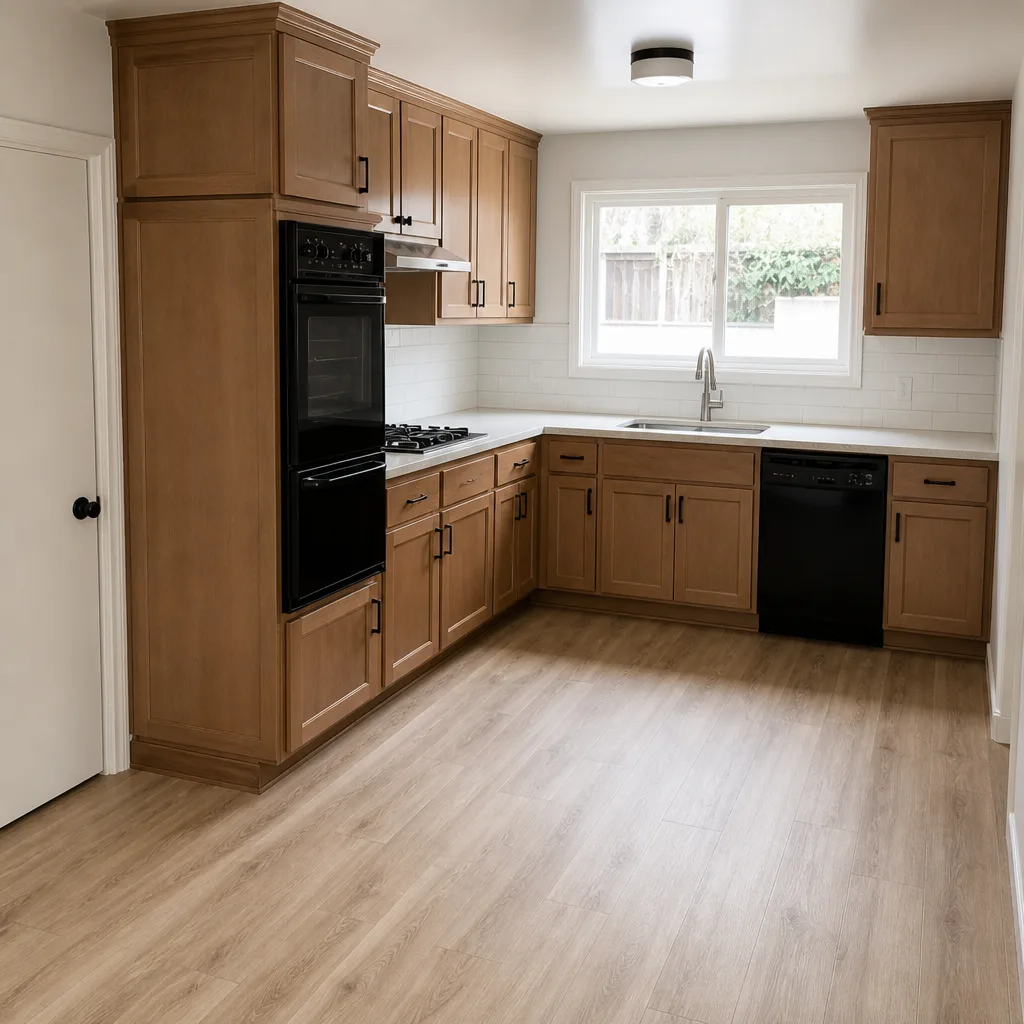
Scenario A: Kitchen torn down to studs, cabinets removed, plumbing and electrical untouched. A contractor can take this over cleanly. The cost is essentially the same as starting the remodel from scratch, because the labor for demo was the cheap part anyway. On a mid-size Vallejo kitchen, finishing versus fresh is often within a few hundred dollars on a five-figure job. The bigger cost is usually re-ordering cabinets to the correct measurements once a pro takes the field dimensions. Getting the order right up front is one reason the Kitchen Remodeling in Vallejo process starts with measurements, not demo.
Scenario B: Shower framed and tiled, waterproofing done by the homeowner. A licensed contractor cannot responsibly warranty that work without tearing it out and redoing the pan. If the waterproofing detail is wrong – and it usually is when done from a YouTube video – the failure shows up two to three years later. Finishing this job means demo and rebuild of the wet area, which can cost more than starting fresh because you’ve also paid material once already.
Scenario C: Electrical rough-in run by the homeowner, walls open. A licensed electrician can inspect, correct, and permit the rough-in before drywall. Cost depends entirely on how much is wrong. This is the one case where “finish it” is often cheaper than starting over, because rough-in errors are visible with the wall open. Once the wall closes, they aren’t.
Permit Puller vs “Owner-Build”: Who Holds the Liability
Some contractors will suggest you apply for the permit as an “owner-builder” so the paperwork comes out in your name. Ask why, and pay attention to the answer. On the permit, you become the responsible party for code compliance and inspections. If the finished work fails an inspection or fails later, the liability traces to you, not the contractor – and your insurance carrier can use that same structure against you in a claim.
A licensed contractor who pulls the permit and signs the application puts their license behind the work. This matters in three ways:
- Code responsibility shifts to the contractor. Corrections are handled before final inspection, not after.
- Insurability. The paper trail supports a claim if something fails.
- Resale. A permit file with the contractor’s name and a passed final inspection is the cleanest thing you can hand a buyer.
Owner-build is legitimate in narrow cases – a homeowner doing their genuine own work, for instance. On a remodel where a contractor is doing the labor, it’s a way of moving risk onto you. The Bradford Remodeling Co Vallejo home page lays out how we handle permits as a matter of course.
The Resale Math: What Unpermitted Work Costs at Escrow
Vallejo’s housing stock is old and the market is watchful. Buyers here have gotten used to asking for permit history, and inspectors flag anything that looks newer than the rest of the house. Here’s how the numbers usually shake out.
- Unpermitted bathroom or shower: buyer demands credit or renegotiates. A $1,400 labor saving can turn into an $8,000 credit because the buyer discounts for the “what else is wrong” risk as much as the actual defect.
- Unpermitted electrical: lenders can require correction before funding. That pushes the timeline, and repairs sit in escrow.
- Unpermitted addition or converted garage: can fail the appraisal, which kills financing on the deal outright.
- Permitted, contractor-installed work: clean transaction, no negotiation on scope, and the year-old guarantee transfers the buyer’s confidence.
There’s also a market angle: kitchens and bathrooms sell homes, and buyers in Vallejo care about finish quality. A permitted, well-specified remodel is a selling point. A DIY bathroom is a discount. If you’re planning a sale within five years, the permit math almost always favors doing it right the first time.
What a Pro Actually Costs vs DIY (Line-Item)
Homeowners ask for a number, so here are realistic ranges, structured the way we quote them. Actual figures depend on scope, material grade, and site conditions.
- Retile an existing shower, pro-installed: $4,500-$9,500 (labor and standard tile). DIY material cost alone can run $1,800-$3,500 – and the waterproofing is the variable that decides whether the job lasts.
- Kitchen cabinet refacing or replacement, pro: $6,000-$18,000 depending on door grade and cabinet line. We specify KraftMaid and Wellborn through documented manufacturer specs, which keeps the number traceable.
- Faucet swap, existing location: $150-$350 pro-installed, plus fixture. DIY material cost is the fixture. If you work with a documented brand like Kohler or Moen, the warranty follows the product, not the installer, which is an advantage for DIY on this specific task.
- Bathroom vanity replacement, existing plumbing: $400-$1,200 pro. Swing this yourself if the drain and supply lines stay put; call a pro the moment the new vanity moves either.
- Interior painting: $2,500-$6,500 pro for a typical Vallejo living area. This is the single best DIY-value item on the list – low permit risk, real labor cost, and a mistake is a repaint, not a rebuild.
One more thing worth stating plainly: any price you get should be written before work starts and should not move at the door. That’s the baseline. When our crew hands over a Vallejo job, it comes with a written price, a documented scope, and a signed 365-Day Done Right Promise in your hand – if the work fails inside that year, we return and correct it at no charge.
How to Decide, Task by Task
Here’s the decision tree we use when a Vallejo homeowner asks what they can take on. Work down the list in order; the first “yes” wins.
- Does the task require a permit? If yes, a licensed contractor should be pulling it. Don’t do the work yourself as a way of avoiding the permit.
- Does the task move or add plumbing, gas, or an electrical circuit? If yes, pro. This is a safety line – gas and panel work especially – and we’d rather point you to a licensed electrician than describe how to do it.
- Does the task change how water is managed? Waterproofing a shower, re-sloping a wet area, or re-flashing a wall. If yes, pro. This is where DIY failures get expensive and slow to show.
- Is the task purely cosmetic and reversible? Paint, hardware, caulk, decor. Do it yourself – we’d rather you save the labor for the parts you can’t safely touch.
- Is the task cosmetic but visible? Cabinet hardware placement, tile pattern choice, trim details. This is where DIY skill and patience actually show up. Take it on if you enjoy it; hire it out if you don’t.
If you’ve gotten this far and still aren’t sure, call. The Bathroom Remodeling in Vallejo page is a good place to see what a permitted bathroom project looks like from the contractor side, and it’ll give you the frame for deciding on your own.
Common Mistakes to Avoid
- Assuming “I’m not moving a wall, so I don’t need a permit.” Moving a sink, adding an outlet, or reconfiguring a shower size all trigger permits in Vallejo even in a room that’s otherwise untouched. The wall isn’t the test.
- Letting the contractor apply as “owner-builder” without understanding the shift. The paperwork ends up in your name, and the liability follows it. Ask before signing.
- Waterproofing a shower from a video. The failure mode takes two to three years to appear, and it’s a full tear-out by the time you notice it. Insurers will deny the claim if the work was unpermitted.
- Skipping the permit to save time. The time saving is real for a week. The escrow cost is real for years.
- Buying cabinets before field-measuring. Vallejo homes have out-of-square walls in almost every pre-1980 kitchen. Order to the measured room, not the drawing.
- Doing your own electrical rough-in and closing the wall. If it’s not inspected before drywall, correcting it later means opening the wall again. Rough-in inspection is cheap; a re-open is not.
- Hiring a contractor who asks for the deposit in cash and won’t put the price in writing. The written price before work starts is the thing that prevents a surprise at the door.
See the difference
 Before
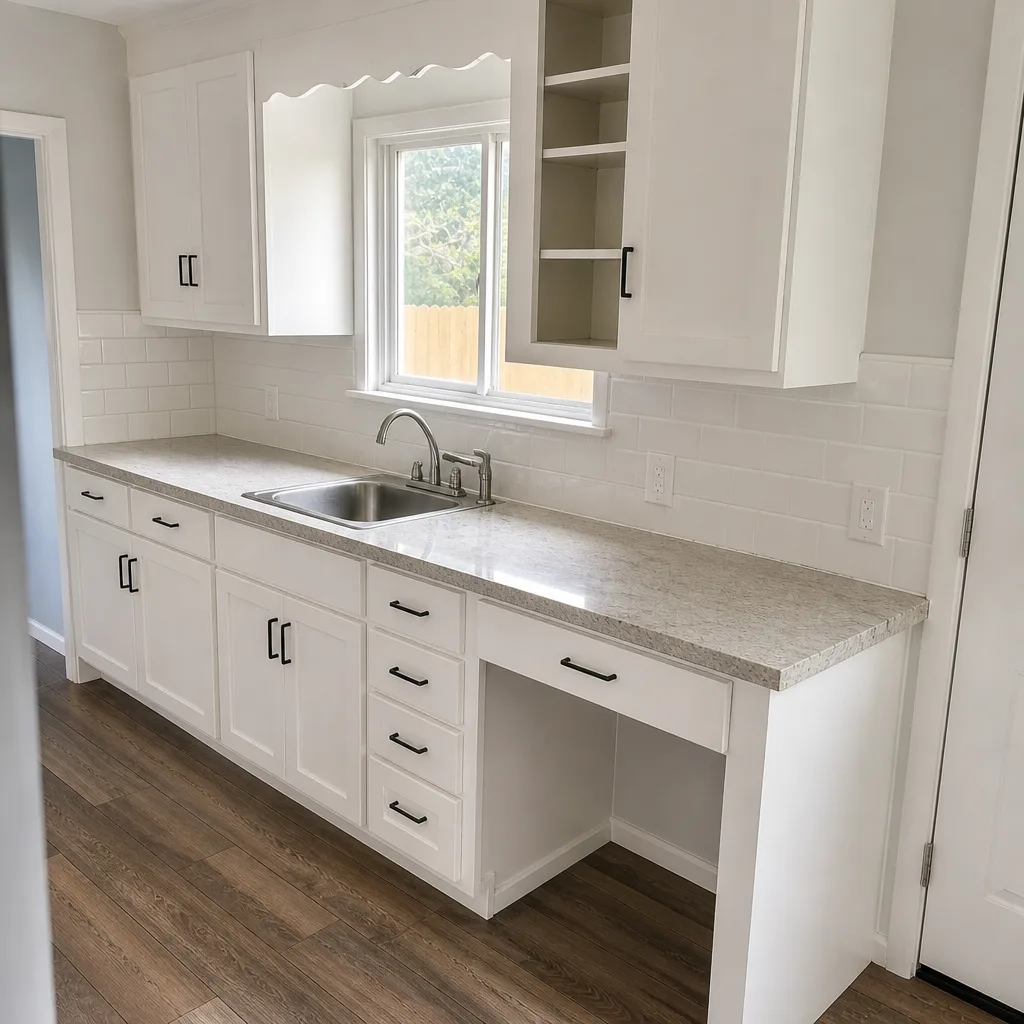 After
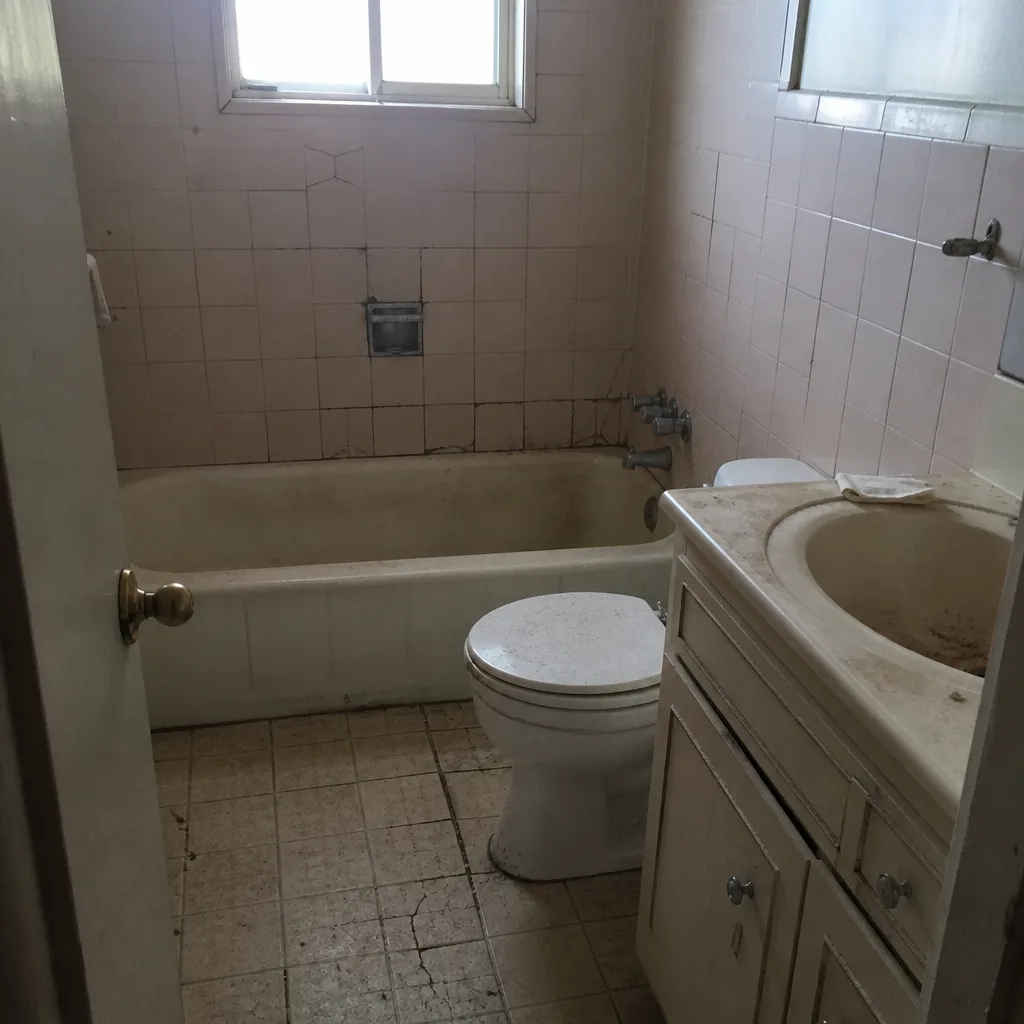 Before
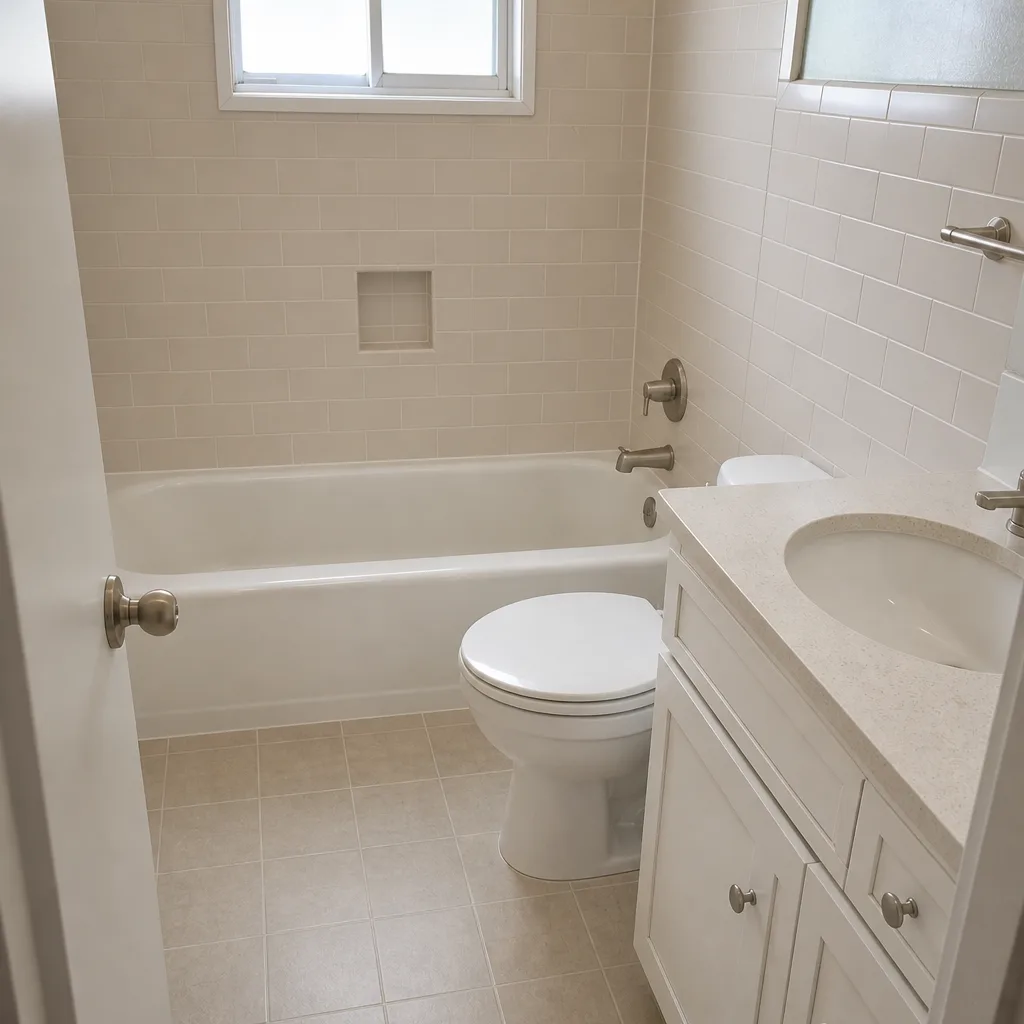 After
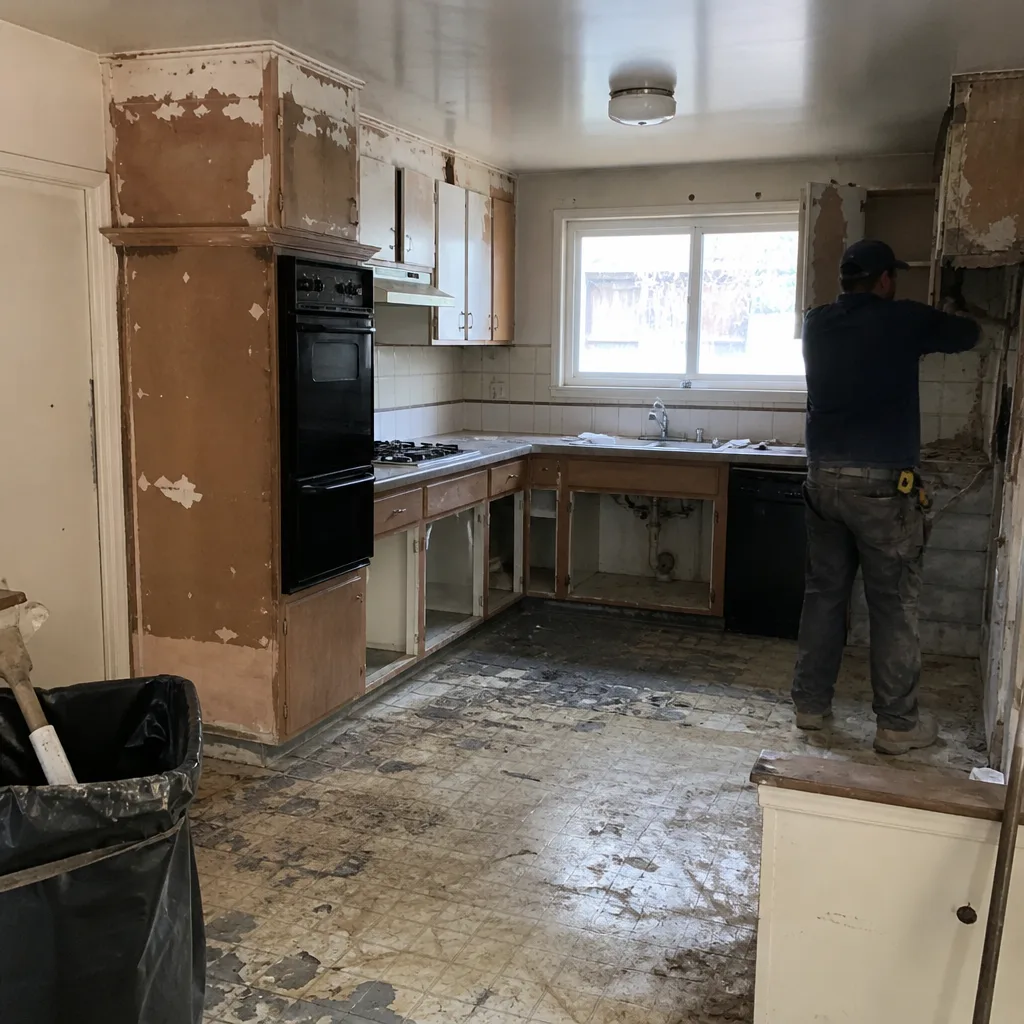 Before
 After
When to Call a Professional
Call a licensed pro when the task requires a permit, touches gas or electrical circuits, changes waterproofing or structural framing, moves plumbing, or changes the footprint of the home. Call before you start, not after – the finishing cost is usually higher than the original price would have been, and the paperwork is harder to unwind mid-stream. If you’re uncertain about permit status on existing work, an inspection and a licensed opinion are worth paying for. Bradford Remodeling Co Vallejo offers free estimates in Vallejo – call (844) 560-4789.
Our technicians have up to 22 years of experience, are background-checked and uniformed, and are on every job from start to inspection. Live person answers the phone, every call. That’s the Garrison Standard, and it’s what “squared away” means at close: clean site, documented scope, signed guarantee.
Frequently Asked Questions
Only cosmetic changes with no plumbing, electrical, or footprint change. Swapping a faucet or a toilet in place, painting, and replacing hardware are all fine. Moving the shower, relocating a drain, adding a circuit, or changing the room’s size requires a permit, and a licensed contractor should be the one to pull it. Finishing a half-done bathroom safely usually costs more than starting permitted, so call (844) 560-4789 for a free estimate before you pick up a tool.
It becomes a disclosure item, and buyers will negotiate for it, ask for a credit, or walk. In the worst case – unpermitted additions or converted garages – the appraisal can fail and financing falls through. Bringing the work to permit before you list is nearly always cheaper than the credit a buyer will demand. We can walk a Vallejo home and tell you what’s permitted and what isn’t; estimates are free.
Often no, or not fully. Standard policies typically exclude losses that trace to unpermitted or unlicensed work, and the adjuster will ask for permits. A permitted, contractor-installed job usually gets covered. Call (844) 560-4789 to talk through your specific situation – the answer depends on scope and policy language.
It depends on where the DIY stopped. If the walls are open and the rough-in is visible, finish is often cheaper than restart. If waterproofing or finish work has been closed in, tearing back to the substrate is usually required – which can cost more than starting fresh. On a typical Vallejo kitchen torn to studs with plumbing untouched, the two totals are close. Call us with a description and we’ll give you a real number, written, before any work starts.
Yes. We pull the permit in our name, coordinate inspections, and pass final before we call the job done. That includes kitchen, bath, and whole-home projects. The written price you’re quoted before work starts doesn’t change at the door, and the completed work carries the 365-Day Done Right Promise – if it fails inside that year, we come back and correct it at no charge. Call (844) 560-4789 for a free estimate.
We install documented brands – Kohler and Moen fixtures, KraftMaid and Wellborn cabinetry, Cambria and Caesarstone surfaces, GAF and James Hardie exterior products, Therma-Tru doors, among others. It matters for one simple reason: manufacturer specs and warranties back our own guarantee, which gives a homeowner a paper trail. If you’re doing a faucet swap yourself, a Kohler or Moen unit with a documented warranty is easier to claim on than an unlabeled one. Call us for a quote on the parts you’re not doing yourself; estimates are free.
The Bottom Line
The DIY-versus-pro choice isn’t really about skill – it’s about permit consequence and resale liability. Painting, hardware, cosmetic swaps in place, and non-load-bearing demo inside a permitted space are safe and worth doing yourself. Anything that requires a permit, moves plumbing or electrical, touches gas, or changes waterproofing or structure is where Vallejo homeowners pay twice. Get the permit, get a licensed contractor’s signature on it, get the price in writing before work starts, and get a guarantee that holds for a year. That’s the whole game.
Ready to know what your project actually costs? Call Bradford Remodeling Co Vallejo at (844) 560-4789 for a free estimate. We’ll look at the scope, tell you straight what needs a permit, and give you a written price before we touch a tool.
Written by the team at Bradford Remodeling Co Vallejo.