Last updated November 17, 2026




Free written scope consultation - allowances, timeline, and change-order rules on paper before a single trade is scheduled
Home Remodeling Warning Signs Every Homeowner Should Know
Three of the most common contractor complaints filed with the California Contractors State License Board in 2023 involved work that was permitted, licensed, and had a signed contract. Read that again. The paperwork was there. The license checked out. The permit was pulled. And the homeowner still ended up with a half-finished kitchen and a lawyer on speed dial.
That tells us the warning signs that matter aren’t the ones most guides list. The real tells show up early, in the language of a bid, in the fine print of a contract, and in how a crew behaves on day nine. This guide walks through each one and gives you a single question to ask that will expose it, so you can apply it in a real conversation. We’re writing it from Vallejo, where the housing stock, the climate, and the local permit desk all shape what a well-run remodel looks like.
Quick Answer
The most reliable home remodeling warning signs are vague scope language in the bid (“demo and rebuild” with no allowances or exclusions), a contract missing the CSLB license number or a mechanic’s lien release, and a payment schedule that asks for more than the legal 10% deposit up front. Mid-project, watch for crews working without a posted permit, subcontractors the general contractor can’t name, and inspection hold points being skipped. Any one of these is reason to slow down before the next check clears.
Styles & brands we work with
- Kitchen remodeling
- Bathroom remodeling
- Home additions & ADU
- Roofing
- Windows & doors
- Driveway & pavers
- Fence
Table of Contents
- Warning Signs at the Bid Stage
- Contract Warning Signs Specific to California
- The Payment Schedule Test
- Mid-Project Behavioral Warnings
- Slow Contractor or Abandoned Job?
- The One-Question Test for Every Warning Sign
- Common Mistakes to Avoid
- When to Call a Professional
Warning Signs at the Bid Stage
Most homeowners compare bids on the bottom-line number. That number is the least useful thing on the page. What tells you whether a bid is real is the scope language around it. A bid that says “remodel kitchen” tells you nothing about what’s coming out, what’s going in, or how allowances will be handled when a homeowner picks a Cambria countertop instead of the builder-grade laminate assumed in the estimate.
Three bid-stage red flags deserve your full attention:
- Vague scope language. Words like “demo and rebuild,” “update,” or “general construction” without a line-item breakdown mean the contractor can define the actual scope later. That definition comes at a change-order meeting, and change orders are where the price moves. When a homeowner has been shown an allowance rather than a fixed price for a surface material, a $4,200 quartz line can become a $9,800 one before anyone signs off.
- No exclusions list. Every honest bid says what it does NOT include. Drywall repair behind old tile, replacement of a rotted subfloor, garage-to-living conversion electrical, and landscaping repair are common exclusions. A bid that lists no exclusions is signaling either inexperience or an intention to bill extras later. Ask for the exclusions in writing.
- Missing allowance line items. Allowances are placeholders: a set dollar amount for tile, fixtures, or cabinetry that gets adjusted when you pick the actual product. A bid without itemized allowances means there’s no agreed ceiling. When you pick a Kohler fixture over a stock unit, the contractor picks the new number. A real bid names each allowance, gives a dollar figure, and states whether overages are billed at cost or with a markup.
In Vallejo, we see this play out most often on the older homes in Heritage District and near the waterfront, where a “simple” kitchen remodel hits original framing that needs sistering and a cast-iron drain that has to be replaced. A bid that didn’t anticipate those contingencies wasn’t a bid. It was a phone number with a dollar sign.
Contract Warning Signs Specific to California
California has some of the most homeowner-protective contracting rules in the country. That works in your favor only if the contract actually reflects them. There are three things to verify before the first signature.
- The CSLB license number appears on the contract. Business and Professions Code section 7030.5 requires a contractor to put their license number on contracts, bids, and advertisements. If it’s missing, the person may not be properly licensed for the work they’re pitching. Check the number yourself on the CSLB website; the lookup takes about thirty seconds and includes the license status, the classifications (B for general building, C-10 for electrical, etc.), and any disciplinary actions on file.
- A mechanics lien release clause is present. A mechanic’s lien is a legal claim against your property by someone who wasn’t paid for labor or materials. When a general contractor uses subcontractors, any of those subs can file a lien on your house if the GC didn’t pay them, even if you paid the GC in full. A well-written contract requires the GC to provide lien releases from every sub and supplier before final payment is released. No clause, no signature.
- The deposit doesn’t exceed the legal cap. California Business and Professions Code section 7159.5 caps the down payment on a home improvement contract at 10% of the total price, or $1,000, whichever is less. Any contractor who asks for 30% or 50% up front is breaking the law, and a homeowner who pays it loses leverage the moment the check is cashed.
Our general contractor in Vallejo intake process was built around these three checks specifically. Every written price Bradford issues includes the license number, an itemized allowance schedule, and a clear lien-release requirement before final payment. That’s The Garrison Standard in practice, not just in the brochure.
The Payment Schedule Test
A payment schedule is the clearest window into a contractor’s cash position, and a contractor’s cash position is the clearest predictor of whether your project finishes. Front-loaded schedules are a warning sign; bloated final payments are a different one. The schedule should follow the work, not precede it.
A healthy California payment schedule looks roughly like this on a $60,000 kitchen:
- 10% deposit at contract signing (the legal maximum): $6,000
- Milestone payment at rough-in completion and inspection: 20% to 25%
- Milestone payment at drywall and cabinet install: 25% to 30%
- Milestone payment at countertop and fixture install: 20% to 25%
- Final payment of 10% to 15% at completion, sign-off, and lien release: $6,000 to $9,000
Notice that final 10% to 15%. That money is your leverage. It covers punch-list items, warranty documentation, and confirmation that every sub has been paid and every lien release signed. If a contractor wants 90% of the money before the job is done, they’re either badly undercapitalized or they intend to leave you no negotiating power at the end. Both are problems. A homeowner in Vallejo who pays 80% by the tile stage has no way to enforce the final punch list when the crew starts drifting to the next job.
Mid-Project Behavioral Warnings
Bids and contracts are documents you read. Mid-project warnings are things you observe. Three are worth flagging immediately:
- No permit posted at the job site. California building departments issue a printed permit card with an inspection record on the back. It gets posted in a visible place, usually in a front window or on an interior wall. If there’s no permit posted and the contractor says it’s “on file at the office” or “not required for this scope,” that’s a stop-and-ask moment. Unpermitted work on a Vallejo property can complicate resale, insurance claims, and future permits; the city’s building division keeps records that a title search will surface.
- Subcontractors the GC can’t name. When a plumber or electrician shows up on site, the GC should be able to tell you their company name, their CSLB license number, and whether they’re covered under the GC’s insurance. If the GC shrugs and says “my guy,” that’s a worker who may not be licensed, insured, or background-checked. You have a right to ask, and a disciplined GC will have the answer ready.
- Inspection hold points skipped. Framing, rough-in electrical, rough-in plumbing, and drywall all have inspection gates before the next phase can legally proceed. A GC who wants to schedule drywall before the framing inspection has passed is asking you to accept a house the city hasn’t signed off on. Every permit card has a place for the inspector’s signature. If it’s blank, the next phase shouldn’t start.
Our kitchen remodeling in Vallejo projects follow the same permit-and-inspection sequence the city requires, and we walk homeowners through the hold points at the kickoff meeting so they know what to look for on the permit card before the crew arrives.
Slow Contractor or Abandoned Job?
There’s a meaningful difference between a contractor who is slow and a contractor who has abandoned your job. The first is frustrating. The second is a legal event with specific rights attached, and the timeline matters.
Under California Business and Professions Code section 7107 and related statutes, a contractor is generally considered to have abandoned a project when there is no work activity and no contact for an extended, unexplained period, or when they have failed to return to complete the job after a reasonable written notice from the homeowner. The exact threshold depends on the contract and the circumstances, but the practical rule homeowners should follow is this: if the crew has been gone for two weeks with no explanation and no re-entry date, you send written notice demanding return to work within a stated window. That written notice is what triggers your legal rights and begins the paper trail you’ll need if you have to file with the CSLB or pursue civil action.
Slow, by contrast, usually looks like something explainable. Materials are back-ordered. An inspection failed and needs a correction. A subcontractor’s schedule slipped. A slow contractor still communicates, still has a two-way conversation, and can give you a specific reason and a new date. An abandoned job has silence. Our team asks one question at every milestone check-in: what’s the next scheduled activity and on what date? A contractor who can answer that is running a project. One who can’t is running out of runway.
The One-Question Test for Every Warning Sign
You don’t need to become a construction attorney to protect yourself. You need one sharp question per warning sign, asked in a calm voice without an accusing tone. Use these as your script.
- Vague scope: “Can you walk me through what’s included in the demolition line and what specifically is excluded?”
- No exclusions list: “What are the top three things that could add cost mid-project, and how much would each add?”
- Missing allowance line items: “For each allowance in this bid, what dollar amount is budgeted, and who pays the overage if I pick a specific product?”
- Contract license number: “Can you point me to the CSLB license number on this contract so I can check it?”
- Lien release: “At final payment, will I receive signed lien releases from every sub and supplier on the job?”
- Front-loaded payment: “Why is the deposit structured this way, and what percentage stays until final sign-off?”
- No posted permit: “Where is the permit card posted, and can you text me a photo of it before demo starts?”
- Subcontractor unknown: “Who are the plumber and electrician on this job, and what are their license numbers?”
- Inspection hold points: “When is each city inspection scheduled, and what date is drywall starting relative to the framing inspection?”
- Abandonment risk: “What’s the next scheduled activity on my project, and what date is it booked for?”
Competent contractors answer these questions without flinching. If any question produces irritation, deflection, or a sales pitch in place of a specific answer, that’s the answer. Every project our team runs from the Bradford Remodeling Co Vallejo home base is set up to make these questions easy to answer, because every one of them is answered by a document we hand the homeowner up front.
Common Mistakes to Avoid
- Choosing the lowest bid without reading the scope. A bid that’s $14,000 under the others is usually $14,000 under because a category was left out. That category will appear as a change order at the exact moment when you can least afford to walk away.
- Signing a contract that doesn’t include a lien release clause. In Vallejo, where many remodels run through a GC and five subs, an uncollected sub can file a lien against your home. It’s a legal claim attached to your title, and it can survive the sale of the house. Get the releases in writing.
- Paying more than 10% before work starts. California caps the deposit for a reason. A contractor who violates the cap in the first check tends to violate other clauses later.
- Accepting verbal assurances about the permit. “We’ll handle the paperwork” means nothing if the card never appears at the job site. See the posted permit before demo begins.
- Ignoring missing hold-point inspection signatures. A clean inspection record on the permit card is what makes your house insurable, sellable, and legal. If drywall went up before the framing inspection signed off, you may be looking at opening finished walls later to cure the problem.
- Not asking for the sub list. Every sub who walks into your house should have a name and a license number attached. Background-checked technicians and named subcontractors are the baseline, and a contractor who can’t produce either is asking you to grant access on trust alone.
- Mistaking fast bids for organized bids. A bid written in 20 minutes with no allowances and no exclusions isn’t efficient; it’s a template. A disciplined bid takes longer and reads like a plan.
When to Call a Professional
If any of the warning signs above are already live on your project, the right next step is a second opinion from a contractor who can read the contract and the permit record with you. Call immediately if a crew has been off the job for more than two weeks without contact, if a contractor has requested more than the legal 10% deposit, if there’s no posted permit card on a job already in progress, or if an inspector has failed the work and the contractor wants to proceed anyway. Those are the moments when the cost of waiting grows fast. Our bathroom remodeling in Vallejo intake begins with a document review of exactly these items, because a bathroom remodel done without a permit and signed inspections is a room you may have to open back up. Bradford Remodeling Co Vallejo offers free estimates in Vallejo and the surrounding area. Call (844) 560-4789 to schedule yours. A live person answers, and the first thing you’ll get is a written scope, not a promise.
See the difference
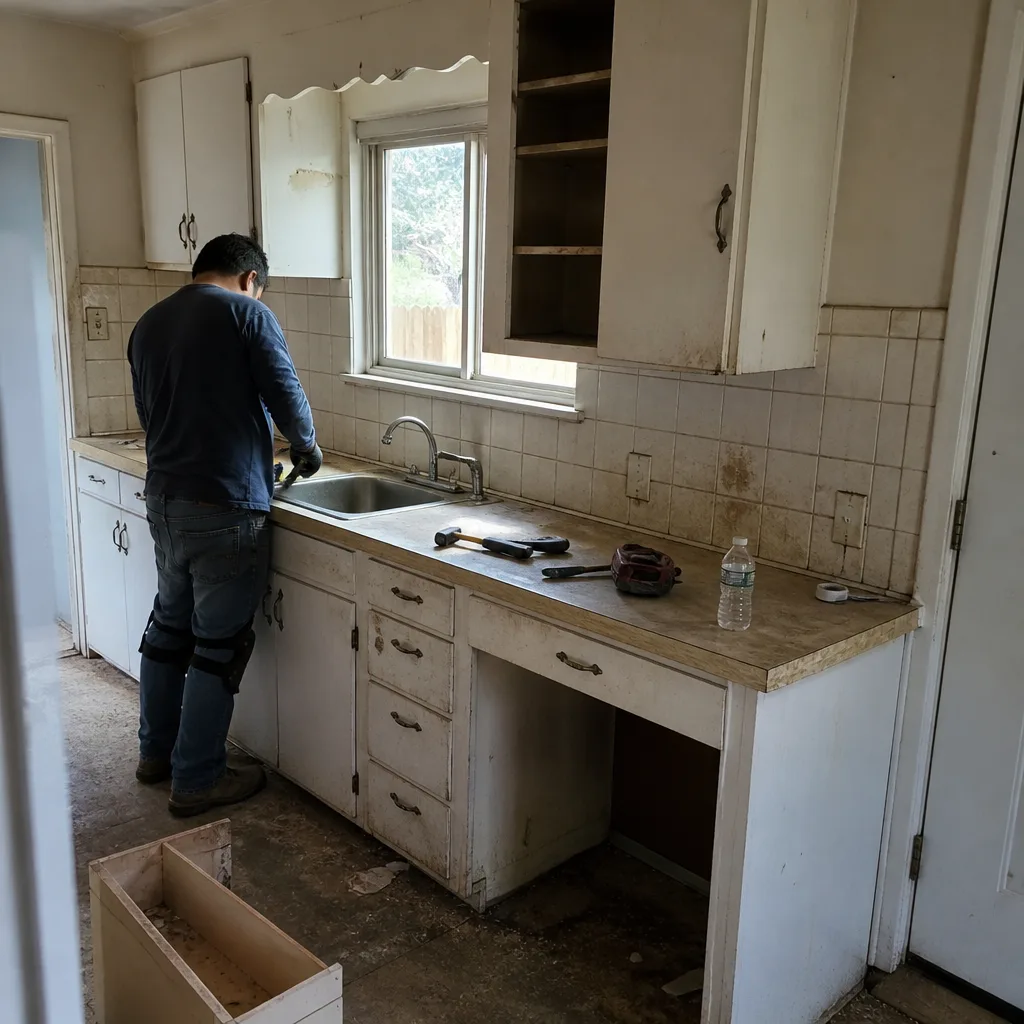 Before
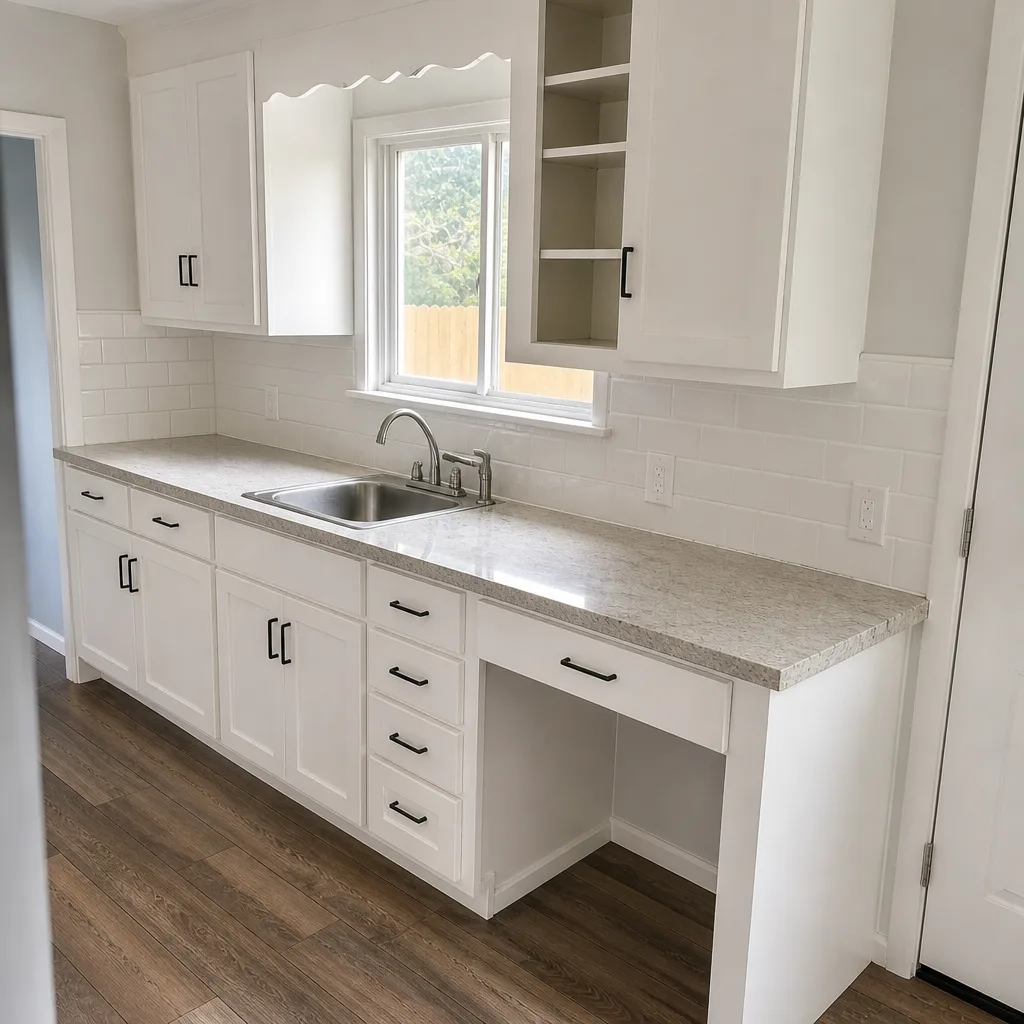 After
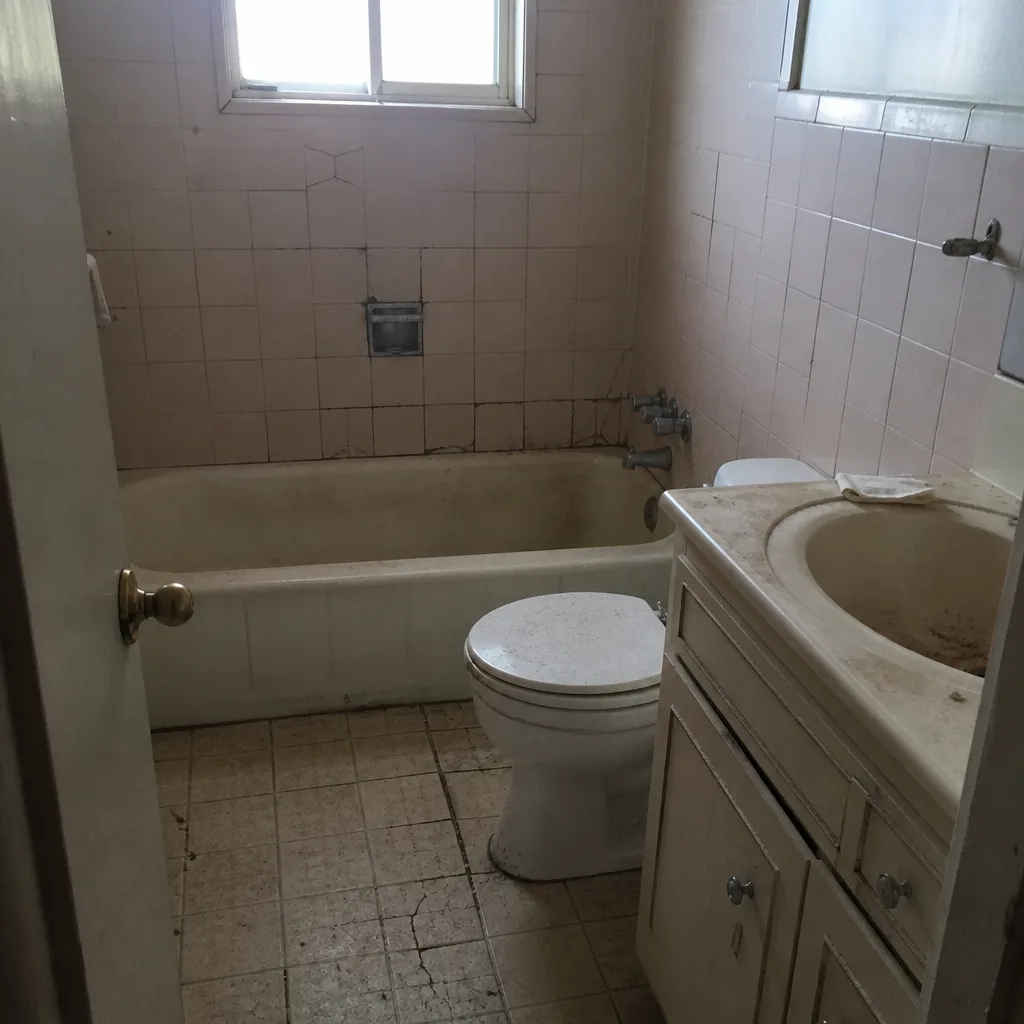 Before
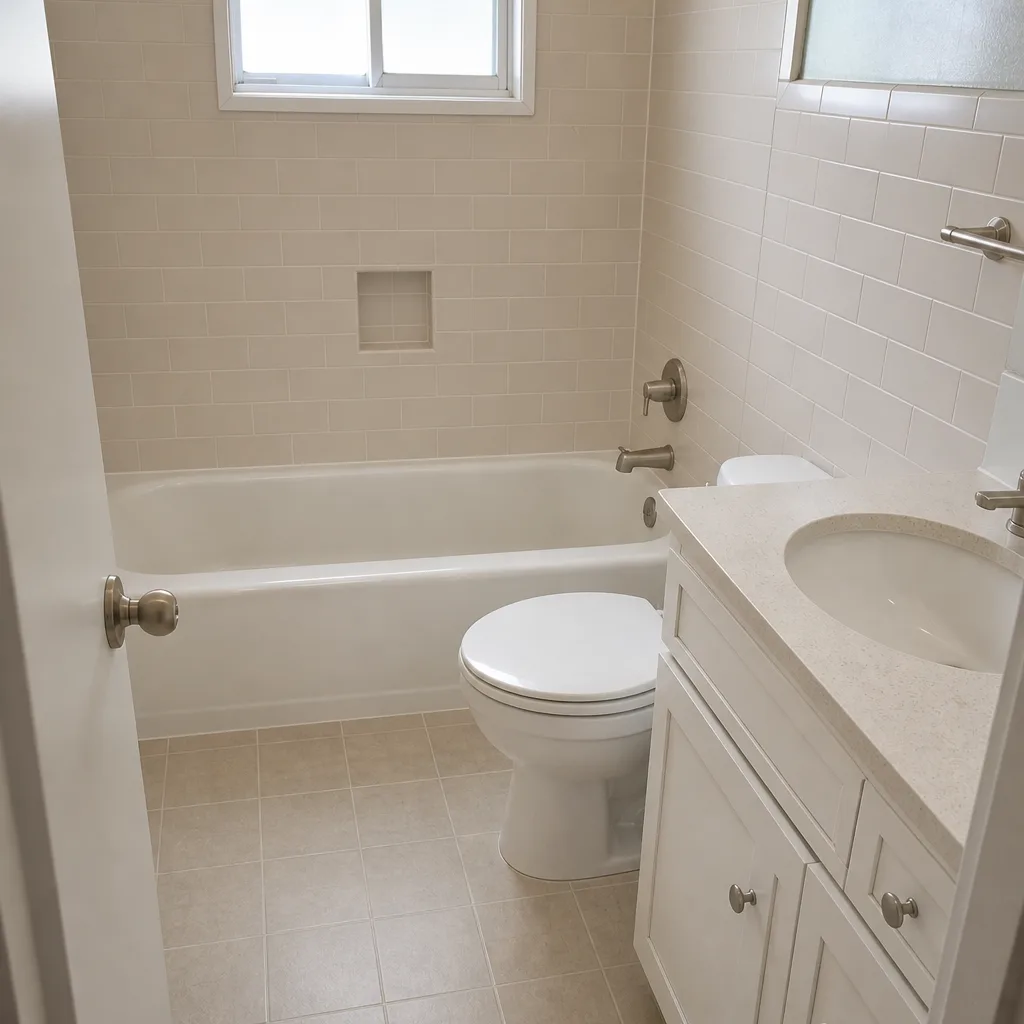 After
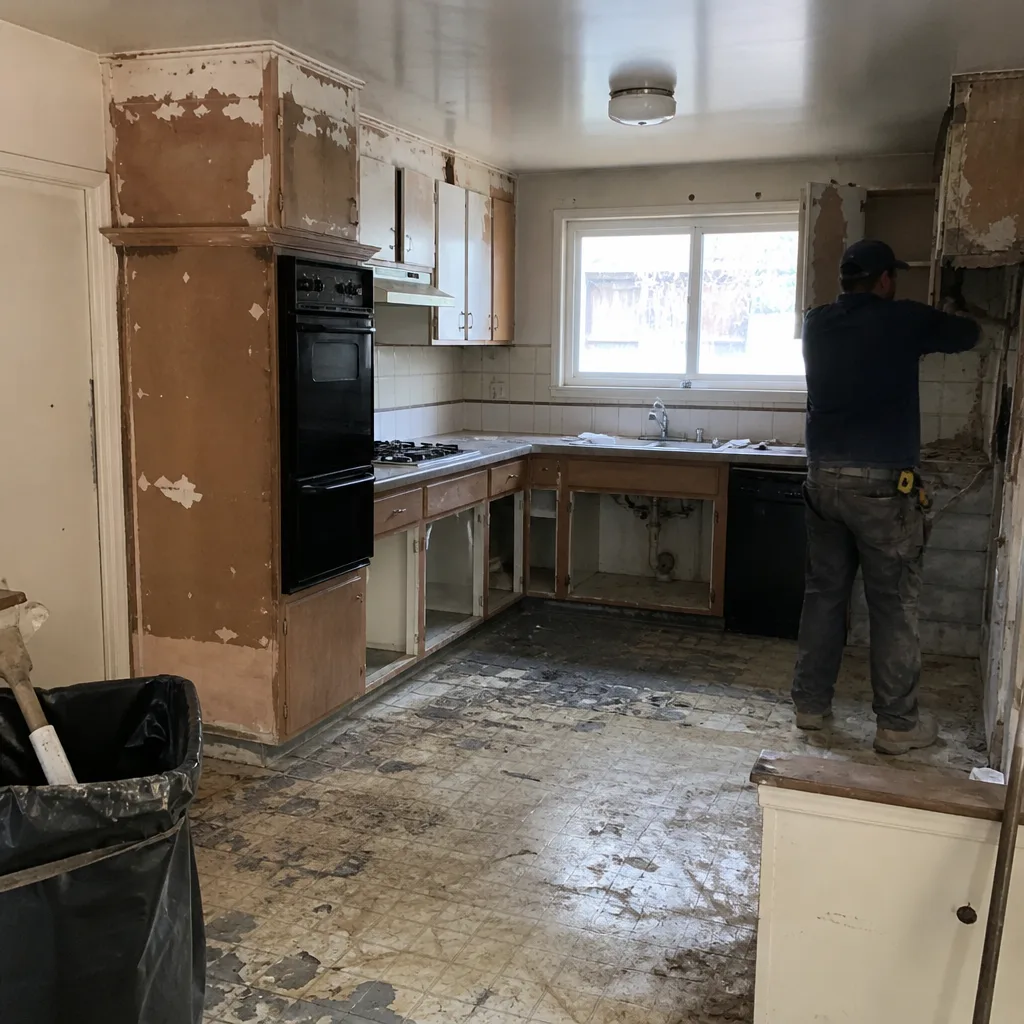 Before
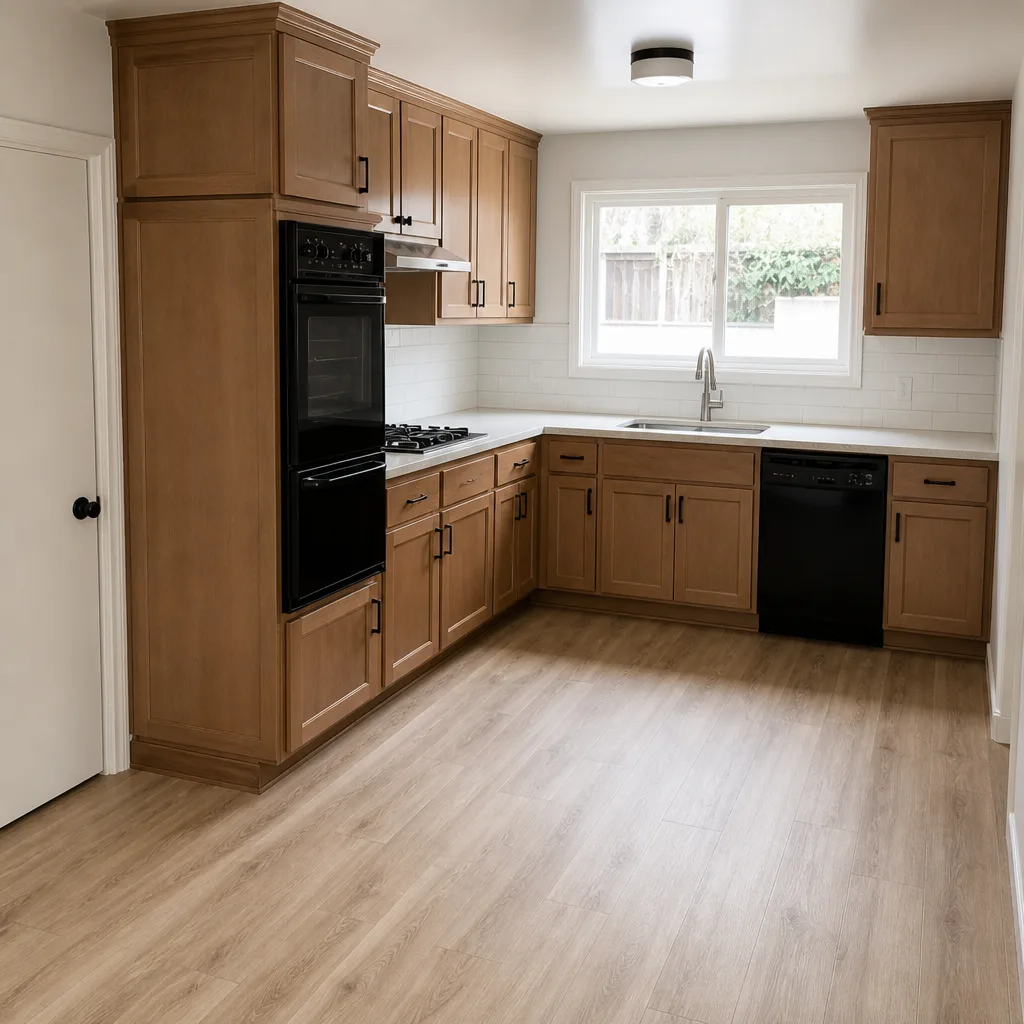 After
Frequently Asked Questions
A vague scope is the biggest warning sign. When a bid says “remodel kitchen” or “update bathroom” without a line-item breakdown, itemized allowances, and an explicit exclusions list, the contractor has kept the actual scope open. That open scope gets filled in with change orders after the first check clears. Ask for line items before you compare prices.
Look up the contractor’s CSLB license number on the Contractors State License Board website. The number should appear on the bid, the contract, and the contractor’s advertising – California Business and Professions Code section 7030.5 requires it. The lookup shows license status, classifications, and any disciplinary actions. A contractor who can’t give you the number is not properly licensed. Call (844) 560-4789 if you want a second look at what you’ve been handed.
The deposit is capped at 10% of the total contract price, or $1,000, whichever is less, under Business and Professions Code section 7159.5. Any contractor who asks for more than that up front is breaking the law and leaving you without leverage if they walk. Get the payment schedule in writing before signing.
Yes, and this is the reason lien releases matter. If a subcontractor or supplier doesn’t get paid by the general contractor, they can file a mechanics lien against your property even if you paid the GC in full. The way to prevent it is a contract clause requiring signed lien releases from every sub and supplier before final payment. If you’re facing a lien already, call (844) 560-4789 for a free review.
A typical Vallejo kitchen remodel with new cabinetry, countertops, and mechanical updates runs eight to twelve weeks once permits are issued. The way to know a timeline is real is the schedule behind it: ask for the next scheduled activity and its date at every check-in. A contractor who can name the next activity and the date is running a project. One who can’t is likely to become a slow-then-silent job.
Under Business and Professions Code section 7107 and related rules, abandonment generally means no work and no contact for an extended, unexplained period, or a contractor failing to return after you send written notice to complete the job. The practical trigger is your written notice. If a crew has been off site for two weeks without explanation, send the notice and start the paper trail. Call (844) 560-4789 if you want help documenting it correctly.
The Bottom Line
Home remodeling warning signs almost never look like cartoon villains. They look like a bid missing an exclusions list, a contract missing a lien release, a deposit that breaks California’s 10% cap, or a crew that stopped showing up without a word. Every one of them is detectable before the first check is written and every one of them can be defused with a single direct question. The discipline that separates a well-run remodel from a cautionary tale is documentation: a written scope, a written price, a posted permit, a signed guarantee at close. Our team built The Garrison Code around exactly that sequence, and every completed project leaves behind a signed written guarantee covered by the 365-Day Done Right Promise. If your project has already drifted, call (844) 560-4789 for a free estimate and a second set of eyes on the paperwork. The number is answered by a live person around the clock, and the written price arrives before any work starts.
Written by the team at Bradford Remodeling Co Vallejo.