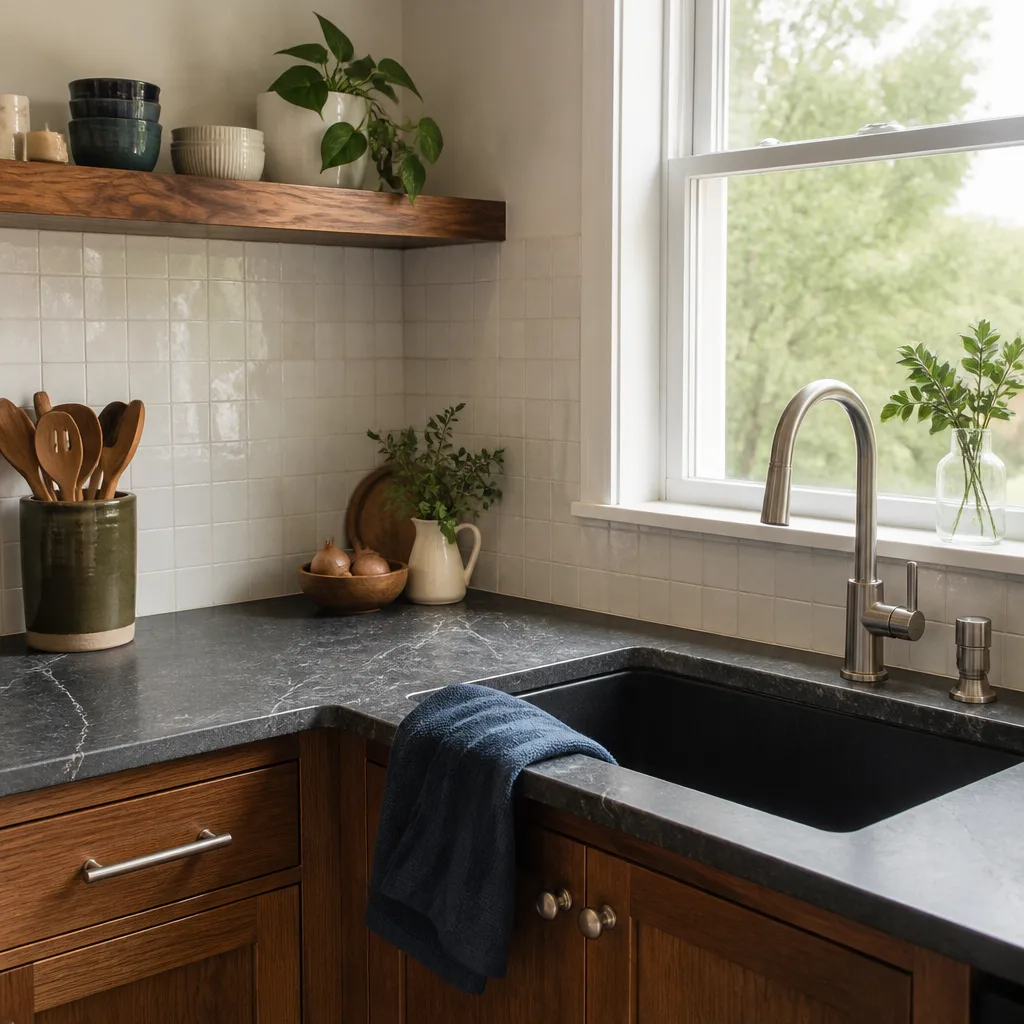
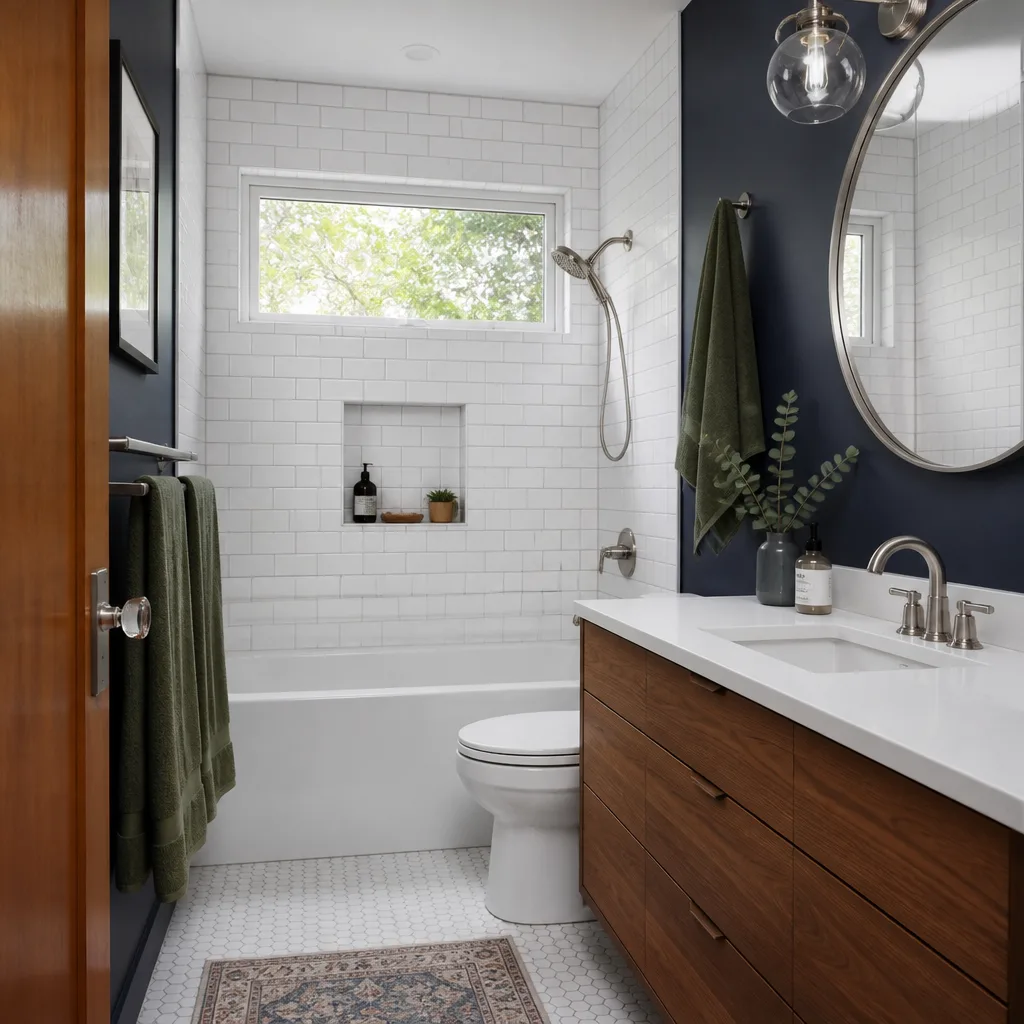
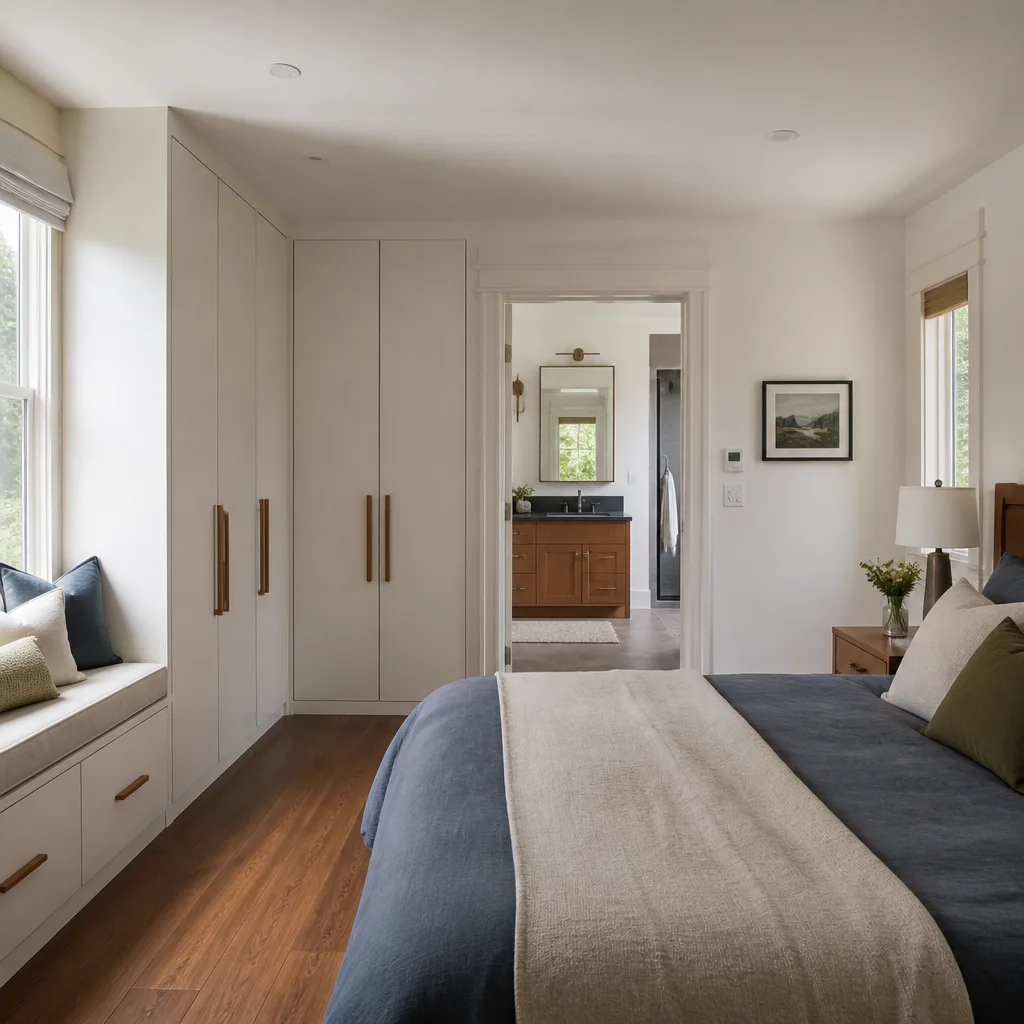
Free written scope consultation - allowances, timeline, and change-order rules on paper before a single trade is scheduled
Belgard Home Additions & ADU: The Vallejo Owner’s Guide
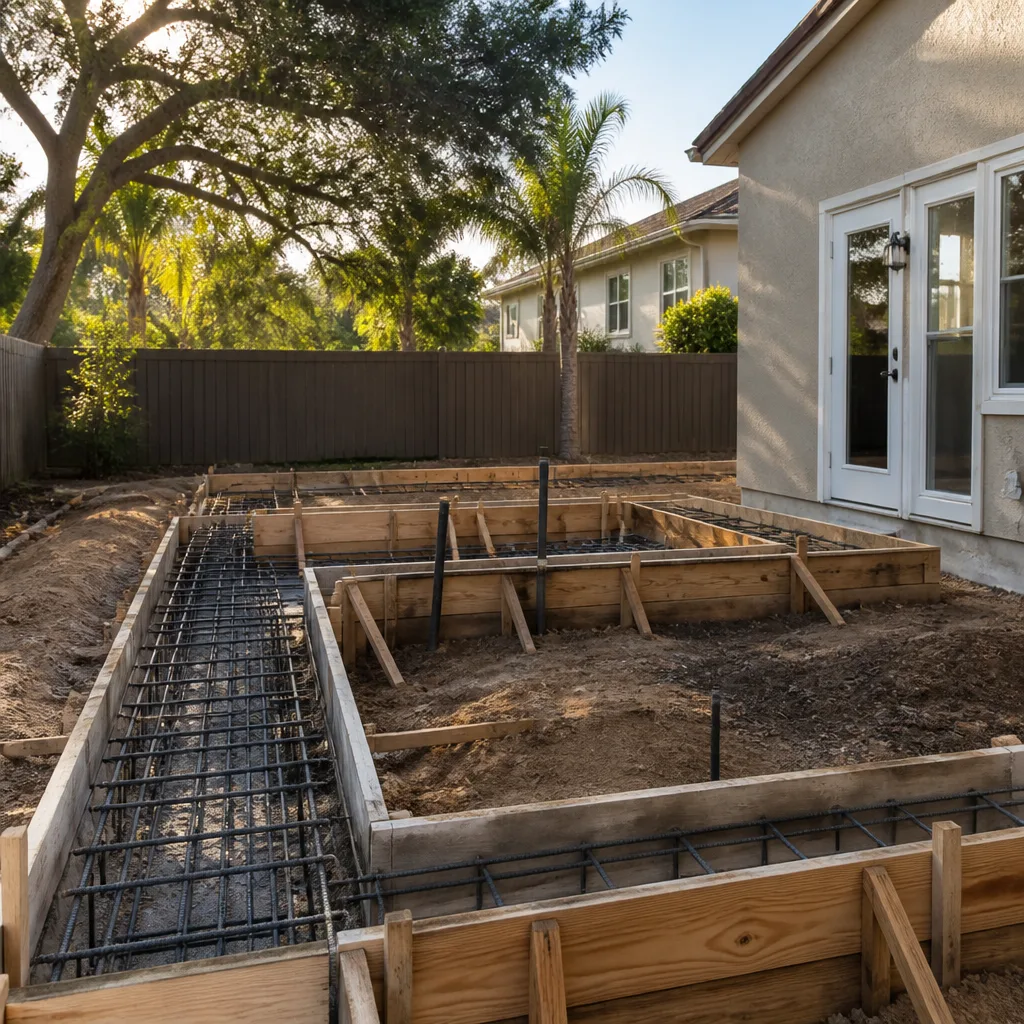
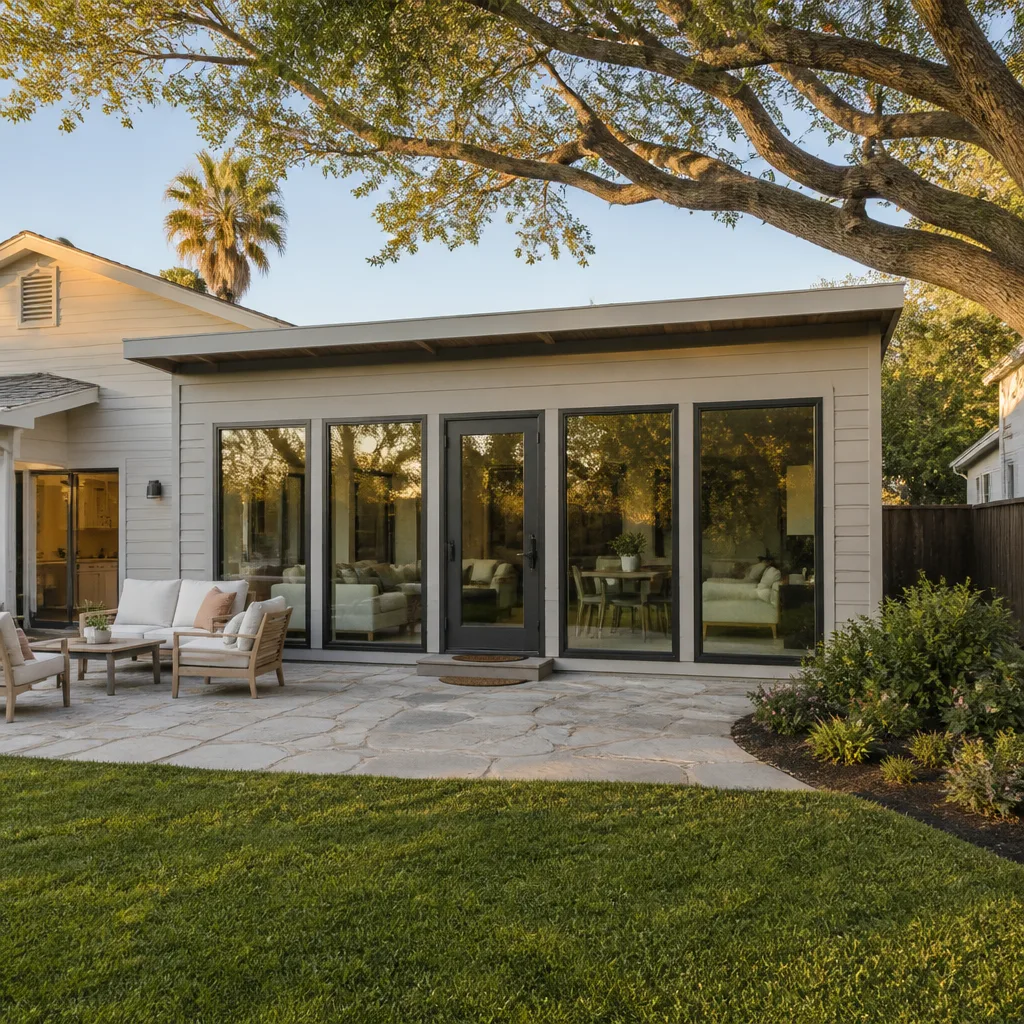
We build Belgard-specified home additions and ADUs in Vallejo, and a finished addition typically runs $45,000 – $130,000; a detached ADU is a separate budget, usually $90,000 – $220,000. That’s the installed number, written down before work starts, not a ballpark handed to you at the door. What you’re reading now is the parts-and-assembly side of that work: the Belgard paver, wall block, and hardscape component that anchors your addition’s base, entry walk, or ADU pathway, and what happens when one of those units starts to fail.
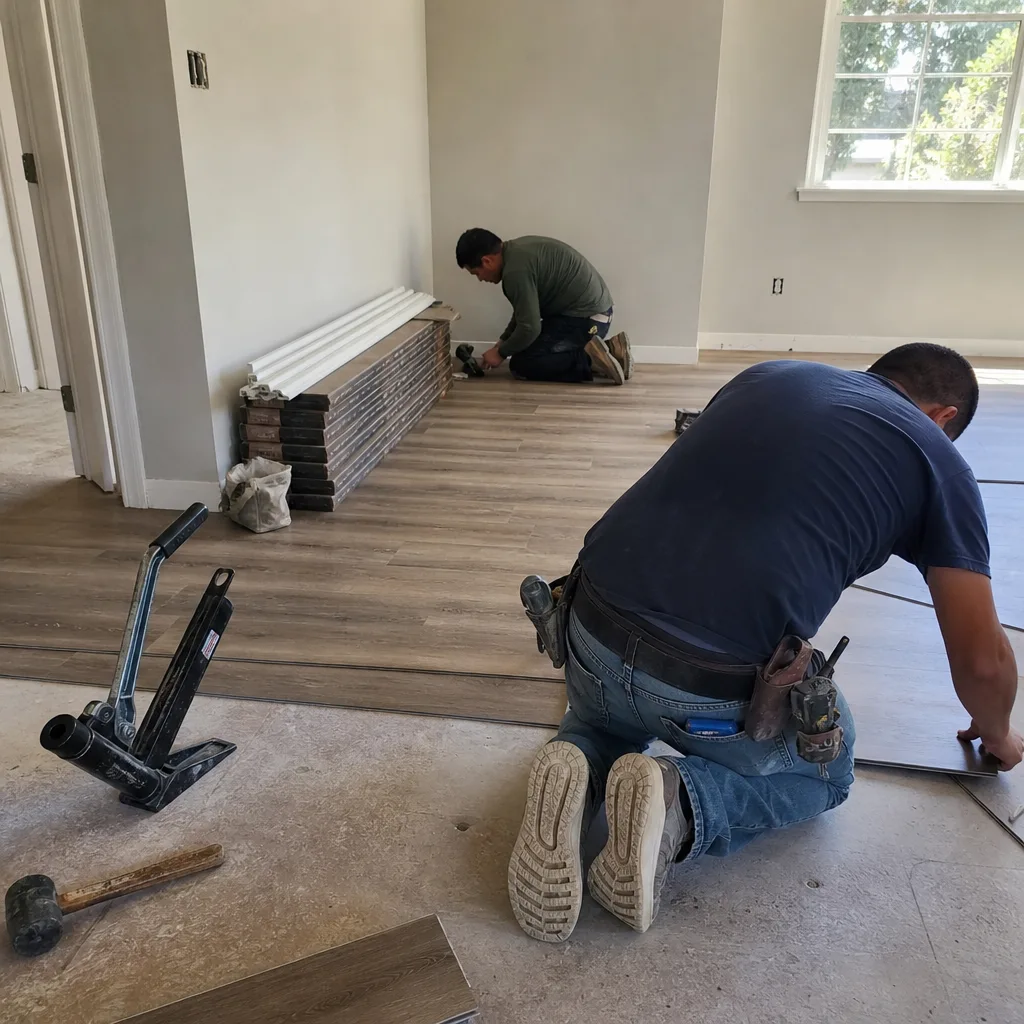
Owners in Vallejo usually find the problem the same way. A paver at the addition’s threshold rocks underfoot after the winter rains. Wall block on a planter retaining wall at the ADU entry starts to lean. Joint sand washes out and the units begin to spread at a corner. Sometimes it’s a single cracked unit; sometimes it’s a whole run of them, and the pattern tells you which. Belgard makes segmental retaining wall systems, pavers, and wall caps, and each has its own failure signature. Once you see which one you’re looking at, the repair path gets a lot shorter.
We’re an independent provider, not affiliated with Belgard, so what follows is an honest read on how their products wear, what fits what, and what a real fix costs in Vallejo.
Which Belgard Models This Applies To
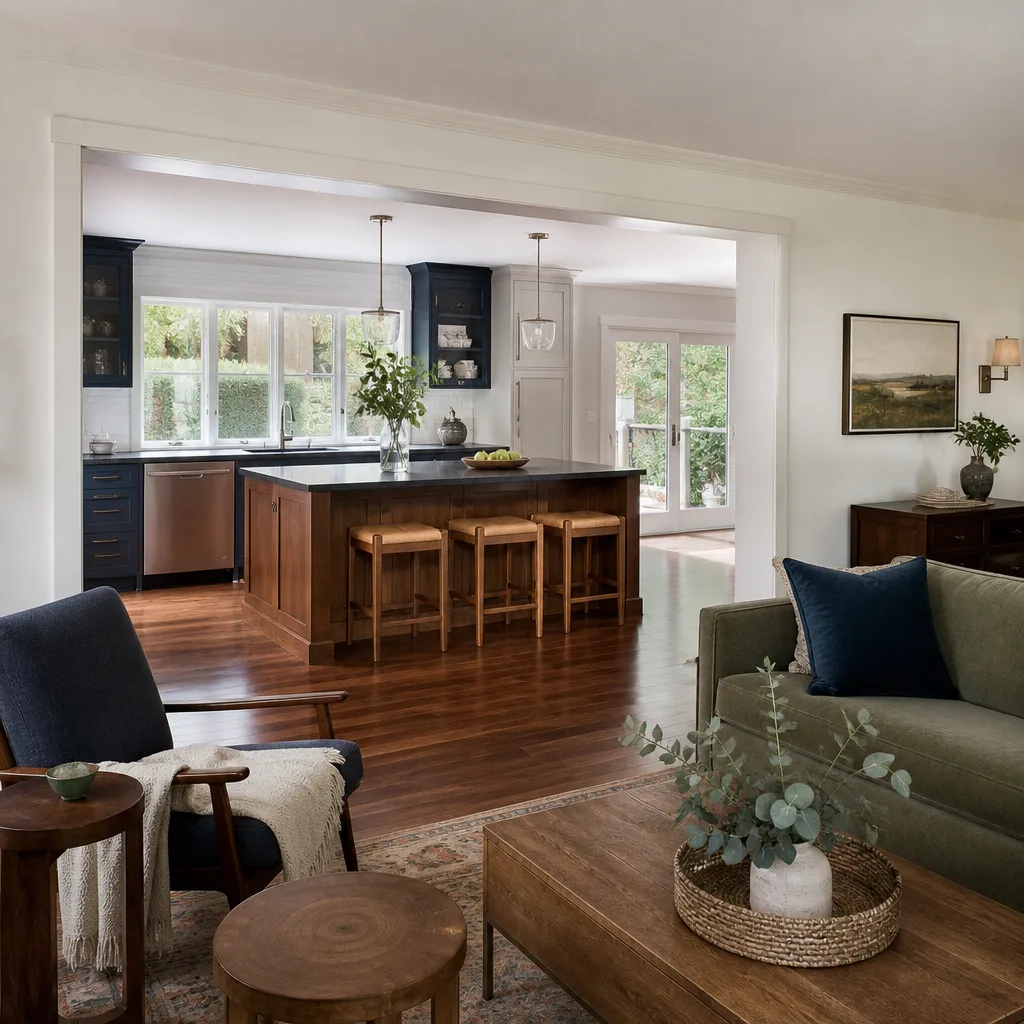
Belgard’s hardscape line splits into a few families, and the one you have changes everything about the repair. Their segmental retaining wall systems (the block-type wall lines) are the usual culprit behind leaning planter walls and ADU entry steps. Their paver lines cover walkways, patios, and driveway aprons that tie into an addition’s footprint. Wall caps sit on top of the retaining units and are the first thing to come loose when the adhesive fails.
To identify exactly what you have, look for the manufacturer stamp on the underside or back of a loose unit – Belgard stamps most of their block and paver products. Measure the unit’s length, width, and height to the sixteenth of an inch; a half-inch difference is the gap between a true match and a unit that won’t seat. Check the color and finish name too, since Belgard runs several face styles that look identical in photos and don’t in person.
The OEM-versus-aftermarket call matters here. A genuine Belgard replacement matches the color and face of your existing run; a generic paver or block often doesn’t, and mixing them shows. But for a hidden retaining course or a substrate layer nobody sees, a quality equivalent holds up fine and costs less. We tell you which is which before we order anything. Our technicians have up to 22 years of experience matching hardscape units to existing runs, and we’ve seen what happens when someone guesses.
Styles & brands we work with
- Kitchen remodeling
- Bathroom remodeling
- Home additions & ADU
- Roofing
- Windows & doors
- Driveway & pavers
- Fence
Signs Your Belgard Home Additions & ADU Is Failing
- Units that rock or shift underfoot. This usually means the base aggregate under the paver settled or wasn’t compacted to depth. Vallejo’s clay-heavy soils expand and contract with the wet-dry cycle, and a shallow base gives way first.
- Wall block leaning or bulging outward. A retaining wall that bows has lost its geogrid reinforcement or its drainage behind the wall has clogged. Water pressure builds, and the wall moves.
- Joint sand washing out between units. Heavy winter rain scours the joints and the units begin to spread. Left alone, the gaps widen and the pavers loosen.
- Wall caps coming loose or cracking. Adhesive failure, usually from freeze-thaw movement at the cap joint. The cap lifts and water gets underneath.
- Efflorescence – the white chalky bloom on the face. Mineral salts migrating to the surface. Sometimes cosmetic, sometimes the sign of moisture trapped in the base.
Each symptom points to a different fix. A rocking paver is a base problem. A leaning wall is a drainage and reinforcement problem. Don’t let one become the other.
See the difference
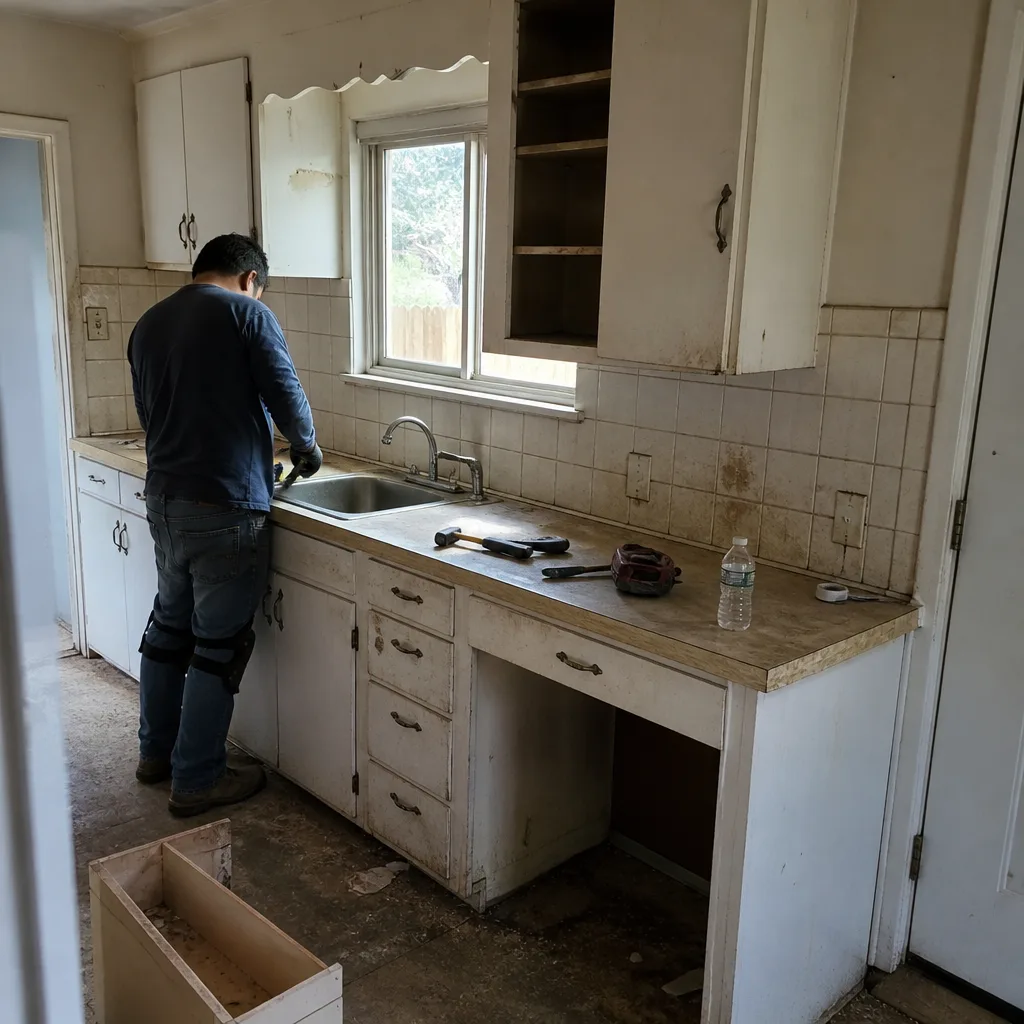 Before
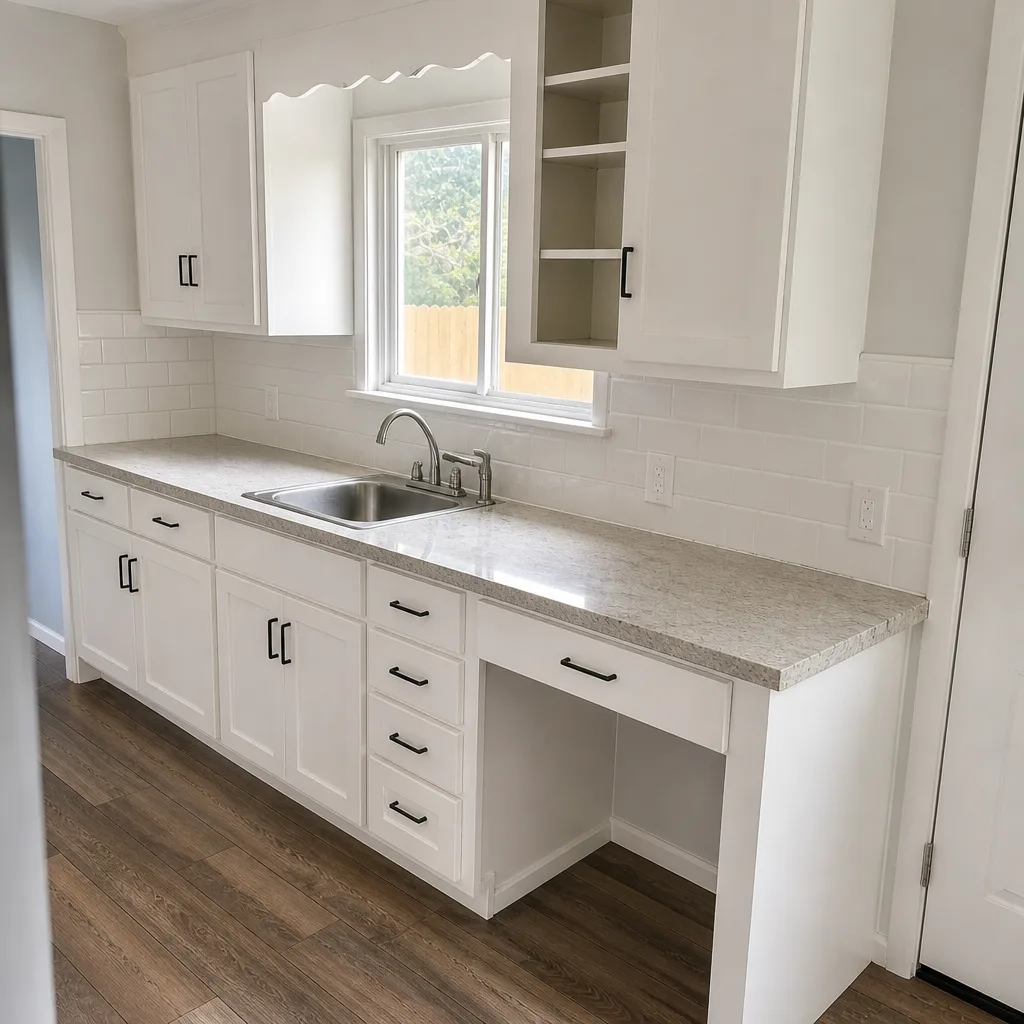 After
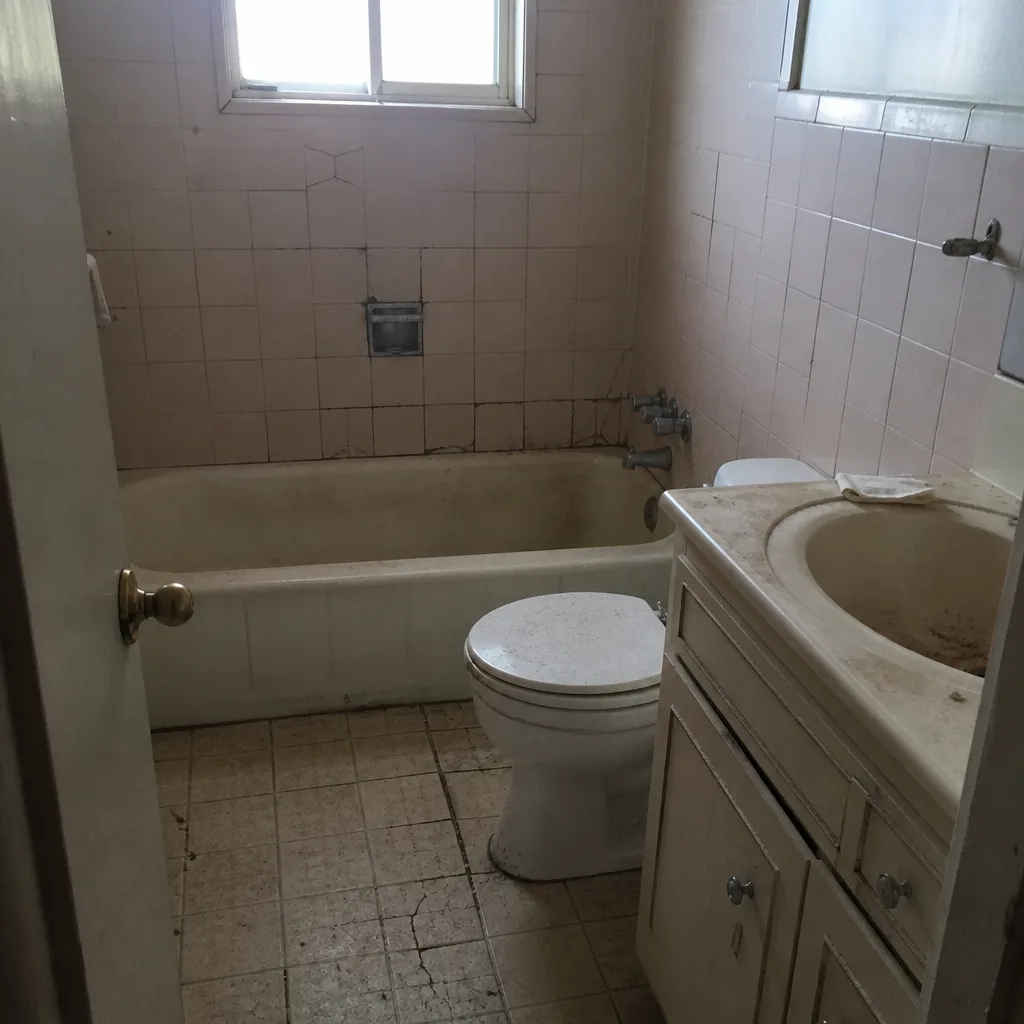 Before
 After
 Before
 After
Replacement Cost & What’s Included
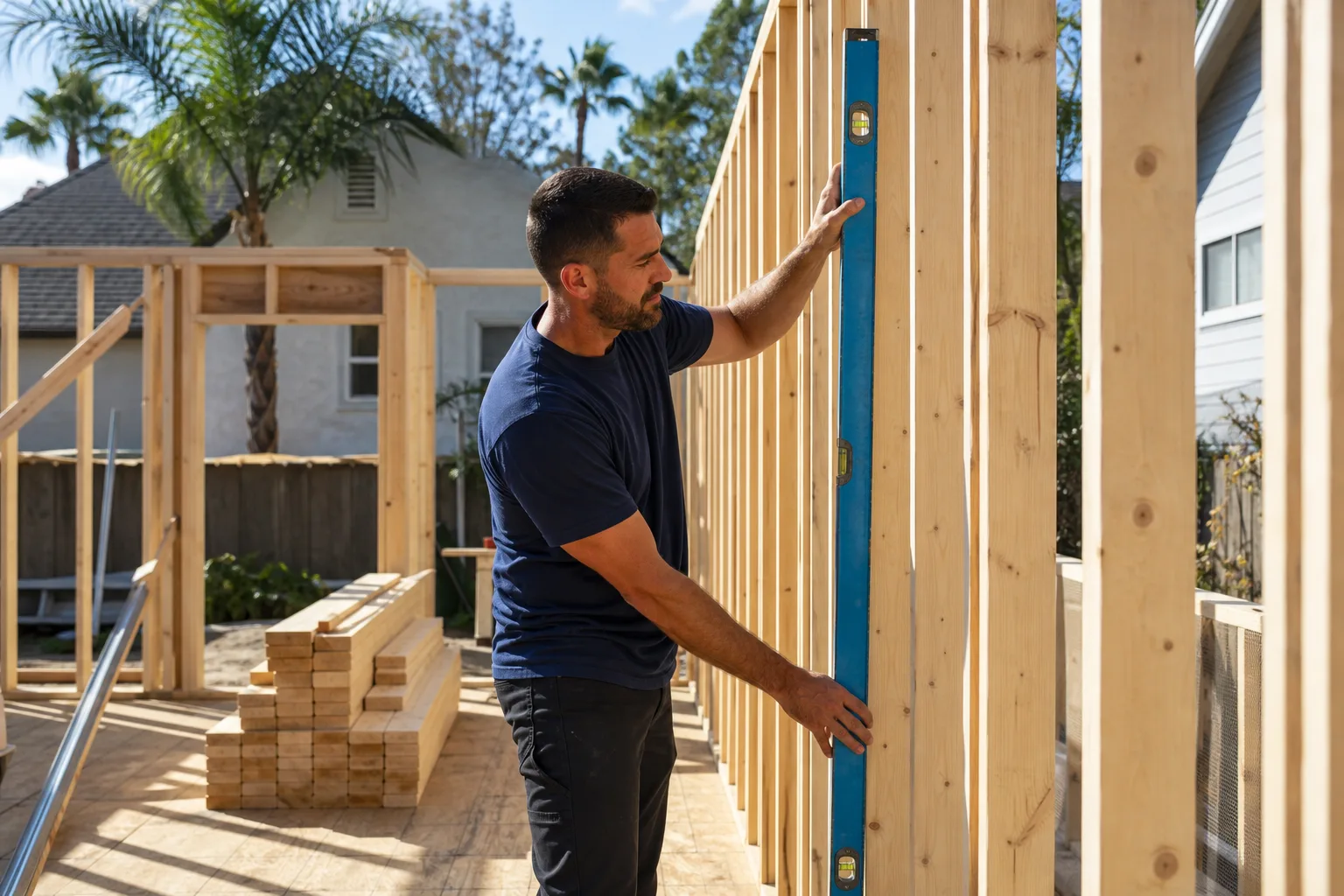
A home addition in Vallejo runs $45,000 – $130,000 installed, and an ADU runs $90,000 – $220,000. Those ranges cover the structure and the hardscape tie-in. If what you actually need is a smaller, targeted hardscape repair under an addition or ADU, the pricing tracks the scope: a paver walk or entry apron under your addition sits inside our paver patio installation range of $3,500 – $11,000, and a paver driveway serving a new ADU falls in the $7,000 – $18,000 band.
What drives the number: the square footage, whether the base has to be excavated and rebuilt, how much of the existing Belgard run gets matched versus replaced, and whether permits are needed for a structural tie-in. We don’t pull parts off a truck – nobody does, and anyone telling you otherwise is improvising. We order the matched Belgard units and the substrate, and you get a written, line-item price before any work starts. Every job carries the 365-Day Done Right Promise: a written one-year guarantee, and if the work fails inside that window, we come back and correct it at no charge.
DIY or Call Us?
Some things you can check safely. Walk the run and mark every rocking unit with chalk. Look behind a retaining wall for clogged drain gravel or a blocked outlet. Photograph the manufacturer stamp and measure the unit. That information saves time and money on the repair call.
What you shouldn’t do is rebuild a retaining wall above about knee height, or excavate under an addition’s footprint, on your own. A segmental wall that’s already leaning is carrying soil load and water pressure; pull a unit and the wall can come down. If your addition or ADU tie-in involves cutting into a footer, drainage, or a structural connection to the house, that’s permit territory and it’s not a weekend job. Start with a free written estimate and a scope you can read – call (844) 560-4789 and a live person will pick up.
FAQs
Properly installed Belgard pavers and wall block commonly last 20 to 30 years, but Vallejo’s wet-dry clay soil and winter rain shorten the life of the base and the joint sand well before the units themselves fail. Expect to reassess base compaction and joint sand every 5 to 8 years. Call (844) 560-4789 for a free estimate on yours.
Often, yes. A single rocking paver or a loose wall cap can sometimes be reset and re-sanded without matching a whole run, and joint-sand loss is a maintenance fix, not a replacement. If the base is failing or a wall is bulging, repair alone won’t hold. Call (844) 560-4789 and we’ll tell you which you’re facing.
A single-unit reset is a same-visit repair; a run replacement or a base rebuild depends on square footage and how much of the footprint has to be opened up. A paver walk or apron is usually a few days; an addition tie-in is scheduled as part of the larger build. Call (844) 560-4789 for a range specific to your job.
We check the stamp and measurements against Belgard’s current product line, confirm color and face, and order the matched unit through a documented material vendor – the same roster we draw from for KraftMaid, Cambria, and Silestone. No guessing from a photo. Call (844) 560-4789 to lock in the right part.
Give us the stamp, the measurement, and a photo of the failure, and we’ll put a written price in your hand before anything moves. That’s The Garrison Standard at work – a by-the-book crew, a documented scope at close, and a signed guarantee you keep. Call Bradford Remodeling Co Vallejo at (844) 560-4789 for a free estimate.
Written by the team at Bradford Remodeling Co Vallejo.