
Free written scope consultation - allowances, timeline, and change-order rules on paper before a single trade is scheduled
Cover Home Additions & ADU: The Vallejo Owner’s Guide
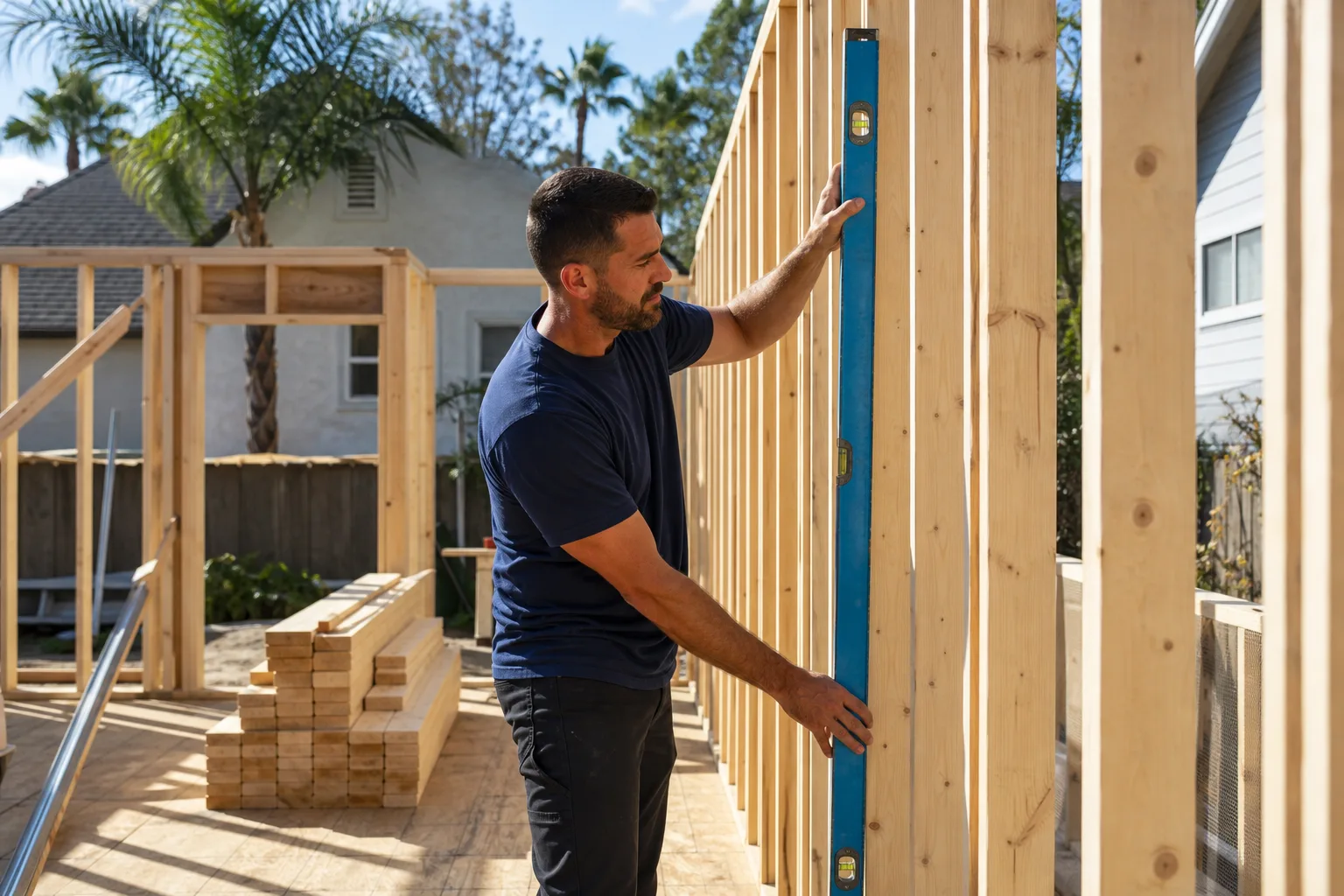
A Cover-compatible home addition in Vallejo runs $45,000 – $130,000 installed, and an attached or detached ADU runs $90,000 – $220,000 depending on size, foundation, and utility runs. These are planned builds, not same-day work: a typical addition takes several months from permit to final inspection, and we schedule every one of them through a written scope and a written price before a tool comes out. We’re an independent contractor and not affiliated with Cover; we simply build to the specs their system calls for.
Most Vallejo owners don’t discover a failing addition component by reading a manual. They find it when a door in the new space stops latching square, when a hairline crack opens along the seam where the addition meets the original house, or when the first hard rain of the season pushes water past a flashing detail that looked fine in July. On an ADU the tell is often earlier: a subpanel that trips when the dryer and the microwave run together, or a slab edge that’s started to settle against the Bernal Heights clay.
Which Cover Models This Applies To
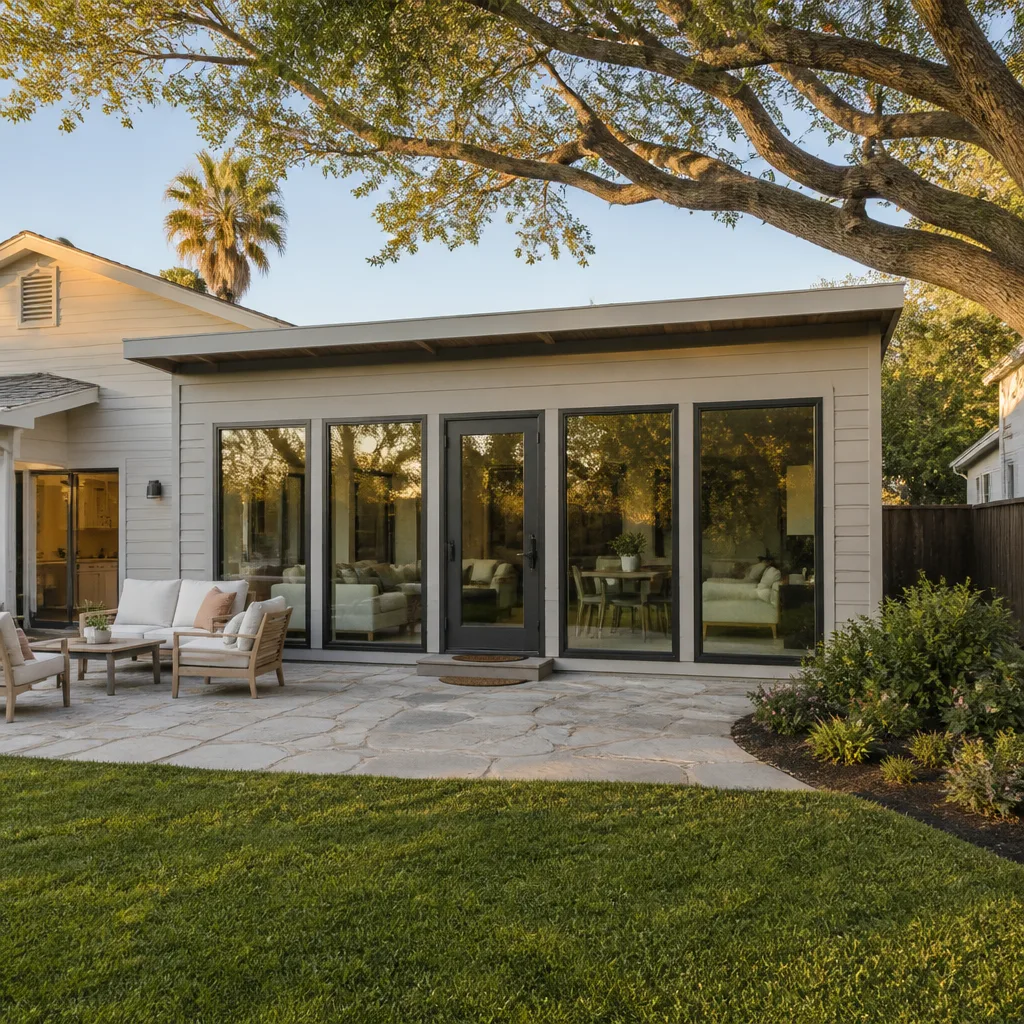
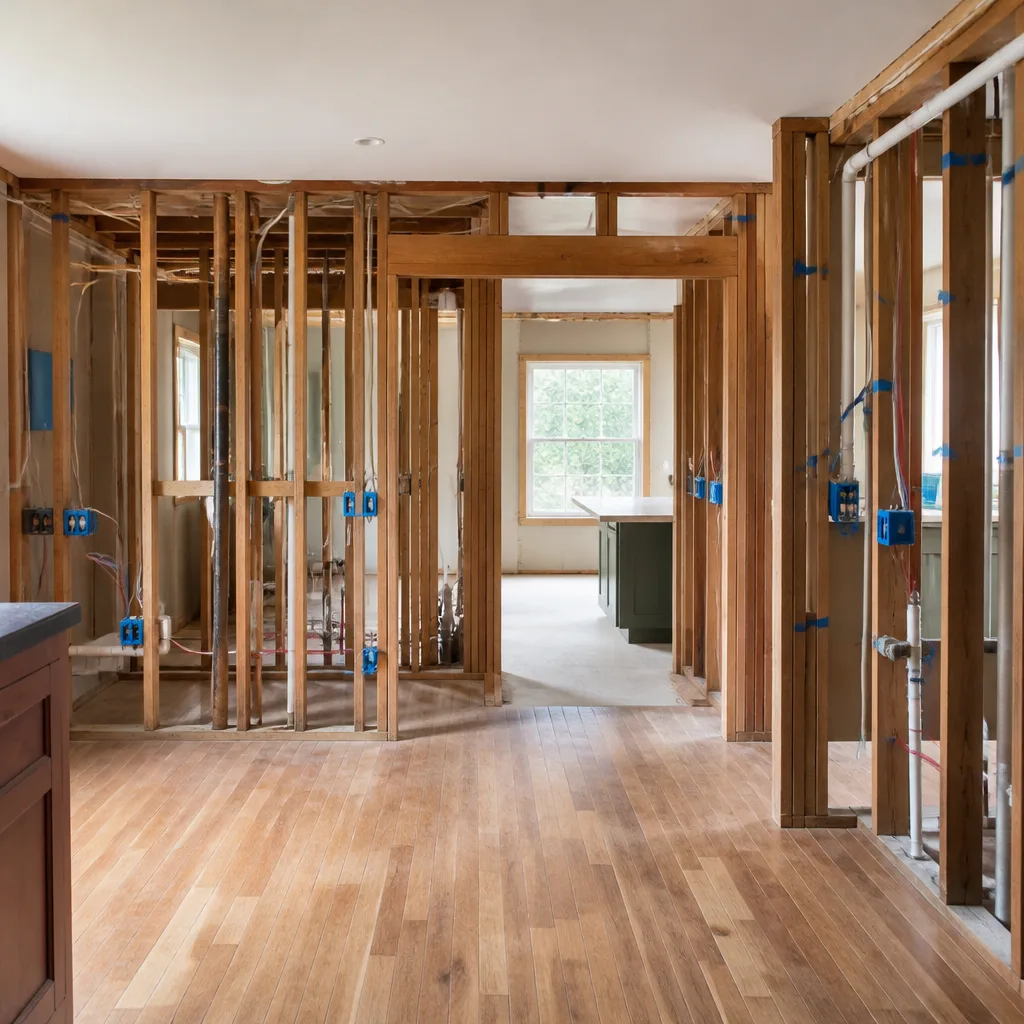
Cover-compatible additions and ADUs break into two families. The first is the attached room addition line – primary suites, family rooms, and in-law setups built off an existing exterior wall. The second is the detached and attached ADU line, which adds its own foundation, separate utility service, and often a dedicated electrical panel. Within each family, compatibility comes down to framing specs, roof pitch and tie-in, and how the structure meets the existing house at the ledger board. Get those wrong and you get the exact symptoms owners call us about.
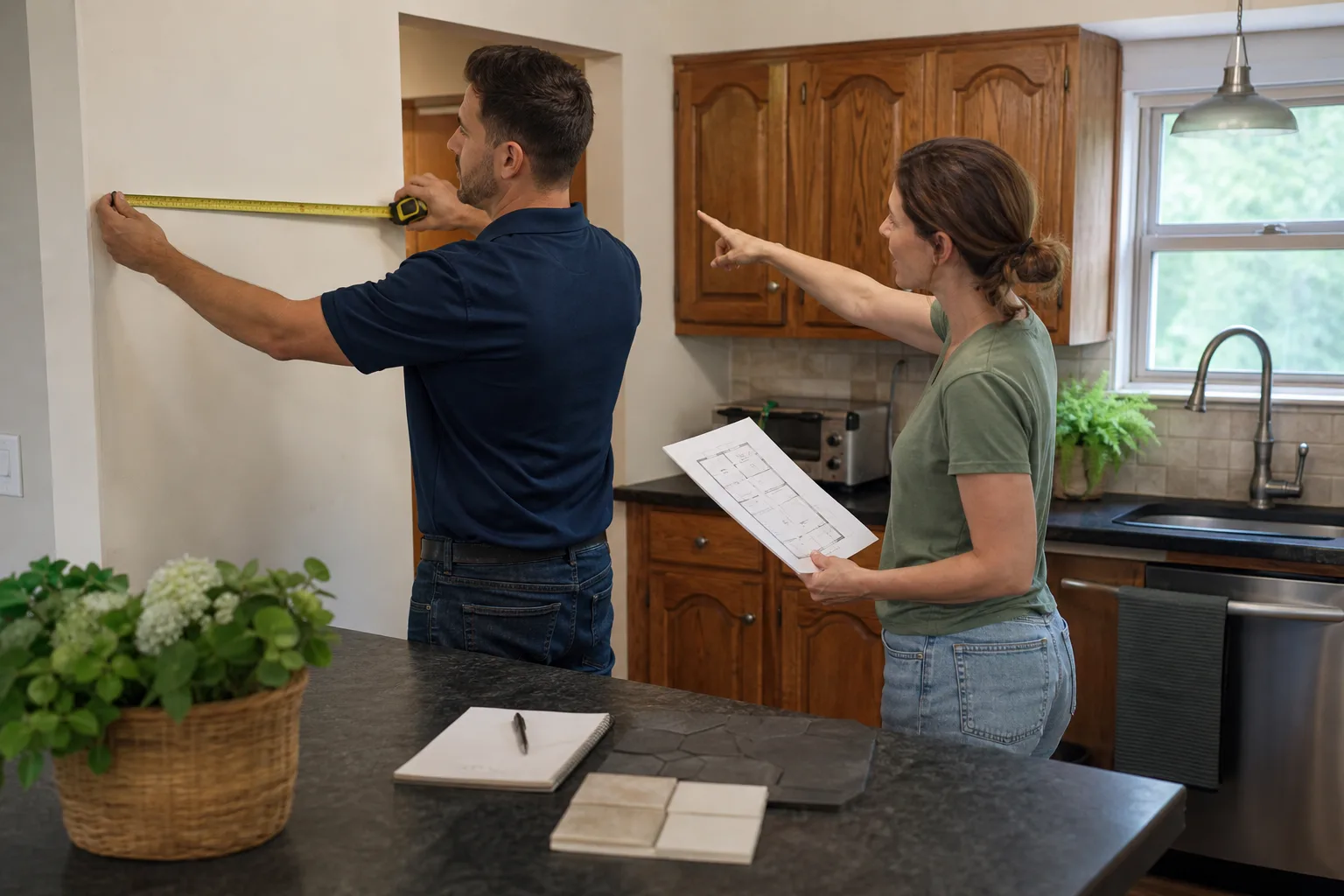
To identify what you’re working with, find the plan set or the label plate on any pre-fab wall panels and the subpanel door. Record the panel amperage, the roof pitch (usually noted as a ratio like 4:12), and the wall thickness. Measure the existing opening rather than trusting the original drawing – Vallejo homes built before 1960 have settled, and a rough opening that read 36 inches on paper often measures 35 1/4 in the field.
On the OEM-versus-aftermarket question: for structural hardware, tie-in straps, and panel components we spec the OEM or a documented equivalent with a matching manufacturer warranty, because traceability matters when the work has to pass inspection. For finish items – trim, flooring transitions, paint – a quality aftermarket product is often the smarter buy. We’ll tell you which is which before you commit a dollar.
Styles & brands we work with
- Kitchen remodeling
- Bathroom remodeling
- Home additions & ADU
- Roofing
- Windows & doors
- Driveway & pavers
- Fence
Signs Your Cover Home Additions & ADU Is Failing
Five symptoms we see regularly in Vallejo, and what each one actually means:
- A crack or separation at the tie-in seam. This usually traces to differential settlement between the addition footing and the original foundation, made worse by expansive Bay Area clay that swells in winter and shrinks in summer. It’s a structural signal, not a cosmetic one.
- Water staining on the ceiling near the roofline join. The flashing where the new roof meets the old is the most common leak point on any addition. When it fails, water tracks along the framing before it ever shows on drywall.
- Doors and windows in the addition that stick or won’t latch. On an ADU this often means the slab or subfloor has moved. On an addition, it can mean the header over the opening was undersized for the span.
- A tripping subpanel. ADUs with a dedicated panel frequently under-sized the service for a full kitchen plus washer-dryer. If the breaker trips on a normal load, the panel is telling you it was spec’d too small.
- Cold floors and drafts along exterior walls. Missing or compressed insulation and unsealed penetrations. In Vallejo’s marine-layer climate, that shows up as condensation on interior surfaces long before it shows up on an energy bill.
Replacement Cost & What’s Included
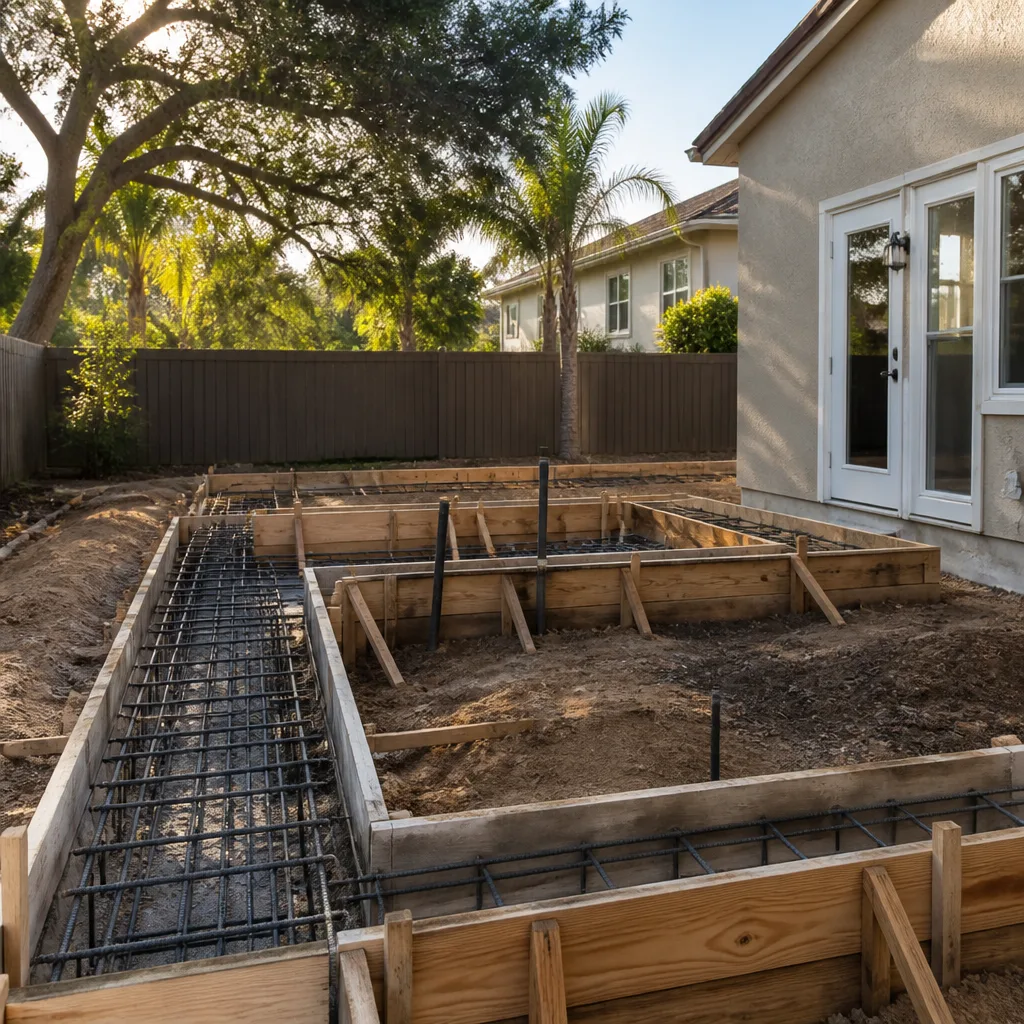
For Vallejo, here’s what the work actually runs, installed:
| Scope | Installed Price Range |
|---|---|
| Home Addition | $45,000 – $130,000 |
| ADU Construction | $90,000 – $220,000 |
| Garage Conversion | $30,000 – $80,000 |
What drives the range: square footage, foundation type (slab versus raised), whether the ADU needs a separate utility service and panel, roof tie-in complexity, and whether you’re adding a full bath and kitchen or just a room. A garage conversion sits at the low end because the shell already exists; a detached ADU with its own kitchen and bath sits at the top.
Every quote is line-item and written before work starts, so parts and labor are separated and nothing moves at the door. Our technicians have up to 22 years of experience on builds like this, and every completed project carries the 365-Day Done Right Promise – a written guarantee, and if the work fails inside that full year, we come back and correct it at no charge.
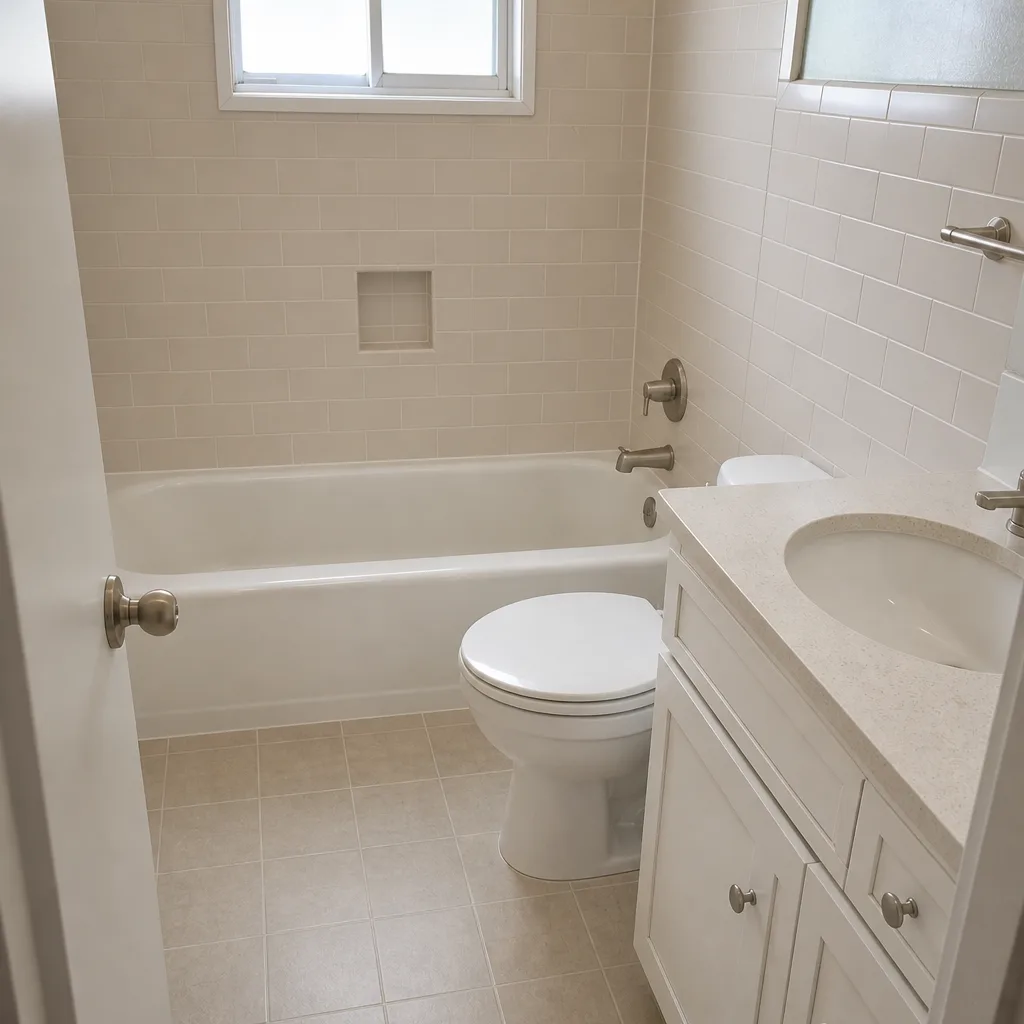
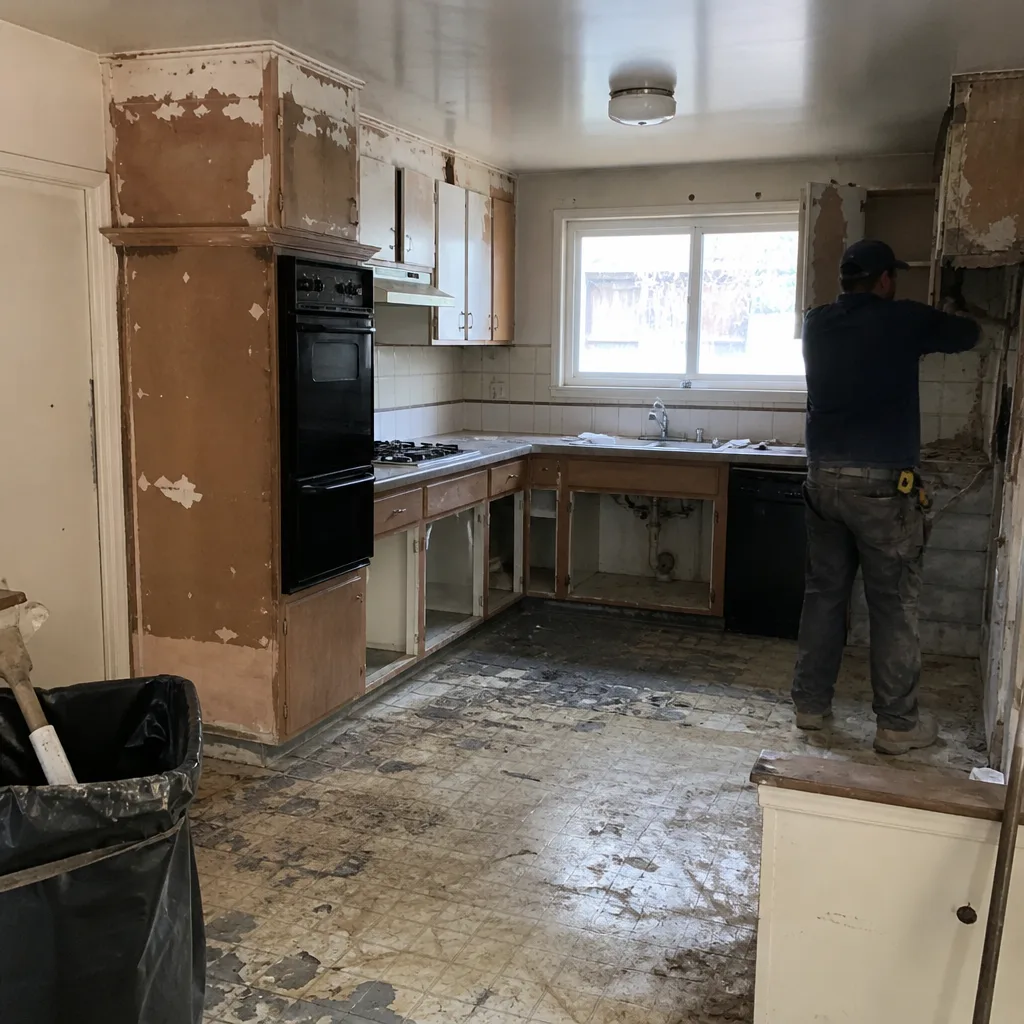
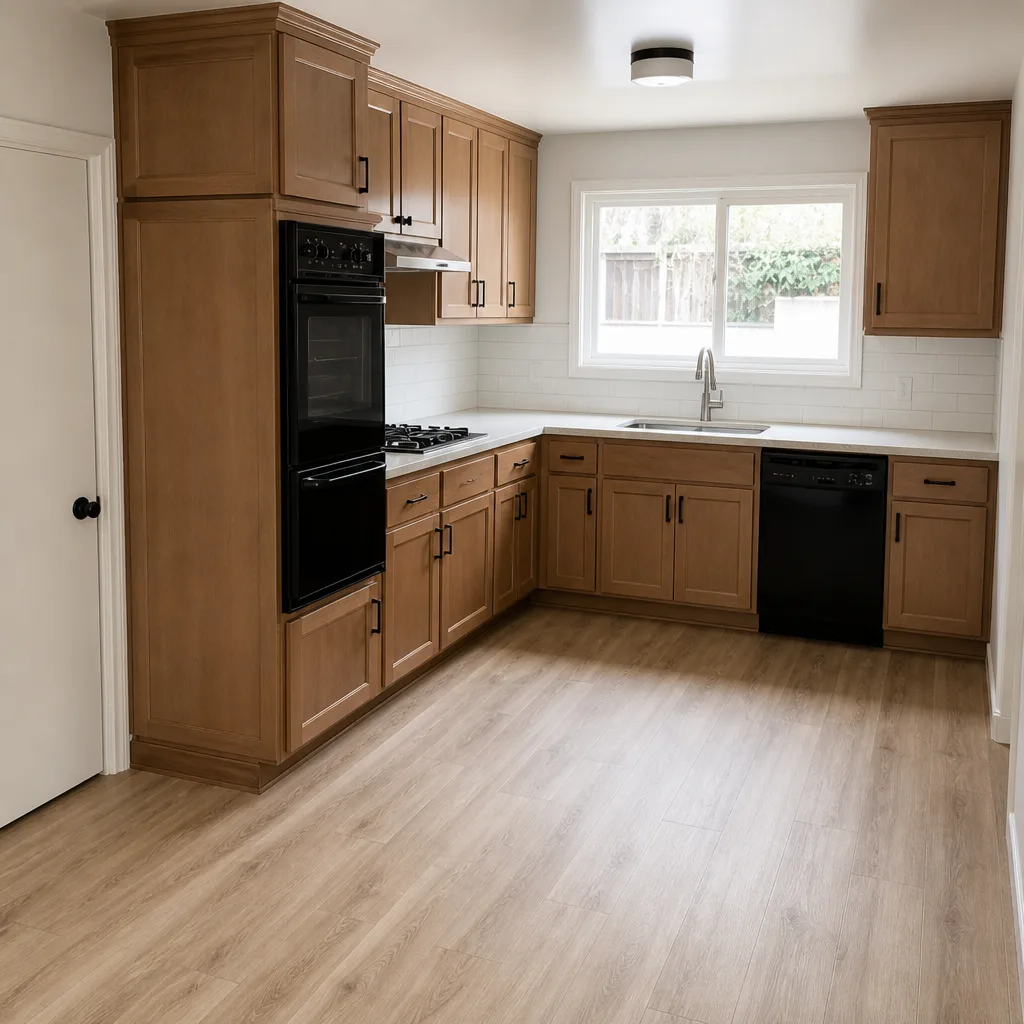
See the difference
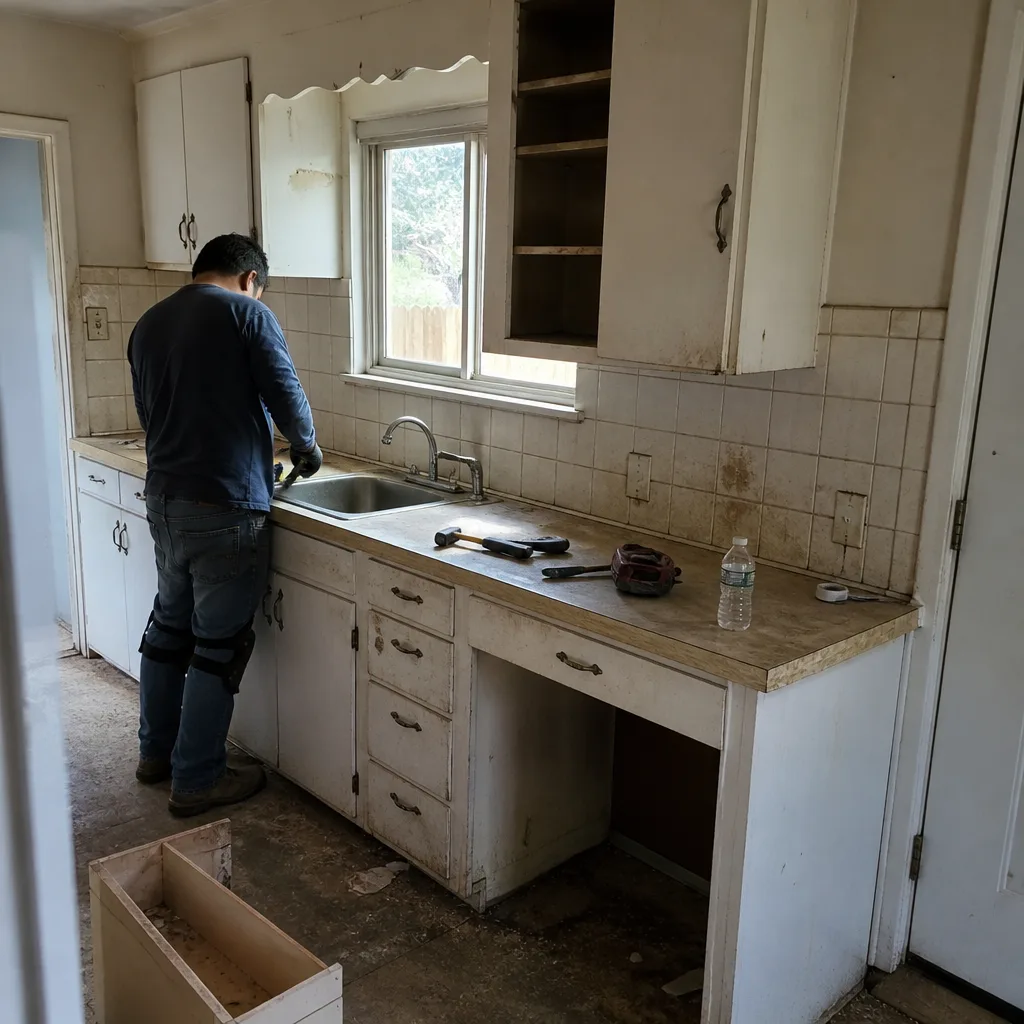 Before
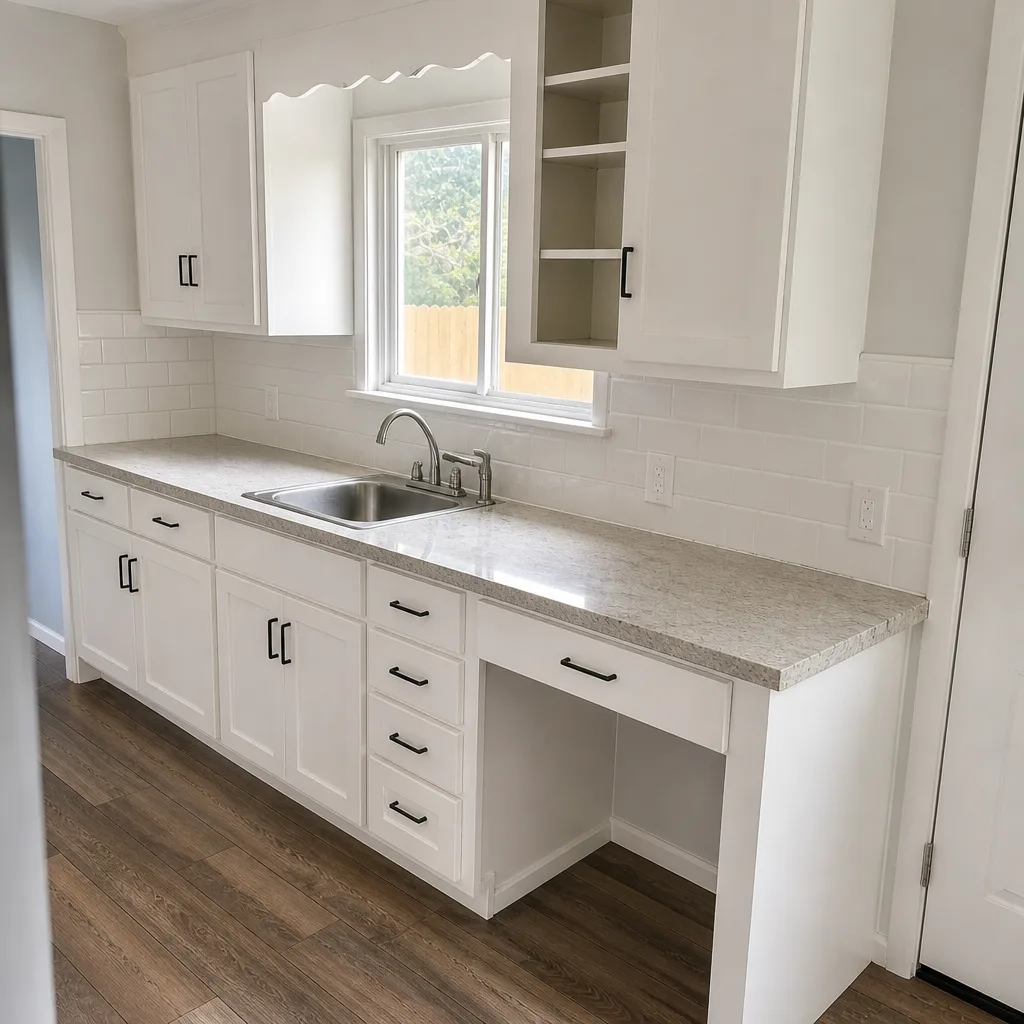 After
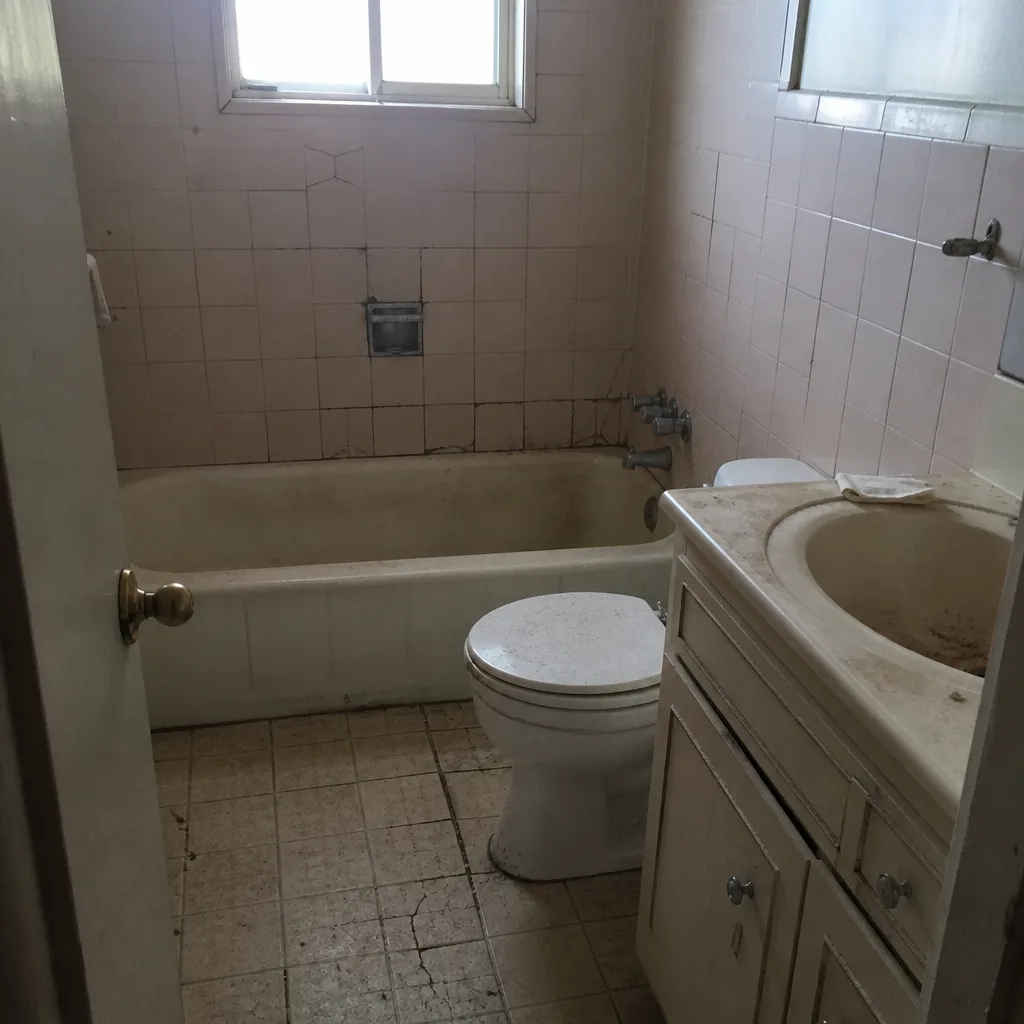 Before
 After
 Before
 After
DIY or Call Us?
Some things an owner can safely check. Walk the perimeter after a rain and look for staining at the tie-in seam. Open the subpanel and note the amperage on the main breaker label – don’t touch anything inside, just read the label. Test every door and window in the addition for a square latch. Note where floors feel spongy.
Where DIY goes wrong here is structural and electrical. A settlement crack at the tie-in isn’t something to caulk and forget – if the footing is moving, caulk is a bandage over a real problem. Panel work and any change to service capacity is work for a licensed electrician, full stop. And roof tie-in flashing done wrong means a slow leak you won’t see for months. If any of that describes your situation, call us at (844) 560-4789 and we’ll tell you honestly what needs to happen.
FAQs
How long does a Cover-compatible addition or ADU last? A properly built addition should hold for decades, but the components inside it have shorter clocks: flashing lasts 15 – 20 years before it needs re-sealing, and subpanels are rated for roughly 30 years of service. In Vallejo’s wet winters, roof tie-in details are the first thing to check, not the last.
Can my failing addition be repaired instead of rebuilt? Often, yes. Settlement cracks, leaking flashing, and undersized subpanels are all repairable without rebuilding the structure. Whether it’s a repair or a rebuild depends on whether the footing itself is moving – that’s a site inspection call, not a phone guess.
How long does the work take? Garage conversions run a few weeks to a couple of months. A full addition or ADU runs several months from permit to final inspection, and permit timelines in Vallejo vary by scope. We give you a written schedule alongside the written price.
How do you source Cover-compatible parts? We spec the OEM part or a documented equivalent with a matching manufacturer warranty for structural and panel components, and we source through supplier channels – we don’t carry stock on a truck. Every part is traceable to its spec sheet, which is what lets it pass inspection. We also work with KraftMaid, Cambria, and Silestone for finish cabinetry and surfaces where a project calls for them.
Get a Written Price Before You Commit
If your addition or ADU is showing the symptoms above, the honest next step is an inspection and a written line-item estimate – no numbers that move, no surprise invoices. Bradford Remodeling Co Vallejo answers the phone with a live person 24/7, and we’ll walk you through exactly what the job needs and what it costs before anything starts. Call (844) 560-4789 to schedule your free estimate.
Written by the team at Bradford Remodeling Co Vallejo, serving Vallejo and nearby areas.