


Free written scope consultation - allowances, timeline, and change-order rules on paper before a single trade is scheduled
James Hardie Fence Installation: The Vallejo Owner’s Guide
James Hardie fiber cement fence installation in Vallejo typically runs $3500 – $9000 installed, depending on linear footage, height, and how much old fencing has to come out first. We install James Hardie-compatible fiber cement fencing, and we give you a written price before any work starts. Fence work is planned work, not emergency work, so we schedule it rather than promise it for today.
Owners usually find out something is wrong the same way. A panel starts to look chalky near the top, or a post leans a few degrees after a wet winter, or a board face blows out along a nail line during a gust off the Carquinez Strait. Then a second panel does the same thing within a season. That pattern is your cue to look at the substrate and fasteners, not just the paint.
Key takeaways
- Installed fiber cement fence work in Vallejo: $3500 – $9000.
- Fiber cement does fine in Vallejo’s weather, but it fails fast when it’s nailed tight to a wicking substrate or set in soil that holds water.
- We’re an independent contractor. We’re not affiliated with James Hardie.
- Written price before work starts, and every completed project carries the 365-Day Done Right Promise: if the work fails within a year, we come back and correct it at no charge.
Which James Hardie Models This Applies To
James Hardie makes fiber cement products for siding, trim, soffit, and panel work. Fence assemblies built to James Hardie-matching standards use their fiber cement sheets and trim lines, and the compatibility question is almost always about the same four things: sheet thickness, sheet dimensions, edge profile, and the fastener pattern the sheet was engineered for.
Before you order anything, do this. Read the stamp on the back of an existing sheet. James Hardie stamps product identification on the back face, not the front, so you’ll need to pull or peek behind a panel to see it. Measure the thickness with a caliper or a good tape at a clean edge. Then measure height and width to the nearest eighth of an inch. A sheet that looks identical from the street can be a different thickness, and a different thickness means a different fastener and a different wind rating.
OEM versus equivalent: for James Hardie specifically, the safe path is matching the stamped product line and the thickness exactly. Aftermarket fiber cement sheets can meet the same physical properties, but they often don’t share the same nailing pattern or the same edge geometry, and that’s where fence failure starts. Valleyboro, Beverly Hills, and the older stretches of Mare Island all have fence lines built at different times against different neighbor grades, so one-size measurement rarely fits a whole property in Vallejo.
Styles & brands we work with
- Kitchen remodeling
- Bathroom remodeling
- Home additions & ADU
- Roofing
- Windows & doors
- Driveway & pavers
- Fence
Signs Your James Hardie Fence Installation Is Failing
- Chalking or a white haze on the face. That’s surface breakdown from sun exposure and moisture cycling, and it usually means the factory finish is past its service life and the sheet underneath is starting to take on water.
- Rust streaks at fasteners, or nails backing out. Galvanized fasteners react with fiber cement and with Vallejo’s damp winter air. When a nail head sits proud, the sheet is moving, and movement means the fastening pattern is wrong or the substrate is swelling.
- Leaning or twisting posts. Post failure is a footing problem, not a sheet problem. In Vallejo’s clay-heavy soils, water collects against a post and the footing loses grip, and no amount of new paneling fixes it.
- Cracks radiating from a corner or a fastener. Fiber cement is brittle under point load. A crack from a nail means the sheet was overdriven at install or the framing behind it has shifted.
- Delamination at the bottom edge. The bottom six inches takes the splash. If the sheet was set tight to soil or the drainage grade drops toward the fence, the edge wicks water and separates. We see this constantly on sloped lots in Vallejo where runoff crosses a fence line.
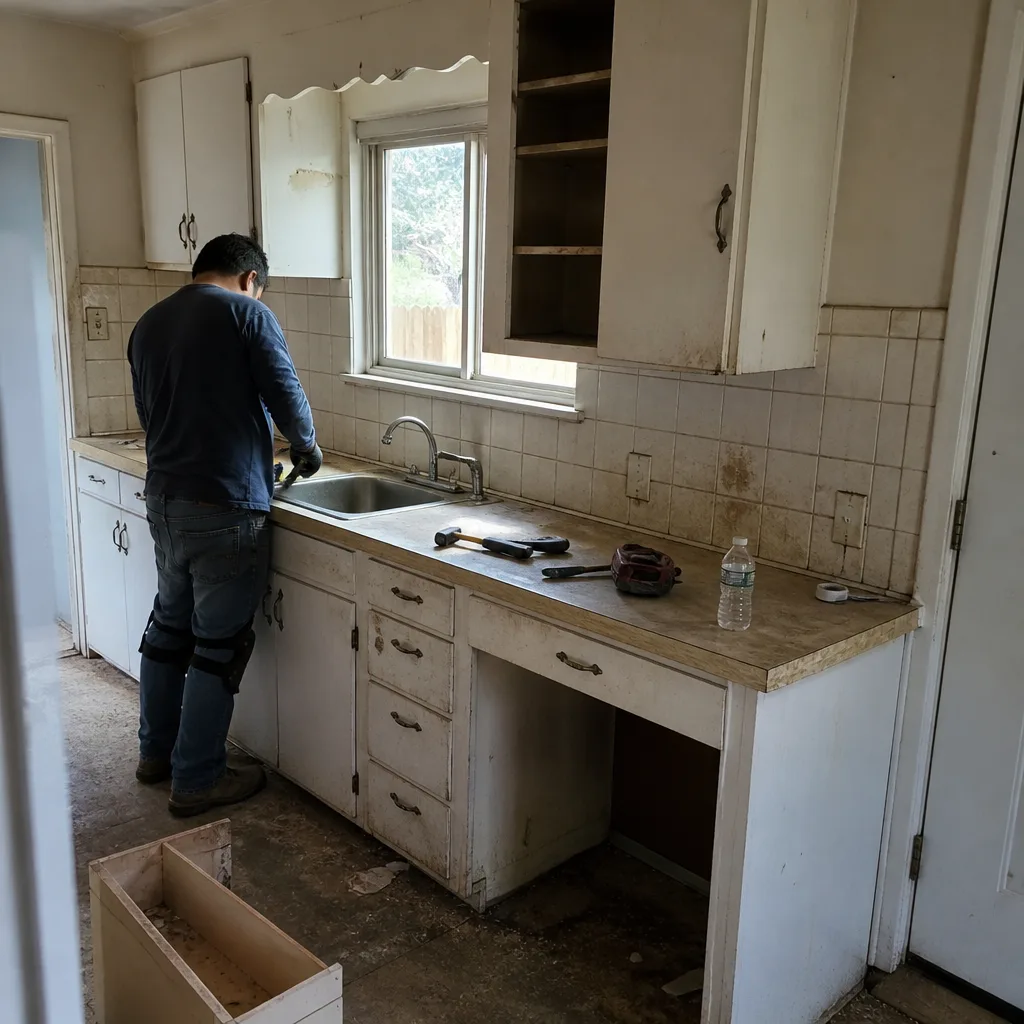
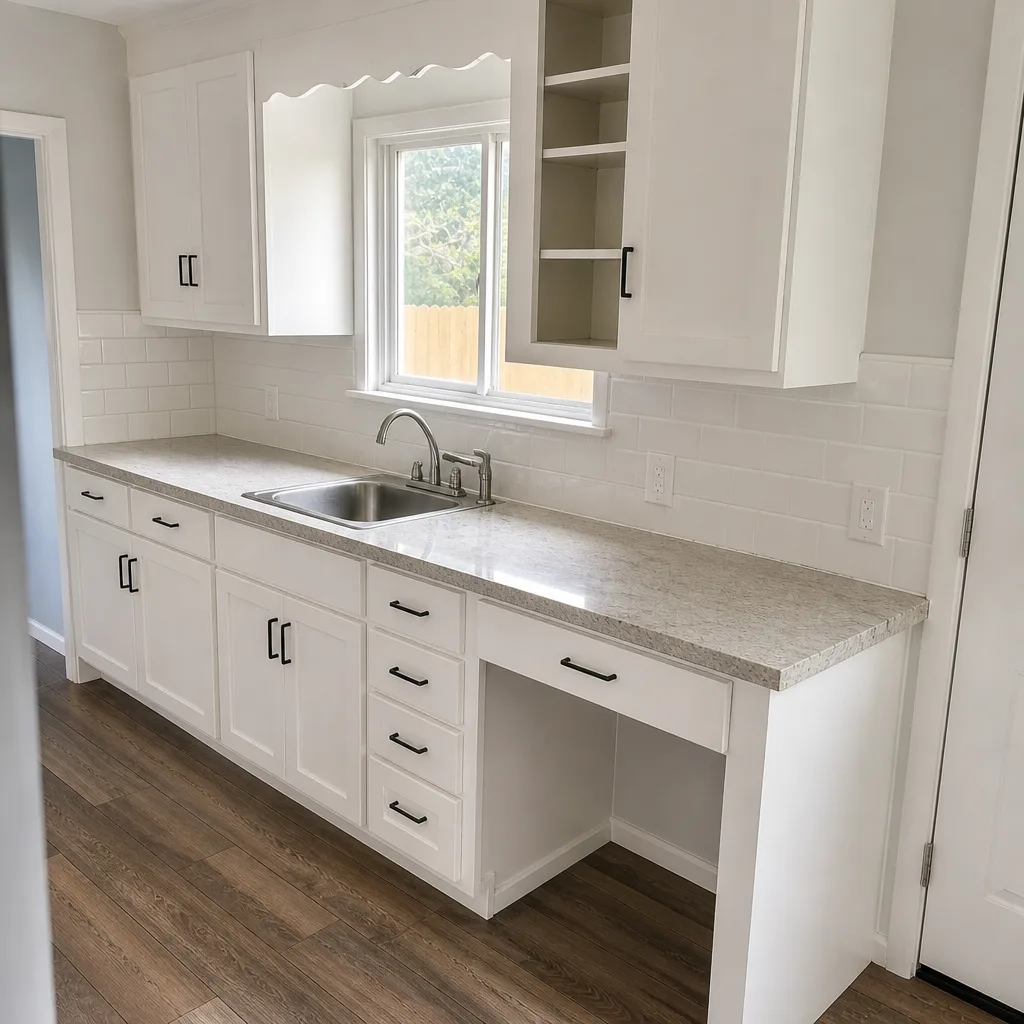
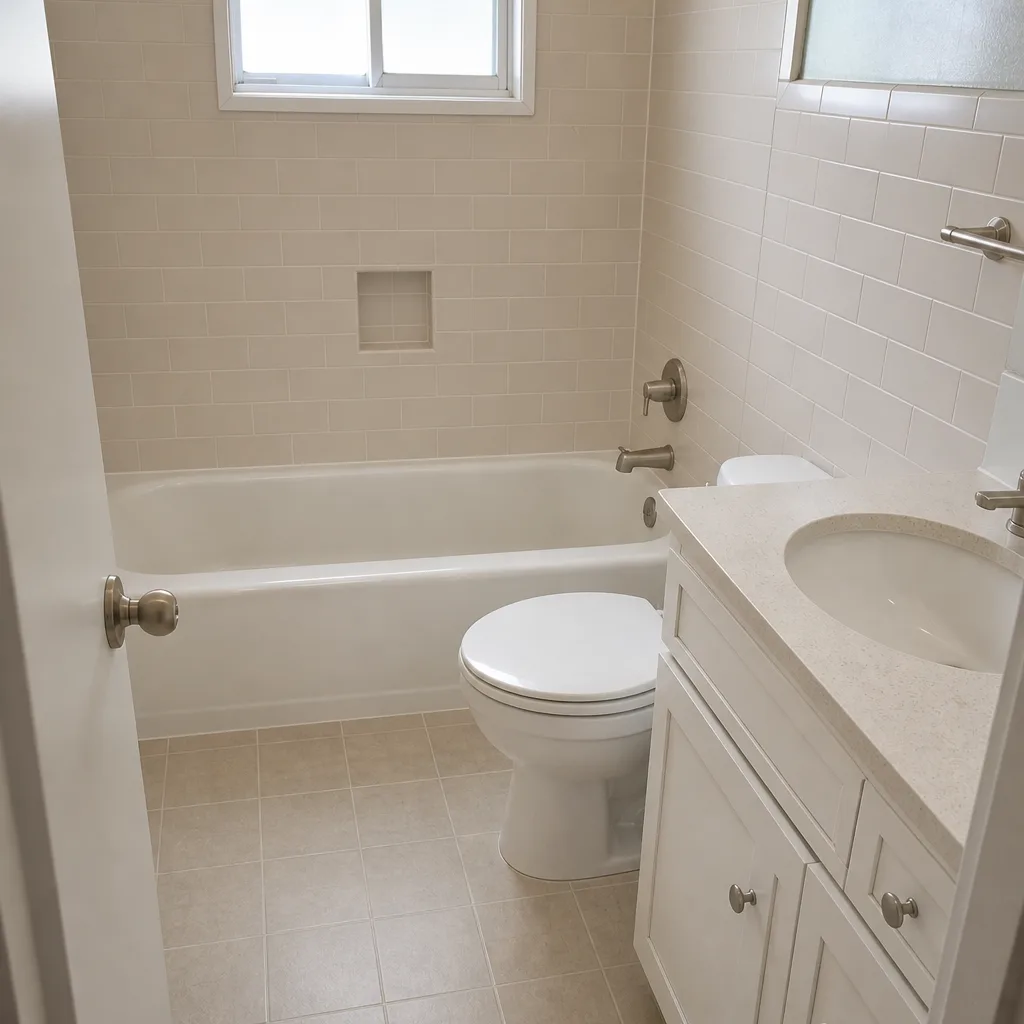
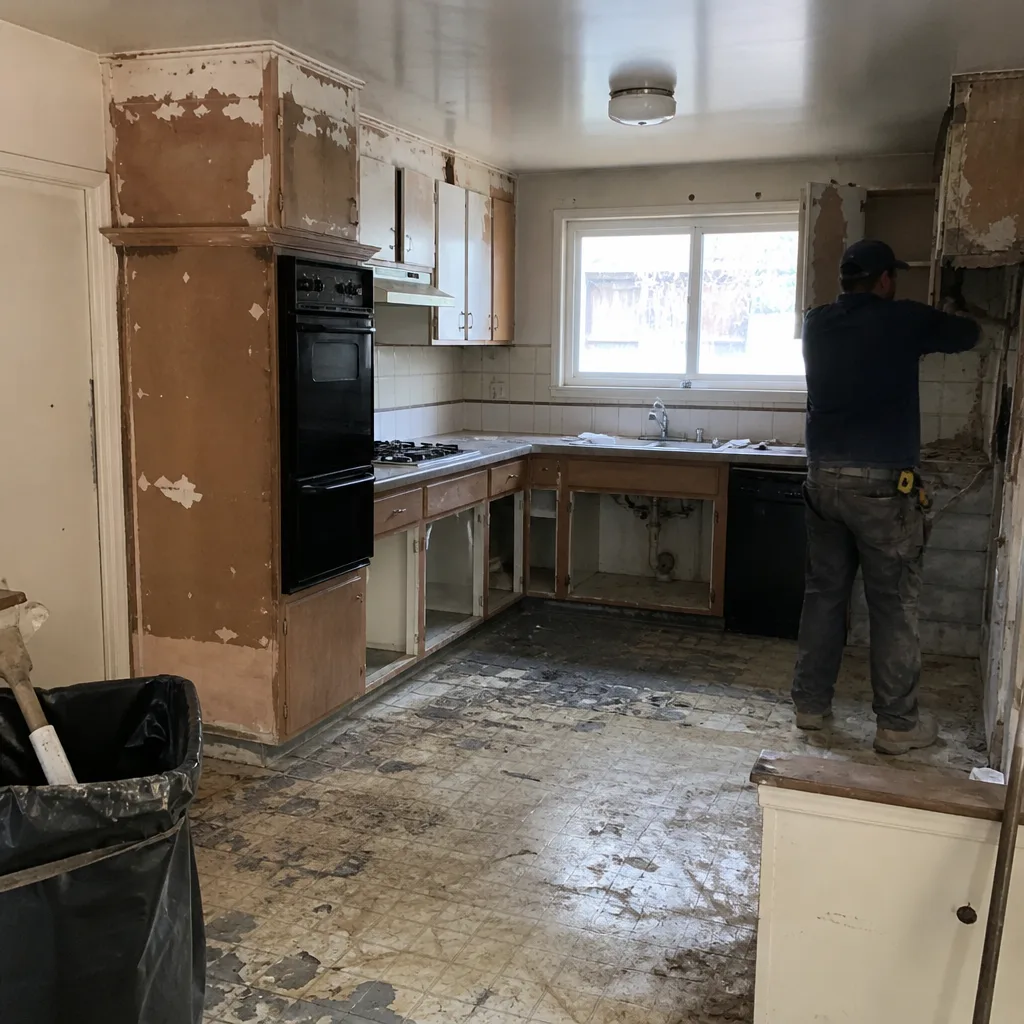
See the difference
 Before
 After
 Before
 After
 Before
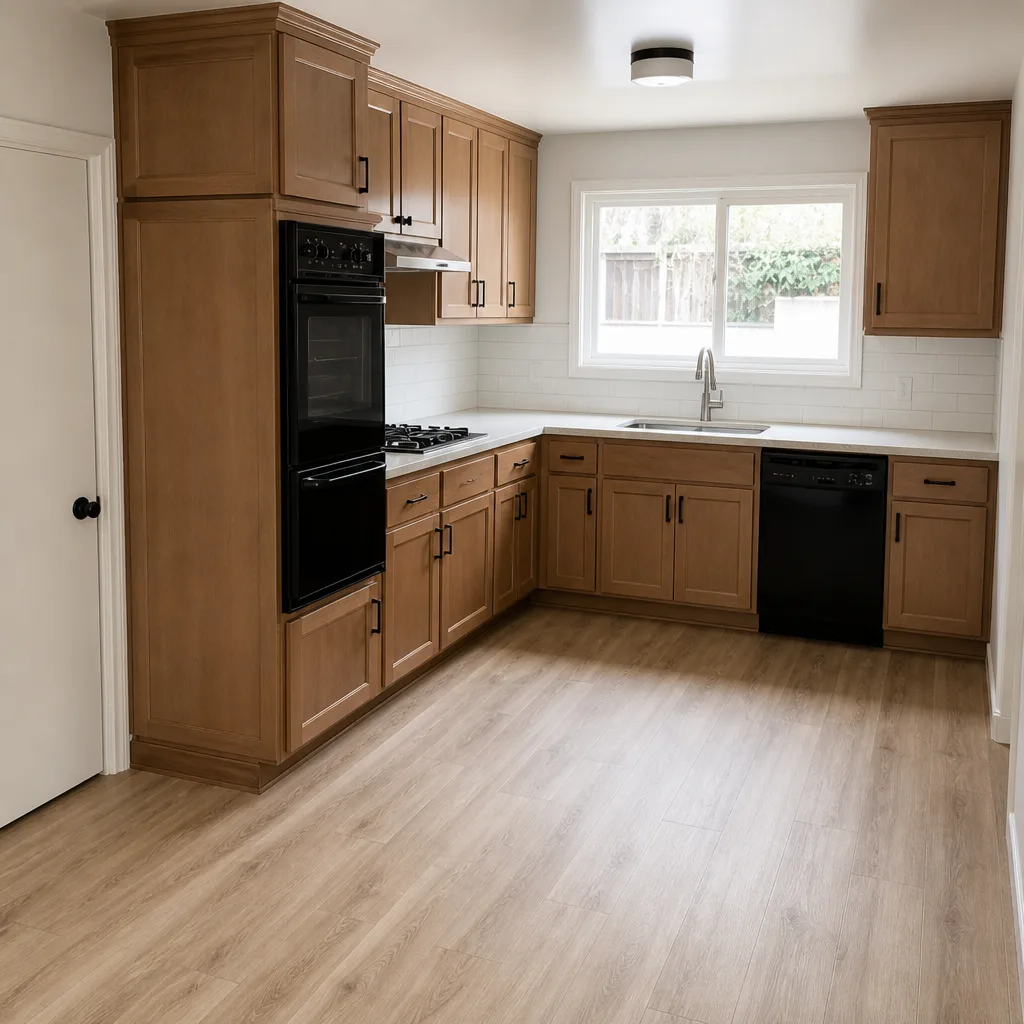 After
Replacement Cost & What’s Included

For Vallejo, plan on $3500 – $9000 installed for James Hardie-compatible fiber cement fence work. Here’s what moves you within that range:
- Linear footage and height. Height above six feet raises both material and wind-load requirements.
- Old fence removal and disposal. Hauling and dump fees are real money and they’re in the written price.
- Post and footing work. New footings mean digging, concrete, and inspection. Reusing sound posts saves.
- Fastener and trim upgrades. Stainless or coated fasteners and matched trim add cost and add years.
- Access. Tight side yards and steep lots slow a crew and show up in labor.
The written price itemizes parts and labor separately. No number moves at the door. Every completed project carries the 365-Day Done Right Promise: a full year of written coverage, and if the work fails in that window, we return and correct it at no charge.
DIY or Call Us?
You can safely do the inspection. Look at the stamp on the back of a sheet, measure thickness, check whether posts move when you push them, and look at how water drains across the fence line. Those four checks tell you whether you’re looking at a sheet problem or a footing problem.
Where DIY goes wrong is the install itself. Fiber cement sheets are heavy and brittle, and a two-person lift on a tall panel is a real injury risk even before you get to fastening. Setting a footing to the right depth and getting the grade to shed water away from the fence is the part that most often gets skipped, and it’s the part that determines whether the fence is still standing in five years. We install with background-checked, uniformed technicians, and you’ll know who’s coming before they arrive. Call (844) 560-4789 to schedule your free estimate.
FAQs
A properly installed fiber cement fence in Vallejo should hold 20 to 30 years, with the finish needing attention well before the sheets do. The realistic weak points are the footings and the fasteners, not the fiber cement itself. Vallejo’s wet winters and clay soils punish a shallow footing long before they punish a good sheet. Call (844) 560-4789 to schedule a free estimate.
Sometimes, yes. A single cracked or chalked sheet can be replaced on sound framing, and that’s far cheaper than a full run. If posts are leaning or the substrate has swelled, repair is money spent twice. We’ll tell you which one you have in writing before any work starts. Call (844) 560-4789 for a free estimate.
A typical residential fence run takes two to four working days for removal, footings, and install. Footing cure time and inspection scheduling push the outside number. You’ll get the schedule in writing with the price. Call (844) 560-4789 to schedule your free estimate.
We match the stamped product line and thickness from the back of your existing sheet, then order to that specification. Nothing gets substituted without your sign-off in writing. We don’t claim to carry parts on a truck, and we won’t tell you we do. We work from a documented roster of name-brand materials including James Hardie, KraftMaid, Cambria, and Silestone. Call (844) 560-4789 for a free estimate.
Call (844) 560-4789 to schedule your free estimate with Bradford Remodeling Co Vallejo. You’ll get a written price before any work starts, background-checked uniformed technicians on the job, and the 365-Day Done Right Promise behind the work. A live person answers the phone at any hour, not a voicemail.
Written by the team at Bradford Remodeling Co Vallejo, serving Vallejo and nearby areas.