


Free written scope consultation - allowances, timeline, and change-order rules on paper before a single trade is scheduled
Plant Prefab Roofing: The Vallejo Owner’s Guide
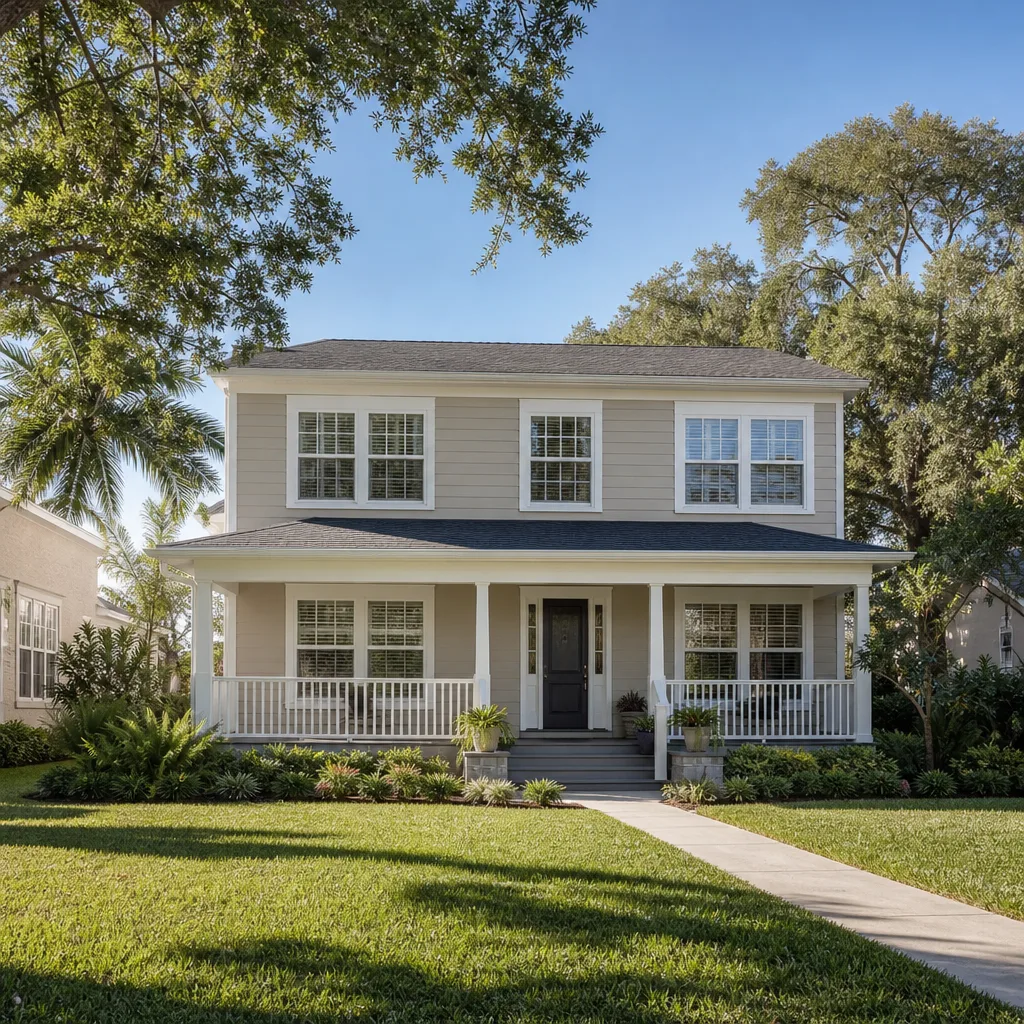
We install Plant Prefab-compatible roofing and roof repair in Vallejo, and a full replacement on a prefab modular home typically runs $8,000 – $20,000 installed, with targeted repairs at $400 – $1,800. Most owners discover the problem after a hard rain: a brown ring spreading across a ceiling panel, granules collecting in the gutter run, or a shingle tab curling up along the ridge where the factory roof module meets the site-built section. Here in Vallejo, that call usually comes in late February, after the third storm front has had its way with a membrane joint that was never re-sealed after the modules were set.
Key Takeaways
- Plant Prefab buildings ship as factory modules with roof sections joined on site. Those site joins are where most leaks start.
- A prefab roof deck is often thinner than a stick-built one, so the correct underlayment and fastener pattern matter more, not less.
- Installed replacement in Vallejo runs $8,000 – $20,000. Spot repair runs $400 – $1,800.
- We’re an independent contractor, not affiliated with Plant Prefab. We work with their specs, not against them.
- Every roof we install carries a written price before work starts and the 365-Day Done Right Promise on our labor.
Which Plant Prefab Models This Applies To

Plant Prefab builds across several lines, and the roof system fits the line, not the other way around. If you own a Plant Prefab home, look first at the data plate, usually a metal or laminated label inside the electrical panel door or mounted near the utility chase. It’ll list the model series and the year the module was fabricated. That plate is what we need. The roof spec follows the series, and the roof spec decides which shingle, membrane and flashing package actually belongs on your home.
Here’s the compatibility gotcha most owners miss: the roof sheathing on a prefab module is frequently a thinner panel than you’ll find on a site-built roof of the same footprint. When a contractor swaps a shingle without checking the deck thickness and the fastener spacing the manufacturer specified, the new roof can look right and still fail the moment the wind picks up off the Carquinez Strait. If you’re deciding between an OEM-spec assembly and a quality aftermarket equivalent, the OEM spec tells you what the panel will hold. The aftermarket product can be just as good or better, but only after someone reads the spec sheet. We read it first, then quote. For interior work on the same home, we also handle KraftMaid, Cambria and Silestone finishes if you’re updating rooms while the roof is open.
Styles & brands we work with
- Kitchen remodeling
- Bathroom remodeling
- Home additions & ADU
- Roofing
- Windows & doors
- Driveway & pavers
- Fence
Signs Your Plant Prefab Roofing Is Failing
- Ceiling stains that appear inside after rain, not at the roof surface. Water is traveling along a module seam or a flashing joint and showing up at the first interior sag. The seam is where the fix belongs, not the ceiling paint.
- Granules washing into gutters and downspouts. A modest amount is normal wear. A thick accumulation after one wet season means the shingle is past its service life and the asphalt mat is breaking down.
- Shingle edges curling or lifting at the ridge and eaves. On a prefab roof, this often points to a fastener pattern that didn’t match the thinner deck. The shingles flex more than they were rated to.
- Visible daylight or soft spots along the joint line where the modules meet. That site join is the weak point. If the flashing and sealant there were never redone after the modules were set, it’s the most likely leak source on the whole roof.
- Water pooling anywhere the roof pitch flattens near a mechanical penetration. Plant Prefab homes sometimes run HVAC and vent penetrations through low-slope sections, and pooling there over a Vallejo winter will find the seal. Vallejo’s wet-season swing (heavy rain, then weeks of dry) opens and closes those seals every year.
See the difference
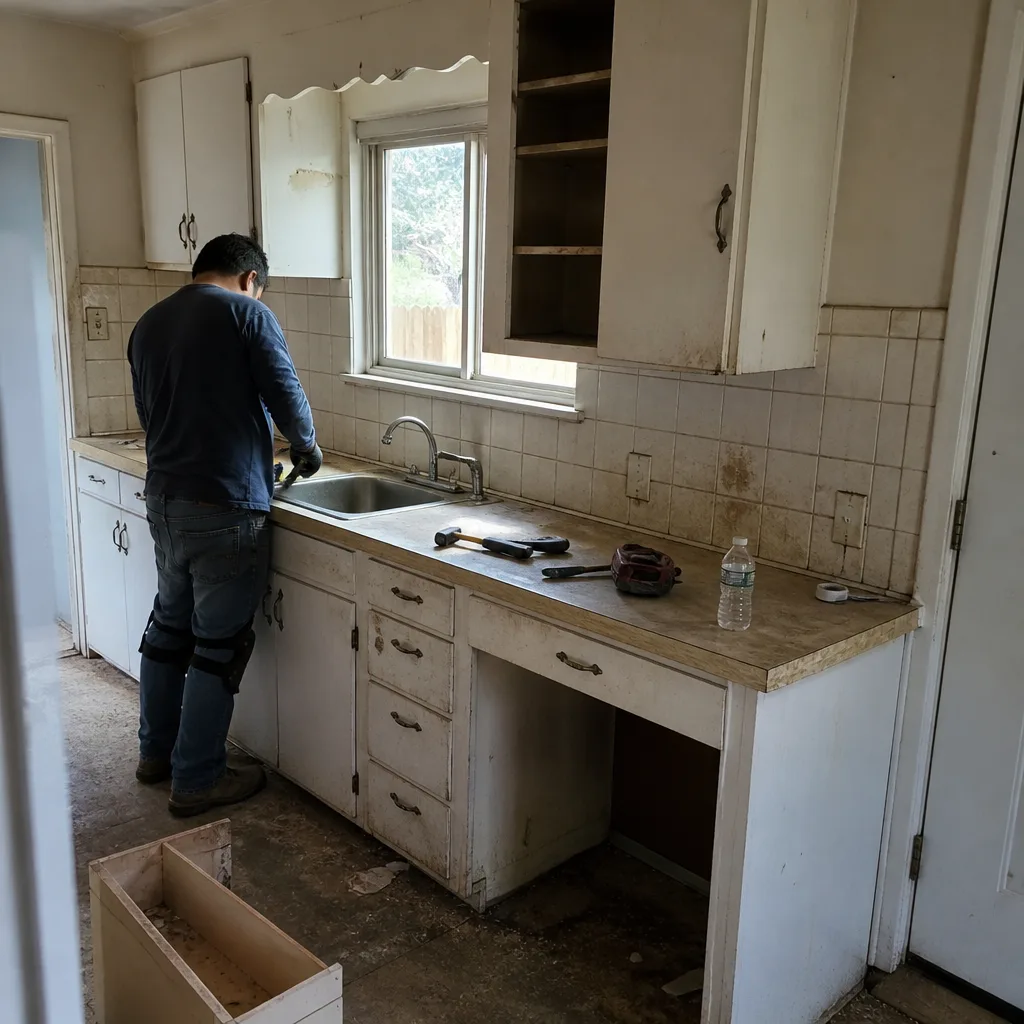 Before
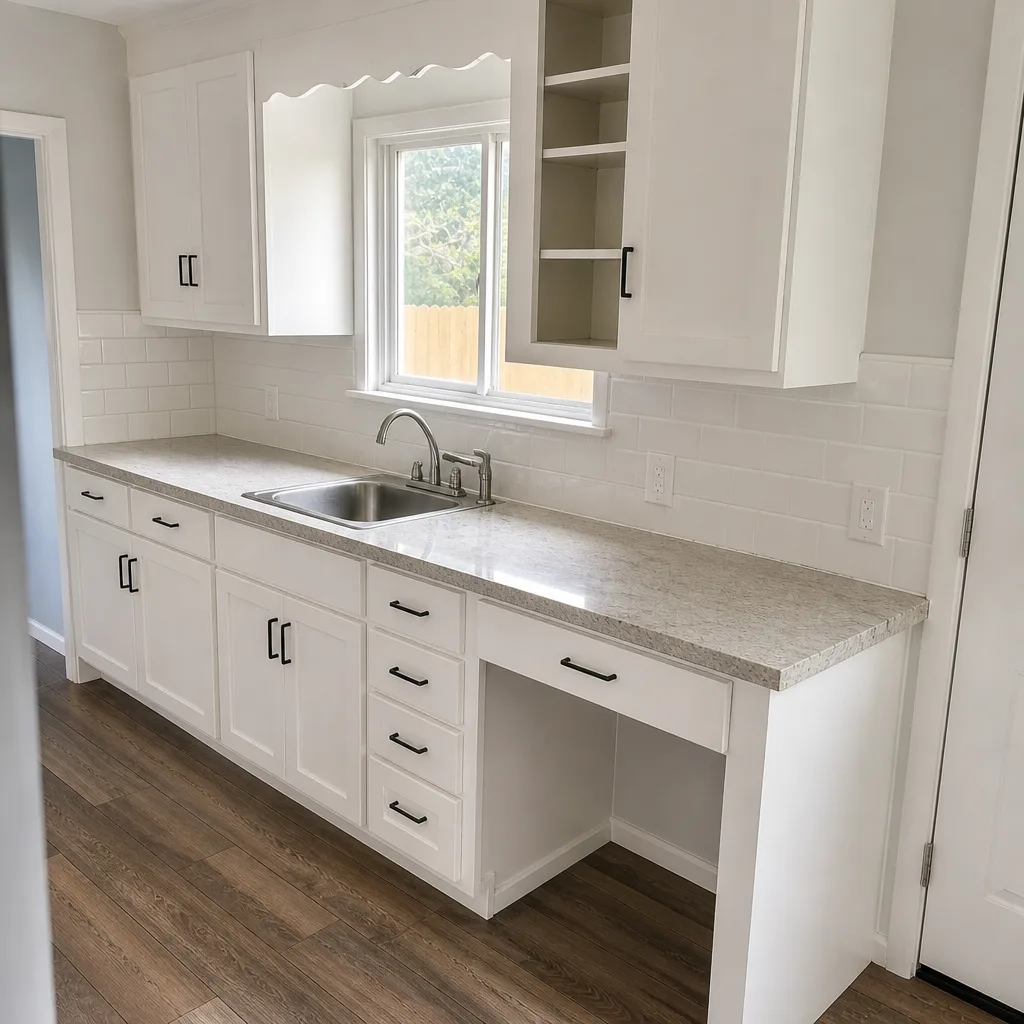 After
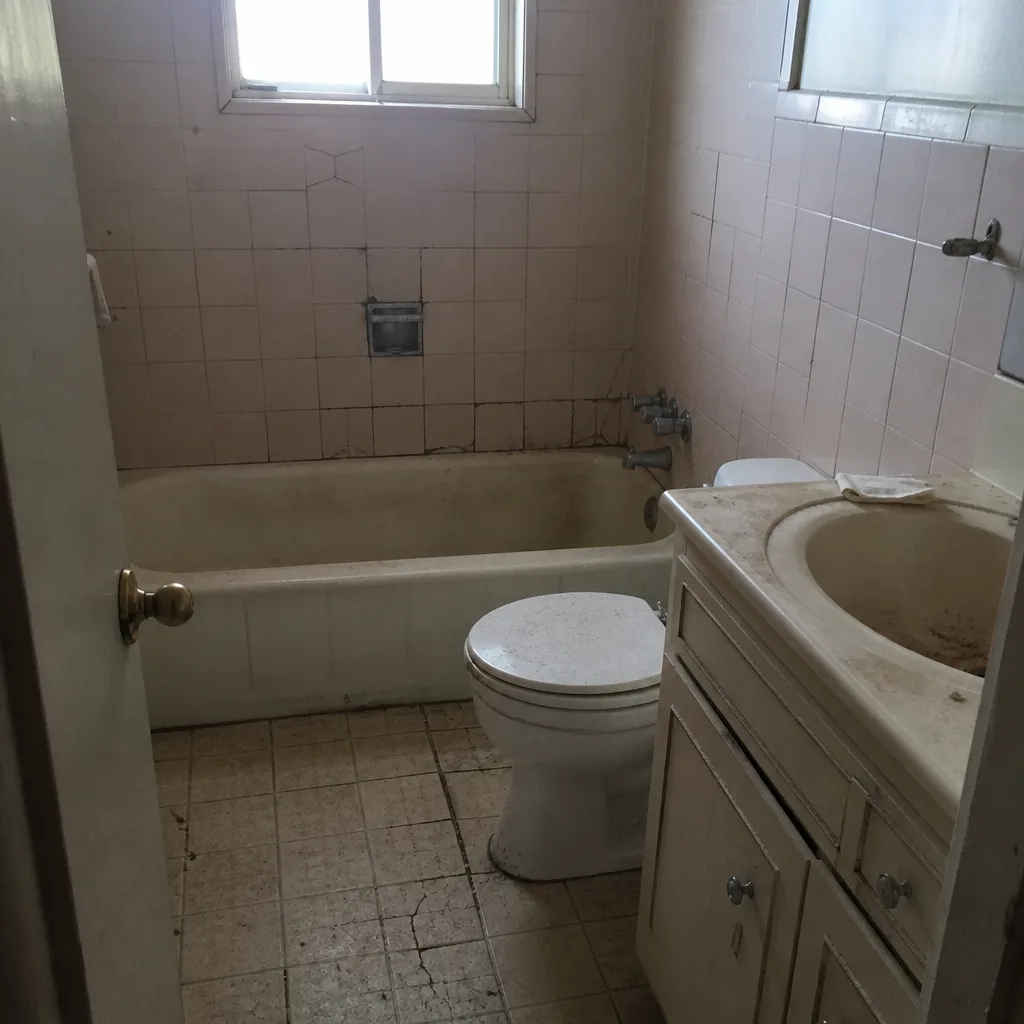 Before
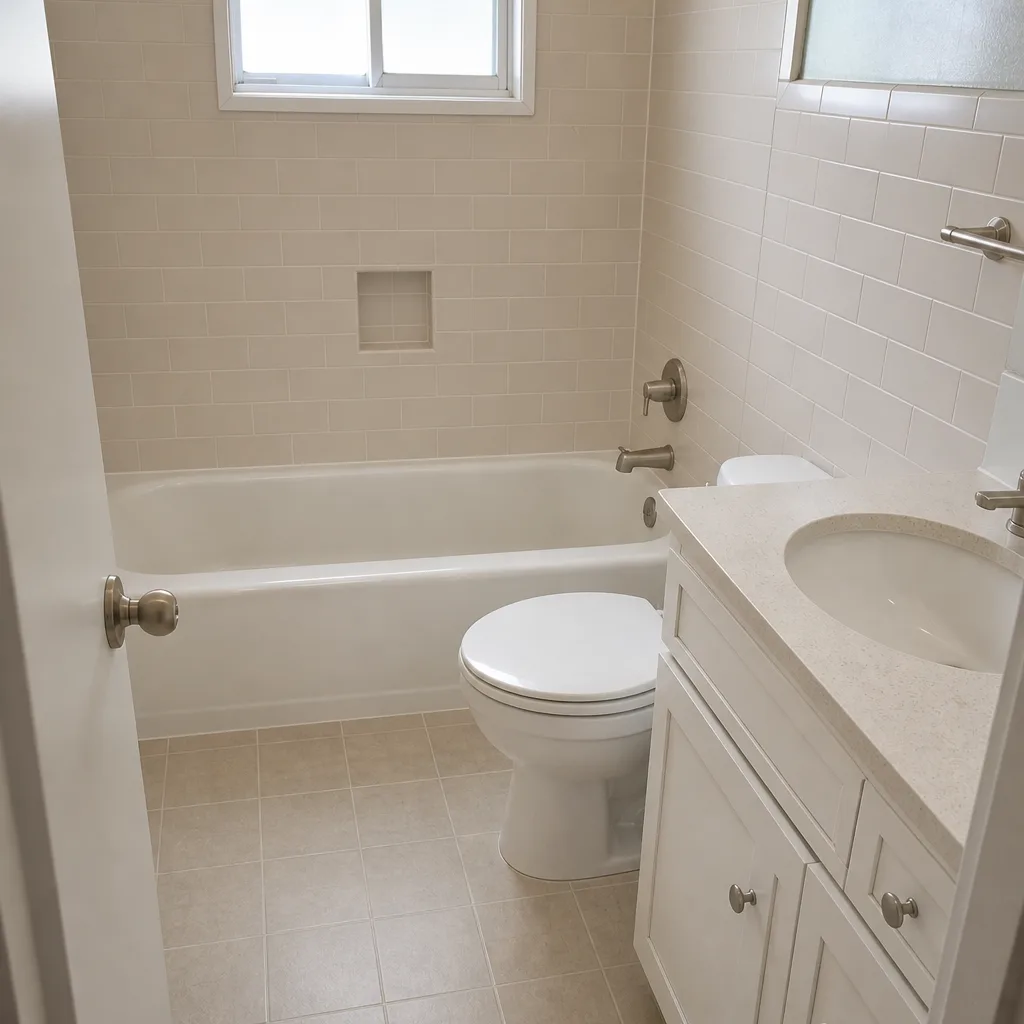 After
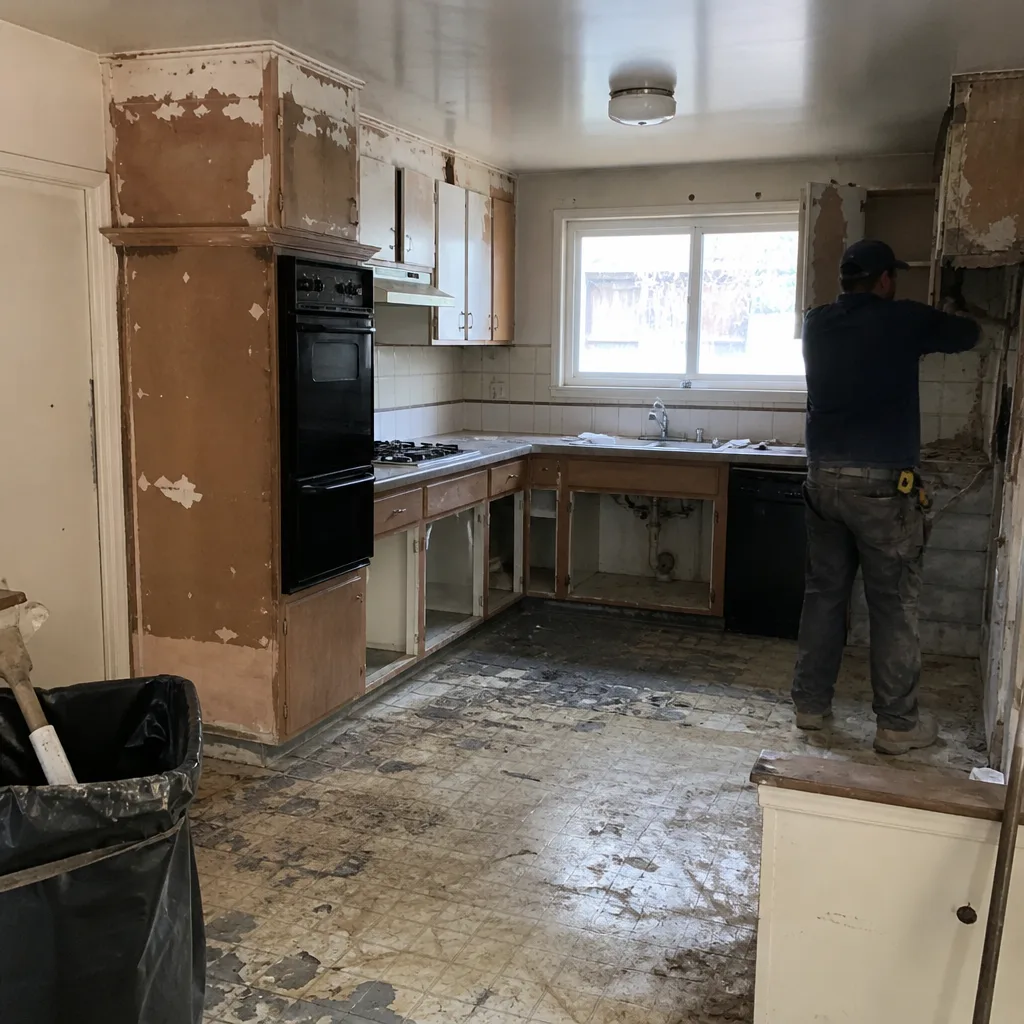 Before
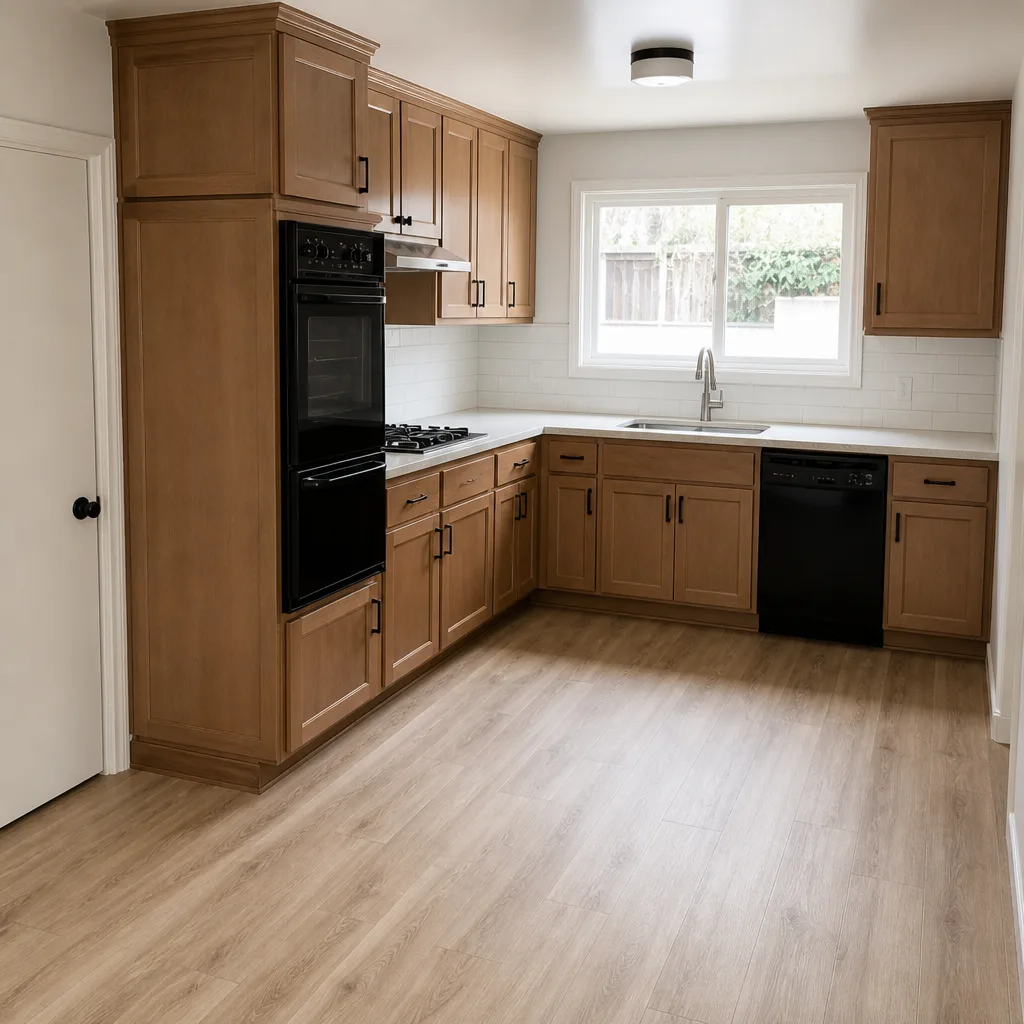 After
Replacement Cost & What’s Included

For a Plant Prefab home in Vallejo, plan on $8,000 – $20,000 for a full roof replacement and $400 – $1,800 for a repair, installed. What moves the number: the size and pitch of the roof, whether the deck underneath is sound or needs re-sheathing, how many penetrations and module joints need re-flashing, and whether you’re choosing architectural shingles from the GAF or CertainTeed lines versus a membrane system on the flatter sections.
Every quote we hand you is a written, line-item price before any work begins. Materials, labor and disposal listed separately so you can see where the money goes, and that number doesn’t move at the door. The price we quote is the price you pay unless you approve a written change. When we finish, you get a clean site, a documented scope, and the signed 365-Day Done Right Promise in your hand: if the roof we installed fails within a full year, we come back and correct it at no charge.
DIY or Call Us?
You can safely walk the yard, look up with binoculars, check the gutters for granules, and photograph any ceiling stain or seam gaps you spot. That tells you roughly what’s going on.
What you shouldn’t do yourself is climb onto a Plant Prefab roof to re-seal a joint or re-nail a shingle. Prefab roof panels and site-built roofs fail differently. The deck may be thinner than you expect, the fall from a two-story roof is just as far, and a bad re-seal on a module joint can channel water into the wall cavity instead of the ceiling. Roof work at height is a trained-professional job, and we say that plainly because it’s true. Give us a call and we’ll inspect it, tell you what it needs, and quote the fix in writing. Call (844) 560-4789 to schedule a free estimate.
FAQs
A Plant Prefab roof with architectural asphalt shingles can last 20 to 30 years in Vallejo’s climate, but the site-built module joints are the exception: without re-flashing and re-sealing after modules are set, those joins are the first thing to leak, often well before the shingle life is up. If your home was assembled more than a decade ago and the joints have never been serviced, that’s your most likely problem area.
Yes, usually. A single leak at a module seam, a flashing failure or a few damaged shingles is a repair in the $400 – $1,800 range, not a replacement, and we’ll tell you honestly which one your roof needs. We only recommend a full replacement when the deck, shingles or multiple joints have failed at once.
Most Plant Prefab roof replacements take one to three days on site, depending on roof size and how much re-flashing the module joints need. We’ll give you the schedule in writing with the price so you can plan around it.
We start from the model and fabrication date on the manufacturer’s data plate, then match the shingle, underlayment and flashing package to that spec, including the deck thickness and fastener pattern the factory called for. We don’t guess at compatibility, and we don’t claim to stock Plant Prefab parts ourselves, since materials are ordered to each home’s spec.
Roof problems on a prefab home get worse with every rain, and Vallejo’s wet season doesn’t wait. Call (844) 560-4789 for a free estimate. You’ll get a written price, a clear scope and the 365-Day Done Right Promise in writing before we start. Our technicians have up to 22 years of experience on residential roofs, and a live person answers the phone 24/7.
Written by the team at Bradford Remodeling Co Vallejo, serving Vallejo and nearby areas.