Free written scope consultation - allowances, timeline, and change-order rules on paper before a single trade is scheduled
Sterling Fence Installation: The Vallejo Owner’s Guide
Installing a Sterling-compatible fence system in Vallejo typically runs $3,500 to $9,000 installed, depending on linear footage, fence style, and how much removal and disposal of the old panels is involved. We give you that price in writing before any work starts, and every fence we install carries the 365-Day Done Right Promise. We’re an independent contractor, not affiliated with Sterling.
Most Vallejo owners figure out something is wrong a few ways. A gate starts dragging on the latch side, or the hinge post begins to lean after the second winter of clay soil. A picket or panel cracks at a fastener line along the Bay-facing run where the wind hits hardest. Sometimes it’s simpler than that: the person who installed the fence used mismatched post brackets, and the panels won’t sit plumb anymore. These are the symptoms we get called about most, and they’re worth reading before you decide to repair or replace.
Which Sterling Models This Applies To
Sterling has offered several residential fence lines over the years, and the part that fits a wood composite picket run won’t fit a vinyl privacy panel system or an ornamental aluminum run. To identify what you have, check the post cap or the inside face of a panel for a model stamp, measure the actual post dimensions (a “4×4” nominal post is really 3.5 inches square, and a “5×5” is 4.5 inches), and note whether your panels are tongue-and-groove assembled or single extruded sheets. Composite and wood-core lines tend to share a picket profile within a series; vinyl lines vary by rail spacing and panel height. Get that measurement wrong and a replacement panel simply won’t sit in the existing rails.
On the OEM-vs-aftermarket question, here’s the honest split. OEM replacement parts give you a guaranteed fitment to that specific Sterling series, and that matters most for decorative caps, custom rail profiles, and anything with a proprietary connector. A quality aftermarket manufacturer working in the same material class (a vinyl post in the right color and dimension, or a composite picket with a matched profile) is a fine choice for standard components and usually saves money. What we don’t do is invent compatibility. We measure your existing fence and match the actual dimensions on paper before we order. Sterling fence systems have their own series-specific hardware, so the “one size fits all” panel from a big-box aisle is where most Vallejo rework calls start.
Styles & brands we work with
- Kitchen remodeling
- Bathroom remodeling
- Home additions & ADU
- Roofing
- Windows & doors
- Driveway & pavers
- Fence
Signs Your Sterling Fence Installation Is Failing
These are the symptoms we see most on older Sterling fence runs around Vallejo:
- Leaning posts, especially on the uphill side. Vallejo’s expansive clay holds water in winter and shrinks in summer, and a post hole that wasn’t set deep enough or was backfilled with bare soil instead of compacted gravel will work loose. The post moves before the panel does.
- Gate sag and grinding latches. Gate hardware takes a beating because the gate is the moving part, and the hinges or the gate frame itself lose their square over years of use. Once a gate drags, the hinges are usually the first thing to inspect, not the whole fence.
- Cracks or cracks starting at fasteners. Wind along exposed Vallejo side yards puts pressure where the fasteners enter a panel. A crack at a fastener is a hinge-point for a larger failure if the panel above it keeps flexing.
- Warping or separating rails. Extreme sun on one face and damp air on the other are why vinyl and composite rails slowly cup or separate at the tongue. The panel is often fine; the rail isn’t.
- Wood rot or rust at the base line. Ground contact and yard drainage take the bottom of a wood-core fence first. If the pile of soft wood or visible rusting fasteners is confined to the bottom 12 inches, that’s a repair conversation, not a full replacement.
See the difference
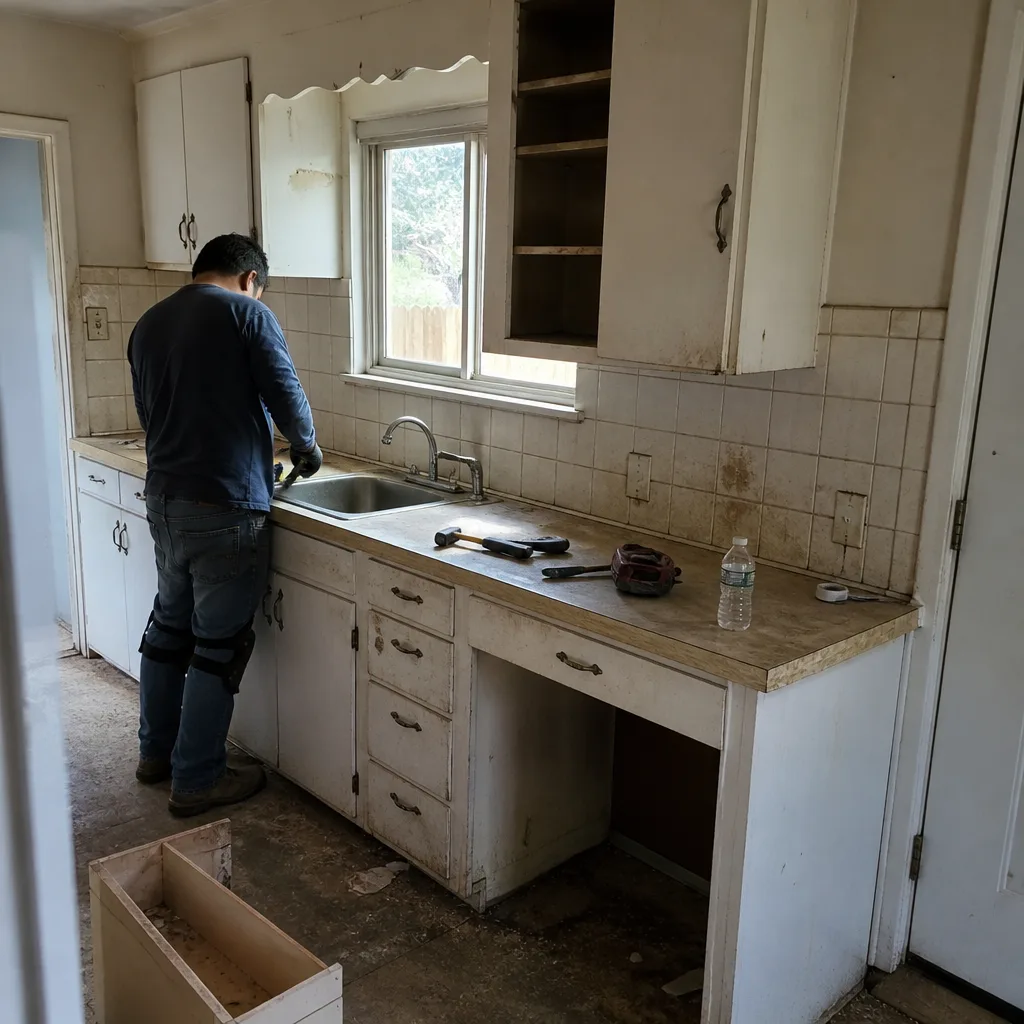 Before
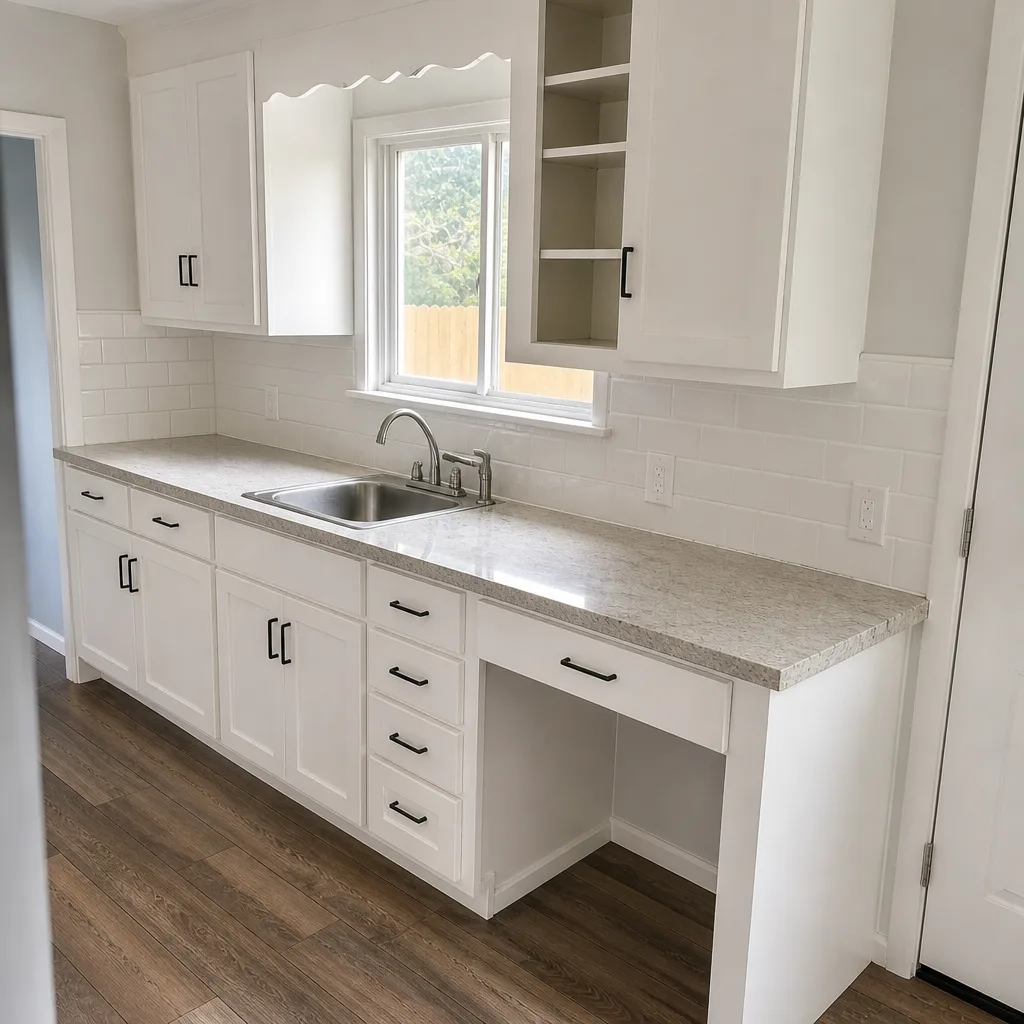 After
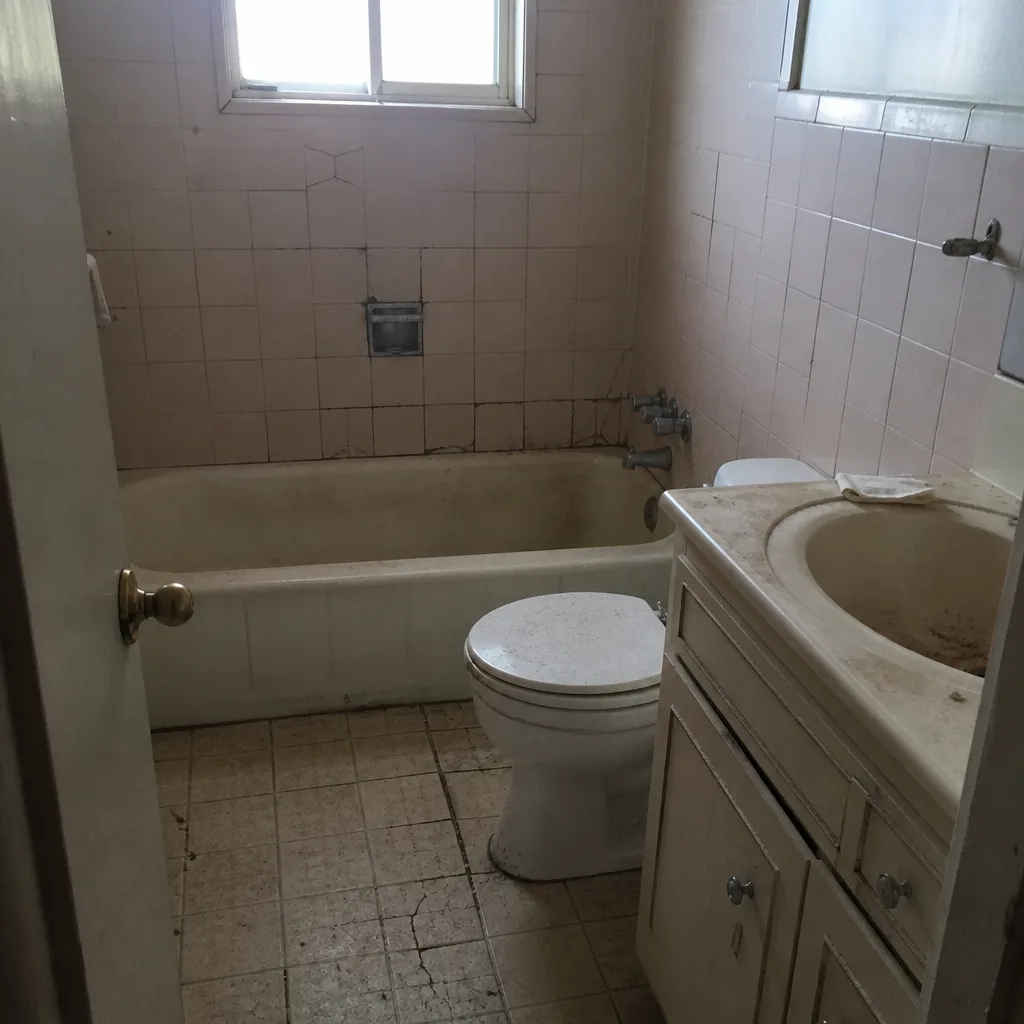 Before
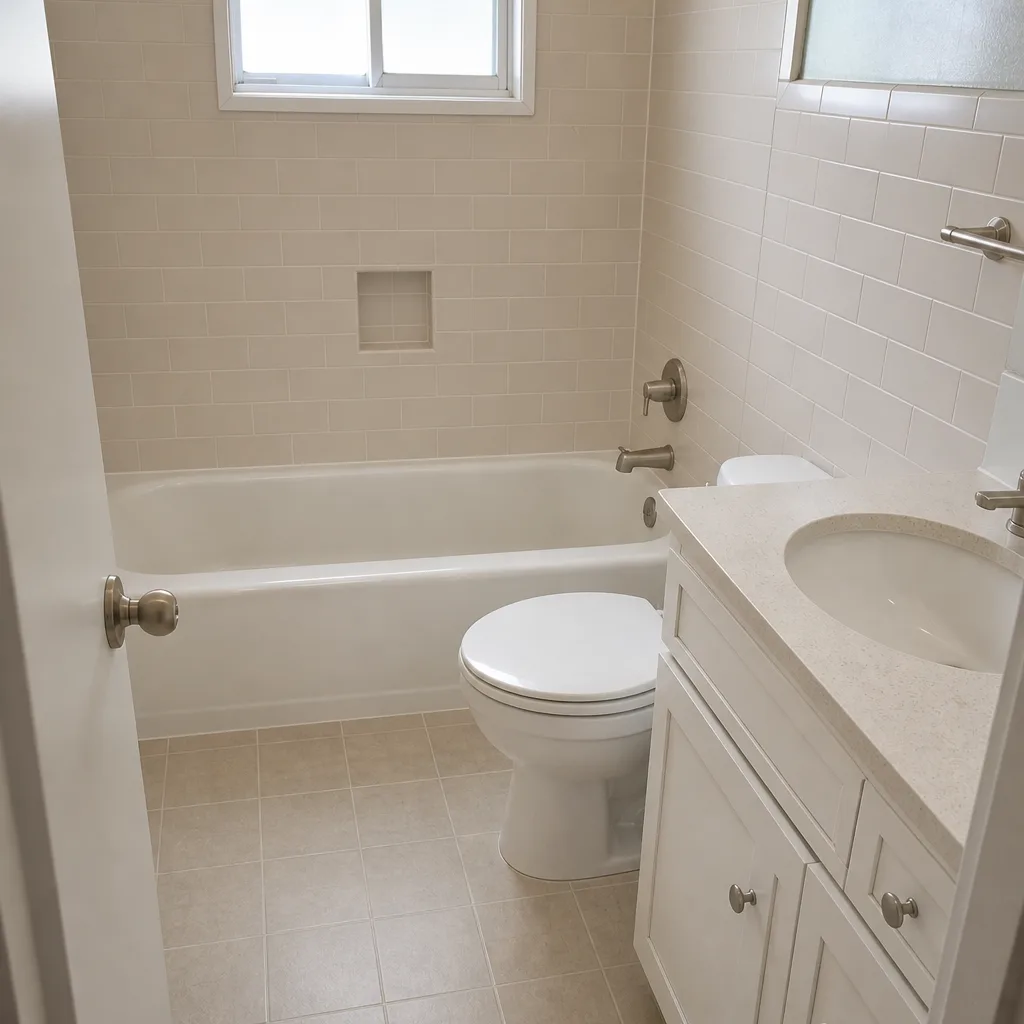 After
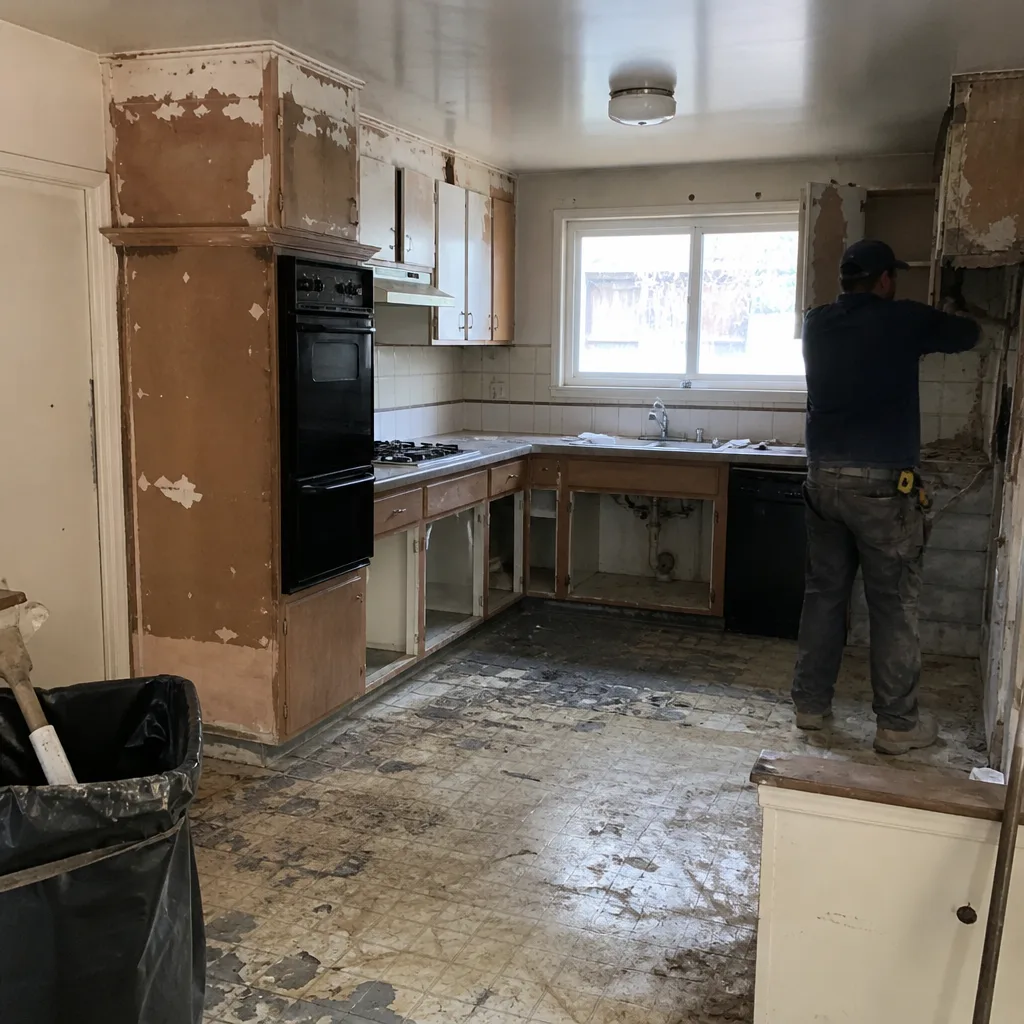 Before
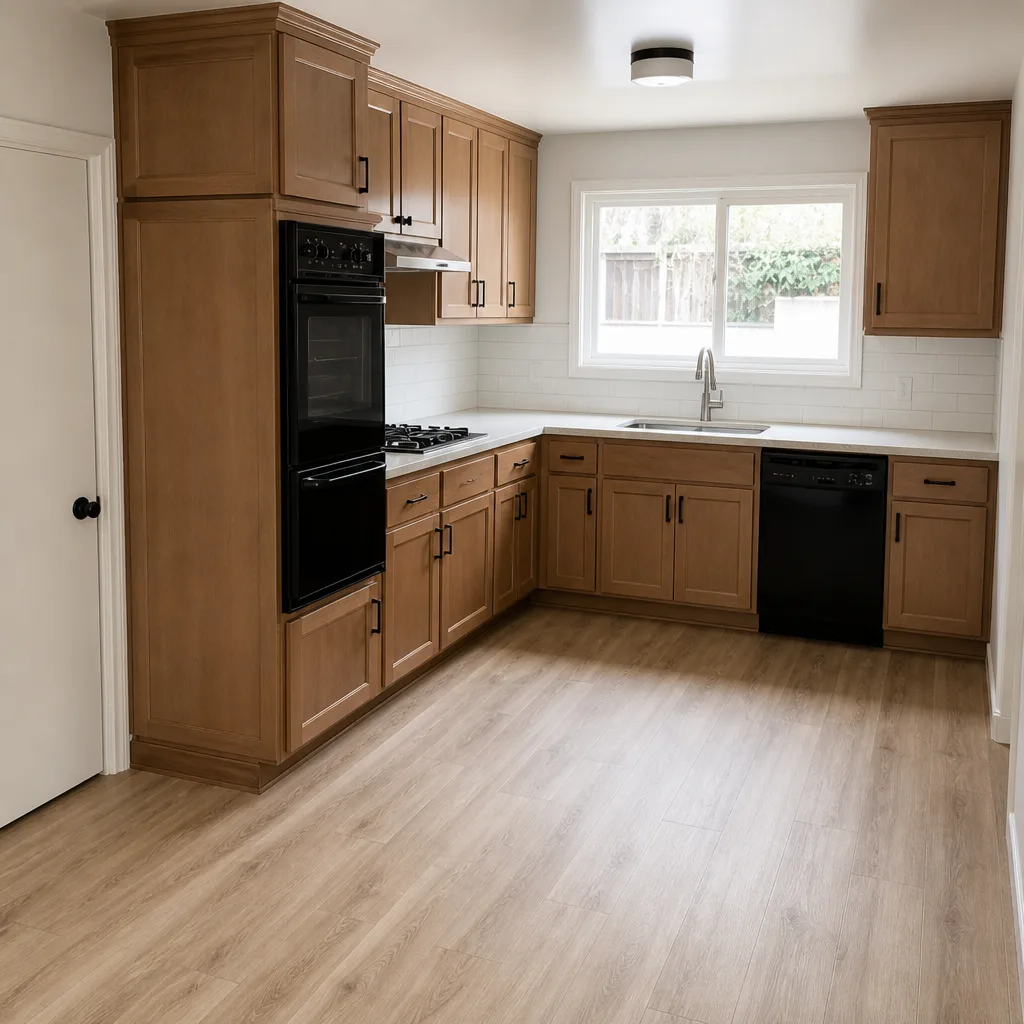 After
Replacement Cost & What’s Included
In Vallejo, a full vinyl fence installation runs $3,500 to $9,000, and an aluminum fence installation runs $4,000 to $10,000. What drives the range is linear footage, fence height, the number and type of gates, and how much old fence and concrete footing needs to be removed. A short run with one gate sits at the low end; a long perimeter with multiple gates, a slope, and concrete footings throughout the old line sits at the top.
Here’s what our written quote breaks out line by line:
- Removal and haul-away of the existing fence and footings
- Post holes set to depth, gravel and concrete
- Panels, rails, posts, caps, and all hardware
- Gate hanging and latch alignment
- Site cleanup at close
That number doesn’t move at the door. Every completed fence carries the 365-Day Done Right Promise – if the work fails inside that year, we come back and make it right at no charge. We work with documented materials and name-brand suppliers; on interior jobs that roster runs to KraftMaid, Cambria, and Silestone, and the same traceable-spec discipline applies to fence material.
DIY or Call Us?
An owner can safely walk the fence line, note where a post is leaning, flag a dragging gate, and measure the post and panel dimensions so they can order the right material. That’s useful information and it makes our quote faster.
The DIY line is where you need to be honest with yourself: setting a post in Vallejo clay to the depth and compaction it needs, cutting through old concrete footings without nicking a gas or irrigation line, and re-hanging a gate so it stays square for years, not weeks. Those jobs are physical, and a fence is only as good as the post it hangs on. We’ve seen more “I’ll just reset it myself” weekends end in a bigger repair than the original problem. If you’re at all unsure, call us to schedule a free estimate. You’ll get the written price before anything starts, and our technicians (up to 22 years of experience) carry a documented method into every job.
FAQs
How long does a Sterling fence last in Vallejo?
Expect 15 to 20 years from a well-installed vinyl or composite fence in Vallejo’s conditions, and often longer for aluminum. The Bay-area damp cold and the dry summers are the two pressures your fence sees, and post setting quality matters as much as panel material.
Can a failed Sterling fence be repaired instead of replaced?
Sometimes, yes. A single leaning post, a dragging gate, or a bottom rail that needs replacing is often a repair, not a full replacement, and we price it that way. If more than about a third of the posts are moving, replacement is usually the better spend. Call (844) 560-4789 for a free estimate and we’ll walk the line with you.
How many days does the swap take?
Most residential fence installations are a two to four day project once material is on site. Long perimeter runs, multiple gates, and cold-weather concrete cure times push to the longer end. We give you the schedule in writing with your quote.
How do we source the part?
We measure your existing post, panel, and rail dimensions, then match the correct profile against the material spec before ordering. If a standard profile fits, we use it. If your Sterling series needs a specific component, we source it and note it on the quote. You’ll never get a “we’ll figure it out on the day” order from us.
Call (844) 560-4789 to schedule your free estimate. Line-item written price, live person on the phone whenever you call, and the 365-Day Done Right Promise on the finished job. We serve Vallejo and the surrounding areas, and we answer questions about Vallejo fence work every week.
Written by the team at Bradford Remodeling Co Vallejo, serving Vallejo and nearby areas.