

Free written scope consultation - allowances, timeline, and change-order rules on paper before a single trade is scheduled
Tamko Home Additions & ADU: The Vallejo Owner’s Guide
If you’re building a home addition or an ADU in Vallejo and the roofing or weather-barrier side of the project involves Tamko materials, we install and finish those systems, and the full build typically runs $45,000 – $130,000 for a home addition and $90,000 – $220,000 for a detached or attached ADU depending on size, foundation, and finish level. The failure picture usually shows up the same way: a stain on the ceiling below the addition, granules collecting in the gutter, a soft spot near the tie-in where the new roof meets the original house, or water tracking down a wall after a hard rain off San Pablo Bay.
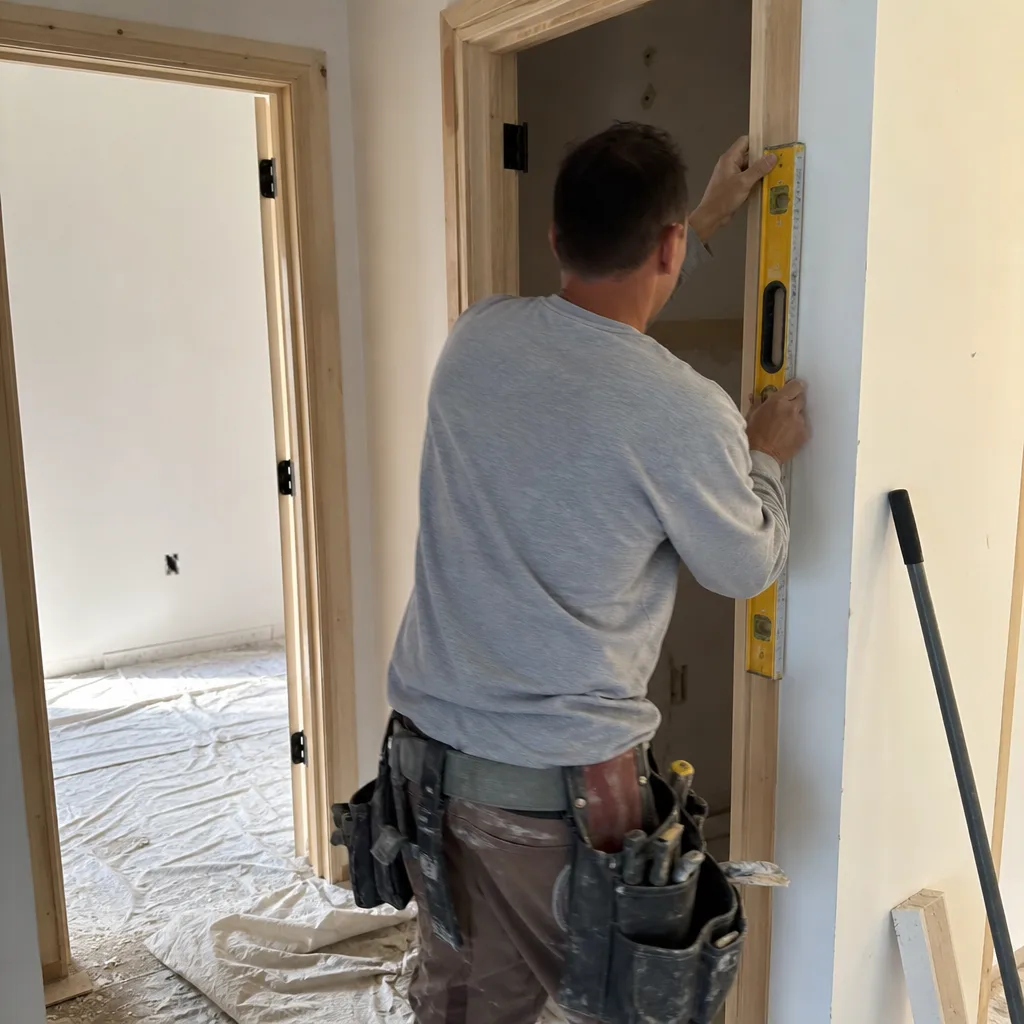
We’re Bradford Remodeling Co Vallejo, an independent contractor and not affiliated with Tamko. This page is about the Tamko side of additions and ADUs, what fails first, what it costs, and where a homeowner should stop and hand it to a crew.
Key Takeaways
- Tamko shingles and underlayments on a Vallejo addition need the right product line for the roof pitch and the right flashings at every tie-in.
- Most addition and ADU leaks trace back to transitions, not the field of the roof.
- Additions in Vallejo run $45,000 – $130,000; ADUs run $90,000 – $220,000.
- Written price before any work starts, and the 365-Day Done Right Promise covers the finished work.
Which Tamko Models This Applies To
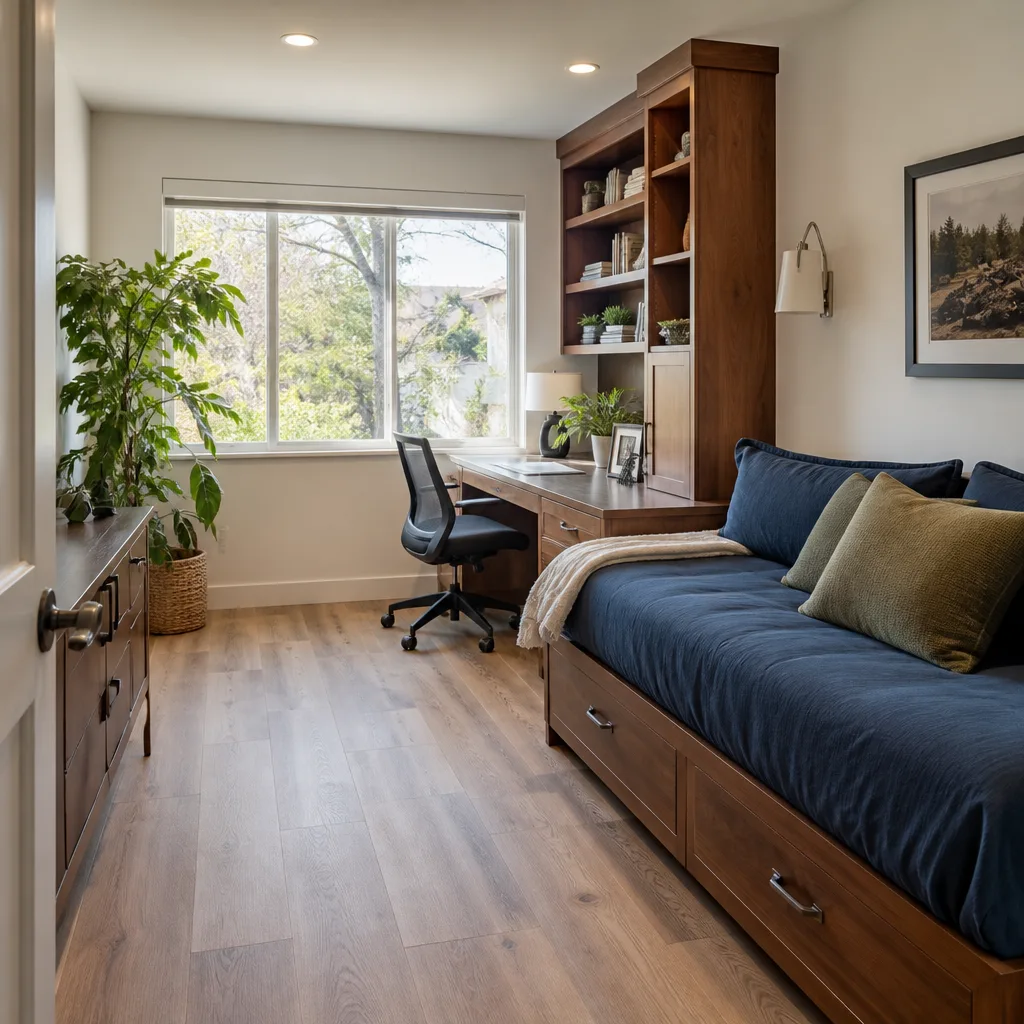
Tamko makes several shingle lines that show up on additions and ADUs in Vallejo, and the line matters more than the color. Heritage and Heritage Pro are the laminated architectural shingles you’ll see most often, and Heritage Pro is rated for higher wind, which counts on exposed roofs near the waterfront and along the hills above the Solano County line. Tamko’s Titan XT is the heavier, more wind-rated line, and it’s worth the upcharge on an addition with a steep pitch or long ridge. On a low-slope addition roof, you’re not in shingle territory at all: Tamko’s low-slope rolled products and underlayments are a different family, and mixing them up is the single most common compatibility mistake we see.
To identify what’s actually on the roof, check three things:
- The stamp on the back of a loose shingle tab, or the product label on a bundle left in the garage.
- The shingle profile: laminated architectural (flat, dimensional) versus three-tab (uniform rectangular) versus a heavier designer profile.
- The exposure measurement, typically 5 to 5-5/8 inches on an architectural shingle, which tells you the field sizing you need to match.
OEM versus aftermarket: Tamko’s own flashings, starter strips, and ridge caps are the safest match for Tamko field shingles because the manufacturer’s specs and warranties are written around them. A quality aftermarket flashing or underlayment from a recognized manufacturer is fine on most installations, but check the spec sheet against the Tamko product line before you buy. We work with KraftMaid, Cambria, and Silestone on the interior side of these builds, and we treat the Tamko exterior the same way: documented, specified, traceable.
Styles & brands we work with
- Kitchen remodeling
- Bathroom remodeling
- Home additions & ADU
- Roofing
- Windows & doors
- Driveway & pavers
- Fence
Signs Your Tamko Home Additions & ADU Is Failing
- Granule loss in the gutters. You’re seeing sand-like grit in the gutter or at the downspout after rain. On an older Tamko architectural shingle this usually means the shingle is past its service years and the asphalt is breaking down. In Vallejo’s sun and marine air, shingles age faster than the inland California average.
- Water staining at the tie-in. A brownish ring on the ceiling or wall where the new addition roof meets the original house. This is almost always a flashing or step-flashing failure, not a shingle failure, and it’s the number-one call we get on additions.
- Curling or lifting shingle edges. The corners of the shingles lift instead of lying flat, usually from inadequate attic ventilation or a nail set too high. On a low-pitch addition roof this shows up within a season.
- Soft spots or a spongy feel when you walk the roof. Underlayment or roof decking has taken on water. This means the barrier failed, not just the shingle, and it needs to be opened up, not patched over.
- Ice-and-water or underlayment failure at valleys. Water backs up under the field shingles in a valley where the underlayment wasn’t lapped correctly. Valleys on an addition are the second-most common leak point after the tie-in.
See the difference
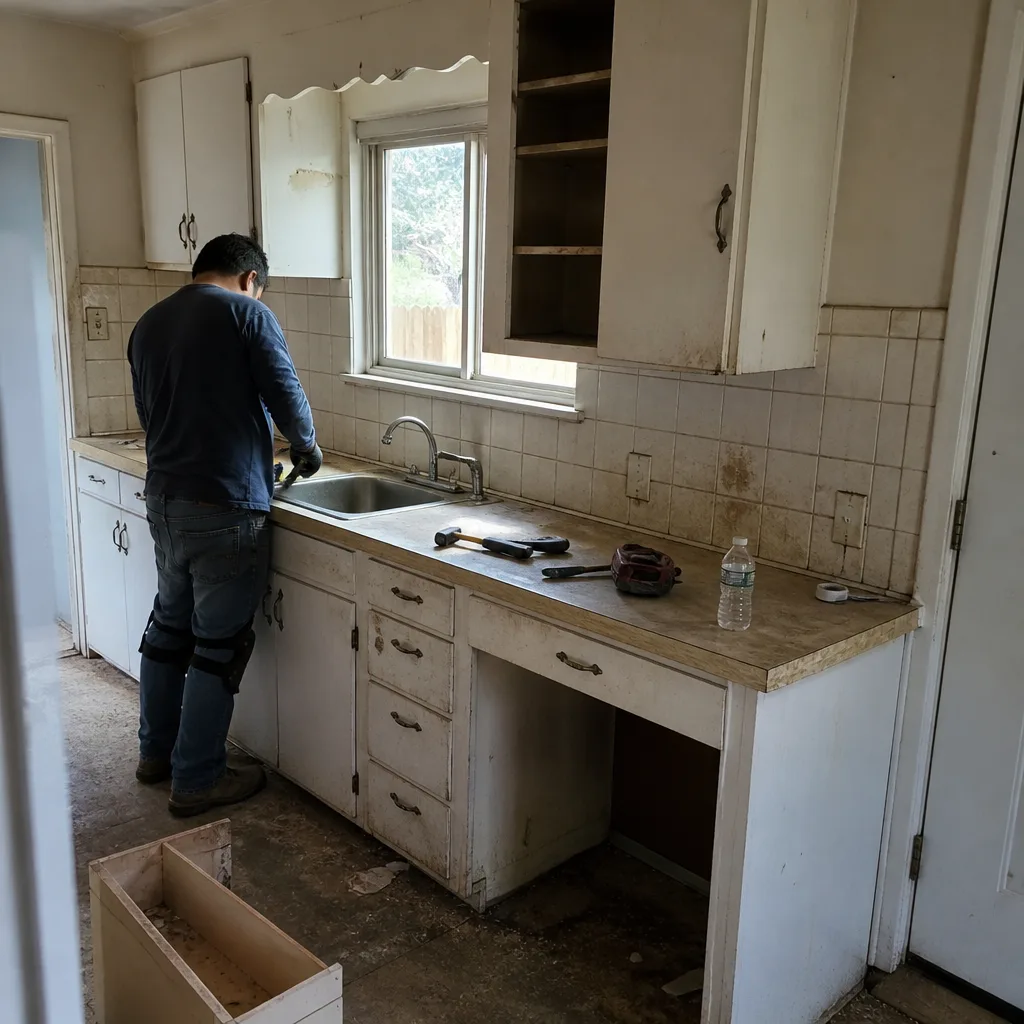 Before
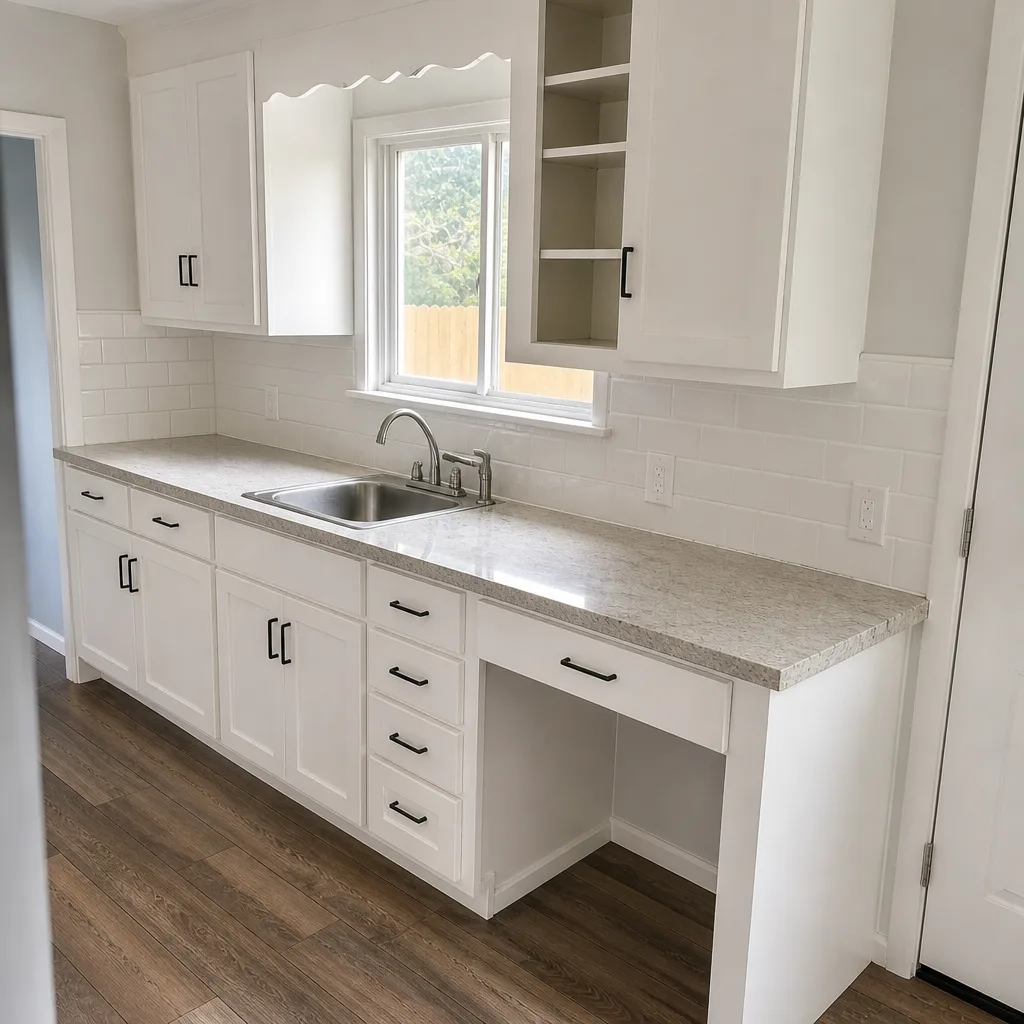 After
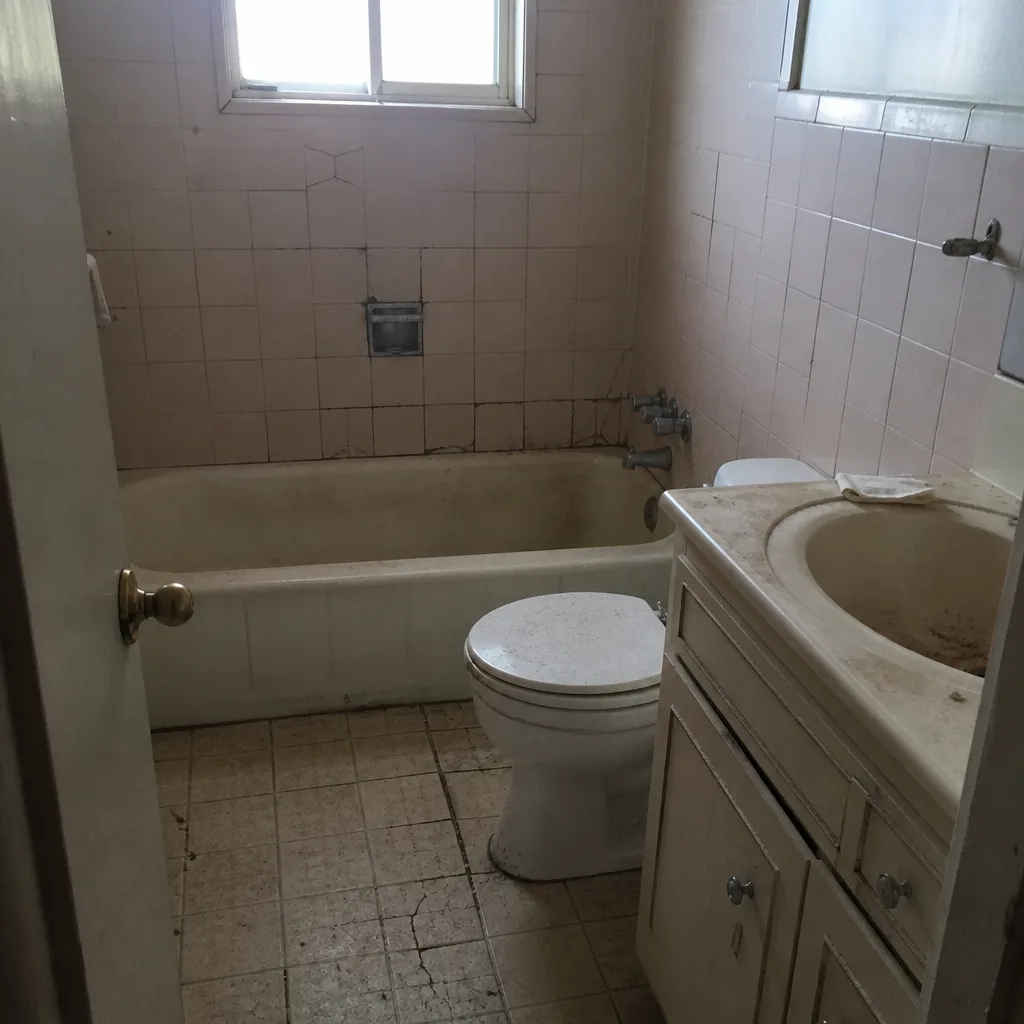 Before
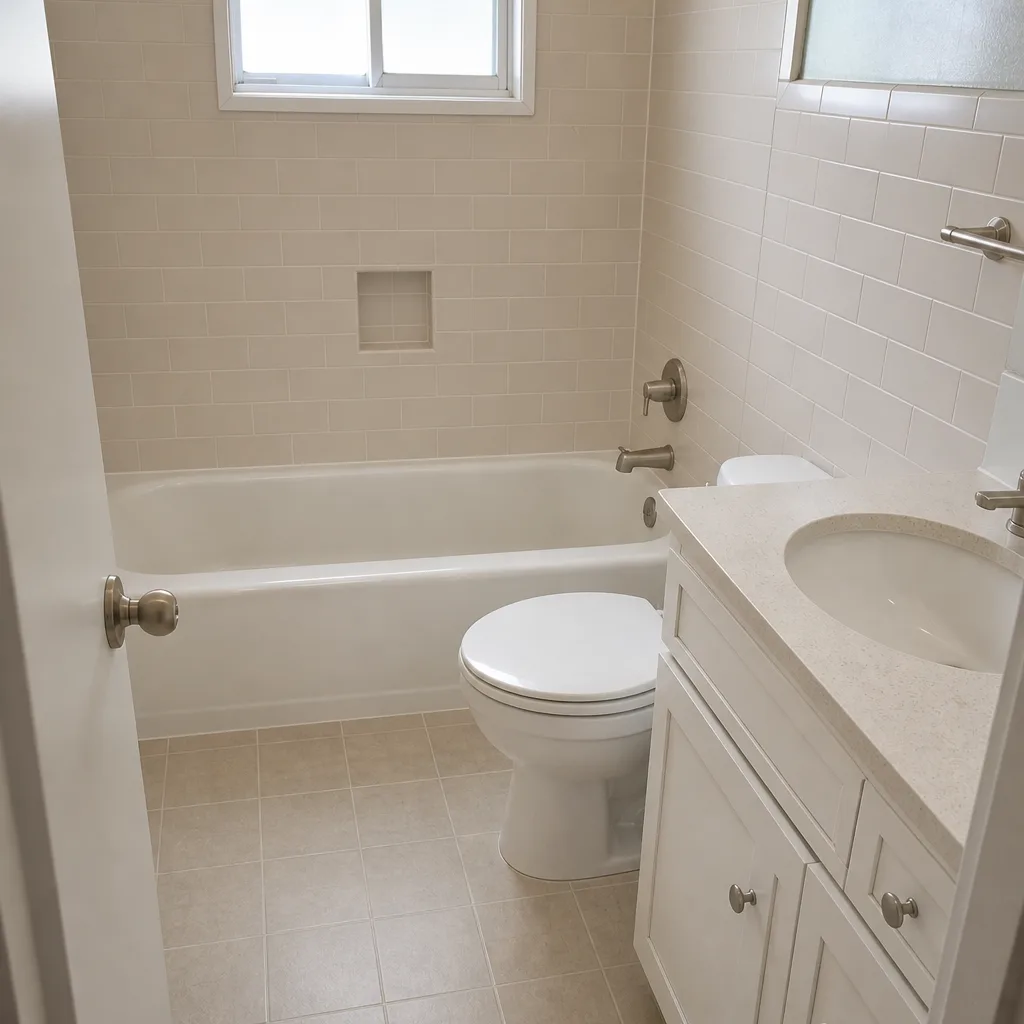 After
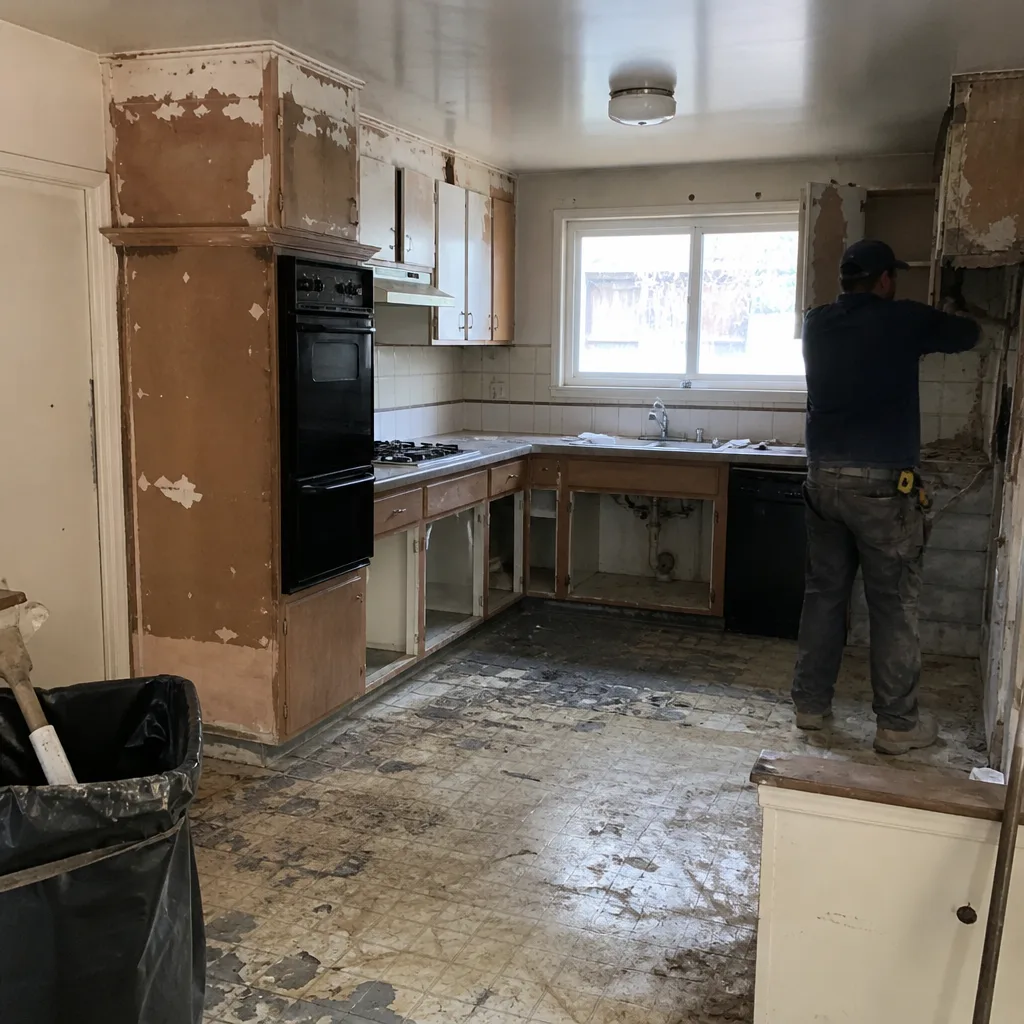 Before
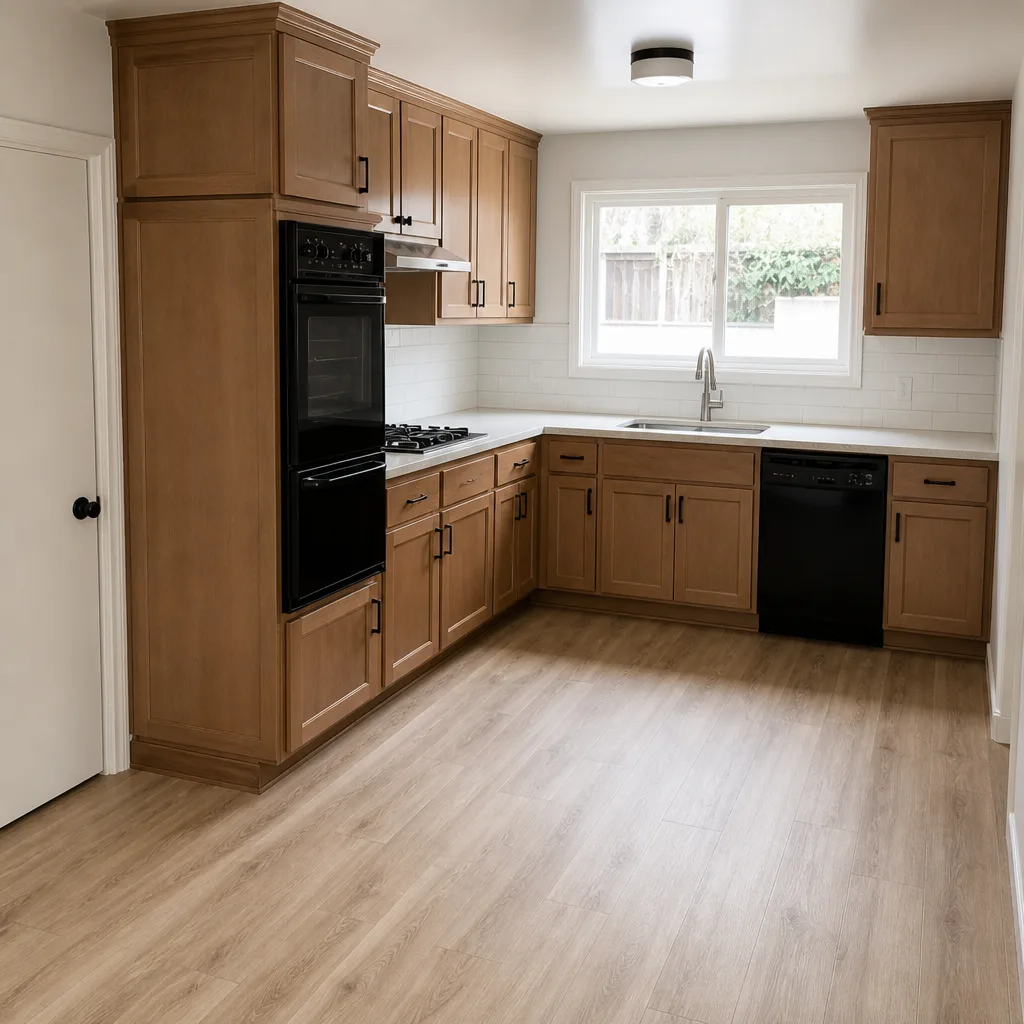 After
Replacement Cost & What’s Included
Replacing the roof system on an addition is part of the broader project, but homeowners ask for the number on its own, so here’s how we price it in Vallejo:
- Home Addition (full project, roof included): $45,000 – $130,000
- ADU Construction: $90,000 – $220,000
- Garage Conversion: $30,000 – $80,000
- Roof Replacement on the addition (Tamko shingle system, tear-off, underlayment, flashings): $8,000 – $20,000
- Roof Repair at a tie-in or valley: $400 – $1,800
What drives the range on a roof: square footage, pitch, number of tie-ins and valleys, whether the decking is sound, and which Tamko line you choose. We give a written, line-item price before any work starts, and it doesn’t move at the door. The finished work is covered by the 365-Day Done Right Promise: if it fails within the year, we come back and correct it at no charge. The materials carry their own manufacturer warranties on top of that.
DIY or Call Us?
Some of this you can safely check yourself. From the ground with binoculars, you can look for granule loss, curled tabs, and staining at the tie-in. You can go in the attic with a flashlight and look for daylight, water staining, or damp decking. You can check the gutters for grit.
What you shouldn’t do is walk a steep addition roof, pull shingles back to diagnose a leak, or attempt the flashing at a tie-in. Tie-ins and valleys are where leak calls originate, and a homeowner diagnosis typically ends with a bigger opening than the original problem. Roof work at height is genuinely dangerous, and it’s also the part most likely to void a manufacturer warranty if it’s done wrong. The trade term matters here: the underlayment is the waterproof barrier under your shingles, and if it’s lapped the wrong direction at a valley, the shingle on top won’t stop the water.
If you’re seeing any of the symptoms above, call (844) 560-4789 for a free estimate. A live person answers, day or night.
FAQs
Heritage and Heritage Pro typically deliver 20 to 30 years of service on a well-vented Vallejo roof, and Titan XT runs longer in the manufacturer’s rating. Marine air and summer sun on a low-pitch addition run it closer to the low end. Call (844) 560-4789 if you want an honest read on yours.
Yes, if the failure is at a flashing, valley, or a local area of shingles and the field is sound. A tie-in repair typically runs $400 – $1,800. If granules are gone across the field or the decking is soft, a repair is a temporary fix and the roof needs replacement.
A roof replacement on a typical addition takes two to four days, weather permitting. A flashing or valley repair is usually done in a single day. The broader addition or ADU timeline is weeks to months, and we map it in writing before any work starts.
We source through material suppliers on a documented, name-brand roster, matching the specific Tamko product line and flashings to your roof’s pitch and exposure. No parts are carried on a truck; each material is specified for your job and delivered to the site. Call (844) 560-4789 for a written, line-item price before any work starts.
Written by the team at Bradford Remodeling Co Vallejo, serving Vallejo and nearby areas.