Last updated November 17, 2026




Free written scope consultation - allowances, timeline, and change-order rules on paper before a single trade is scheduled
General Contractor Maintenance Checklist for Vallejo Homeowners
Most maintenance checklists are written for a hypothetical house in a hypothetical climate. This one isn’t. It’s built around the failures we actually get called out to look at in Vallejo, year after year. A contractor’s pre-project walkthrough catches things a homeowner’s annual inspection misses because a contractor is looking for liability, not just cosmetics: hairline cracks at shear wall corners, soil that has pulled away from the foundation perimeter, exhaust vents eaten through by marine air. By the end of this guide you’ll know what to check, when to check it in Vallejo’s wet-dry cycle, what the repair ranges look like, and how to document it all in writing so nobody can dispute the baseline condition of your home later.
Quick Answer
A Vallejo home maintenance checklist should prioritize foundation and drainage checks before the wet season (October through November), exterior paint and cladding inspection in early spring, roof flashing and gutter work in late summer, and ventilation checks in any home without central air. The order matters more than the calendar: water management comes first, everything else follows, because most “structural” problems in Vallejo start as drainage problems.
Styles & brands we work with
- Kitchen remodeling
- Bathroom remodeling
- Home additions & ADU
- Roofing
- Windows & doors
- Driveway & pavers
- Fence
Table of Contents
- Foundation and Drainage: The First Thing a GC Checks
- Exterior Cladding and Paint Failure from Marine Air
- Roof Flashing and Gutters in Vallejo’s Wind Patterns
- Ventilation and Moisture in Homes Without Central Air
- The Seasonal Calendar for Vallejo
- What Repairs Actually Cost in Vallejo
- How to Document Findings So Nobody Can Dispute Them
- Common Mistakes to Avoid
Foundation and Drainage: The First Thing a GC Checks
Vallejo sits on clay-heavy soils that swell when they’re wet and shrink when they dry, and that shrink-swell cycle is the single most common source of foundation movement in the city. Every fall, before the rains start, we walk the perimeter of a home looking for three things: soil that has settled away from the slab or stem wall, ponding areas where water stands after a storm, and downspouts that dump water within a few feet of the foundation instead of carrying it away.
A crack at a shear wall corner is the kind a contractor flags and a homeowner overlooks. Shear walls are the braced sections of wall that resist sideways movement, usually the wall segments at the corners and along the sides of the house, often with plywood sheathing behind the drywall. A hairline crack in the stucco at a shear wall corner is cosmetic. A crack that has widened since last year, or that runs diagonally from a corner, is worth a closer look. The pattern matters more than the crack itself.
Fall drainage checklist:
- Walk the full perimeter and note any soil that sits below the top of the foundation, then backfill to keep a positive slope away from the house.
- Check every downspout runs at least 4 to 6 feet from the foundation and discharges into a splash block or drainage line, not into the flowerbed.
- Look for staining or efflorescence (white mineral deposits) on the foundation wall, which shows where water has been sitting.
- Clear the area drains and any French drain outlets before the first October rain, not after.
- Photograph each corner of the foundation and the full perimeter with the date visible, once a year.
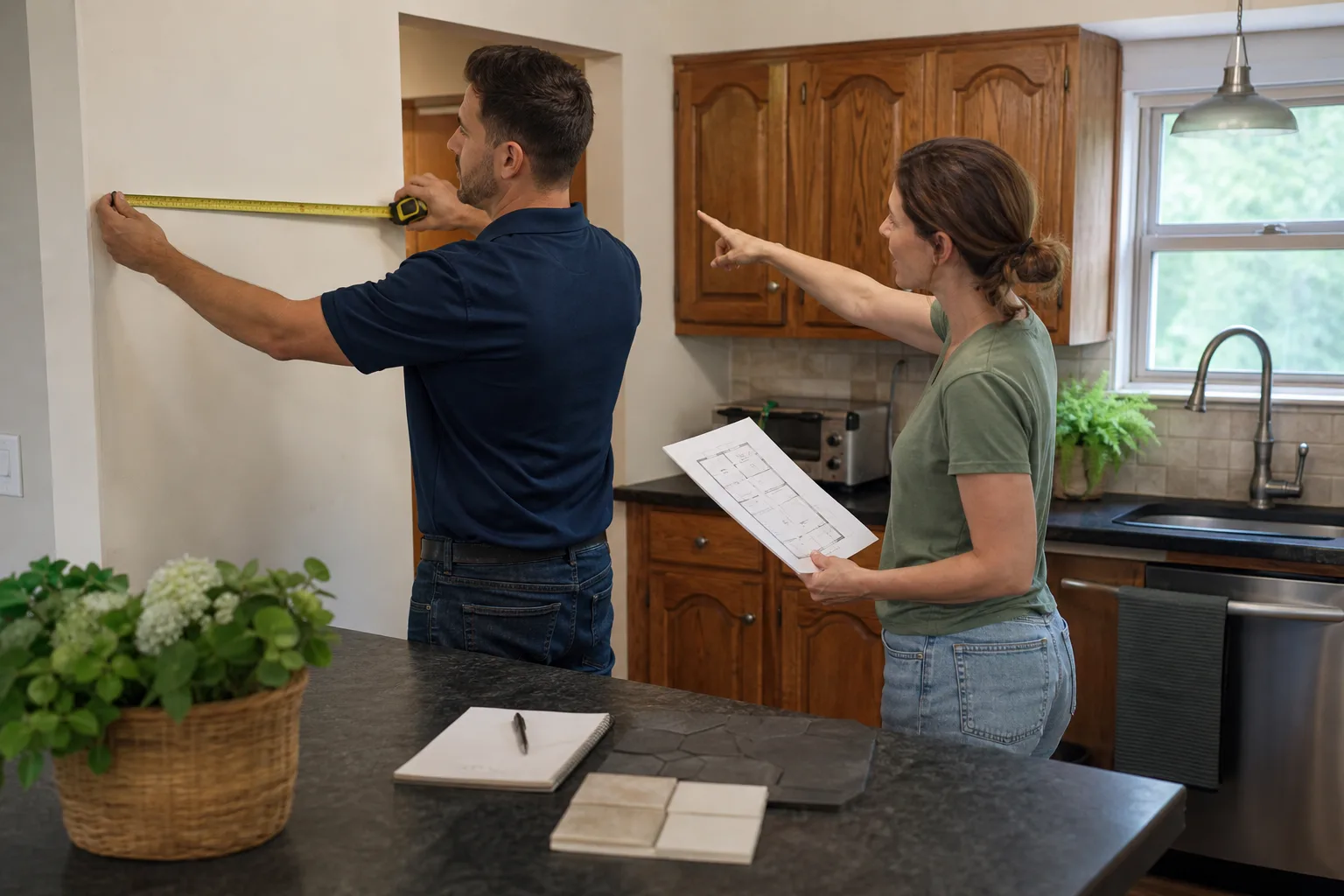
If you’re planning a larger repair or addition later, this is a good time to have a general contractor in Vallejo walk the same perimeter with you and put findings in writing.
Exterior Cladding and Paint Failure from Marine Air
Vallejo gets a marine layer that softens the summers but loads the exterior of every home with moisture and salt spray on the slow days. That combination does two things: it accelerates paint failure on the south and west faces, and it corrodes metal fasteners faster than inland California. The failure pattern is predictable. Paint chalks on the sun-facing walls and blisters on the shaded ones. Galvanized nails at the fascia rust from the head down. In spring, before the dry season begins, you’re looking for the early signs of that pattern, not the finished damage.
Spring exterior walkthrough:
- Paint: run your hand along the siding. A chalky film means the paint is on its way out. Blistering or peeling on shaded walls means moisture is getting behind the paint.
- Wood siding and trim: probe with a screwdriver at window sills, corners, and where water sheds. Soft wood means it’s already rotted and the paint can’t hide it.
- Stucco: hairline cracks under a sixteenth of an inch can be sealed. Cracks wider than that, or cracks that grow from spring to fall, need inspection.
- Fiber cement and James Hardie cladding: check the caulk joints at trim and windows. Caulk is the part that fails first, and it’s cheap work if you catch it on an inspection.
- Metal: look at the flashings, door hardware, and the fasteners through the siding for rust staining that runs down a wall.
If a wall has visible failure, the repaint isn’t the fix. The moisture source is the fix, and the paint is the correction. We write those two things separately on a written estimate, and so should anyone you hire.
Roof Flashing and Gutters in Vallejo’s Wind Patterns
Vallejo gets gusty days off the bay and hills that stress the roof differently than the inland Bay Area does. Wind doesn’t fail a roof all at once. It loosens the weakest point first, and that point is almost always the flashings and the fasteners, then the gutters, then the shingles. Late summer, before the rains, is the right time to walk the roof line.
What a roofer and a GC both look for in Vallejo:
- Flashing at chimneys, vents, skylights, and where roof planes meet a wall. Lifted or rusted flashing is a slow leak waiting for the first big storm.
- Gutter hangers that have pulled from the fascia. On a windy ridge, a full gutter is a sail, and the weight of wet debris pulls it off.
- Shingle tabs that are creased and turned up, which is how wind damage shows up, not as missing shingles.
- Debris dams at inside corners of the gutter run, where leaves collect first and back the water up under the shingles.
We recommend having gutters cleaned in early fall and checked again in March, after the heaviest rain. A GAF or CertainTeed roof with a proper underlayment will still fail at the flashing if the flashing has been neglected, and that’s not a roofing problem, that’s a maintenance problem. A maintenance visit is cheap. A repaired ceiling and a replaced deck of sheathing is not.
Ventilation and Moisture in Homes Without Central Air
A lot of older Vallejo housing stock was built without central air, often with a wall furnace, a floor furnace, or no forced-air system at all. That arrangement is fine in the dry season and a moisture trap in the wet season. Without a forced-air system moving air through the house, moisture settles in the rooms that don’t see sun, and that’s where mold starts: bathroom ceilings, closet corners, the cold side of a bedroom wall, and the subfloor under a kitchen cabinet. That last one is often the first place a homeowner finds soft flooring and the first place we’re asked to look.
What to check:
- Bathroom exhaust fans. Run one for a minute and hold a strip of toilet paper to the grille. If the paper doesn’t pull tight to the grille, the fan isn’t moving enough air to matter.
- Dryer vent. Check that the vent is metal, short, and terminated outside the wall, not into the attic or the crawlspace.
- Crawlspace moisture. Look for standing water, sagging vapor barrier, and condensation on the floor joists.
- Windows and doors. Condensation on the inside of a window in the morning in winter means the room isn’t venting. That’s a habits problem before it’s a building-envelope problem.
If you’re considering adding a system, or you’re planning a kitchen remodeling in Vallejo, the exhaust and venting are part of the same conversation. We spec Kohler fixtures and Moen exhaust controls in kitchens where the hood and the vent path are actually sized to the room, not pulled off a shelf.
The Seasonal Calendar for Vallejo
The right way to run a maintenance calendar in Vallejo is to work backward from the wet season. October through April is when the rain hits. Everything that manages water needs to be done before then. Everything that manages sun and wind can be done in the dry window from May to September.
- Late August to September: roof and gutter inspection, flashing check, chimney cap, exterior caulk joints.
- October: clear gutters, check drains, backfill soil at the foundation, test the sump pump if you have one.
- November through February: interior checks. Ventilation, moisture readings, crawlspace inspection, anything the wet season reveals.
- March to April: exterior paint and cladding inspection. The marine layer damage shows up here before it shows up anywhere else.
- May: paint touch-ups, deck and fence treatment, Anything that needs dry weather.
A one-page written checklist, done twice a year, will keep most Vallejo homes from ever needing the kind of surprise repair that turns into a five-figure job.
What Repairs Actually Cost in Vallejo
These are the ranges we see for the common findings on a Vallejo maintenance walkthrough. Every one of these should be quoted as a written line item before work starts, and a reputable GC in Vallejo will put the price in writing before a single tool comes out.
| Repair | Typical Vallejo range | When it’s done |
|---|---|---|
| Foundation perimeter backfill and downspout extensions | $150 – $600 | October |
| Stucco crack sealing (hairline, under 1/16 inch) | $250 – $750 | Spring |
| Exterior paint touch-up, typical single story | $600 – $2,400 | Late spring |
| Roof flashing repair at chimney or vent | $300 – $900 | Late summer |
| Gutter re-hang or full gutter run replacement | $450 – $1,800 | Fall |
| Bathroom exhaust fan replacement and venting correction | $350 – $850 | Any time |
| Crawlspace vapor barrier and minor joist repair | $1,200 – $4,500 | Wet season |
These are repair ranges, not remodel numbers. A bathroom remodeling in Vallejo that fixes the underlying moisture problem changes floor to ceiling, and the pricing methodology is different. But the same rule holds: written price before work begins, no numbers that move at the door.
How to Document Findings So Nobody Can Dispute Them
The most valuable thing a Vallejo homeowner can do is keep a written maintenance record. Every contractor you hire later is walking into a house they don’t know. If you can hand them a dated record that shows a hairline crack has been hairline since 2023, they can price the work with confidence, and you can’t be told a pre-existing condition is brand new. If a future GC insists something is worse than the record shows, the record is the defense.
What belongs in the record:
- Dated photos of every foundation corner and each elevation of the exterior, taken once a year.
- Notes on any crack, stain, or soft spot, with a measurement if you can take one.
- Every repair invoice and warranty, kept in one place.
- Brand and model of anything replaced, because manufacturer warranties matter when a future repair affects the same area.
- A one-line log of every contractor visit: date, who came, what was found, what was recommended.
That record is the reason Bradford’s written pricing and the 365-Day Done Right Promise make sense. We give the written price before work starts and stand behind the finished work for a full year, and the record makes both sides of that transaction traceable. If the work fails inside the guarantee window, we come back and correct it at no charge. That’s a written term, not a verbal handshake.
Common Mistakes to Avoid
- Checking the roof in the rain. You can’t see flashing failure in a downpour, and it’s the wrong time to be on the roof. Walk the roof late summer, before the storm season, and log what you see.
- Pricing paint without probing the wood. A quote for a repaint on siding that has gone soft is a waste of a paint job. Probe with a screwdriver first, every time.
- Ignoring the soil line. Homeowners rarely backfill the perimeter, and the soil pulls away from the foundation in Vallejo clay soil within a season or two. This is the cheapest fix on the list and the most commonly skipped.
- Treating mold as a cosmetic problem. Mold in a bathroom ceiling or a kitchen cabinet is a moisture problem showing itself. Cleaning it without finding the source means you’ll be cleaning it again next winter.
- Running a dryer vent into the crawlspace. We see it more than you would think in older Vallejo homes, and it turns a manageable crawlspace into a persistent mold problem.
- Taking a verbal estimate. A verbal number is not a price. Get it in writing, itemized, before work starts, or expect the number to move.
- Not keeping records. The best protection against a dispute over a pre-existing condition is a dated photo. Take one every year.
See the difference
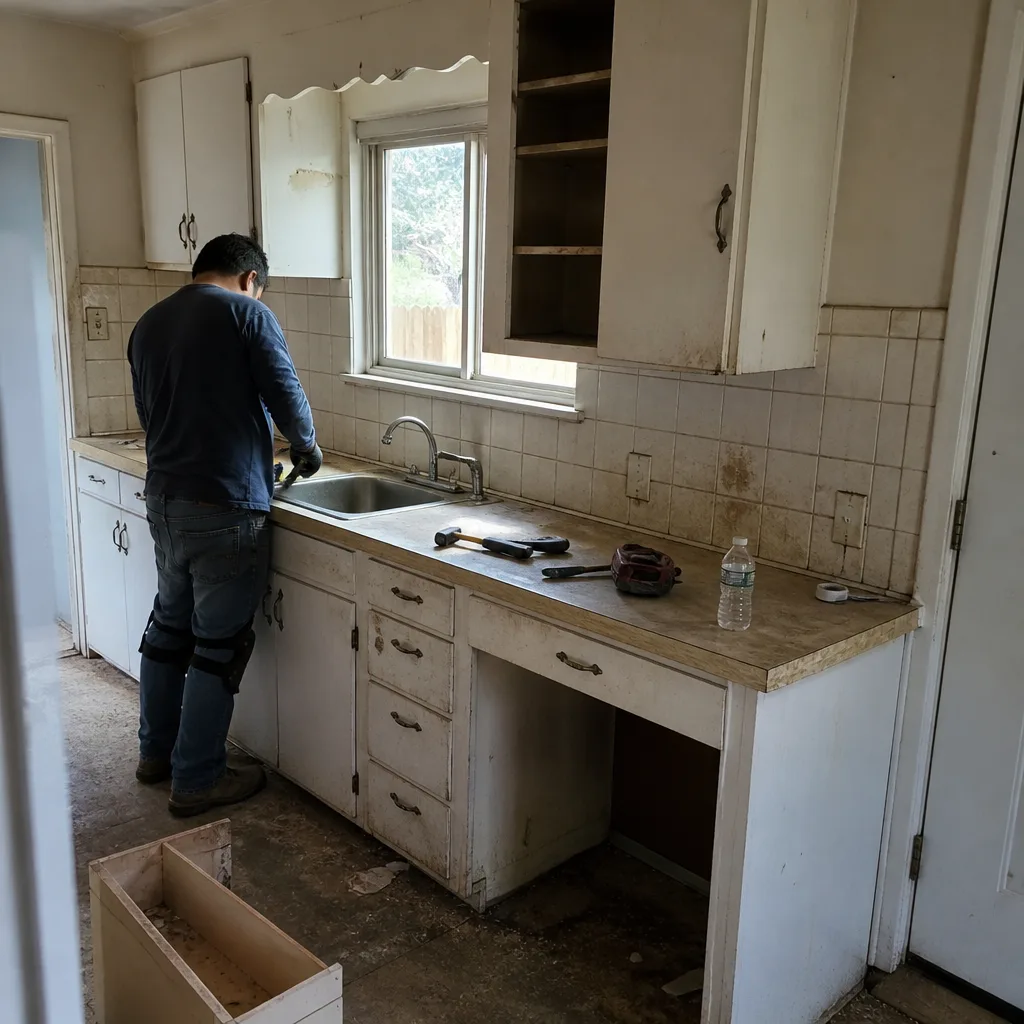 Before
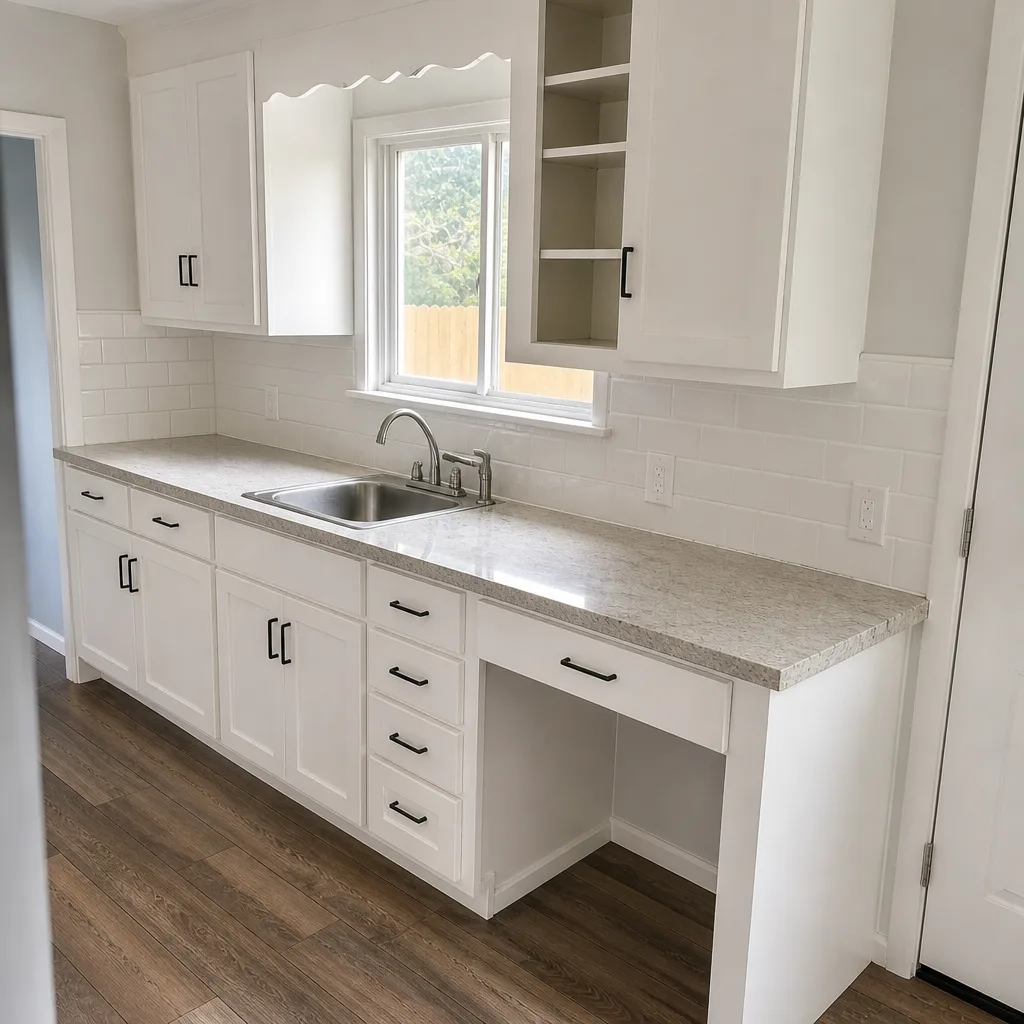 After
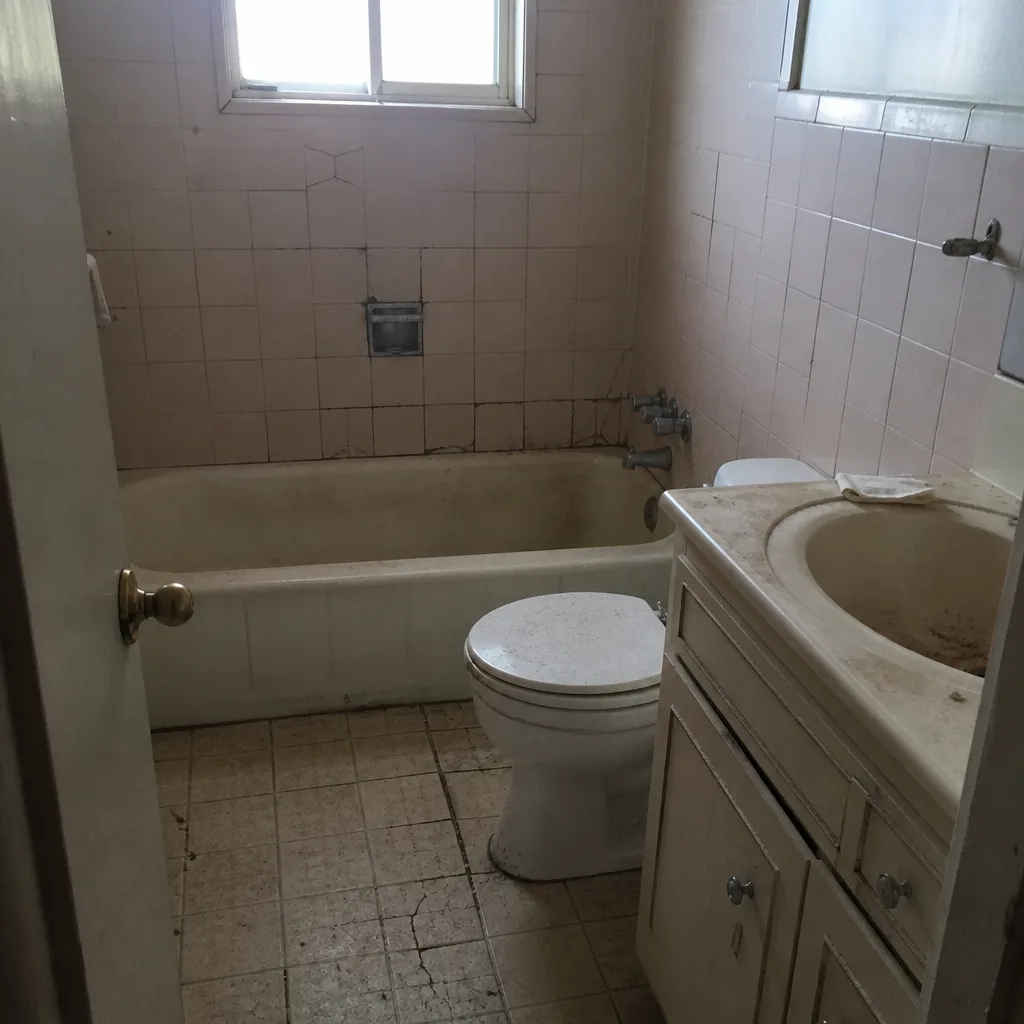 Before
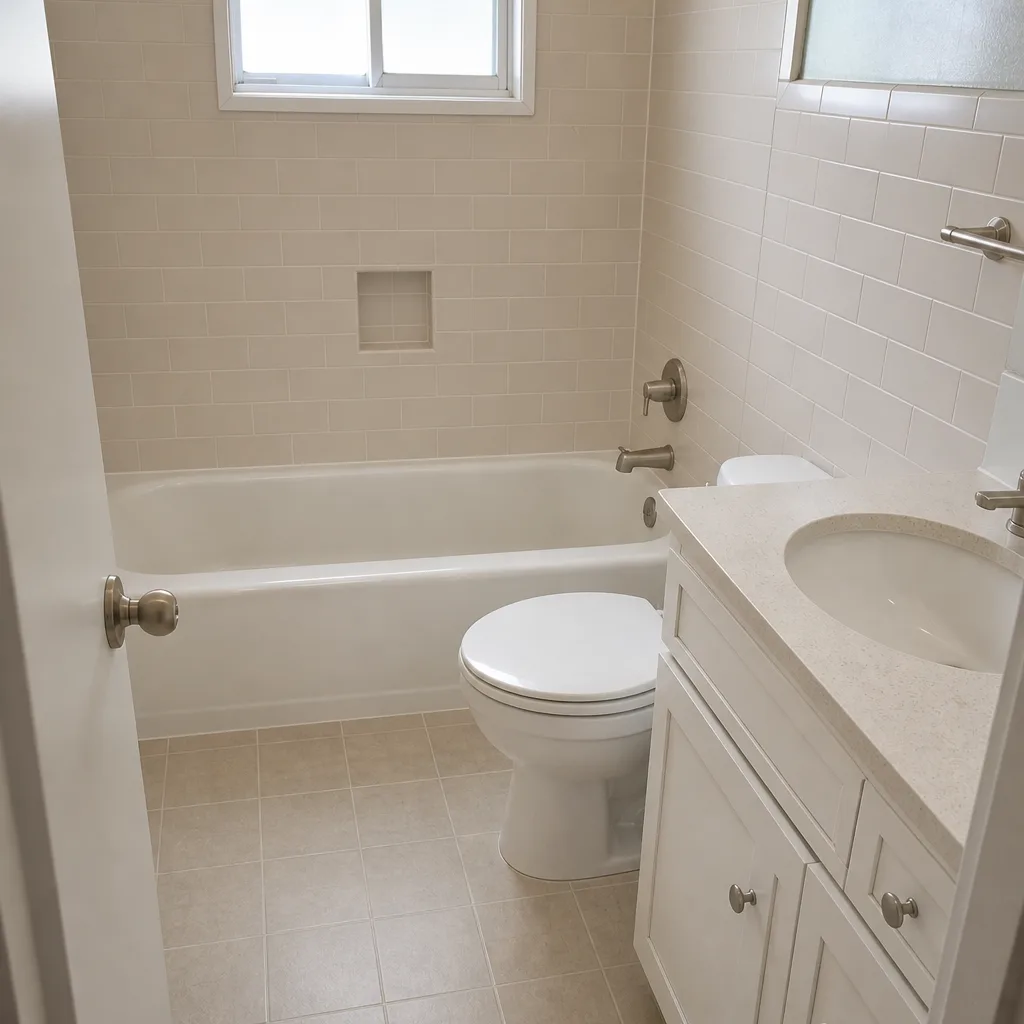 After
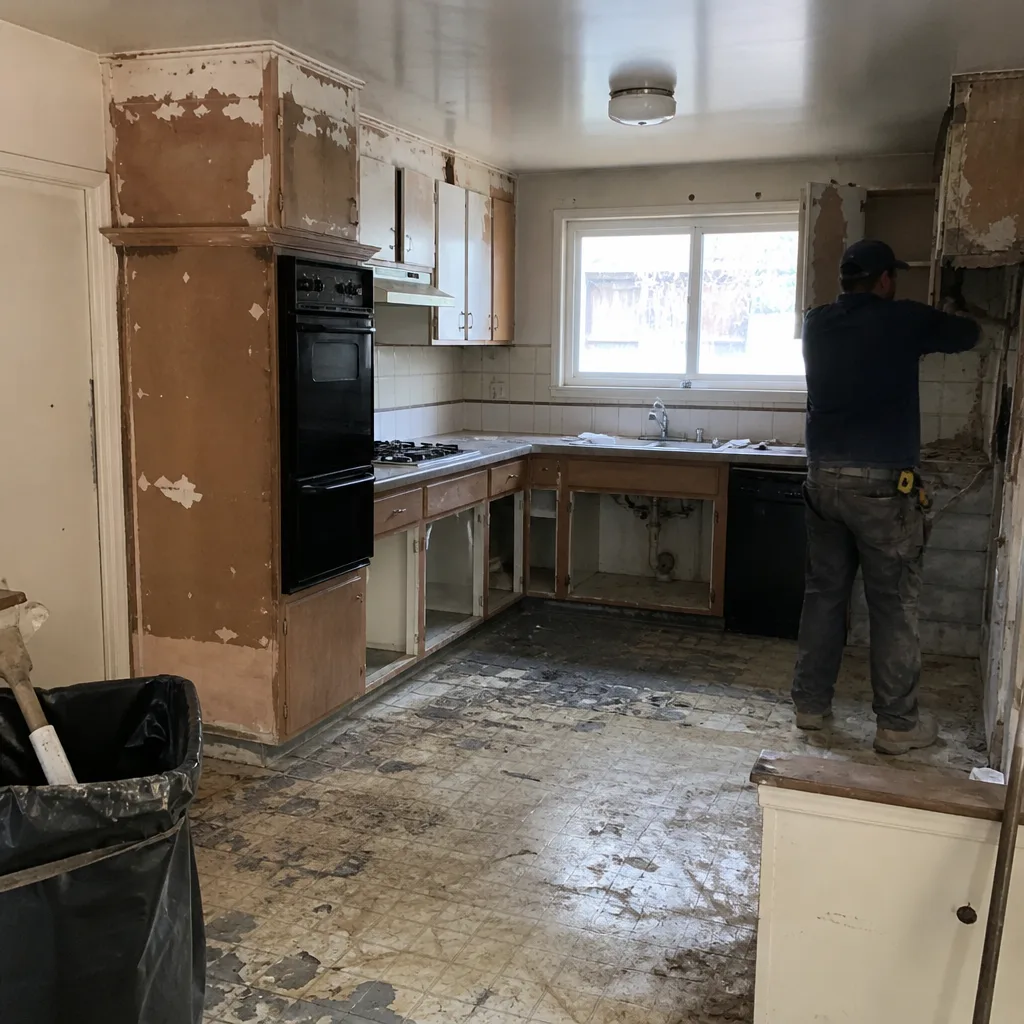 Before
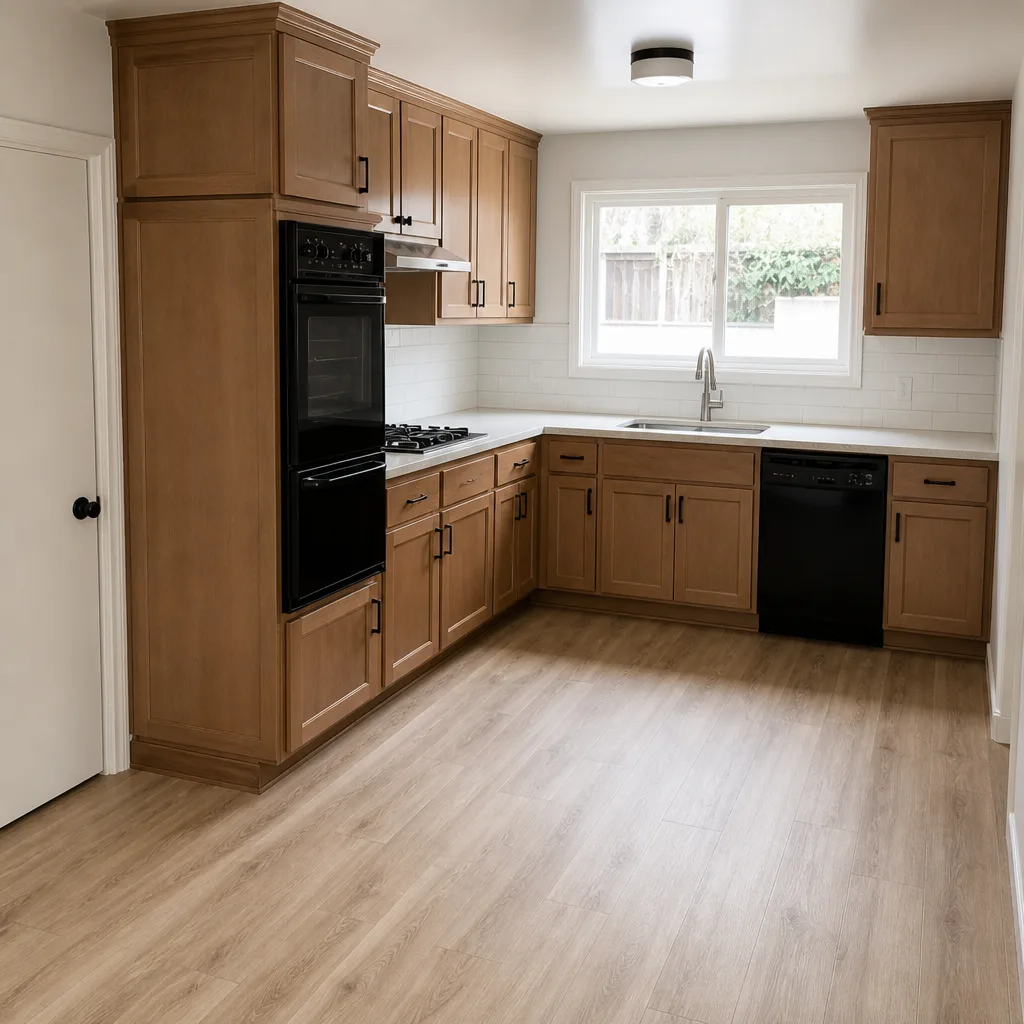 After
When to Call a Professional
Some of this work is a homeowner job and some of it is not. Backfilling soil, clearing gutters, and photographing the foundation perimeter are homeowner jobs. Foundation movement, water intrusion at the roof or the wall assembly, soft framing, electrical or gas concerns, and anything in the crawlspace requiring structural judgment are not. Call when a crack has widened, when a leak has stained the ceiling twice, when the crawlspace is wet, or when a repair you’re planning to do is bigger than a weekend. A hazard that gets worse between two visits costs more to fix than a hazard caught at the first visit.
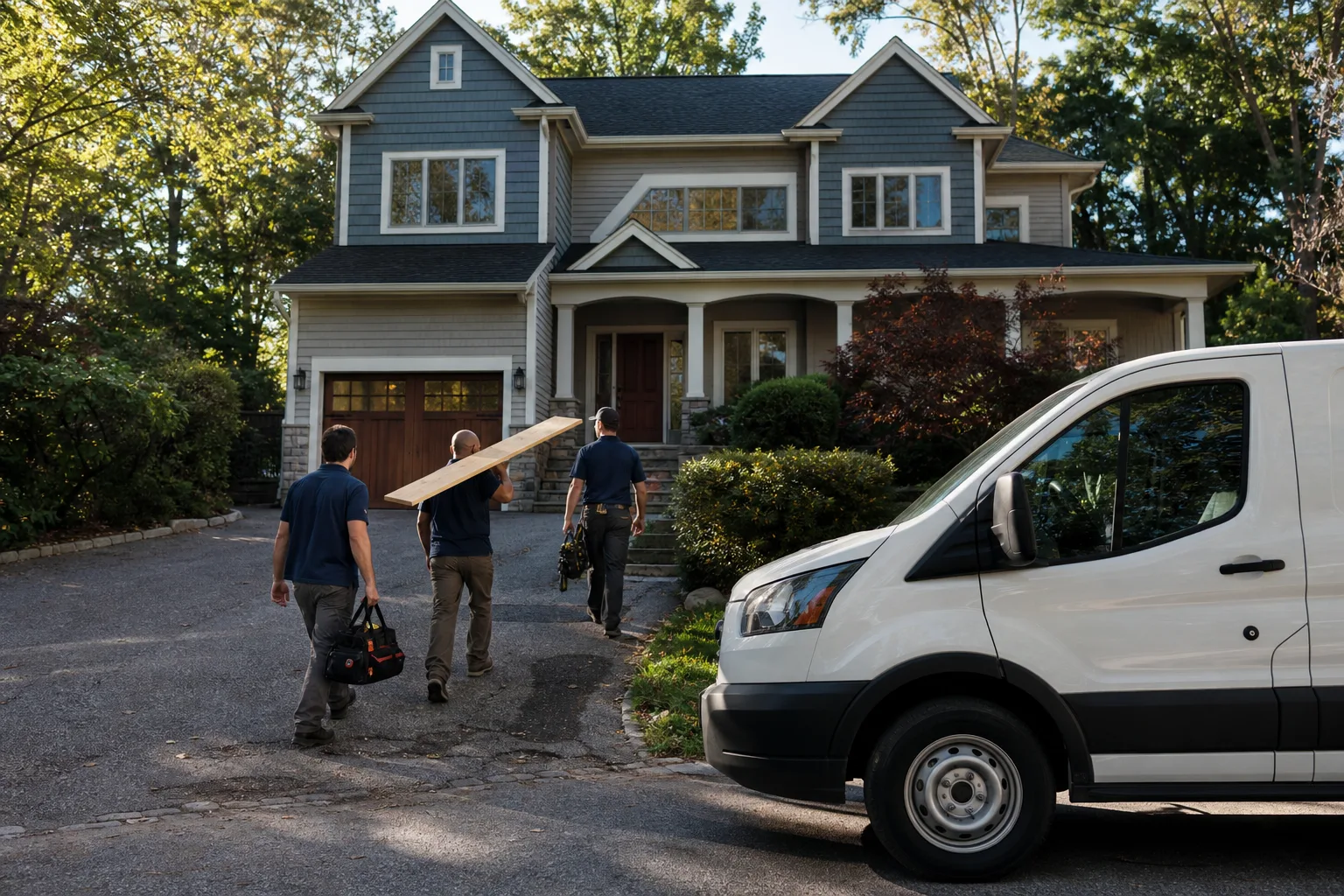
Bradford Remodeling Co Vallejo offers free estimates in Vallejo. Every estimate is a written line-item price before work starts, backed by the 365-Day Done Right Promise on completed work, with background-checked, uniformed technicians on every job. Call (844) 560-4789 to schedule yours.
Frequently Asked Questions
Twice a year. Once in late August or early September before the wet season, and once in March to catch what winter revealed. Doing it more often rarely finds anything new, and doing it once a year in the wrong season misses the failures that happen between checks.
A full perimeter walkthrough by a licensed general contractor in Vallejo typically costs $0 for a standard estimate visit, because the perimeter check is part of the same conversation a homeowner would have before any repair work. A structural engineer’s report, if one is needed, runs $400 to $900 in this market. Either way, call (844) 560-4789 and get an exact quote on the visit itself before you commit to anything.
Not on a Bradford job. The price is put in writing before a single tool comes out, and no numbers move at the door. If the scope was written correctly and the site reveals something the walkthrough didn’t catch, that gets written as a change order with a price on it before the work happens, never after. Call (844) 560-4789 and we’ll walk you through the estimate process.
Where a permit is required, yes. Routine maintenance (paint, caulk, gutter clearing, soil backfill) doesn’t need one. Structural repair, roof deck replacement, or any change to a venting system through a wall usually does. We pull the permits and pass the inspection, and that paperwork belongs in the same maintenance record as everything else. Call (844) 560-4789 to find out whether your project needs one.
Marine-layer moisture sits on shaded walls longer than it does on sun-facing walls, and paint that stays wet fails from underneath. That’s why we look at the south and west faces in spring first, but we check the shaded north and east faces for blistering, because blistering on a shaded wall is the faster failure of the two.
Yes. We walk the home, document the findings in writing, and price the repairs as line items so you can choose what to do now and what to defer. For larger scopes, we handle the full project under a written price and the 365-Day Done Right Promise. Call (844) 560-4789 to start with the walkthrough.
The Bottom Line
Vallejo homes fail in a specific pattern: water first, marine air second, wind third, ventilation last. Water management is the cheapest fix on the list and the most commonly skipped. Record what you find in writing, photograph the foundation every year, and get every repair priced as a written line item before work starts. A maintenance program that runs on that discipline means your home’s pre-existing condition is documented, so no future contractor can dispute it. That’s what it means to keep a Vallejo home squared away, and it’s the standard we hold ourselves to on every job, from a single flashing repair to a full remodel.
Our technicians have up to 22 years of experience. Bradford Remodeling Co Vallejo is part of the Garrison Partners family, held to The Garrison Standard, with a written price before work starts and the 365-Day Done Right Promise on every completed project. If it’s not done right, we make it right. For a free estimate on any maintenance or repair work in Vallejo, call (844) 560-4789. A live person answers, 24 hours a day, 7 days a week. Start at the Bradford Remodeling Co Vallejo home page to see the full scope of what we do.
Written by the team at Bradford Remodeling Co Vallejo.