Last updated November 17, 2026
Free written scope consultation - allowances, timeline, and change-order rules on paper before a single trade is scheduled
General Contractor Warning Signs Every Homeowner Should Know
A contractor who can start your kitchen next week when every other crew in Vallejo is booked out six weeks isn’t a lucky find. Usually it means other clients already passed, or the jobs on their calendar are in trouble. The warning signs that predict a bad remodel are almost always visible before the contract is signed – not after the drywall goes up and the crew stops showing. This guide covers the pre-hire tells homeowners dismiss: how to read a CSLB license record in under three minutes, the exact contract language that protects the contractor at your expense, the payment schedule that exceeds California’s legal cap, and the estimate-stage behaviors that separate a disciplined crew from a gamble. You’ll finish knowing what to check before a single tool comes out.
Quick Answer
The biggest red flags when hiring a general contractor are: no verifiable CSLB license or a license with disciplinary history, a down payment above California’s legal cap, vague scope language or open-ended change order clauses in the contract, a quote given without measuring the space, and any suggestion that you pull the permit yourself as owner-builder. Any one of these is a reason to slow down. Two or more together is a reason to walk.
Styles & brands we work with
- Kitchen remodeling
- Bathroom remodeling
- Home additions & ADU
- Roofing
- Windows & doors
- Driveway & pavers
- Fence
Table of Contents
- How do you check a contractor’s license in California?
- What contract language should make you walk away?
- What behaviors at the estimate stage predict trouble later?
- What’s a legal payment schedule in California?
- Why is pulling your own permit a liability trap?
- Why can a contractor start right away?
- What warning signs are specific to Vallejo projects?
- Common mistakes to avoid
How do you check a contractor’s license in California?
You can verify any California contractor’s license status in under three minutes at the Contractors State License Board (CSLB) website. Go to cslb.ca.gov, click “Check a License,” and search by license number or business name. A licensed general contractor holds a Class B license. Specialty trades hold Class C licenses – C-36 for plumbing, C-10 for electrical, C-33 for painting, and so on. If the person bidding your kitchen can’t tell you which class they hold, that’s your first answer.
What the record actually tells you matters more than whether the license exists. Look for these specific signals:
- License status. “Active” is required. “Expired,” “suspended,” “canceled,” or “inactive” all mean they cannot legally contract work in California right now. Working without an active license is a misdemeanor, and it also voids your ability to file a CSLB complaint.
- Bond and insurance on file. The CSLB record lists the contractor’s bond. A current bond means there’s a fund to pursue if the work goes wrong and the contractor won’t make it right.
- Disciplinary actions. The “License History” tab shows formal complaints, citations, suspensions, and revocations. One citation from four years ago for a paperwork issue reads differently than three arbitrations in the last two years. Read the descriptions, not just the count.
- Personnel list. The record names the qualifier – the person who actually holds the license and the trade knowledge behind it. That’s the person legally responsible for the work.
We’ve watched Vallejo homeowners hire off a business card and a firm handshake. That’s not trust – it’s skipping a three-minute check that’s free and public. Any licensed contractor will hand you their license number without being asked twice. If a contractor hesitates, changes the subject, or says “I’m licensed but the number’s at the office,” stop there. For more on how we handle the paperwork side, see our Bradford Remodeling Co Vallejo home page.
What contract language should make you walk away?
The words in a contract tell you whose interests it was written to protect. California law requires home improvement contracts over $500 to be in writing, with specific disclosures. A contract that’s technically compliant can still be written to leave you exposed. Here are the specific phrases to flag.
Vague scope descriptions
“Remodel kitchen per plans” and “install flooring throughout” are not scopes. A real scope names materials, quantities, dimensions, and brands – “KraftMaid Maple cabinetry in the 42-inch wall run, 30-inch base cabinets on the sink wall, Cambria quartz countertop at 3cm thickness” is a scope. If the contract doesn’t name brands and quantities, you have no way to prove what you paid for.
Open-ended change order language
Look for phrases like “change orders will be priced at contractor’s standard rates” or “additional work billed at time and materials.” That’s open-ended pricing – the contract gives the contractor the right to charge whatever they decide for anything they claim is outside the original scope. A disciplined contractor specifies change order rates in writing before signing. Kitchen Remodeling in Vallejo is where this clause bites hardest, because kitchen work always surfaces surprises behind the wall – and a contract without defined change order rates turns those surprises into an argument.
“As-needed” or “as-required” pricing
Any line item that reads “as needed” is a number that hasn’t been set. You can’t budget for it and you can’t dispute it later. Get every line converted to a fixed price before signing.
Arbitration and liability clauses that cut one way
A clause requiring you to waive your right to sue over defective work, or shifting all liability to you for “conditions discovered on site,” should be reviewed before you sign. We put every price in writing before work starts – that’s The Garrison Standard – and every completed project carries the 365-Day Done Right Promise. If the work fails inside that year, we come back and correct it at no charge. Your contract should say something equally specific.
What behaviors at the estimate stage predict trouble later?
How a contractor behaves when they’re trying to win the job is a preview of how they’ll behave when the job gets hard. The estimate stage surfaces three tells that matter.
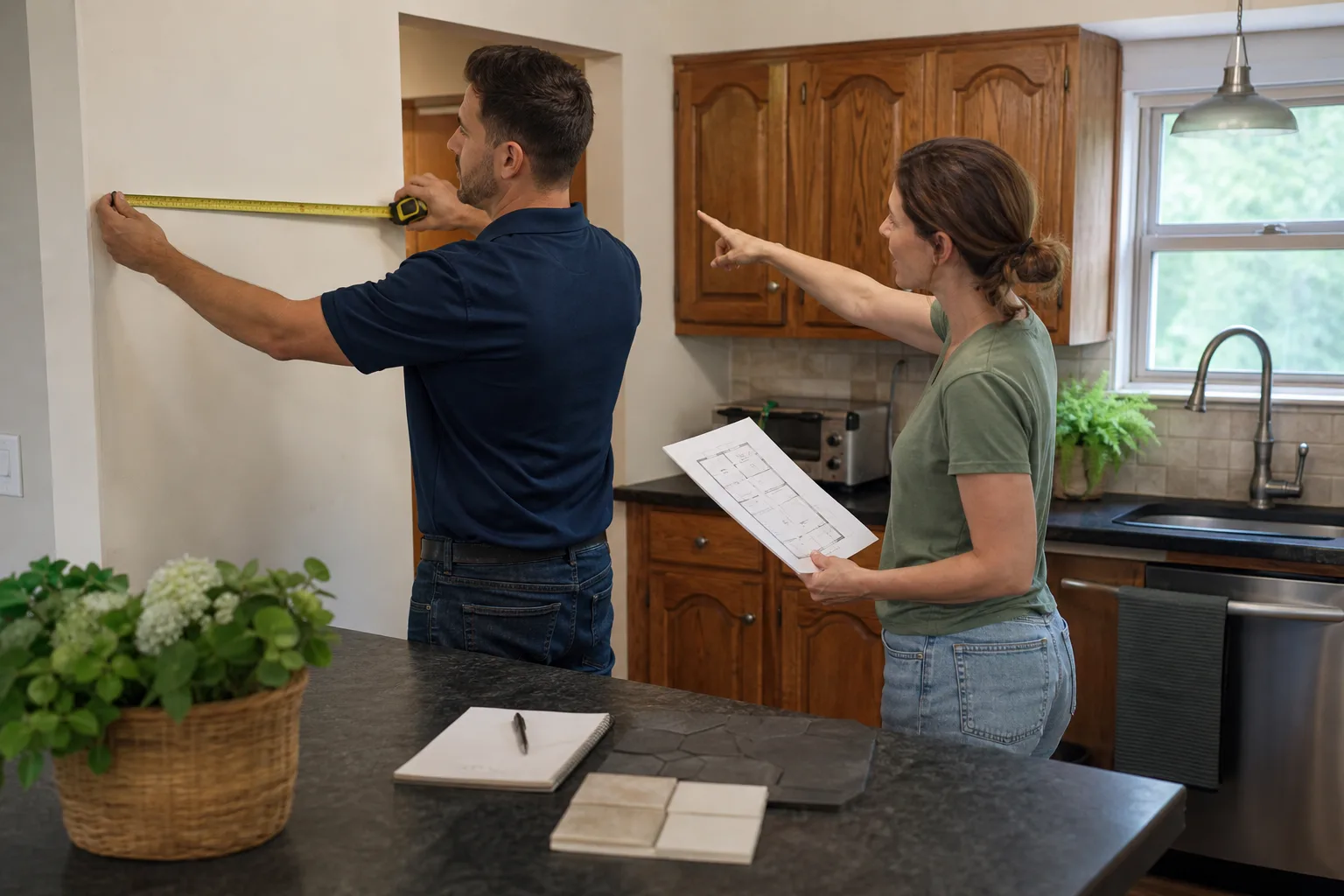
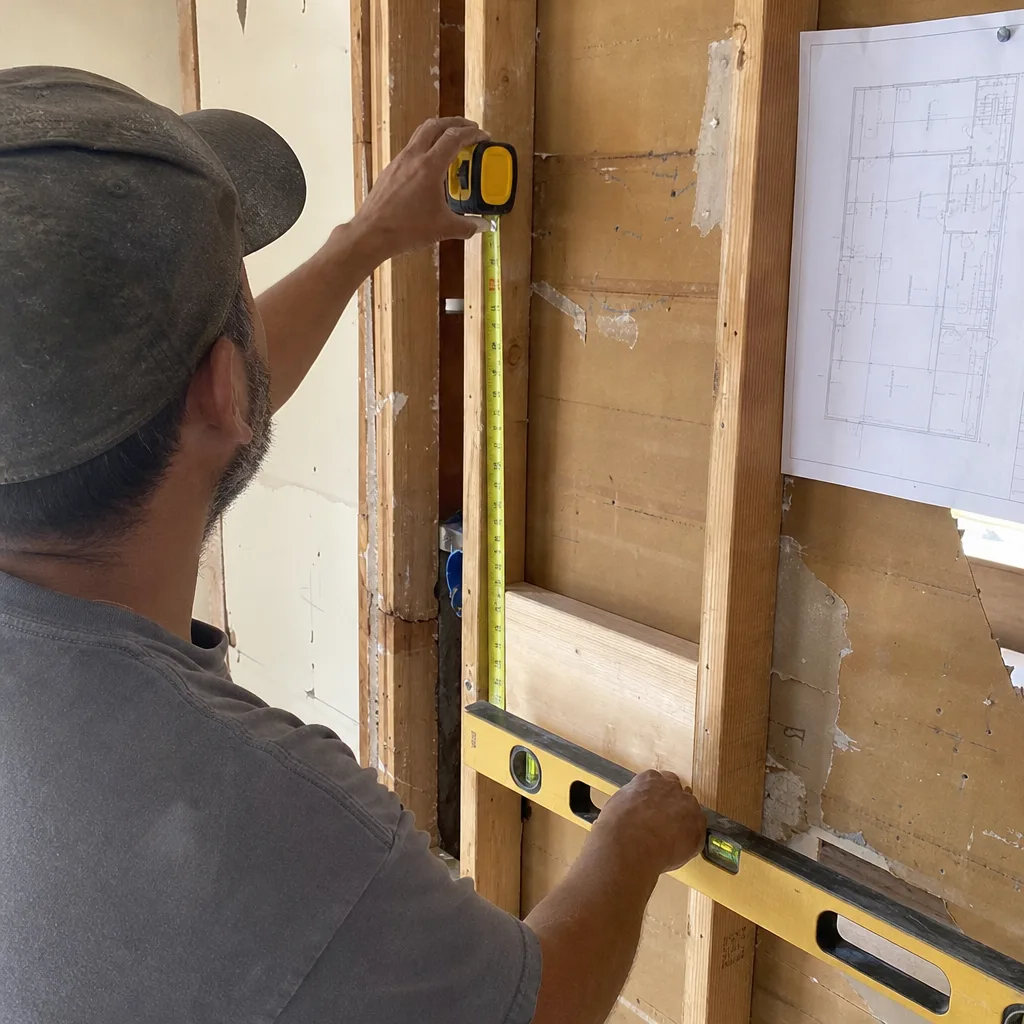
- They quote without measuring. A responsible contractor walks the room, measures the walls, checks the substrate (the surface the new floor or cabinet sits on), and looks at the soffit (the dropped section above upper cabinets) before naming a number. A quote delivered from a business card and a handshake is a guess with a signature line.
- They can’t name their subs. A general contractor supervises carpenters, electricians, plumbers, and tile setters – most of whom are independent tradespeople in Vallejo. Ask which electrician they use and whether that electrician has a current C-10 license. A general contractor who says “I’ll figure that out later” is planning to figure it out on your dime.
- They give a number before seeing the full scope. A number handed over in the first ten minutes – before measurements, before questions about the age of the plumbing, before checking whether the panel (the breaker box) will handle a new induction range – is a number that will move. Often at the door, often after demolition.
There’s a fourth behavior worth naming. A contractor who asks what other bids you’ve received, then drops their number to match the lowest one, hasn’t discovered a more efficient way to build – they’ve decided to cut scope later and hope you don’t notice. The number that matters isn’t the lowest; it’s the one that doesn’t change after the contract is signed.
What’s a legal payment schedule in California?
Under California Business and Professions Code section 7159.5, a home improvement contractor cannot collect more than 10% of the contract price as a down payment on a contract under $1,000, and for larger contracts the deposit can’t exceed $1,000 or 10% of the contract price – whichever is less. That’s the tightest cap in the country. Any contractor asking for 30% down, or a third at signing and a third at “materials delivery,” is either unaware of the law or counting on you not knowing it.
A disciplined payment schedule ties money to milestones you can see and verify:
- Deposit: capped at 10% (or $1,000, whichever is less) under California law for home improvement contracts under $1,000, and at the statutory cap for larger contracts.
- Rough-in milestone: framed walls, rough plumbing, rough electrical inspected before a dollar moves to the next phase. If the contractor can’t produce an inspection sign-off, the milestone hasn’t been hit.
- Substantial completion: final payment held until the work is done to the written scope and the site is cleaned. Ten percent is a normal holdback.
- No advance payment for future phases. Money for cabinets flows when cabinets are on site, not when the deposit clears.
Get the schedule in writing with the price. A written price before any work starts – that’s not a courtesy, it’s the whole basis of a working relationship. If the schedule reads “50% on signing” and nobody flinches, you’re the one absorbing the risk. Our Bathroom Remodeling in Vallejo page walks through how milestone payments work in a small-room project where the deposit ratio matters most.
Why is pulling your own permit a liability trap?
When a contractor suggests you pull the permit as “owner-builder” to save money, they’re asking you to sign on as your own general contractor. In California that changes who carries the liability. As owner-builder, you’re responsible for meeting the building code, for the work being done by licensed tradespeople, and for the inspection sign-offs. The contractor doing the work has no legal obligation to correct failing work – and the CSLB can’t discipline them over a job they didn’t permit.
It also has consequences you might not expect:
- Disclosure requirements on sale. California requires seller disclosure of unpermitted work. Buyers discount heavily for it, and some lenders won’t finance over it.
- Insurance gaps. Most homeowner policies carve out claims arising from unpermitted construction.
- Code enforcement exposure. Vallejo’s code enforcement can require demolition and rework of unpermitted additions – and the cost lands on you, not the contractor.
We pull every permit and pass every inspection on the work we do. If a contractor offers to “handle the paperwork” by having you sign the permit as owner-builder, ask them one question: “Can I see your license number on the permit application?” A responsible general contractor will be listed on it.
Why can a contractor start right away?
Sharp remodelers run a backlog. In a healthy market, a good general contractor in Vallejo is booking four to eight weeks out – sometimes longer during spring and summer when every homeowner wants the same exterior project done before the rainy season. When a contractor says they can start next Monday and every competitor is quoting six weeks, one of three things is true:
- Other clients passed. Bids that get rejected for reasons of cost, cut corners, or poor reputation leave holes in the calendar.
- They’re behind. Current jobs ran long because materials shipped late, change orders piled up, or crews were understaffed.
- They have nothing booked. Which raises the question of why an active general contractor in a busy market has no upcoming work.
None of these is automatic disqualification. A newer contractor with a clean record and a full schedule of references might genuinely have room. But the answer should be verified, not assumed. Ask directly: “What does your current project calendar look like, and can I speak with the last three homeowners you worked with?” A disciplined contractor has no problem answering. One who gets defensive has told you something.
What warning signs are specific to Vallejo projects?
Some red flags are universal. Others turn up specifically in Vallejo’s housing stock and climate. Our crews have up to 22 years of experience across this city, and the patterns repeat.
The historic-home specialist who isn’t
A large share of Vallejo’s housing was built between 1900 and 1950, and that era of construction (plaster walls, knob-and-tube wiring still live in some attics, original cast iron drains) demands specific trade knowledge. A general contractor who bids a 1920s bungalow without looking in the attic or at the panel is going to find surprises – and the surprises become change orders. If a bid doesn’t mention what might be behind the plaster, it’s a bid written by someone who hasn’t opened that wall before.
No allowance for Vallejo’s winter wet season
Rain runs from November through March, and it determines whether exterior work – a James Hardie siding job, a Belgard paver patio with Unilock retaining walls, a Therma-Tru front door swap – can proceed. A contractor who promises a “two-week exterior finish” in January isn’t being optimistic; they’re being dishonest about the weather. Any schedule over the winter months should specify weather contingencies in the contract.
Subs who aren’t from around here
Good general contractors in Vallejo work with the same licensed plumbers, electricians, and tile setters year after year. Those relationships are what produce consistent work. A contractor who shrugs when you ask which local subs they use is planning to bid the trades out to whoever’s available – a different crew every phase, different quality standards every day.
Avoiding the permit window
Vallejo building permits run through the city’s online portal and generally take a few weeks for plan review. A contractor who claims their project doesn’t need a permit for a bathroom or kitchen that obviously does – moving plumbing, moving a wall, adding a circuit – is either unfamiliar with local process or actively avoiding it. Both are problems.
Common Mistakes to Avoid
- Hiring off the first bid without a second written estimate. One bid tells you what one contractor wants. Two tells you what the market looks like. Three tells you who’s cutting scope to hit a number.
- Accepting a verbal scope because it “seems clear.” Verbal scopes are unenforceable. If the brand isn’t on the contract, you didn’t buy that brand.
- Paying a deposit above California’s legal cap. Deposits above 10% (capped at $1,000 for smaller contracts) are illegal under Business and Professions Code 7159.5. A contractor who asks for 30% down has just told you what they think of the law.
- Agreeing to act as owner-builder to “save a few hundred dollars.” The permit savings are real. The liability transfer, unpermitted-work disclosures, and code enforcement exposure that follow are much larger.
- Believing that fast start dates equal good service. In a busy market, a contractor with room on the calendar next week usually has a reason. Ask what it is.
- Skipping the CSLB license check because the contractor “seems legit.” The record is public, free, and read in three minutes. The contractors worth hiring expect you to check.
- Choosing on lowest price alone. Bids priced under the market are funded by cut scope, unlicensed subs, or change order inflation later. Compare written scopes, not just totals.
- Letting a contractor discourage you from asking for references. Three recent homeowners, three phone numbers you actually call – that’s the standard. A contractor who hesitates has a reason.
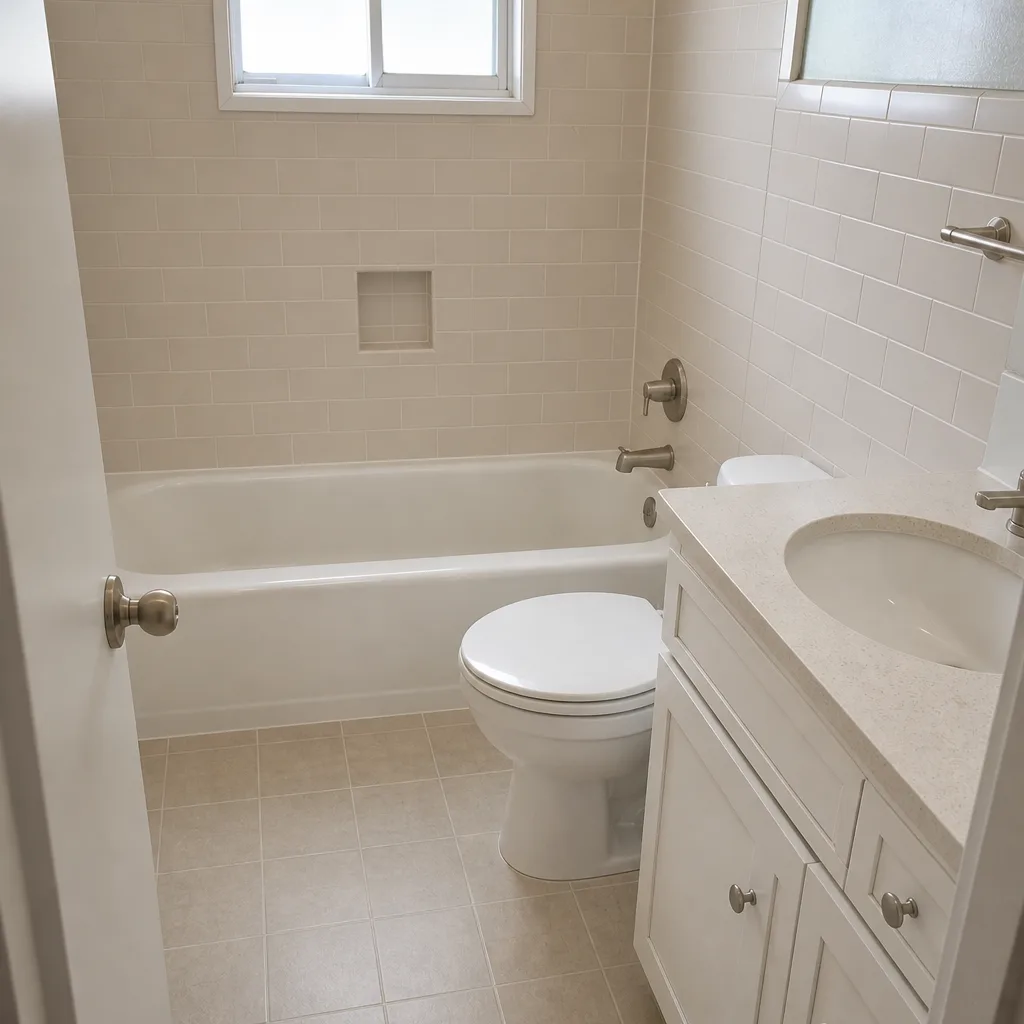
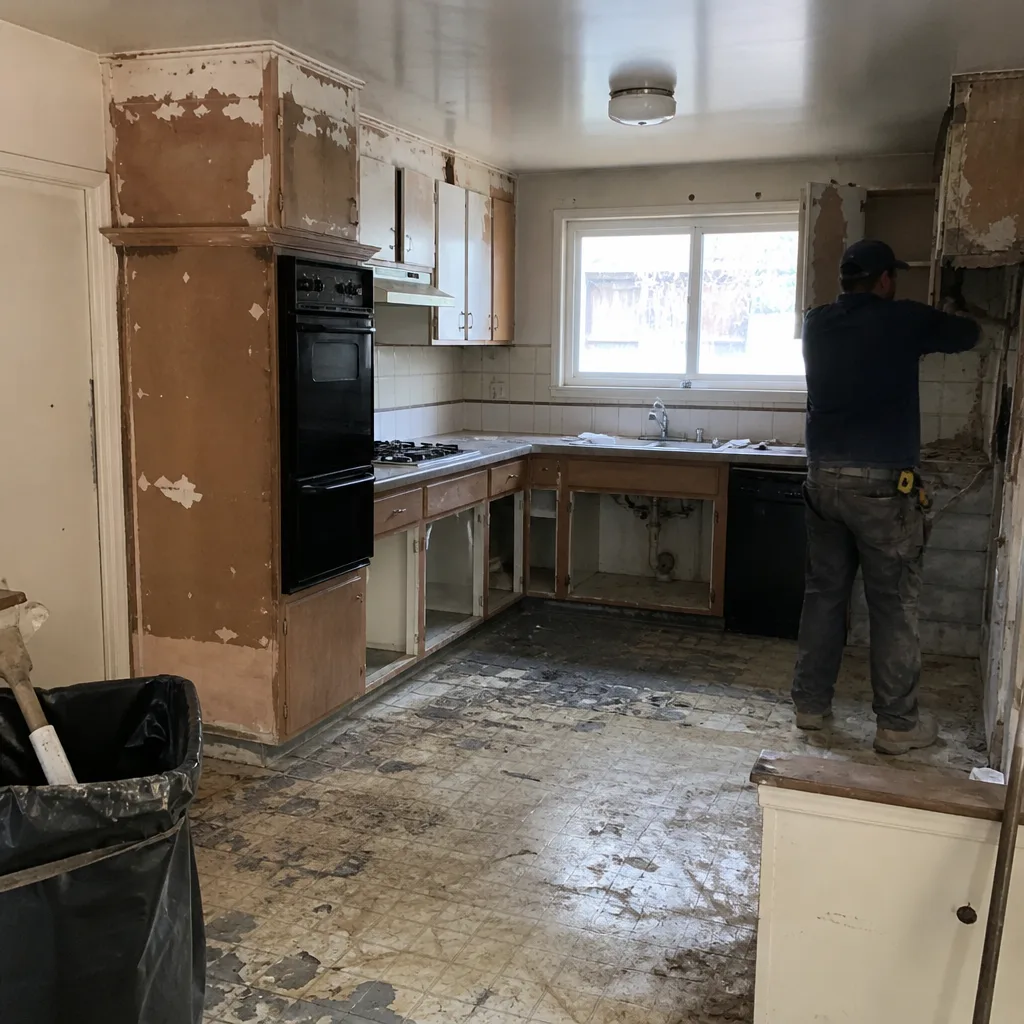
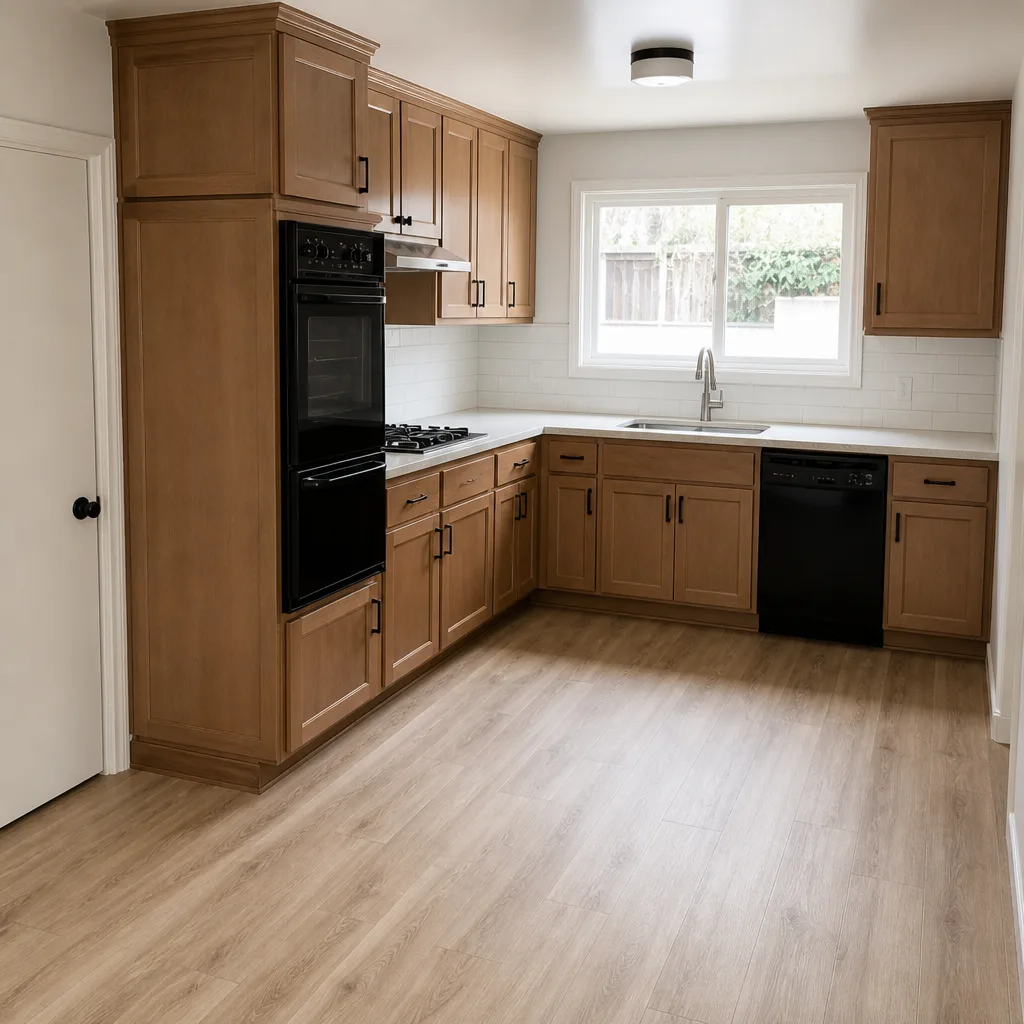
See the difference
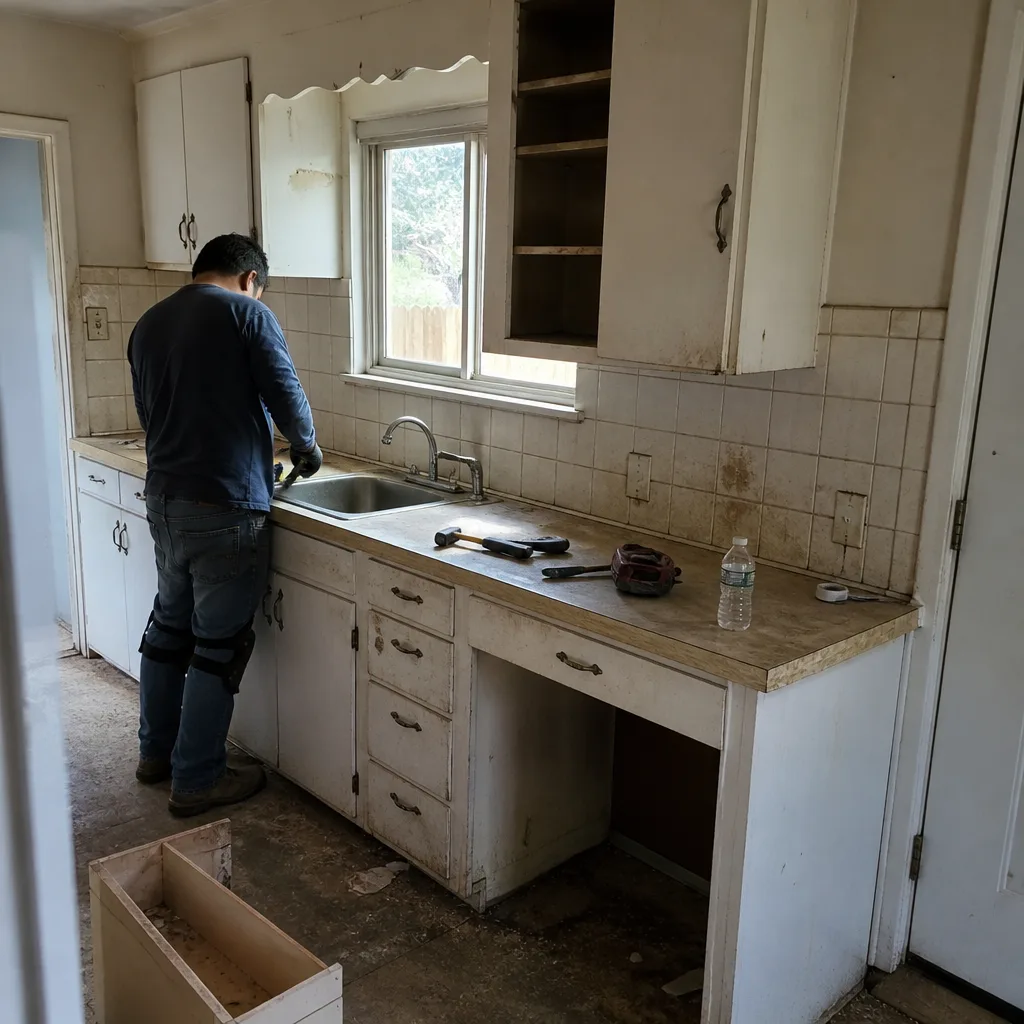 Before
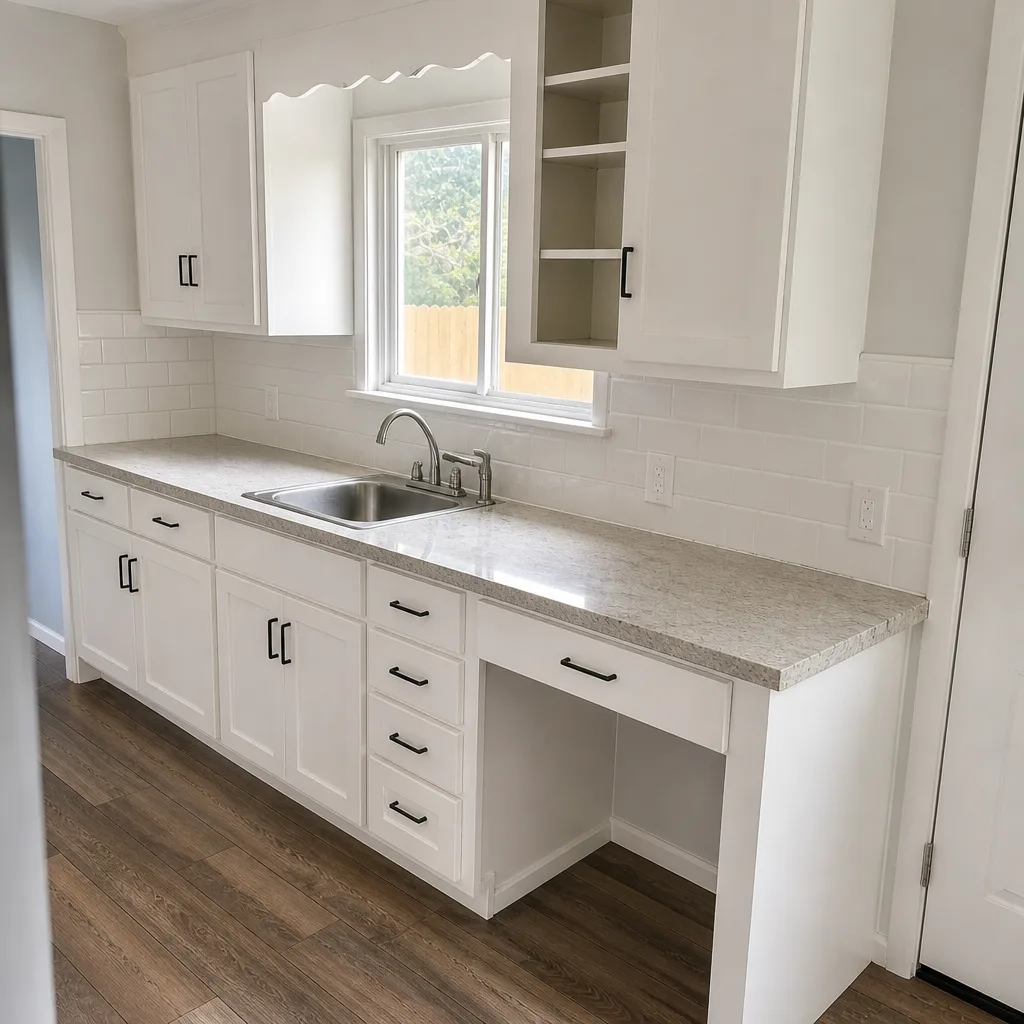 After
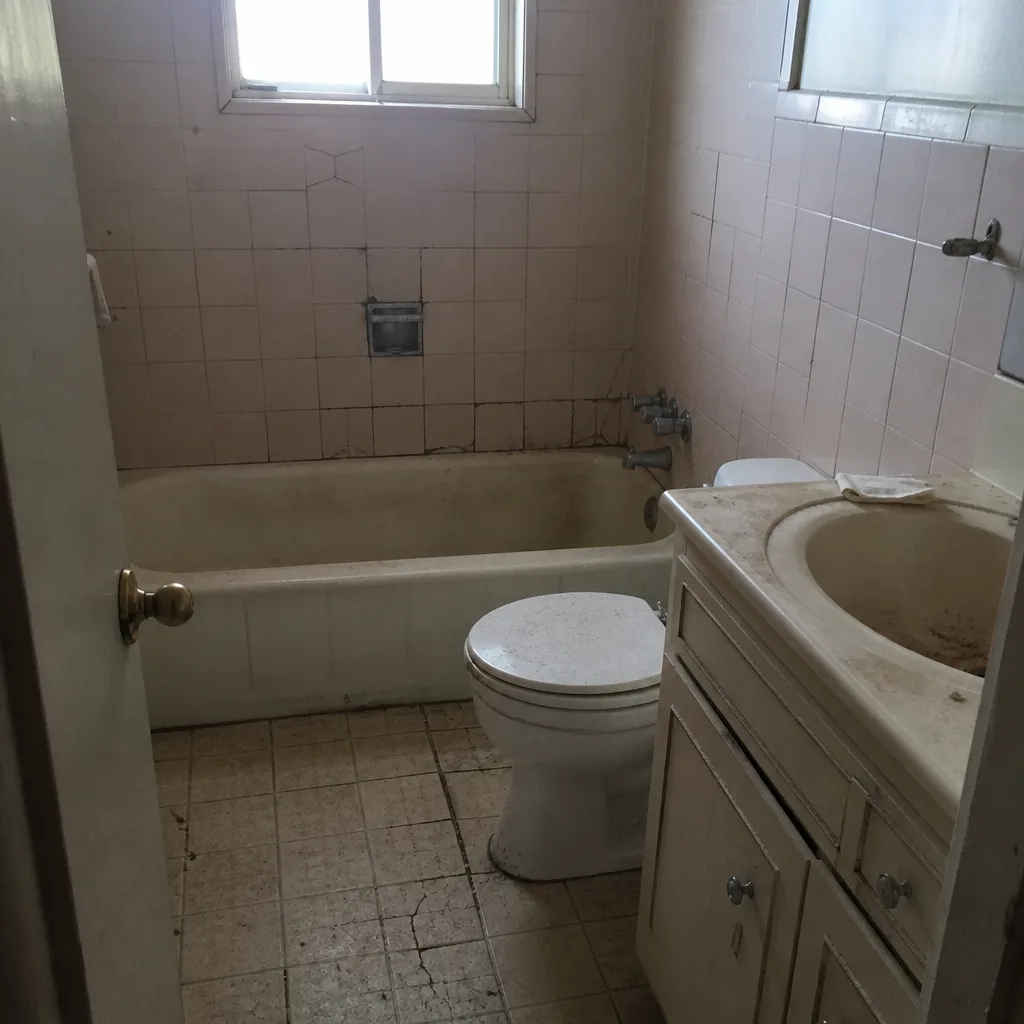 Before
 After
 Before
 After
When to Call a Professional
Some remodeling questions are worth answering yourself. Hiring the right general contractor isn’t one of them. If you’re planning a kitchen or bathroom remodel, or a whole-home renovation, the cost of a bad hire is measured in tens of thousands of dollars and years of your time. Call a licensed general contractor for anything that touches plumbing, electrical, load-bearing walls, permits, or the building envelope – and call one early enough to compare written scopes before the contract is signed. If you’re in Vallejo and want a written price on the table before deciding, our team can help. Bradford Remodeling Co Vallejo offers free estimates in Vallejo – call (844) 560-4789. We’re a member of the Garrison Partners family, and every estimate is a real number in writing, not a range that moves after demolition. Our General Contractor in Vallejo page covers how scope and pricing work in detail.
Frequently Asked Questions
Go to cslb.ca.gov, click “Check a License,” and search by license number or business name. Confirm the license is active, check that bond and insurance are on file, and read the License History tab for any citations, suspensions, or disciplinary actions. The whole check takes under three minutes and costs nothing.
Under Business and Professions Code section 7159.5, a home improvement contractor can’t collect a down payment larger than 10% of the contract price or $1,000, whichever is less, for contracts under $1,000. For larger home improvement contracts the cap is 10% or $1,000, whichever is less, unless the contract includes specific legal provisions. Any request for 30% down is above the legal cap and should be treated as a stop sign.
Yes, worth investigating. Good contractors in Vallejo typically book several weeks out, especially in spring and summer. A fast start date isn’t automatic disqualification – a newer contractor with a clean record might genuinely have room – but it should prompt one question: “What are you currently working on, and can I speak with those homeowners?”
No. Pulling your own permit makes you the owner-builder, which transfers code compliance, inspection sign-off, and legal liability for the work onto you. It also triggers unpermitted-work disclosures if you sell and can create insurance gaps. A licensed general contractor should pull the permit under their license number, and their name should appear on the application.
A mid-range kitchen remodel in Vallejo typically runs $25,000 to $60,000 depending on cabinet grade (KraftMaid and Wellborn are common choices at the higher end), counter material (Cambria and Caesarstone quartz adds cost over laminate), and whether the layout moves plumbing. A cosmetic refresh with new paint, hardware, and appliances can land in the $12,000 to $20,000 range. Get the price in writing before signing. Call (844) 560-4789 for a free estimate – we put the number in writing before work starts.
That’s a walk-away. California law requires a written home improvement contract for any job over $500, containing a specific set of disclosures: license number, scope of work, materials, payment schedule, and a notice of cancellation. A contractor who won’t put the deal in writing won’t put the warranty in writing either.
The Bottom Line
The warning signs that predict a bad remodel show up in the paperwork, not on the job site. Verify the CSLB license, read the record, and confirm the bond and insurance are current. Put every price in writing, name every brand, and set a payment schedule that respects California’s legal cap. Ask which subs are on the job and how to reach the last three homeowners. Skip any contractor who discourages you from pulling the permit, quotes without measuring, or offers a fast start in a busy market without explaining why. Do these checks before the contract is signed, and you’ll spend your remodel-solving problems that come up during construction – not problems that come up because of the hire. Our Kitchen Remodeling in Vallejo and Bathroom Remodeling in Vallejo pages show how the by-the-book version looks in practice.
Bradford Remodeling Co Vallejo is a member of the Garrison Partners family, established in 2004, and operates as an independently owned and operated business held to The Garrison Standard. Every project gets a written price before work starts, a background-checked and uniformed crew on the job, and the 365-Day Done Right Promise – if the work fails inside the year, we come back and correct it at no charge. A live person answers the phone 24 hours a day, 7 days a week. When the job closes, you should be holding a clean site, a documented scope, and a signed written guarantee. That’s squared away.
If you’re planning a project in Vallejo and want a written price on the table, call (844) 560-4789 for a free estimate. We’ll measure the space, name the brands (including ActiveYards fencing and Belgard and Unilock hardscaping where the project calls for it), and put the number in writing before a single tool comes out.
Written by the team at Bradford Remodeling Co Vallejo.