Last updated November 17, 2026





Free written scope consultation - allowances, timeline, and change-order rules on paper before a single trade is scheduled
Construction Warning Signs: A Vallejo Homeowner’s Reference Guide
The contractor who ghosts you after the deposit rarely appears out of nowhere. The warning signs were there in the first phone call, the first bid, the first walkthrough – you just didn’t have a name for them yet. Most homeowners learn to read a contract after it’s signed, which is exactly the wrong sequence. We’ve walked into Vallejo jobs where the previous crew left a half-framed addition, a lien on the property, and a homeowner holding a lump-sum bid with no line items and no recourse. This guide teaches you to read contractor behavior, bid structure, and job site conduct the way an inspector reads a framing plan: line by line, looking for what’s missing.
Quick Answer
The most reliable contractor red flags in Vallejo are structural, not cosmetic: lump-sum bids with no line items, a certificate of insurance you’ve never actually seen, vague scope language, and a pattern of slow communication after the contract is signed. A contractor who can’t or won’t put scope, price, payment schedule, and change-order procedure in writing before work starts is telling you how the whole job will go. Read the bid and the behavior, not the personality.
Styles & brands we work with
- Kitchen remodeling
- Bathroom remodeling
- Home additions & ADU
- Roofing
- Windows & doors
- Driveway & pavers
- Fence
Table of Contents
- Bid Structure: How a Bad Proposal Gives Itself Away
- Licensing and Insurance: What to Actually Verify
- Communication Patterns That Predict Job Abandonment
- Job Site Conduct: What a Permit and a Dumpster Tell You
- “We’ll Take Care of It” in Contract Terms
- Payment Schedules and the Pressure to Pay Early
- Vallejo-Specific Warning Signs
Bid Structure: How a Bad Proposal Gives Itself Away
A bid is a document, and documents reveal intent. When a proposal arrives as a single dollar figure with a short paragraph of scope, you’re looking at a contractor who either hasn’t thought the job through or doesn’t want you to see how the number was built. Neither is good. Line items aren’t bureaucracy; they’re the difference between a price you can discuss and a price you have to accept.
Three structural red flags come up again and again in our experience reviewing bids homeowners bring us from other contractors in Vallejo:
- The lump-sum bid. One number, no breakdown. You can’t tell whether the price reflects quality materials or the cheapest possible substitution halfway through. When the Cambria quartz turns into an unstated laminate, the lump sum doesn’t change – which is the point.
- The bid 40% below everyone else. A gap that large without an explanation is not a deal, it’s a missing scope. Ask directly what’s excluded. If the answer is “nothing, we just work leaner,” ask for the line-item comparison. A real contractor will walk you through it.
- Allowances as placeholders. An allowance is a budget number for a material not yet selected – normal on cabinet or tile work, a problem when it’s set artificially low to make the total look cheap. A $500 allowance for a kitchen faucet when Moen fixtures in that range start higher is a bid designed to move at the door.
The point of a written, line-item bid is that the number doesn’t move unless you authorize a scope change on paper. That’s the standard we hold ourselves to: a written price before any work starts, every time. If a Vallejo homeowner brings us a competing bid to compare, we’ll show them exactly where the line items differ.
Licensing and Insurance: What to Actually Verify
Verbal confirmation of insurance is worth roughly nothing. The phrase “we’re fully insured” gets said by contractors who are, contractors who think they might be, and contractors who cancelled the policy last quarter. The only verification that counts is the actual certificate of insurance, in hand, before a contract is signed.
Here’s what to check on that certificate, and why each line matters:
- General liability coverage and limits. This is what pays if the crew damages your home or a neighbor’s property. Check the policy is current – look at the effective and expiration dates.
- Workers’ compensation coverage. If an uninsured worker is injured on your property, the exposure can land on you. A certificate with no workers’ comp line, or a stated exemption, is a question to ask directly.
- The named insured matches the contracting entity. A certificate issued to a different company name than the one on your bid is a red flag worth pausing on.
- License status. In California, you can check a contractor’s license status directly through the state licensing board’s public lookup – verify the license is active and the name matches the bid.
We work with a documented roster of name-brand materials – KraftMaid and Wellborn cabinetry, Cambria and Caesarstone surfaces, Kohler and Moen fixtures, GAF and James Hardie exterior products – not because brands are a substitute for credentials, but because traceable specs make quality something you can verify instead of trust. The same principle applies to insurance: get it in writing, and read it.
Communication Patterns That Predict Job Abandonment
The single best predictor of an abandoned job isn’t the contractor’s price or experience – it’s what happens to communication after the contract is signed. A crew that answers every question promptly during the sales phase and goes quiet once the deposit clears is showing you the shape of the relationship. Responsiveness before the deal is marketing. Responsiveness after it is character.
Watch for these patterns:
- Slow response after signing. If a two-day reply becomes a five-day reply the week after the contract, ask why. Legitimate crews get busy, but a pattern of it, especially with no explanation, is a warning.
- Refusal to confirm scope changes in writing. “We’ll just do it, don’t worry about the paperwork” is how a $4,000 addition becomes an $11,000 change order with no basis to dispute it. Any scope change needs a written change order signed by both parties before the work happens.
- Pressure to accelerate payment ahead of milestones. Requests to pay the next draw early, “to keep the crew moving,” break the payment schedule you agreed to. On a Vallejo kitchen remodel or a whole-home project, milestone payments protect both sides. A contractor who wants to skip a milestone is asking you to carry their cash flow.
We answer the phone with a live person, day or night. Not because we’re special, but because we’ve seen what a voicemail-only operation does to a homeowner in the middle of a remodel.
Job Site Conduct: What a Permit and a Dumpster Tell You
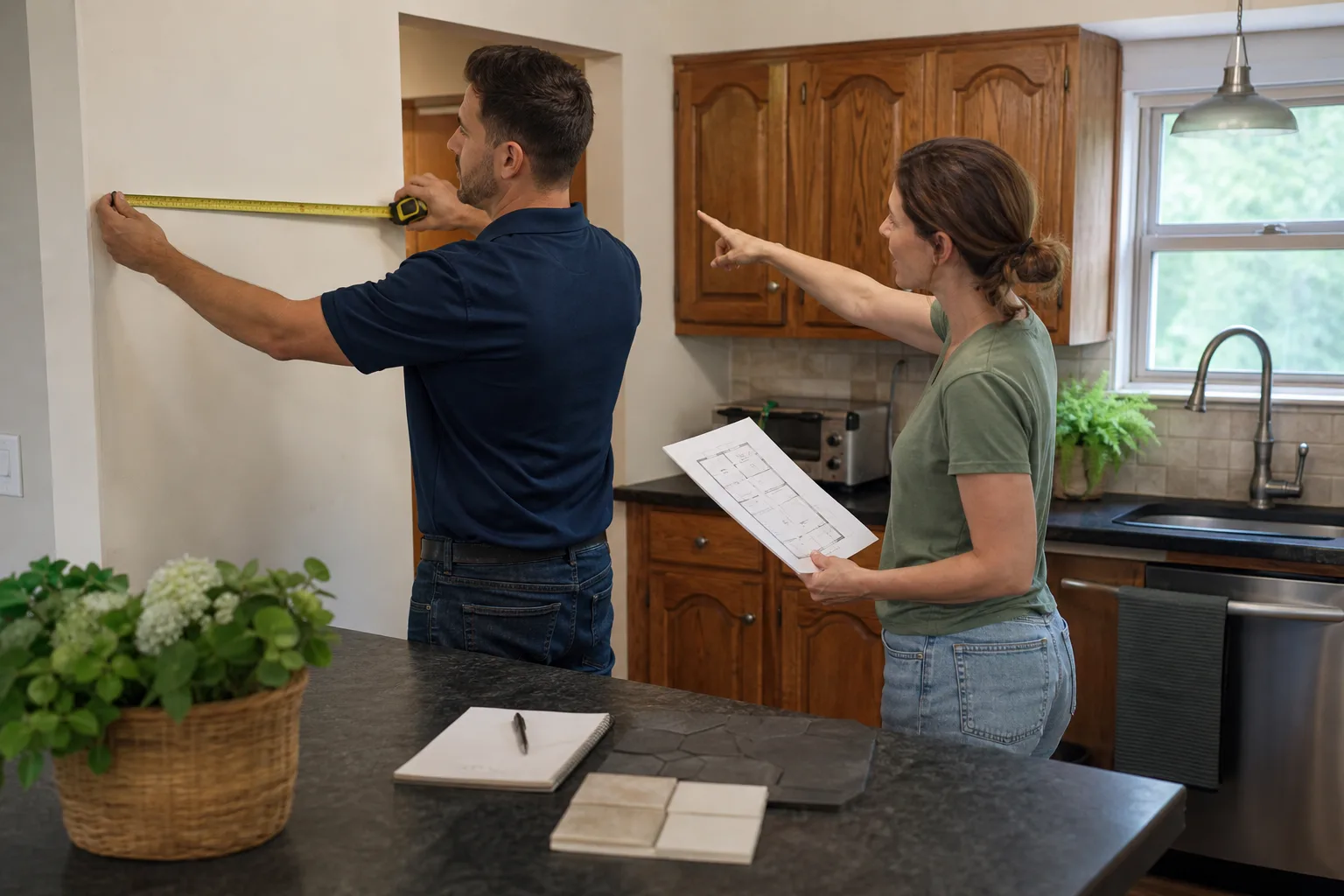
Walk the job site even before work starts. The physical setup tells you what kind of operation you’ve hired. A crew chief reads the site the way an inspector reads a plan: is the permit posted, is there a debris plan, does the crew know the scope?
Specific indicators worth checking:
- No building permit posted. Structural work, additions, electrical, and plumbing in Vallejo require permits and inspection. A contractor who starts without one is either cutting corners or hoping you won’t notice. A permit posted in the window is a sign they intend the work to pass inspection.
- No plan for debris and dumpsters. A crew that hasn’t arranged for a roll-off has a plan to pile debris in your driveway, your neighbor’s lawn, or the street. Ask before work starts where the debris goes and who hauls it.
- Subcontractors who don’t know the scope. If the electrician arrives asking what system is being replaced, the scope wasn’t communicated inward. That’s a management failure that lands on your schedule.
We put our full scope in writing and walk it with every crew member before the first tool comes out. Background-checked, uniformed technicians on every job – the standard is set at the network level, not left to whoever shows up.
“We’ll Take Care of It” in Contract Terms
In California, a verbal assurance not written into the contract is legally unenforceable. This is the quietest and most expensive red flag of the whole list. “We’ll take care of the drywall repair,” “if anything goes wrong we’ll come back,” “the extra outlet is no big deal” – if it’s not in the written agreement, it doesn’t exist when a dispute arises.
This is why the standard of a written price, a written scope, and a written guarantee before work starts isn’t a formality. It’s the whole protection. Write down every promise the contractor makes in your presence. If they resist putting it in the agreement, that’s your answer.
We back every completed project with the 365-Day Done Right Promise: if the work fails inside that year, we come back and correct it at no charge. It’s a written guarantee from the company, included on the project, with a free return visit if something doesn’t hold. That’s the form the promise should take – not a handshake.
Payment Schedules and the Pressure to Pay Early
A payment schedule tied to milestones is the homeowner’s safety net. Large deposits up front, small or irregular draws, or requests to “stay ahead” of the schedule are structural risks. The bigger the deposit relative to the total project, the more leverage a contractor has and the less you do.
What a fair schedule looks like on a Vallejo remodel of any size:
- A modest deposit that covers real early costs, not the full project.
- Draws released as defined milestones are completed and inspected, not on calendar dates.
- A final payment held until punch-list items are closed and the site is cleaned.
- A signed written guarantee in your hands at close, not a verbal promise.
When a contractor asks to accelerate the schedule, ask what milestone was reached. If the answer is vague, don’t release the draw. That single discipline prevents most deposit-loss stories we hear in Vallejo.
Vallejo-Specific Warning Signs
Some warning signs are universal; some show up more in Vallejo because of the market. This is a diverse, older-housing metro – a lot of Vallejo homes date back to the WWII and postwar era, with original plumbing, older electrical panels, and structural additions from every decade since. That history creates specific contractor failure patterns:
- A bid that doesn’t address the age of the home. A kitchen remodel in an older Vallejo house that doesn’t mention existing plumbing or wiring in the scope is either a placeholder bid or a crew that hasn’t looked closely. Substrate surprises are the number one source of unplanned change orders on older homes.
- No mention of permits or inspections. On any structural work in Vallejo, a bid without a permit line is a bid that plans to skip inspection.
- A crew unfamiliar with the neighborhood or the housing stock. Ask what they’ve seen on homes like yours. A crew that knows the local housing stock will talk about it.
- Weather and seasonality ignored. Exterior work in Vallejo has to account for the wet season and the wind patterns that come through the Carquinez Strait. A schedule that doesn’t plan around weather is a schedule that will slip.
For exterior specs, we install documented brands like James Hardie and GAF – not because a name guarantees a job, but because a documented spec and a manufacturer warranty make the work traceable and the guarantee enforceable.
Common Mistakes to Avoid
- Choosing on price alone. The lowest bid is often a missing scope, not a better deal. Compare line items, not totals – and ask each contractor to explain what’s included and excluded.
- Accepting verbal insurance confirmation. Get the certificate of insurance in hand and read it. A verbal “we’re insured” is worth nothing when a crew member is hurt on your property.
- Skipping the written change order. Every scope change needs a signed, written change order before the work happens. No exceptions, even on small items.
- Paying ahead of milestones. Never release a draw before the milestone is complete and inspected. The schedule is the safety net; don’t skip it.
- Not checking the permit. Confirm the permit is pulled and posted before work starts. In Vallejo, structural work without a permit can fail inspection and cost you more in corrections than the permit would have.
- Ignoring slow communication. A pattern of slow replies after signing is the earliest warning sign of abandonment. Ask about it early, before it compounds.
- Trusting a personality instead of a document. A likable contractor with no written scope, no written price, and no written guarantee is still a risk, no matter how good the conversation felt.
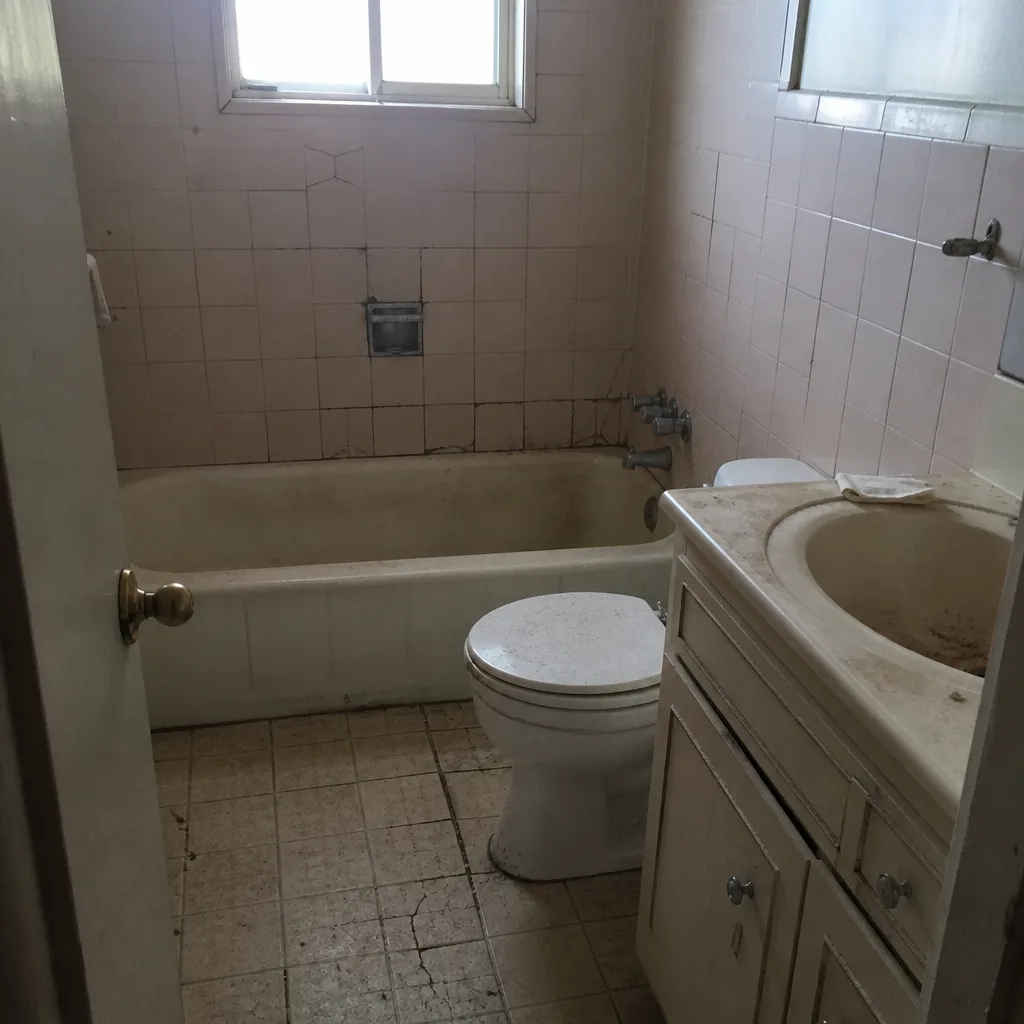
See the difference
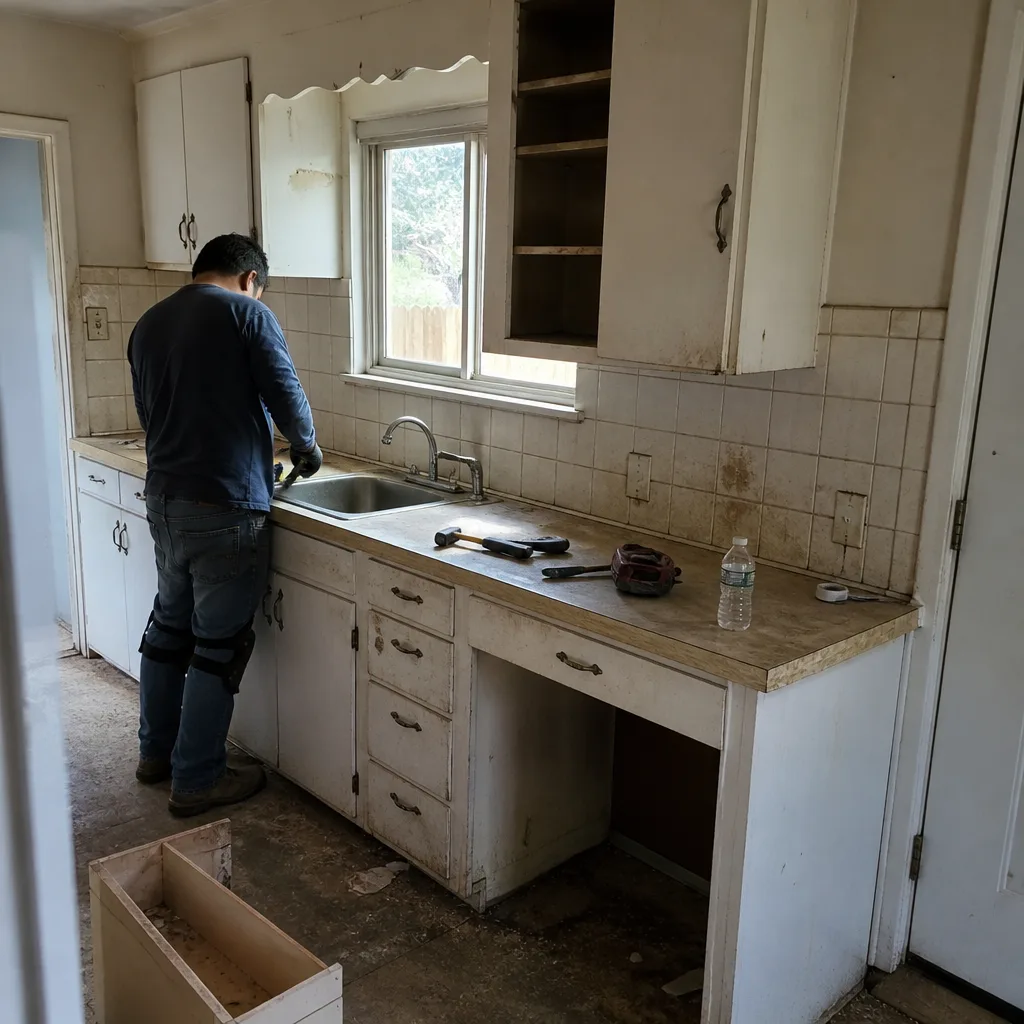 Before
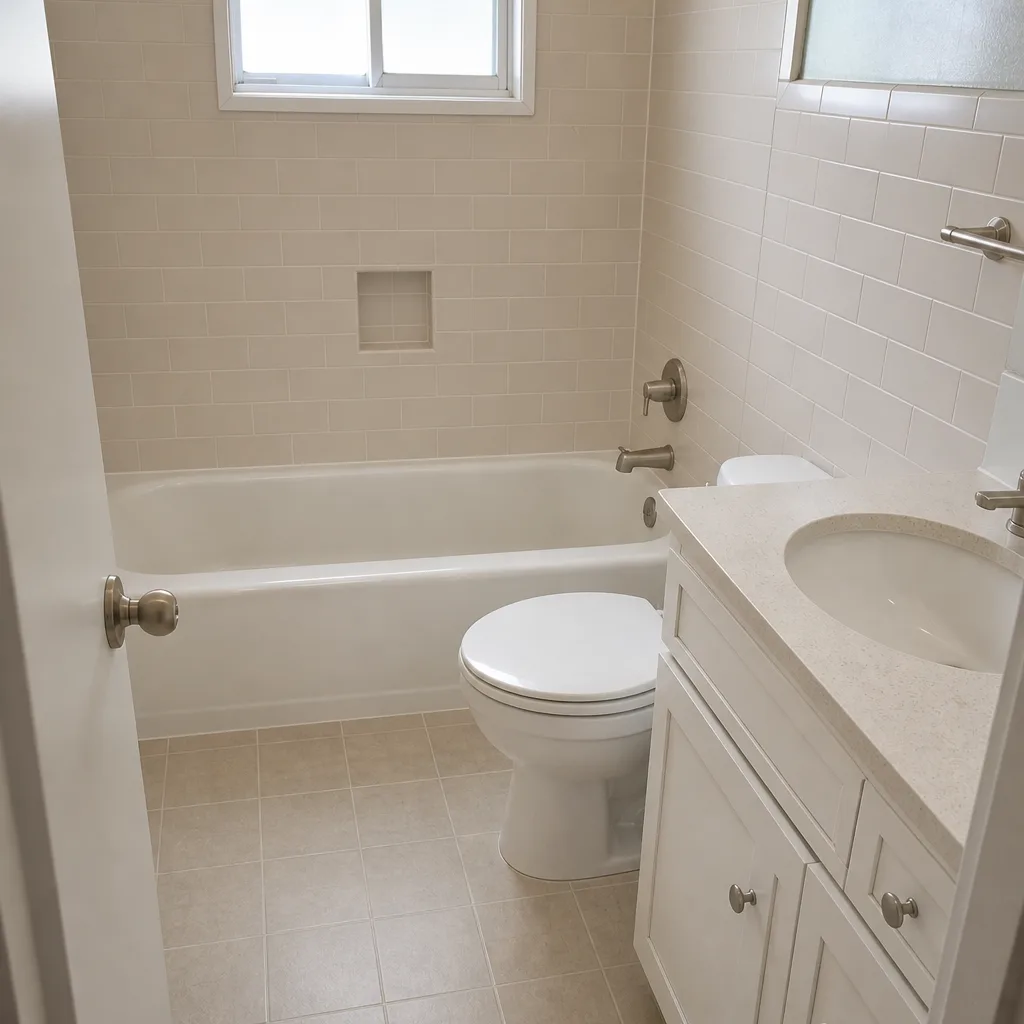
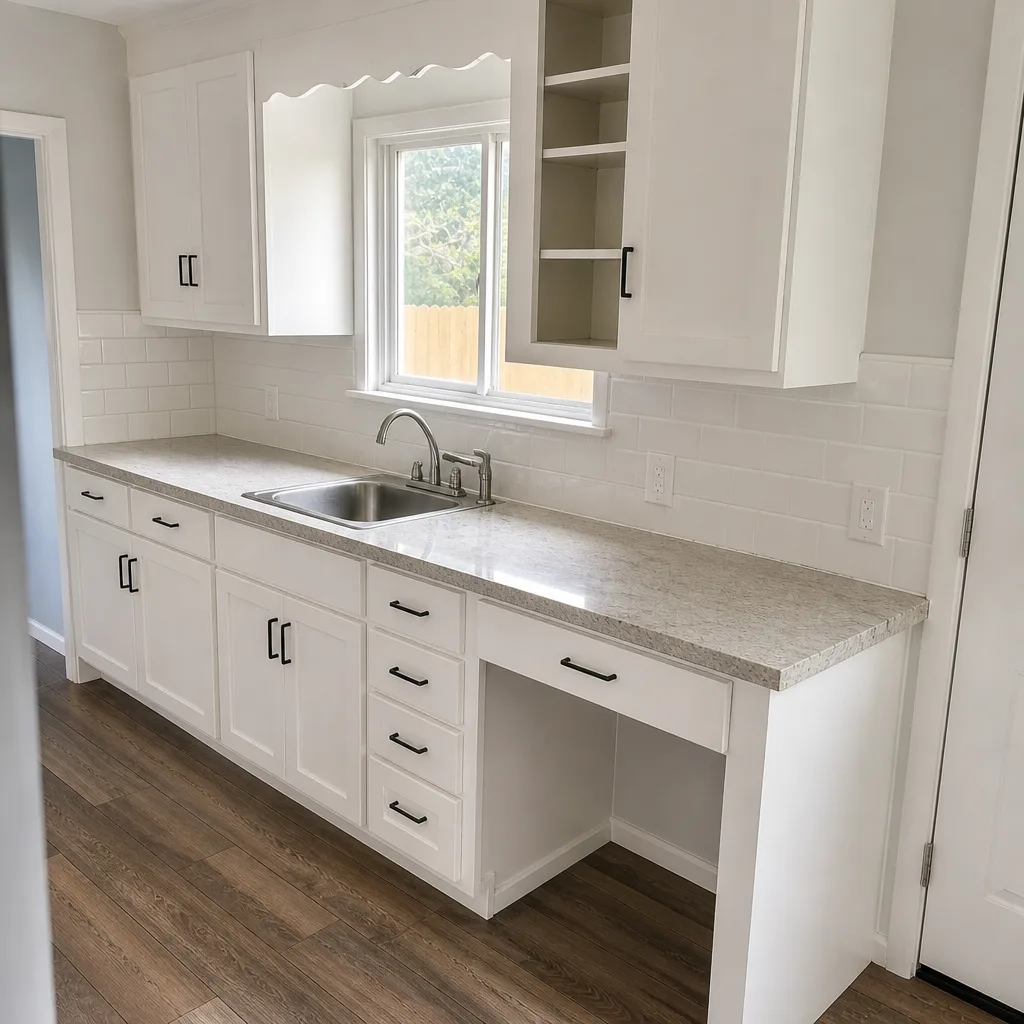 After
 Before
 After
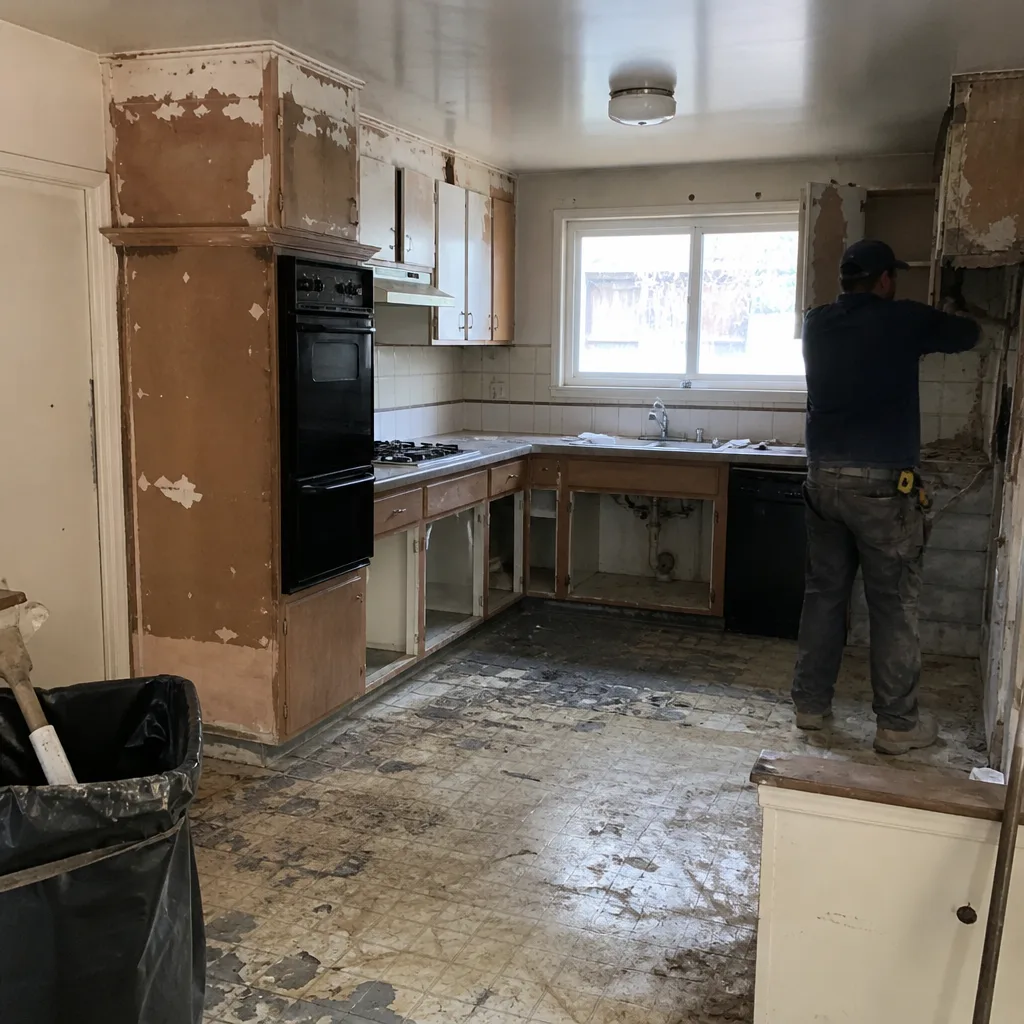 Before
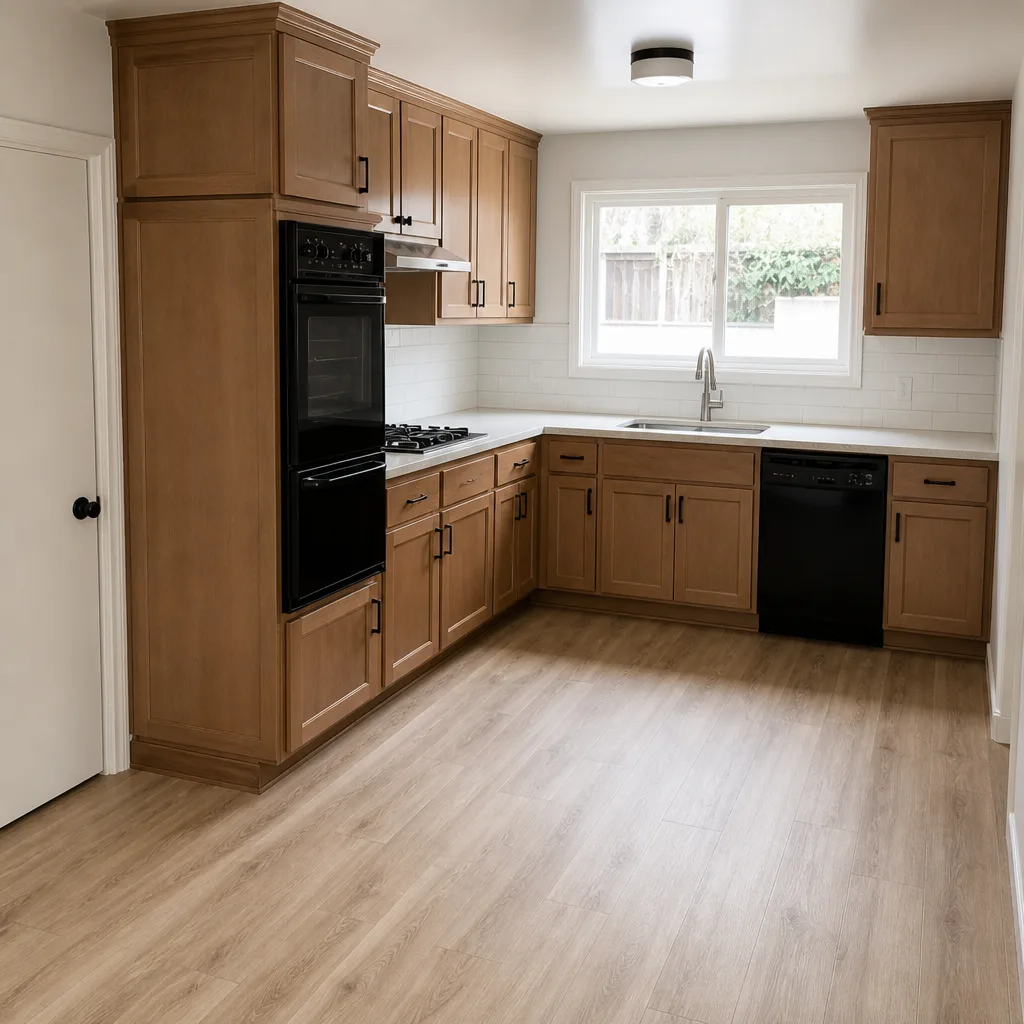 After
When to Call a Professional
Some situations are clearly beyond a homeowner’s reach. Structural work, electrical panel upgrades, gas line work, and any project that requires a permit and inspection belong with a licensed professional. If you’re in the middle of a job where the previous contractor walked off, the site is half-finished, and there’s no written scope to pick up from, that’s a moment to involve a professional crew rather than try to close it out yourself. The same goes for any project where the bid you’re holding is a lump sum and you can’t tell what’s in it. Getting a second written estimate is free and doesn’t commit you to anything. Bradford Remodeling Co Vallejo offers free estimates in Vallejo – call (844) 560-4789 to schedule one.
Frequently Asked Questions

A typical Vallejo kitchen remodel runs roughly $28,000 to $75,000 for a full gut-and-rebuild, depending on size, cabinet line, and whether the layout changes. A cosmetic refresh (doors, surfaces, fixtures) sits lower, and a layout change with plumbing relocation sits higher. On an older Vallejo home, budget an allowance for substrate and plumbing surprises – a good bid will name that allowance in writing. Call (844) 560-4789 for an exact quote based on your kitchen – estimates are free.
The biggest single red flag is a contractor who won’t put scope, price, and guarantee in writing before work starts. That’s the structural warning; the rest – slow replies, pressure to pay early, no permit – usually follow.
Yes, for most bathroom remodels. Any work that touches plumbing, electrical, or structural framing requires a permit and inspection. Cosmetic work (paint, tile, fixture swaps that don’t move a supply line) may not – but confirm before the crew starts, and never accept a contractor’s verbal “you don’t need one.” A permit posted on the site is one of the fastest ways to tell a by-the-book crew from a shortcut.
It shouldn’t, if you have a written line-item bid and a written change-order process. The price only moves when you authorize a scope change on paper. If a contractor says “the price might adjust once we open the walls,” ask for the allowance they’re budgeting for surprises, and get it in writing before the contract. Surprises aren’t the problem; unbudgeted surprises are. When a change is real and documented, we tell you the number before we touch anything – no numbers that move at the door.
Ask for the certificate of insurance and read it. Verify the named insured matches the company on your bid, the policy is current, and both general liability and workers’ compensation are listed. You can also verify the license directly through the California state licensing board’s public lookup. A contractor who hesitates to send the certificate is telling you something – listen to it.
A bathroom remodel typically runs three to six weeks; a kitchen runs four to ten weeks; a whole-home remodel runs several months and depends heavily on scope. Get the schedule in writing with milestone dates on the bid, and ask specifically what could push those dates – permits, weather on exterior work, and material lead times are the common ones. A written schedule you can hold the crew to is part of the same package as a written price and a written guarantee.
The Bottom Line
Most construction failures are readable before the check clears. A line-item bid shows you what’s included. A certificate of insurance shows you what’s protected. A written change-order process shows you how surprises will be handled. A written guarantee shows you who’s still around in a year. A contractor who can produce all four is a contractor worth hiring; one who resists them is telling you how the job will go. We hold every Bradford Remodeling Co Vallejo project to the same standard: written price before work starts, written guarantee at close, background-checked technicians on the job, and a live person on the phone. Lee el Bradford Remodeling Co Vallejo home para ver el estándar completo, o explora nuestros servicios: General Contractor in Vallejo, Kitchen Remodeling in Vallejo, and Bathroom Remodeling in Vallejo.
Contact
If you’re holding a bid and something feels off, or you’re ready to start a project the right way, call Bradford Remodeling Co Vallejo at (844) 560-4789 for a free estimate. You’ll get a written price, a written scope, and a written guarantee – before any work starts.
Written by the team at Bradford Remodeling Co Vallejo.