Last updated November 17, 2026


Free written scope consultation - allowances, timeline, and change-order rules on paper before a single trade is scheduled
DIY vs Professional General Contractor: What’s Safe to Do Yourself
Painting your living room is legal DIY. Moving the electrical outlet in that same room without a permit is a code violation that can follow the house title, and it can cost you the sale. That gap between “feels fine” and “is actually yours to do” is where the real version of this decision lives. In our experience working Vallejo homes near the waterfront and up through the older blocks of the Arsenal, the line between safe DIY and dangerous DIY isn’t about whether you own a drill. It’s about permit exposure, liability transfer, and who gets the bill when something inside a wall fails two years from now. This guide draws that line where your personal risk actually changes.
Quick Answer
Safe DIY in Vallejo generally means cosmetic and non-structural work with no permit attached: painting, replacing a faucet or light fixture, patching drywall, pulling out old cabinets once utilities are safely capped, laying a floating floor over sound substrate, and landscaping. Everything that alters structure, electrical circuits, gas lines, plumbing within the wall cavity, or the building envelope requires a licensed contractor of record under California’s owner-builder rules. If the job needs a permit and you don’t want the inspection responsibility on your name for years, hire the licensed professional.
Styles & brands we work with
- Kitchen remodeling
- Bathroom remodeling
- Home additions & ADU
- Roofing
- Windows & doors
- Driveway & pavers
- Fence
Table of Contents
- What Work Requires a Permit in Vallejo?
- How Does California’s Owner-Builder Exemption Actually Work?
- The Real Assessment Framework: Code, Warranty, Insurance
- The Hidden Cost Math of DIY Gone Wrong
- What Vallejo Homeowners Can Safely Do Themselves
- The Work You Should Never Touch Yourself
- When It Pays to Hire a Professional General Contractor
What Work Requires a Permit in Vallejo?
Vallejo operates under the California Building Standards Code along with local amendments, and the city’s permit list is longer than most homeowners expect. The permit itself is one thing; the deeper issue is that permit-required work usually requires a licensed contractor of record, or the homeowner taking on the owner-builder role. That role has real teeth attached to it.
Work that typically triggers a permit in Vallejo:
- Any electrical work beyond swapping a fixture on an existing circuit (new outlets, added circuits, panel changes, any 240-volt run).
- Plumbing rough-in: moving a drain line, adding a bathroom, rerouting supply lines inside a wall.
- Interior structural changes: removing or modifying a wall, altering a header, cutting a new opening through a load-bearing element.
- Gas line work of any kind, including extending a line to a new range or dryer.
- Water heater replacement, and any HVAC system replacement or new installation.
- Roofing, siding, and window replacement on the building envelope (a permit is often required because these are inspected for weatherproofing).
- Decks over a certain height, patio covers, and any addition or detached structure.
- Kitchen and bathroom remodels that touch plumbing, electrical, or walls.
There’s a specific Vallejo wrinkle homeowners in older neighborhoods run into: homes built before the mid-1970s may carry materials the city requires you to handle a certain way. Paint in homes of that era can contain lead, and pre-1980 buildings often carry asbestos in floor tile, mastic, and pipe insulation. The county requires proper handling for demolition that disturbs those materials. DIY demo without that knowledge is the kind of thing that gets expensive fast. If you’re not sure of the age of a component, presume the worst and get it tested before you swing a hammer.
How Does California’s Owner-Builder Exemption Actually Work?
California Business and Professions Code Section 7044 allows a homeowner to act as their own contractor on their own residence. That’s the owner-builder exemption. It sounds like a loophole. It’s really a transfer of every risk a licensed contractor would normally carry. When you pull a permit as an owner-builder, you take on the inspection responsibility, the code liability, and the workers’ compensation obligation for anyone who works on the project.
Here’s how the owner-builder role actually plays out:
- You sign the permit as the contractor of record. The permit and the inspection history attach to your property address. If a future buyer pulls those records and sees a project that never passed final inspection, that becomes a negotiating problem.
- You become the employer for anyone you hire to help. If a neighbor’s kid helps you frame a wall and gets hurt, you’re the responsible party. California law requires workers’ comp coverage or a valid exemption in many homeowner-hiring scenarios. Hire uninsured help on a project and you own the injury.
- You are the warranty. A licensed contractor carries general liability insurance that responds when the work fails or causes damage. When a homeowner does it themselves, that insurance may not respond because the homeowner isn’t a commercial insured party for the work on their own home. Your homeowner’s policy may exclude construction defects it considers your own work.
- You cannot legally sell or lease the property as a “new” or “remodeled” home in some disclosure contexts. The owner-builder exemption is designed for personal use, not resale.
There’s also a practical exemption limit: if you’re pulling an owner-builder permit for work on a property you don’t intend to occupy, you’re likely outside the exemption and would need a licensed contractor. That line matters when you’re flipping a property or renovating a rental.
The Real Assessment Framework: Code, Warranty, Insurance
Most DIY-versus-hire conversations start and end with “can you do it?” That’s the wrong question. The better one is: can you do it to code, to warranty standard, and with insurance coverage if it fails? We’ve seen homeowners in Vallejo who could absolutely install a tile shower, and still should have hired a contractor for the shower pan. The reason is the third installment on the second floor, not the tile skill.
Run every candidate project through this framework before you commit:
- Code: Does this work need to pass an inspection? If yes, will you pass it on the first try, and if not, can you live with re-inspection fees and a red-tag period where the work sits unfinished?
- Warranty standard: Would the same work installed by a licensed pro carry a manufacturer warranty? Many products (James Hardie siding, Therma-Tru doors, most window systems) have warranty terms that void when installed by someone who isn’t a licensed installer, or when they aren’t installed per spec. You spend the money on premium materials and lose half the value of the warranty.
- Insurance: If a water line you moved leaks and damages the finished room below, does your policy cover it? If a deck falls off the house, does it? Many homeowner policies exclude defective workmanship performed by the insured. That’s not a personal-injury question, that’s a “the repair is on you” question.
- Time: What happens to your household if the project runs 4x longer than projected? Half-finished kitchens and bathrooms are the most expensive version of a project, because the house is unusable and the clock keeps running on the parts you can’t finish.
The line shifts project to project. It stays put on one thing: if the work involves permit exposure or displaces heavy risk from a licensed contractor to you, that’s the moment to hire. If you’re looking at the full menu of work this applies to, the General Contractor in Vallejo page walks through the categories that need a licensed professional on the record.
The Hidden Cost Math of DIY Gone Wrong
DIY always looks cheaper when you compare materials to a contractor’s bid. That math falls apart fast when something fails. Here’s the cost structure we’ve seen play out on Vallejo projects where the homeowner started the work and asked us to finish.
Common DIY failure scenarios and what they actually cost:
- Moved electrical outlet without a permit: average correction cost $400 to $900 for a licensed electrician to open the wall, re-run the circuit to code, pull the permit after the fact, and get the inspection clean. That doesn’t include the finished drywall and paint to close it back up, which adds $200 to $600.
- Water heater installed without permit: $250 to $500 in re-inspection fees, permit penalties, and correction if the venting or pan aren’t to code. Water heaters are the single most common unpermitted install in older Vallejo homes, and inspectors know where to look.
- Failed shower pan: the pan itself is $400 to $1,200 in materials. The water damage underneath in the finished floor below can hit $8,000 to $25,000 if it runs for a full year before anyone notices it.
- Unpermitted deck: $2,500 to $8,000 to demo and rebuild to comply, plus title disclosure headaches when you sell. If a buyer’s lender requires the deck permitted, this can hold up a sale for weeks.
- Improperly flashed window: rotted substrate under the window can run $1,500 to $4,000 in carpentry correction once water gets in, without factoring in interior repairs.
Compare that to the original professional pricing. Whole-home and kitchen work is quoted in writing before any tool comes out, so the cost isn’t a moving target. A written price today is a fixed number. A DIY mistake is an open-ended number that runs until someone fixes it. Correction work always costs more than the original installation, because now you’re paying to remove and redo, and the materials you already bought are mostly scrap.
What Vallejo Homeowners Can Safely Do Themselves
There’s plenty of work that’s both legal and cost-effective to do yourself in this area. Vallejo’s mild climate helps: paint cures well without the temperature swings that mess with exterior finishes in the Sierra foothills, and the dry summer season is the best time to handle exterior prep before the wet months hit. Homeowners in Glen Cove and near the Vallejo Yacht Club get an extra benefit from the coastal air because wood doesn’t dry out as aggressively as inland, so paint touchups hold longer between coatings.
Safe, cost-effective DIY for most homeowners:
- Painting, interior and exterior: the highest-value DIY on any list. Prep work is 60% of the job and it’s yours to do. Pressure washing an exterior in May or June, filling nail holes, sanding, priming, and cutting in paint. This is safe, non-permitted work with no inspection risk.
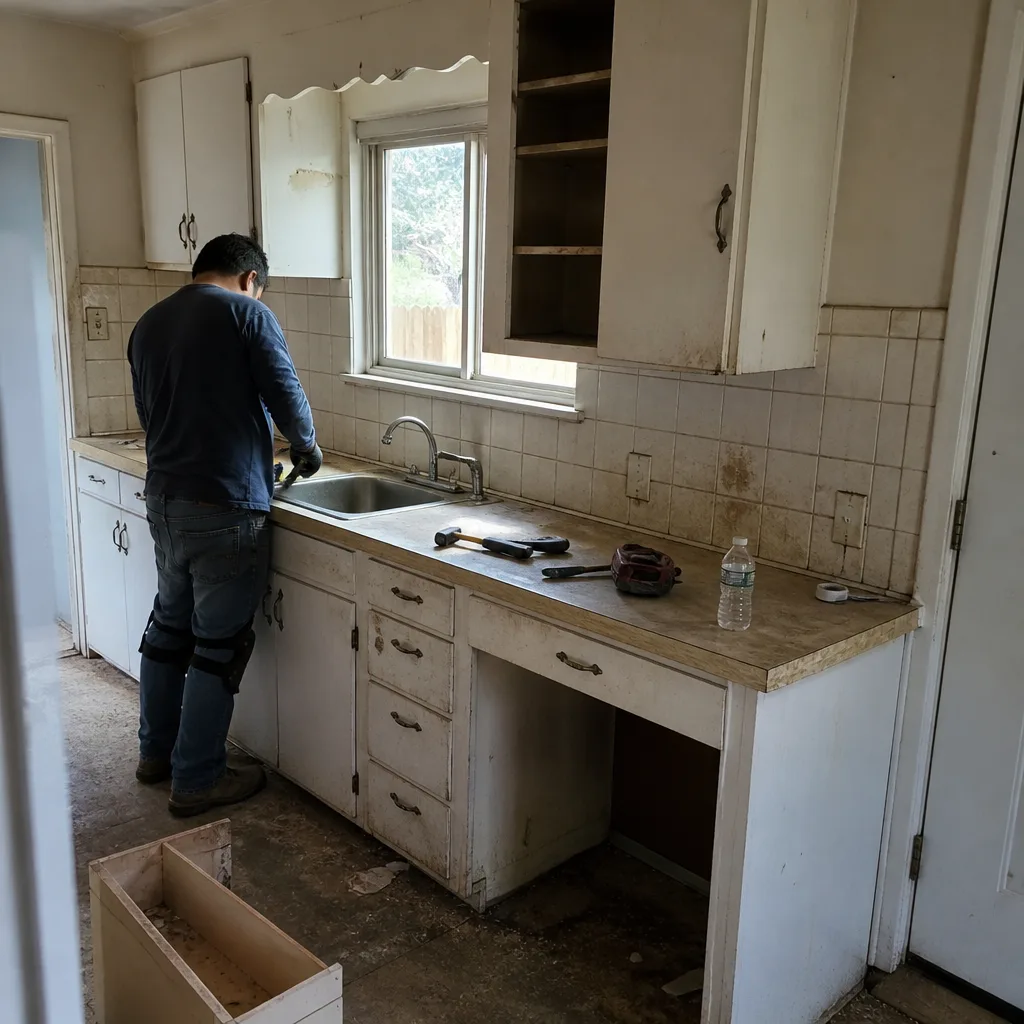
- Demo of non-structural elements: pulling out old cabinets after utilities are capped by a licensed plumber or electrician, removing carpet, taking out a non-load-bearing partition once a structural engineer has confirmed it’s non-bearing, tearing out old tile in a bathroom. Demo is real money saved because it’s labor, not skill. It’s also the most common place DIY homeowners hurt themselves. Wear eye protection and gloves, and stop the moment you hit anything that looks like structure or unfamiliar wiring.
- Replacing fixtures: a kitchen faucet, a bathroom vanity faucet, a light fixture on an existing circuit, cabinet hardware, a toilet (with the flange already in good shape), shower heads. There’s no permit or inspection for these in California. Watch the wiring: a fixture swap on an existing switch is fine, but if the box isn’t grounded, or the light was never properly wired, that’s a stop and call.
- Patching drywall and small repairs: nail pops, small cracks, water spots, picture-hanging. Fast, safe, and no permit exposure.
- Landscaping and staging: planting, mulching, building planter boxes, patio furniture layout, staging a room before a listing photo shoot. Low risk, high return.
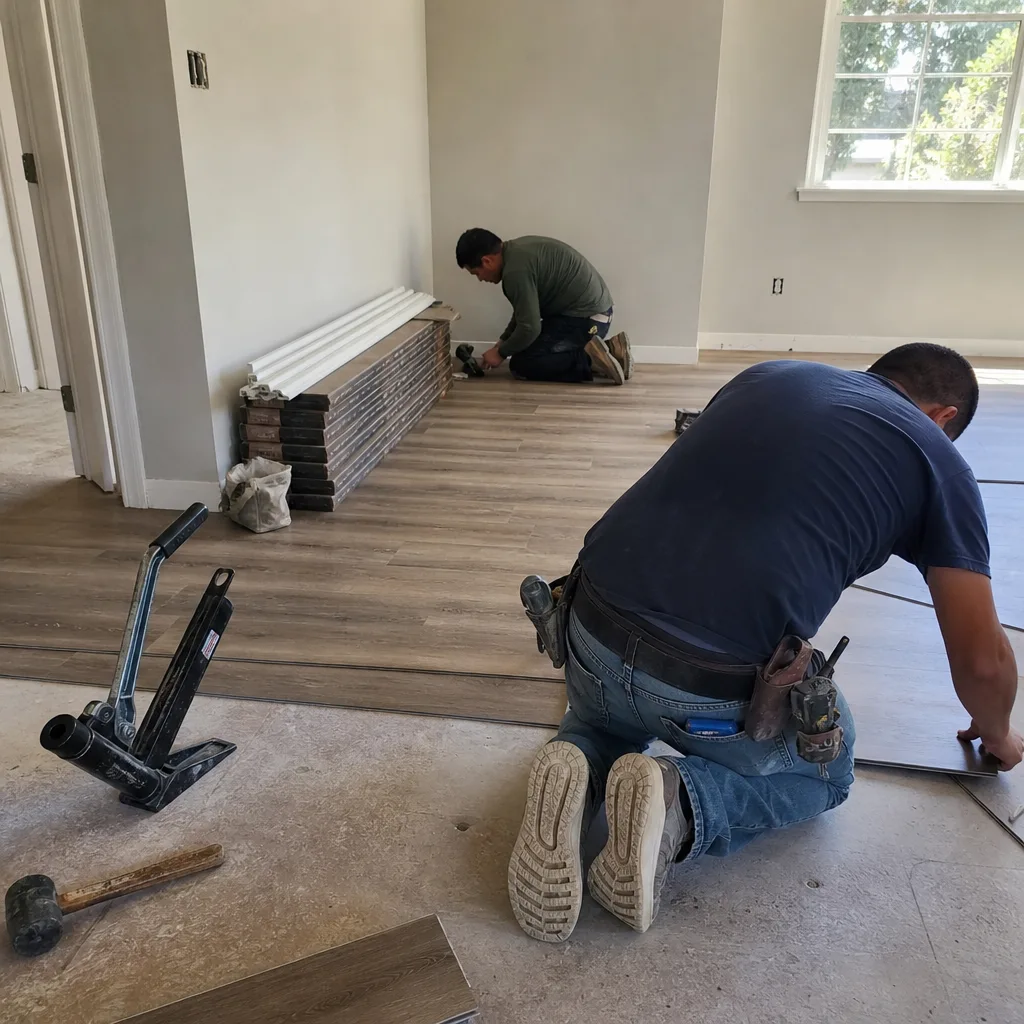
- Floating flooring: LVP, laminate, and floating engineered floor over a sound substrate. Real skill, but no permit, no wet trades, and reversible if something goes wrong.
For something like a product flooring or paint match, ask us about James Hardie exterior cladding or Cambria surfaces during a free estimate. Manufacturer specs matter, and a DIY install outside spec voids the warranty.
The Work You Should Never Touch Yourself
The list of “never” is shorter than the list of “safe,” but every item on it has caused serious injury or catastrophic failure. A real professional will tell you: this is where the line stops being a judgment call.
- Gas line work. Any gas line extension, reconnection, or appliance hookup requires a licensed plumber or pipefitter in California. A leak you can’t smell is a fatal risk.
- Electrical panel and any new circuit. Opening a panel is dangerous even to a trained pro. The main breaker doesn’t eliminate the live feed on the utility side. Any panel work, any added circuit, any 240-volt appliance, is a stop and call. Never DIY a service change.
- Structural changes. Wall removal, header changes, beam installation, foundation work, second-story additions. You need engineering, permits, and inspection signatures. This isn’t a skill question. It’s a “will the house stay up” question.
- Roof work. Anything above a single-story roofline, or any work at the roof edge. Falls are the leading cause of serious injury on residential construction, and a shingle installation done wrong leaks for years before it’s caught.
- Water heater installs and any gas appliance. Venting must be exact. A water heater installed without proper venting is a carbon monoxide risk. Licensed plumbers only.
- Anything that touches the building envelope: window and door replacement, siding, waterproofing, roof penetrations. These are inspected for a reason, because the failure is slow, hidden, and expensive.
If a project lands on that list, it’s not a matter of confidence. It’s the point where we recommend hiring a licensed contractor of record and keeping the risk off your personal liability. For a full picture of the projects we handle end to end, the Kitchen Remodeling in Vallejo and Bathroom Remodeling in Vallejo pages show how the permit and inspection chain is handled from day one.
When It Pays to Hire a Professional General Contractor
Hire a professional when the work touches permits, structure, gas, electrical panels, or the building envelope. Hire one when the failure mode is catastrophic or hidden, not when it’s cosmetic. Hire one when a manufacturer warranty, an insurance claim, or a home sale disclosure depends on the work being documented as installed by a licensed party. And hire one when the total project time exceeds what your household can tolerate in a half-finished state, because a stalled remodel is more expensive than a properly bid one.
The counterintuitive truth: the jobs that feel the most manageable are often the ones with the biggest risk transfer. A “quick” bathroom remodel that moves a drain line is a permit job, a plumbing rough-in, an inspection, and a waterproofing warranty all in one. A deck rebuild feels like carpentry. It’s engineering and inspection and liability.
We’re a licensed general contractor working Vallejo homes, and we know which jobs a homeowner is legally and practically set up to do, and which need a professional of record. If you’re on the fence about a specific project, the fastest way to get a straight answer is a free estimate. Walk through the job, the permit requirements, and the honest cost of doing it yourself with all the hidden math included. Bradford Remodeling Co Vallejo runs on The Garrison Standard, which means every price is written down before any work starts, and every completed project carries the 365-Day Done Right Promise. If it’s not done right, we come back and make it right at no charge. If you’re comparing this to a DIY project, get the number on paper first so you can compare it to the real cost of your own work.
Common Mistakes to Avoid
- Skipping the permit because the neighbor didn’t pull one. Unpermitted work in Vallejo is a documentation problem for the next owner and a disclosure problem for you. It doesn’t disappear because the neighbor got away with it.
- Assuming a small plumbing change is safe. Moving a single supply line or drain behind a wall often requires a permit and always creates a slow-leak risk. A $150 line move can cost $6,000 in water damage when the fitting fails inside the wall.
- Hiring uninsured help to save money. If a helper is hurt on your property and isn’t covered by their own workers’ comp, that injury can land on your homeowner’s policy. That’s a DIY risk transfer, whether or not you’re holding the hammer.
- Buying premium materials without a licensed installer. James Hardie, Cambria, and most window and door manufacturers void their warranty when installation is off-spec. You pay premium prices and lose the warranty protection.
- Assuming homeowner insurance will cover DIY construction defects. Most California homeowner policies exclude defective workmanship performed by the insured. Read the exclusions page before you tear out a shower pan.
- Removing a wall “just to open it up.” In older Vallejo homes, the wall you want to remove may be load-bearing, or it may conceal older wiring, plumbing, or asbestos. Verify with an engineer or contractor before any structural demo.
- Starting a kitchen or bathroom remodel without a written scope. When you’re the general contractor, you’re also the scheduler, the inspector, and the warranty. Half-finished kitchens in Vallejo sit for months because the homeowner ran out of weekends.
See the difference
 Before
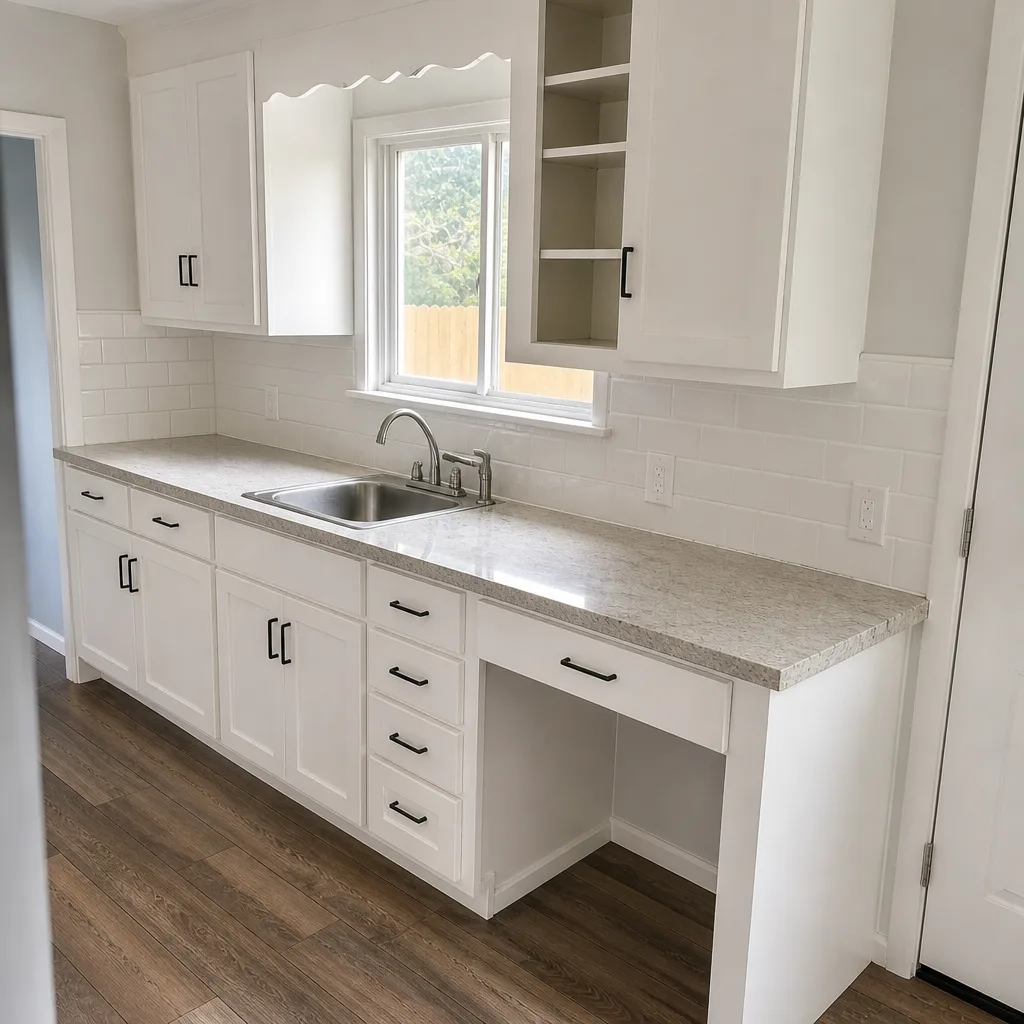 After
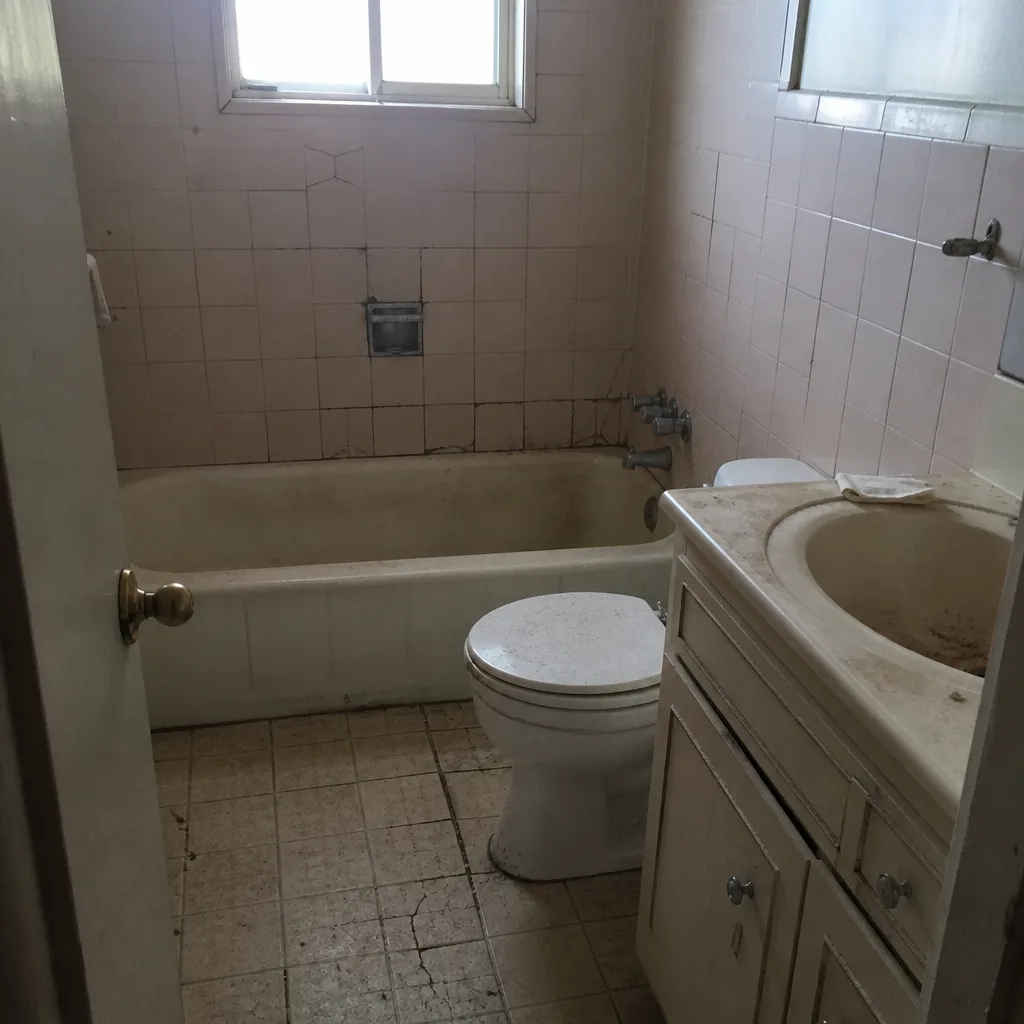 Before
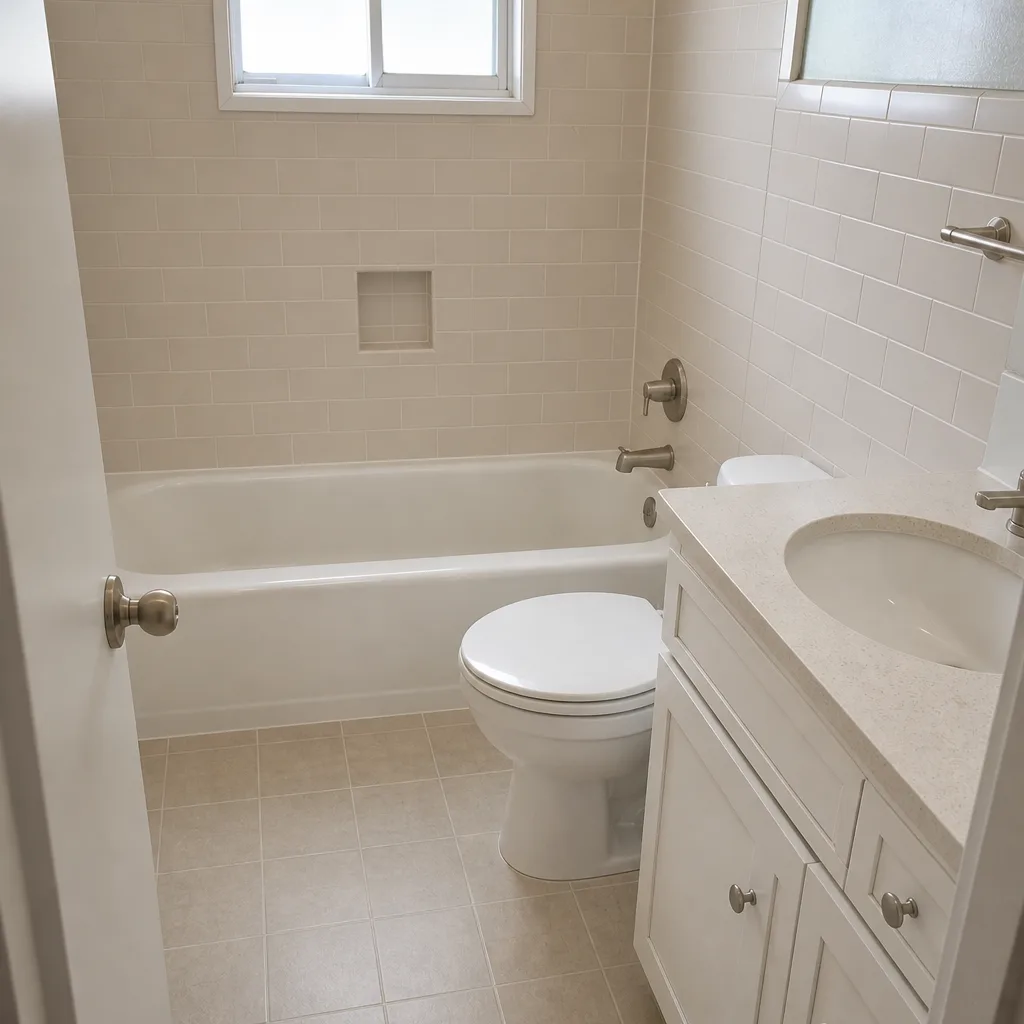 After
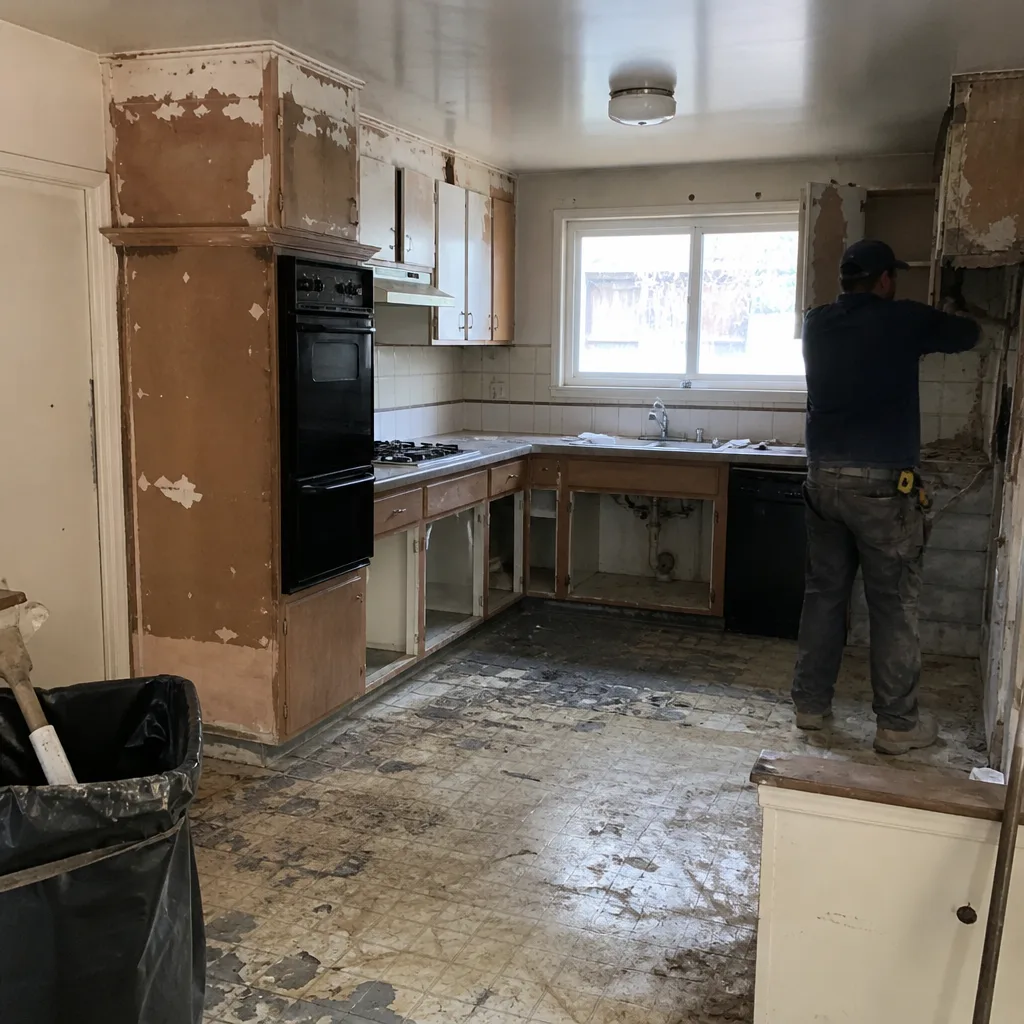 Before
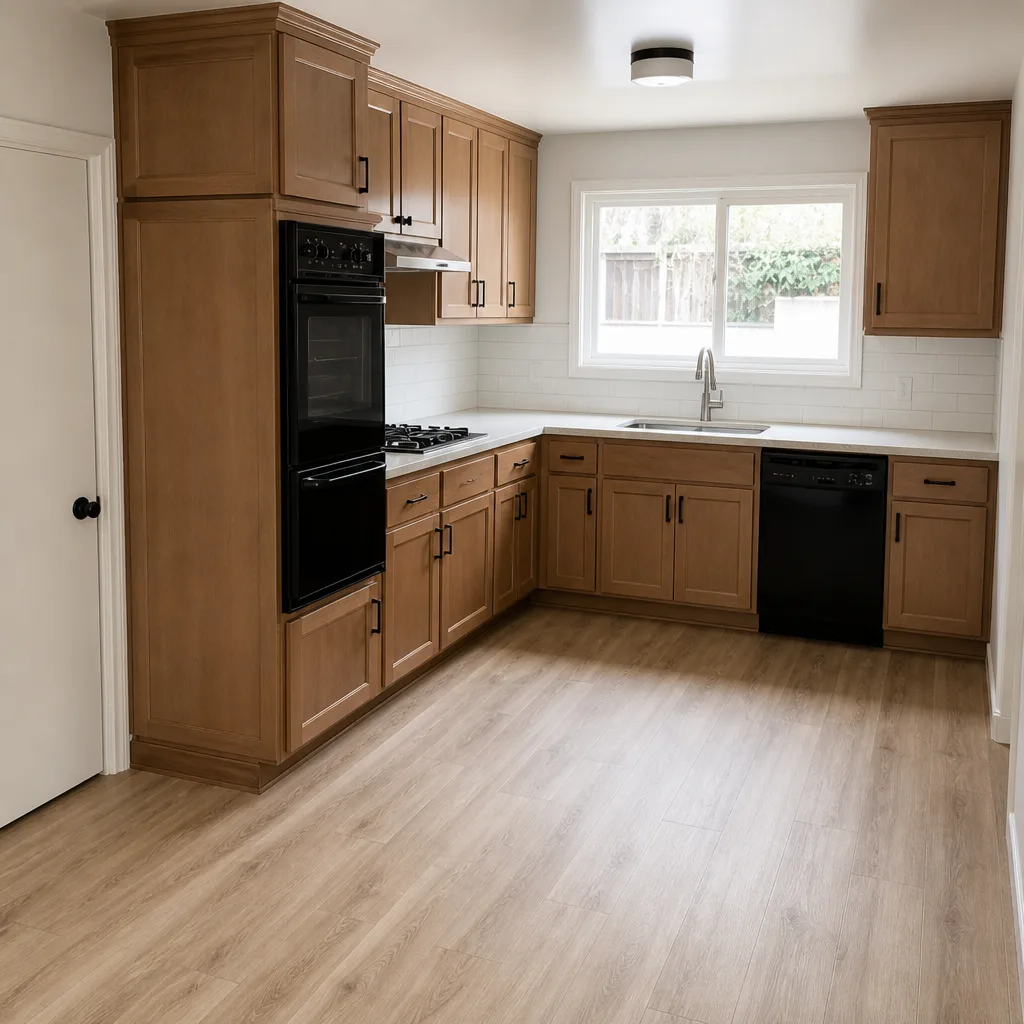 After
When to Call a Professional
If the project requires a permit, involves gas or the electrical panel, changes the structure, touches the building envelope, or creates water-damage risk behind a wall, you’re no longer in DIY territory. That’s the point where the licensed contractor of record absorbs the risk instead of you. If the job is going to be inspected, insured, or disclosed at sale, that’s your signal. Also, if the work is likely to fail without a warranty behind it, hire it out. A licensed pro carrying the 365-Day Done Right Promise on a completed project is a transfer of risk that DIY doesn’t include. Bradford Remodeling Co Vallejo offers free estimates in Vallejo, and we walk through exactly what’s permit-required and what’s yours to handle. Call (844) 560-4789.
Frequently Asked Questions
No. Exterior and interior painting does not require a permit in Vallejo and is legal DIY. The prep is the part that matters (pressure washing, scraping, repairing substrate, priming), and that’s work worth doing yourself. If your prep reveals rot under siding or failed window flashing, stop painting and call a pro: that’s an envelope repair, not a paint job.
Yes, under the owner-builder exemption in Business and Professions Code Section 7044, a homeowner can act as their own contractor on their own residence. The catch is that you take on every risk a licensed contractor would normally carry: inspection responsibility, workers’ compensation for anyone who helps, and liability for defects. The exemption is designed for personal use, not resale or rental renovation. Call (844) 560-4789 if you want a straight read on whether your project falls inside or outside the exemption.
Water damage from an improperly installed tile shower or an unpermitted water heater is typically the most expensive correction, often $8,000 to $25,000 once hidden damage under flooring and into framing is uncovered. The materials are cheap. The correction inside the wall is not. If the water damage is already happening, it’s a contractor call, not a DIY call.
Yes. A faucet swap on existing supply lines is safe, legal, and typically no permit is required. Shut the water off at the angle stops first, use thread sealant on the new supply connections, and check for drips after re-pressurizing. If the angle stops are frozen or the supply lines are older than the faucet, it’s worth having a plumber look at the shutoff valves before you proceed.
Any electrical work beyond a fixture swap, plumbing rough-in within a wall or under a slab, gas line changes, and any wall or structural modification. In practice, most kitchen and bathroom remodels touch at least one of those, which is why most remodels in Vallejo run through the permit process. If you’re doing a cosmetic-only refresh (paint, cabinet refacing, new faucet, new countertops), a permit may not be required, but check before assuming.
Check the license through the California Contractors State License Board (CSLB) website before any work starts, and ask for a certificate of insurance with your property address listed as a covered location. A written scope and written price before work starts is the second check. Bradford Remodeling Co Vallejo puts every price in writing before a single tool comes out and carries the 365-Day Done Right Promise on every completed project: if the work fails within the guarantee period, we come back and correct it at no charge. Call (844) 560-4789 to schedule a free estimate.
The Bottom Line
The DIY-versus-hire line in Vallejo isn’t about confidence or tools. It’s about permit exposure and where liability sits when something fails inside a wall two years from now. Paint, prep, demo of non-structural elements, fixture swaps, floating floors, and landscaping are yours to do, and doing them yourself is worth real money. Permits, gas, panels, structural work, envelope waterproofing, and anything with a slow-failure risk belong with a licensed contractor of record. If the work is going to be inspected, insured, or disclosed when you sell, hire the pro. That’s where your personal risk changes, and it’s the only honest line in this decision. When you’re ready to get a written price on the professional side, call Bradford Remodeling Co Vallejo at (844) 560-4789 for a free estimate. 365-Day Done Right Promise on every completed project.
Written by the team at Bradford Remodeling Co Vallejo.
Ready to price a project properly? Call (844) 560-4789 to schedule your free estimate with Bradford Remodeling Co Vallejo. Live person, no voicemail, no pressure. Written price before any work starts. Visit the Bradford Remodeling Co Vallejo home page to see how The Garrison Standard applies to every project.