Last updated November 17, 2026







Free written scope consultation - allowances, timeline, and change-order rules on paper before a single trade is scheduled
General Contractor Troubleshooting: Common Problems and How to Fix Them
Here’s a pattern we see constantly in Vallejo: a homeowner calls us in month five of a nightmare remodel, and when we ask when things first went sideways, the answer is almost always week one. A milestone slipped by two days and nobody said anything. Then a crew stopped showing up on Tuesdays. Then the change orders started. By the time it felt like a crisis, the warning signs had been flashing for weeks. A contractor who is two days behind on week one will almost never make that time up – the schedule math rarely works in your favor after the first missed milestone. This guide teaches you to read the early signals and respond with the right lever at the right time, whether that’s a written notice, a correction request, or a formal complaint.
Quick Answer
Most general contractor problems are recoverable if you respond early with written documentation instead of verbal complaints. Distinguish a schedule slip (fixable with a written deadline) from a structural project failure (stopped work, abandoned permits, unpaid subcontractors) – the second requires escalation through the CSLB complaint process, a Contractors Bond claim, and small claims court, in that order. Everything you do should be in writing, with dated photos, because that record is what makes the bond claim or mediation work later.
Styles & brands we work with
- Kitchen remodeling
- Bathroom remodeling
- Home additions & ADU
- Roofing
- Windows & doors
- Driveway & pavers
- Fence
Table of Contents
- How to Read the Warning Signs Before the Job Goes Sideways
- Schedule Slip vs. Project Failure: How to Tell the Difference
- What a Legitimate Change Order Looks Like (and What Doesn’t)
- How to Document Work Defects So Your Records Hold Up
- The Correct Sequence for Escalating a Dispute in California
- What “Substantial Completion” Actually Means in California
- Vallejo-Specific Problems: Climate, Codes, and Older Housing Stock
- How to Protect Yourself Before the Next Job Starts
How to Read the Warning Signs Before the Job Goes Sideways
The problems that sink remodel projects telegraph themselves. In our experience running jobs across Vallejo, we’ve learned to separate the noise from the signals that matter. A single rainy week slowing exterior work is noise. A crew that hasn’t shown up for four consecutive business days, with no written explanation, is signal.
Here are the signals we tell homeowners to watch for, in roughly the order they tend to appear:
- Milestone slip in week one. Two missed days early rarely get made up. Ask for a written revised schedule within 48 hours.
- Vague answers about scheduling. “We’ll be there soon” is not a schedule. A written date is a schedule.
- Change order creep. If the third change order in as many weeks arrives, the original bid was probably too low to build the job.
- Disappearing subcontractors. Tradespeople who stop showing up mid-job often stopped getting paid. That’s a five-alarm signal.
- Site conditions degrade. Materials stacked in the wrong place, debris accumulating, no site protection. A crew that stops respecting the site stops respecting the job.
- Phone silence during business hours. A working contractor answers during normal hours. Silence is information.
When you see one signal, ask one question in writing. When you see two or three at once, that’s a pattern, and patterns justify stopping payment on the next draw until the contractor responds in writing. A general contractor in Vallejo who runs a disciplined job will have no trouble answering these questions, in writing, promptly. The ones who won’t answer are telling you something.
Schedule Slip vs. Project Failure: How to Tell the Difference
A recoverable schedule slip and a structural project failure look similar at the surface – both involve a job that isn’t moving as planned. The difference is whether the contractor is still working the problem. A slip has a revised written schedule and an explanation. A failure has silence, no-shows, and unpaid vendors.
Signs you’re dealing with a schedule slip:
- The contractor has offered a specific revised completion date, in writing.
- Materials have arrived or are visibly on order.
- Subcontractors are still on site, working.
- The contractor answers questions within a business day.
- Any cost impact is addressed in a change order, not a verbal aside.
Signs you’re dealing with a project failure:
- No written schedule in weeks, and no revised schedule offered.
- Subcontractors who say they’re not being paid (or who stop showing up).
- Permit pulled in weeks, inspection never scheduled.
- Multiple change orders arriving before the original scope is underway.
- Contractor asks for a draw ahead of the schedule in the contract.
The right move at a slip is a written notice requesting a revised schedule and completion date. The right move at a failure is to send written notice of concern, document everything, and consult a construction attorney before you send another dollar. In our experience, the schedule math almost never recovers after week two of missed milestones – which is why the written revised schedule matters more than the apology.
What a Legitimate Change Order Looks Like (and What Doesn’t)
A legitimate change order is the paperwork that documents a real change in scope, with a price and a schedule impact, signed by both parties before the work is performed. A change order used to reprice a low-ball bid is a different animal – it arrives after demolition, the “unforeseen” condition is discovered, and the new price isn’t a change at all but the real cost of the original scope.
A proper change order contains:
- A description of the change in scope, specific enough to be understood.
- The reason for the change (owner request, hidden condition, code requirement).
- A line-item price for the added or removed work.
- A schedule impact stated in days.
- Signature blocks for both contractor and homeowner, with a date.
What should make you pause: a change order that arrives without a signature block, a price that’s a round number with no line items, or a change order for “additional work” during a phase that wasn’t scheduled yet. We’ve seen the pattern play out on Vallejo jobs where the initial bid was framed under a low number and the change orders walked it up 40 percent before drywall. That’s not a change, it’s a repricing.
If you’re mid-job and a change order feels like a repricing, this is the moment to stop and ask for the line items. If the answer is a shrug, that’s the same signal as a missed milestone. When we quote a kitchen, we line-item everything before the work starts, which is the reason our clients in kitchen remodeling in Vallejo can compare bids apples-to-apples. A written price before any work starts isn’t a luxury – it’s the reason the change orders don’t surprise you.
How to Document Work Defects So Your Records Hold Up
Defect documentation has one purpose: to be usable by someone who wasn’t there – a mediator, a bond company, or a small claims judge. If your records can’t be understood by a stranger, they aren’t usable. Here’s the sequence we recommend to homeowners who want their complaint to actually work.
- Photograph before you touch. Every defect gets a wide shot and a close shot, with a tape measure visible in at least one. Date the photo the moment you take it.
- Write a dated log. One paragraph per incident: date, time, what you saw, what was said, who said it. Send a copy to the contractor via email so a receipt exists.
- Name the standard. “Tile is lipping 3/16 inch between adjacent tiles” is documentation. “Tile looks bad” is not. Use the trade term and the measurement.
- Get a third-party opinion in writing. A licensed inspector, an engineer, or another contractor can issue a short written finding. That document carries weight.
- Keep a running cost tally. If you’ve paid for corrective work, log every dollar with the invoice and the date.
- Never repair the defect yourself before documenting it. Once you tear out the bad tile, you’ve destroyed the evidence.
If you’re dealing with defects on a bathroom project, the documentation matters even more because tile and waterproofing failures compound. We’ve seen this often on bathroom remodeling in Vallejo jobs that were handed off before the waterproofing cured – the failure shows up months later, and the record is what makes the guarantee claim work. In California, the Contractors State License Board’s complaint process relies heavily on your written record, so the earlier you start the log, the stronger it is.
The Correct Sequence for Escalating a Dispute in California
Escalation in California has four rungs, and skipping one weakens the next. Move through them in order. Note that most disputes resolve at rung one or two – the higher rungs exist so you’re not stuck when they don’t.
Step 1: Written notice to the contractor. A dated letter or email describing the problem, the remedy you’re requesting, and a deadline (10 business days is standard). Send it two ways: email and certified mail. Keep the receipt.
Step 2: CSLB complaint. If the contractor doesn’t respond or resolve, file a complaint with the Contractors State License Board. The CSLB can investigate, mediate, and in serious cases take license action. It can also refer you to the arbitration program for smaller disputes. File online at cslb.ca.gov; the complaint is free.
Step 3: Contractors Bond claim. California requires licensed contractors to carry a contractor’s bond. If the CSLB process confirms a valid claim and the contractor won’t pay, the bond is the next lever. Bond claims have strict timelines (usually within two years of the act, sometimes shorter), so don’t wait.
Step 4: Small claims court. California small claims handles disputes up to $12,500 for individuals. Filing fees are modest, lawyers aren’t allowed, and the hearing is fast. Your documentation from step one is what wins or loses this – which is why the log matters.
A word of caution: if the dispute involves a stopped and abandoned job, or a contractor who has disappeared, don’t wait out the written-notice window. Move to step two faster. The pattern we see in Vallejo is homeowners who give the contractor “one more week” for three months, then file a CSLB complaint past the window that would have helped them.
What “Substantial Completion” Actually Means in California
In California, substantial completion is the point at which the project is usable for its intended purpose, even if minor punch-list items remain. It’s not “done.” It’s “useable.” This distinction matters enormously when a contractor says they’re finished but the punch list is a page and a half long.
Substantial completion triggers several legal consequences: it starts the clock on some warranty periods, it can affect mechanic’s lien deadlines, and it’s often the point at which the final payment becomes due. A contractor who declares substantial completion while the bathroom has no working water is wrong. A contractor who declares it when the tile is in, the water runs, and the door is one inch short of trim is technically correct – and the punch list is what handles the door.
What you should do when the contractor claims substantial completion:
- Walk the job with the punch list in hand, in writing, on a single page.
- Take photos of each open item with a date stamp.
- Get the contractor to sign and date the punch list, agreeing to a completion date for the items.
- Hold final payment against completion of the punch list – not against the entire project.
- Ask for the warranty documents and the manufacturer warranties on file.
If your contractor can’t produce a punch list and won’t sign one, that’s a signal that something has shifted. On our projects, we walk the job at close with the homeowner, produce the punch list in writing, and hand them the signed written guarantee before we load the truck. That’s what “squared away” looks like at job close.
Vallejo-Specific Problems: Climate, Codes, and Older Housing Stock
Vallejo has a few recurring problems that show up in remodels more often than in neighboring cities, and knowing them helps you spot a contractor problem versus a building problem. The first is the housing stock – much of Vallejo’s single-family housing dates between 1920 and 1960, which means knob-and-tube wiring, cast-iron drain lines, and unpermitted additions from previous decades. When demolition opens up a wall and the contractor discovers aluminum branch wiring or a cast-iron drain at end-of-life, the surprise is real and the change order is legitimate. The trick is knowing in advance so you can price it.
The second is soil. Parts of Vallejo sit on expansive clay, which moves seasonally and affects slab work and hardscape. We’ve seen driveways and patios crack two winters after installation because the base wasn’t prepared for the movement. When a contractor quotes hardscape, ask what the subbase spec is. If the answer is vague, that’s your signal.
The third is the permit process. Vallejo’s building department is careful on older homes, and inspections often surface conditions that need correction before the job can move forward. A contractor who prices the job without pulling permits is asking you to own the risk when the inspector or a future buyer finds the unpermitted work. Pulling permits is not optional in Vallejo, and inspections are how you know the work is right.
How to Protect Yourself Before the Next Job Starts
The best troubleshooting happens before the first tool comes out. Here’s the checklist we wish every homeowner had in front of them at bid time.
- Get a written line-item price before work starts. Not a lump sum. Line items.
- Verify the license. Look up the contractor on the CSLB website; check the license status, the bond, and the workers’ comp status.
- Ask for the change order process in writing. What forms, what approvals, what notice period.
- Confirm who’s on the job. Background-checked, uniformed technicians on every job is a real standard and it should be in writing.
- Ask what the guarantee covers. A 365-day written guarantee means something specific – free correction within the window. Get it in writing.
- Read the schedule clause. Missed-milestone remedies should be documented, not implied.
- Ask about the brand roster. Documented materials (KraftMaid cabinetry, Cambria surfaces, James Hardie siding, Therma-Tru doors, GAF roofing) mean the specifications are traceable and manufacturer warranties are real.
This is how Bradford Remodeling Co Vallejo runs every job – a written price before any work starts, background-checked uniformed technicians on site, live-person phone coverage, and the 365-Day Done Right Promise on every completed project. If the work fails inside the first year, we come back and correct it at no charge. That’s the framework we operate under, and it’s the reason most of our Vallejo clients never reach the troubleshooting stage of this guide.
Common Mistakes to Avoid
- Accepting verbal change orders. If it isn’t in writing with a signature, it didn’t happen, and the price at the end won’t match what you agreed to. Vallejo’s permit process alone will hand you enough paper surprises; don’t add more.
- Paying draws ahead of the schedule. A draw is paid against completed work, not against promises. Once the money is out the door, your leverage is gone, and the schedule math is already working against you.
- Stopping the job without documentation. Firing a contractor without a written record of why looks like breach of contract. Build the file first, then send the notice.
- Making the last payment before the punch list is closed. Final payment is the last lever in your hand. Hold some against closed punch items, hire an inspector to walk the job if needed, and release only after you’ve got the written guarantee in hand.
- Assuming the low bid is a real bid. The pattern of low-ball bidding followed by aggressive change orders on Vallejo jobs is real. If the price is 30 percent below the others, the paperwork hasn’t been read carefully – either by you or by the contractor.
- Fixing defects yourself to move the job along. Every defect you repair before documenting it is a defect you can’t claim. Document, then fix.
- Not asking about the guarantee in writing. A verbal “we’ll take care of it” isn’t a guarantee. Get the written terms, the coverage window, and the process.
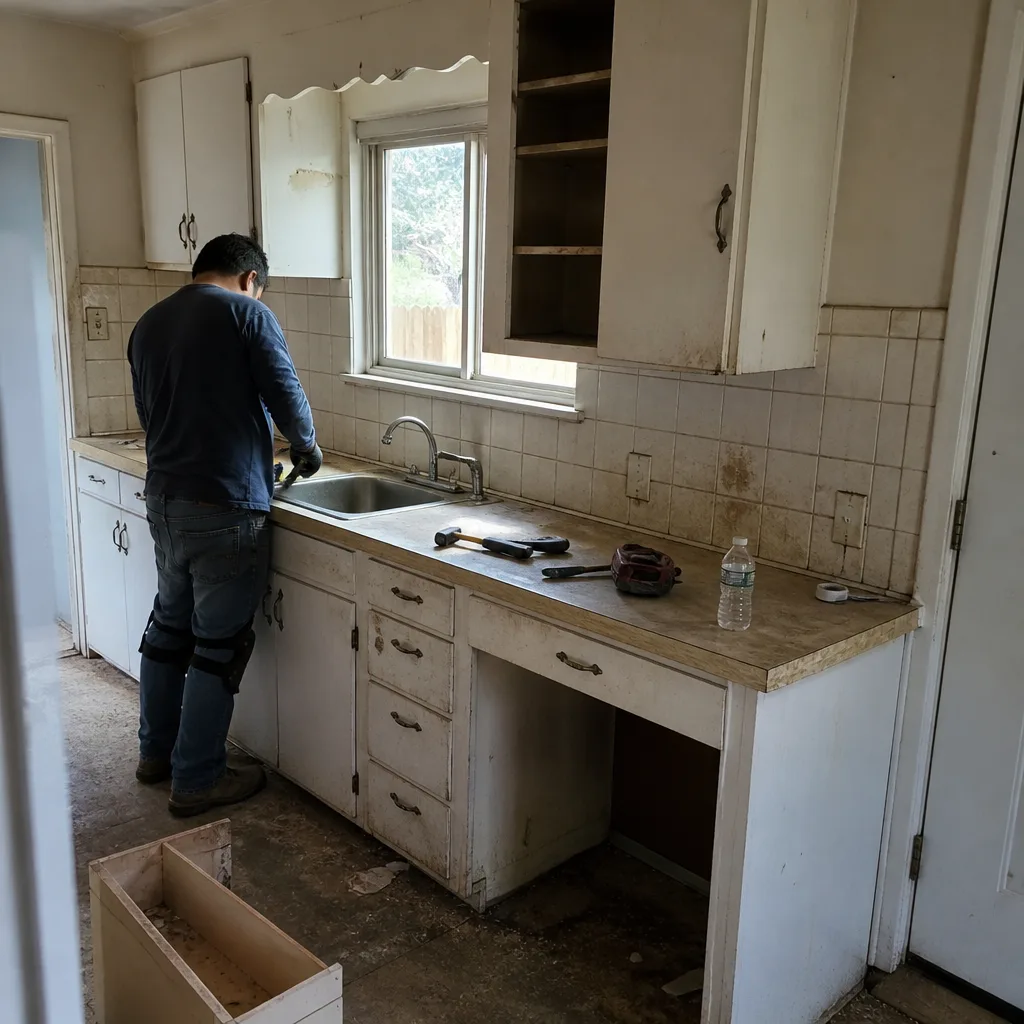
See the difference
 Before
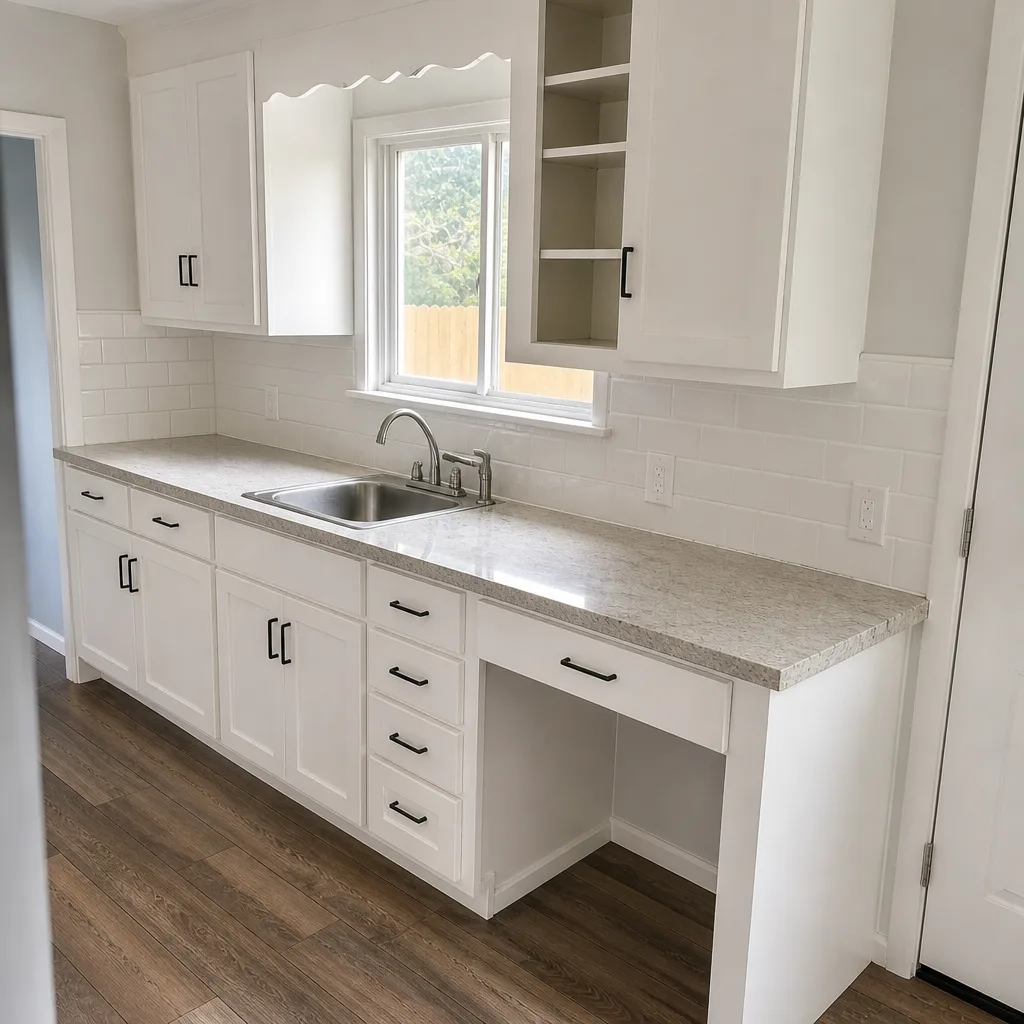 After
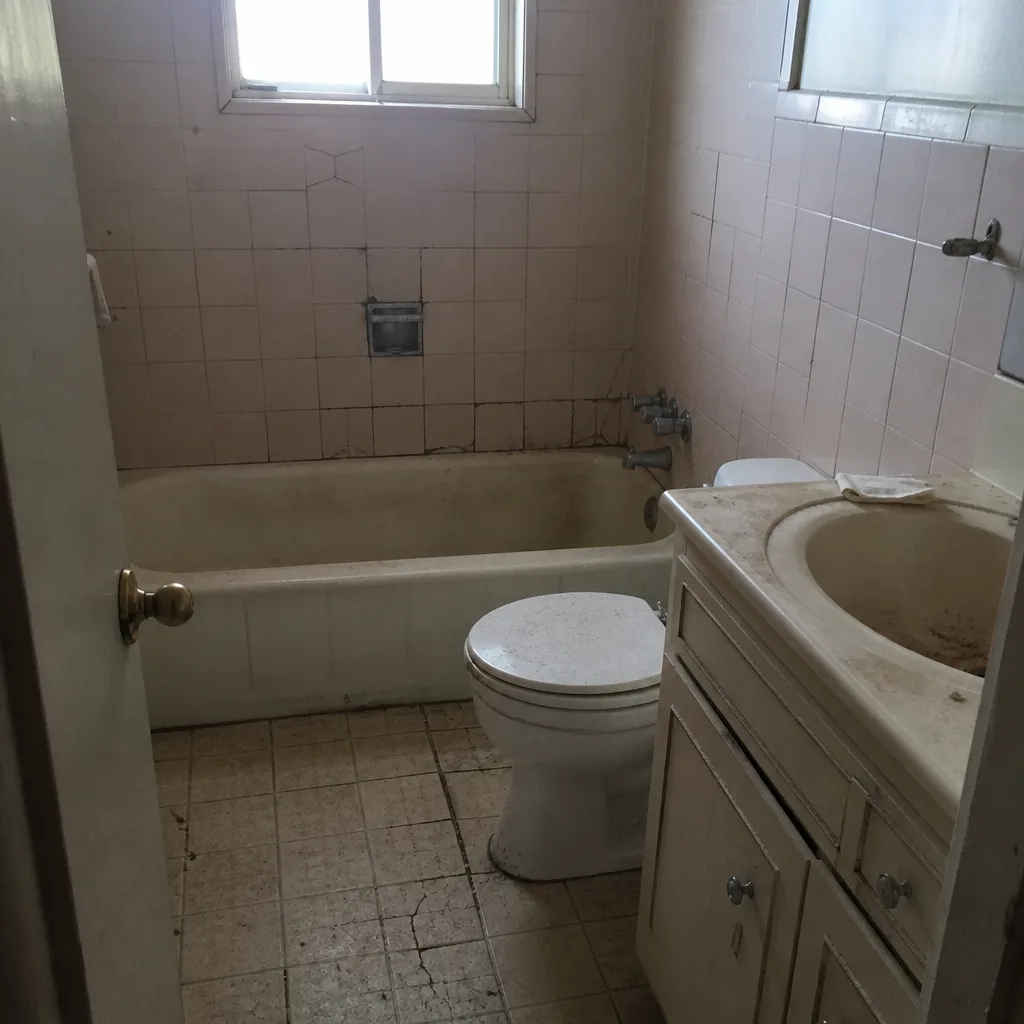 Before
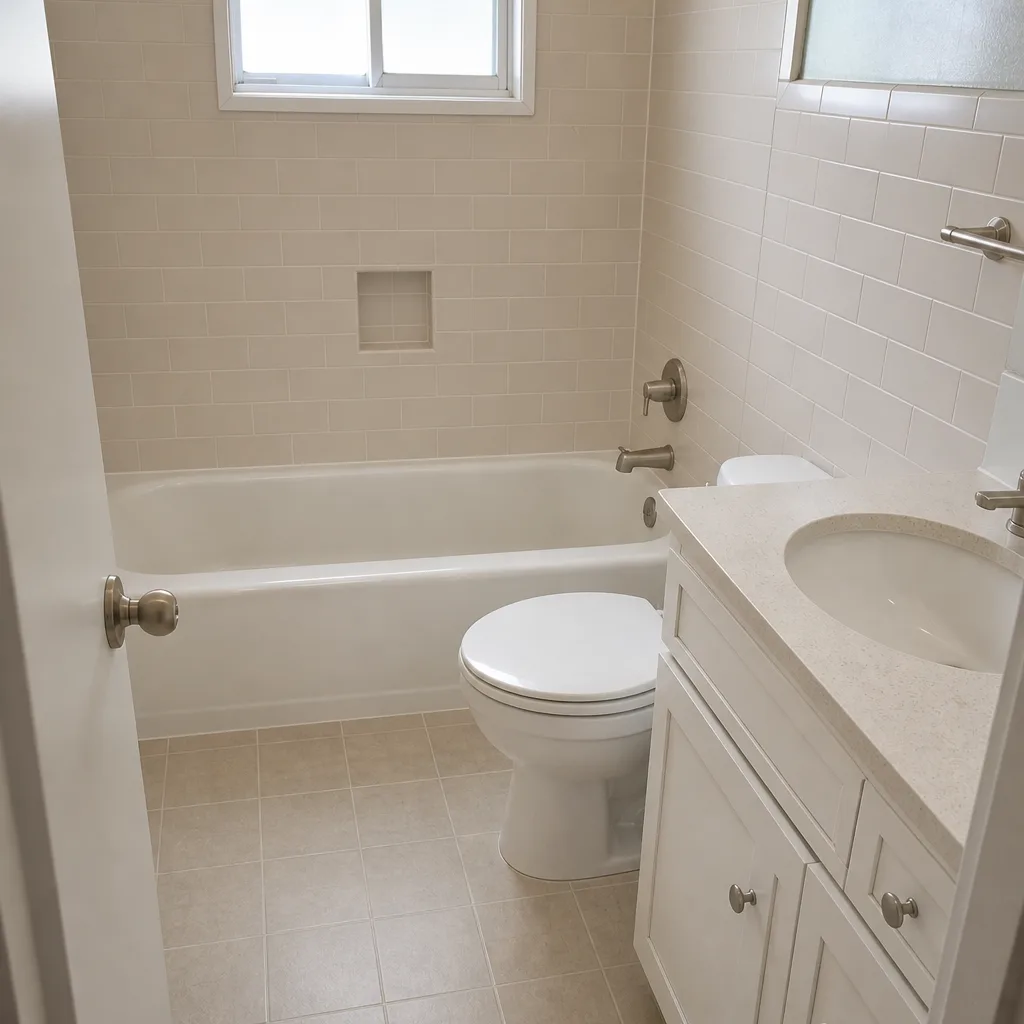 After
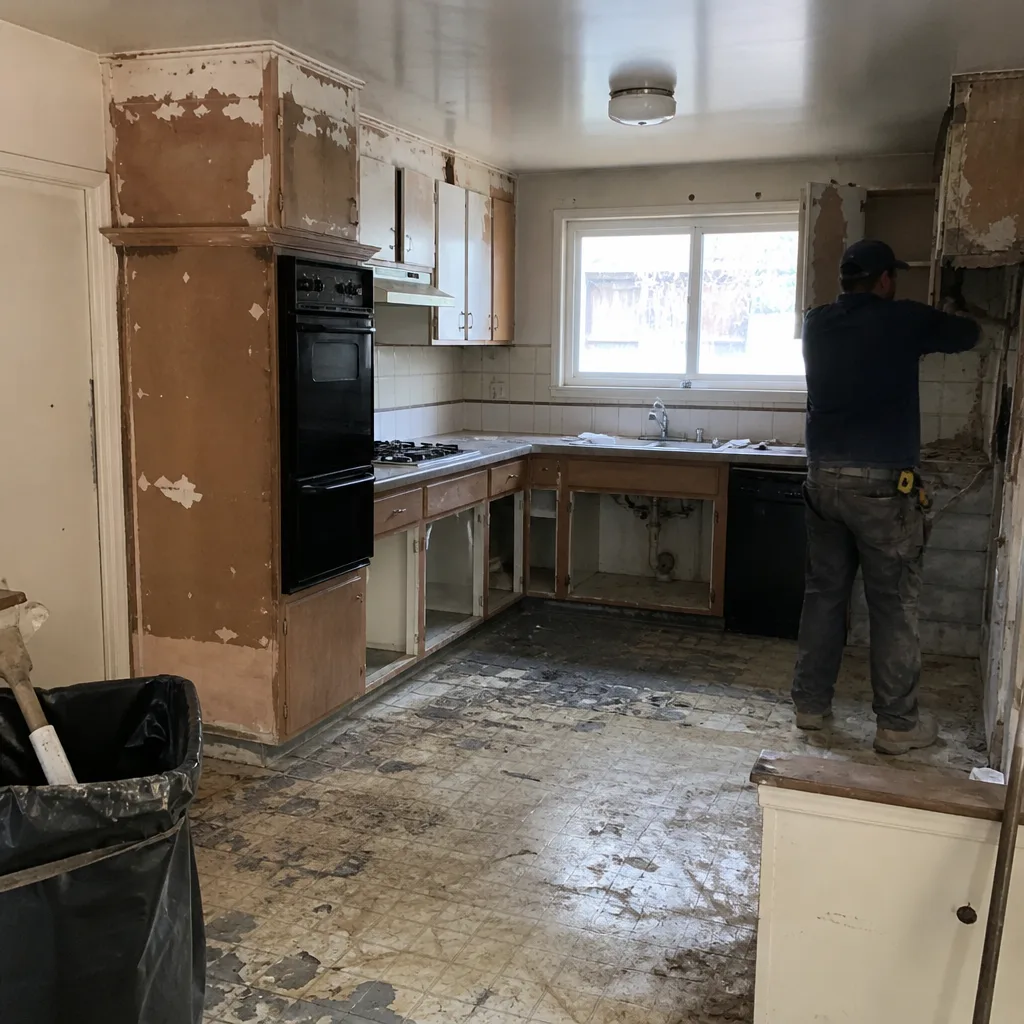 Before
 After
When to Call a Professional
Call a licensed professional – not a handyman – if any of the following applies: electrical panel work in a home built before 1970, gas line work, structural repairs, plumbing rough-in that will be behind walls, or anything that requires a permit in Vallejo. For emergency situations like an active leak, a failed inspection that’s stopped work, or a contractor who has abandoned the job, call immediately; those don’t improve with time. If you’re weighing a repair against a replacement, or you’re mid-dispute with a contractor and want an expert’s read on the work, an experienced contractor can tell you in 20 minutes what a written inspector’s report would cost you $500 to confirm. Bradford Remodeling Co Vallejo offers free estimates in Vallejo – call (844) 560-4789 to schedule yours and get a written price range in hand.
Frequently Asked Questions

Send a dated written notice by email and certified mail requesting a revised schedule and a specific completion date within 10 business days. Keep the receipt. If there’s no reply by the deadline, file a CSLB complaint. The written notice is what makes the complaint and any bond claim work later, so it’s the move to make first. Call (844) 560-4789 if you want a second opinion on the job before you escalate.
A legitimate change order has line-item pricing, a stated reason for the change, a schedule impact in days, and signature blocks for both parties. A repricing change order arrives after demolition, cites “unforeseen conditions,” prices the work as a round number, and has no signature block. If the third change order in as many weeks arrives, that’s not a change – that’s the original bid being corrected.
In California, substantial completion means the project is usable for its intended purpose, even if punch-list items remain. It’s not “done,” and it’s not “perfect.” It triggers warranty clocks and affects final payment, which is why the punch list is what matters. Sign a written punch list at the walk, hold final payment against it, and don’t accept a verbal “we’re basically done.”
Yes. The Contractors State License Board accepts complaints from homeowners statewide, including in Vallejo, and the filing is free online at cslb.ca.gov. The CSLB can investigate, mediate, and refer to arbitration where applicable. Your written documentation from the earlier steps is the evidence they’ll use, so keep dated photos and email records from day one.
Vallejo’s older housing stock surfaces knob-and-tube wiring, end-of-life cast-iron drains, and unpermitted additions from previous decades – all of which change a bid once demolition opens the walls. Clay soil in parts of the city moves seasonally and cracks improperly prep’d hardscape. And the building department is careful on older homes, so inspections often surface corrections that add time. Knowing these in advance is the difference between a change order and a surprise.
Correction costs depend on what failed and how visible it is. A failed tile job on a bathroom floor typically runs $1,800 to $4,500 to demo and replace with proper waterproofing. A leak behind new drywall can run $2,000 to $8,000 once you factor in drywall, paint, and cabinet repair. If the work is within the contractor’s guarantee window, those costs are the contractor’s, not yours – which is why the written guarantee matters. Call (844) 560-4789 for an exact quote on correction work; estimates are free.
The Bottom Line
Most contractor disasters were visible weeks before they became disasters. A two-day slip in week one that never gets made up. A change order that reads more like a repricing. A subcontractor who stops showing up. If you read those early signals and respond with a written notice – not a phone complaint – you’re already ahead of where most homeowners land. The four-step escalation (written notice, CSLB complaint, bond claim, small claims) works because each rung builds on the last, and the documentation carries all of them. If you’re starting a job in Vallejo and want it done the way this guide describes, that’s how we run every project.
Contact Us

If you’re weighing a contractor problem in Vallejo, or you’re ready to start a kitchen, bathroom, or whole-home project with a crew that puts every price and every guarantee in writing before a single tool comes out, call us. Bradford Remodeling Co Vallejo offers free estimates, live-person phone coverage 24/7, and the 365-Day Done Right Promise on every completed project. Call (844) 560-4789 to schedule your free estimate today. You’ll get a written price range, a clear scope, and a crew that shows up when we say we will.
Written by the team at Bradford Remodeling Co Vallejo.