Last updated November 17, 2026








Free written scope consultation - allowances, timeline, and change-order rules on paper before a single trade is scheduled
Home Remodeling Maintenance Schedule: What to Do and When
Most Vallejo homeowners don’t call us because of one big failure. They call because three small ones finally met. A bead of caulk let go behind a kitchen sink, water crept into the cabinet base, the subfloor swelled, and now a $40 tube of sealant has become a $2,400 repair folded into a larger remodel bid. In our experience, the homeowner who calls Bradford after a failed DIY attempt or a no-show contractor almost always has two or three compounding issues that trace back to a single neglected joint, fastener, or supply line. This guide is the inspection sequence that breaks that chain. It’s organized by trade line instead of by season, because that’s how repair costs actually stack up when a contractor opens a wall and finds what was missed.
Quick Answer
A home remodeling maintenance schedule should be organized by trade line – tile and grout, framing and moisture, electrical load, plumbing supply – because that’s how a contractor prices repairs once a problem surfaces. In Vallejo, three local triggers accelerate wear faster than the national average: marine air corrosion on exterior fasteners, clay soil movement under slabs, and older knob-and-tube wiring that has to be reconciled with modern GFCI code requirements. Staying current costs most homeowners a few hundred dollars a year; deferring the same items can inflate a remodel scope by thousands once they’re discovered mid-project.
Styles & brands we work with
- Kitchen remodeling
- Bathroom remodeling
- Home additions & ADU
- Roofing
- Windows & doors
- Driveway & pavers
- Fence
Table of Contents
- Why This Schedule Is Organized by Trade, Not by Season
- Tile and Grout: The First Line of Defense
- Framing and Moisture: Catching Water Before It Costs You a Wall
- Electrical Load: When Old Wiring Meets Modern Code
- Plumbing Supply Lines: The Cheapest Fix You’ll Ever Make
- The Three Vallejo-Specific Maintenance Triggers
- Which Maintenance Items Void a Workmanship Guarantee
- Cost Per Year: Staying Current vs. Scope Creep
- The Pre-Project Condition Checklist to Hand Any Contractor
Why This Schedule Is Organized by Trade, Not by Season
Seasonal checklists are easy to write and hard to use. “Inspect the roof in fall” tells you nothing about what a roofer will actually charge when the inspection turns up a soft deck board. Trade-based schedules work differently. Each line item maps to a specific trade, a specific failure mode, and a specific price band once that failure reaches a contractor’s scope sheet.
When a homeowner hands a trade-organized list to a General Contractor in Vallejo, the conversation changes. Instead of a vague “we’ll see what we find,” the contractor can quote against real conditions. That’s the difference between a written price and a guess that moves at the door.
Here’s how the trades stack up in cost when maintenance is deferred:
- Tile and grout: $150 to $400 to re-grout and seal a shower; $2,000 to $6,000 to rebuild a failed shower pan once water has reached the framing.
- Framing and moisture: $300 to $800 for a moisture inspection and targeted repair; $4,000 to $15,000 for structural repairs once rot spreads.
- Electrical: $200 to $500 for a load assessment; $3,000 to $12,000 to rewire a circuit run that fails inspection during a remodel.
- Plumbing supply: $150 to $350 to replace a failing shutoff valve; $1,500 to $8,000 in water damage repair once a supply line lets go behind a wall.
The gap between those two columns is the entire argument for a maintenance schedule. A few hundred dollars a year keeps you on the left side of the table. Skip it and you land on the right side eventually. The odds just get worse with every year.
Tile and Grout: The First Line of Defense
Grout is not waterproof. It’s a spacer that holds tile in place and lets water move. The waterproofing lives in the membrane behind the tile, and the membrane is only as good as the joints above it. In Vallejo homes, we routinely find shower pans that failed not because the membrane was installed wrong, but because a hairline grout crack went unsealed for two or three wet seasons.
Here’s the annual sequence we recommend for any tiled surface:
- Inspect grout lines in the shower and tub surround every six months. Run a fingernail along the joints. Any line that catches a nail needs attention.
- Check caulk joints at the corners and floor transitions. These are the flexible seams, and they fail faster than grout. A dark spot behind the caulk is a moisture signal.
- Re-seal grout annually in wet areas. A penetrating sealer runs $30 to $60 in materials for a standard shower, and it buys you another year of protection.
- Watch for tile “tenting” or hollow spots. Tap the tile with a screwdriver handle. A hollow sound means the thinset has released, and that’s a rebuild, not a patch.
Grout and tile maintenance is also the single biggest factor in whether a contractor will honor a shower rebuild guarantee. When we rebuild a shower, we specify the membrane, the substrate, and the setting materials in writing through our Bathroom Remodeling in Vallejo service. If the homeowner then lets a grout line stay open for two years and water reaches the framing, that’s not a workmanship failure – and no honest contractor will call it one. Maintenance protects your guarantee as much as it protects your house.
Framing and Moisture: Catching Water Before It Costs You a Wall
Framing doesn’t fail from age. It fails from sustained moisture. The trick is that Vallejo’s marine climate delivers moisture in ways that don’t always show as a leak: fog driven against the north wall of a house, condensation on cool interior surfaces during winter, and slow wicking at the sill plate where wood meets concrete.
These are the checkpoints we recommend every homeowner cover on a yearly walk-through:
- Sill plate and rim joist: Look for white bloom, dark staining, or soft wood where the frame meets foundation. That’s the wicking zone.
- Wall base and ceiling corners: Brown rings, bubbling paint, or a persistent musty smell are moisture signals, not cosmetic issues.
- Attic sheathing: A flashlight sweep of the roof deck in the attic catches fog-driven moisture and leaks before the ceiling in the room below shows anything.
- Bathroom and laundry exhaust: Every exhaust fan should vent outside, not into the attic. A fan running into attic space is a moisture pump.
If you’re mid-remodel and a contractor opens a wall to find rot, that’s when the schedule you didn’t keep becomes an invoice. We’ve seen kitchens where a $900 repair bill became a $9,000 framing line item after a slow window leak had years to work on the stud pack.
Open framing is also the best opportunity to correct conditions you can’t see once the drywall goes back up. When our technicians walk a rough-in, they’re checking the same moisture signals you should be cataloging. Our technicians have up to 22 years of experience reading those signs, and it helps to bring the same discipline to your own annual inspection.
Electrical Load: When Old Wiring Meets Modern Code
Vallejo has a lot of older housing stock, and a fair amount of it still carries original wiring. The moment a remodel touches a kitchen or bathroom, that wiring stops being “old but working” and becomes a code item. The plan review doesn’t care that it worked for sixty years. It cares whether the circuit meets current requirements for GFCI protection, grounding, and dedicated loads.
Electrical is the trade where a maintenance walk-through saves the most money, because it lets you plan. Here’s what we recommend checking every two years, or anytime you’re about to plan a kitchen or bath project:
- Open the panel door and look for brand, age, and burned conductors. Flickering lights, warm cover plates, or a faint scorch smell at the panel are reasons to call an electrician now, not later.
- Test every GFCI outlet in the house. Press the test button. If it doesn’t trip, the protection is gone.
- Map the load on kitchen and bathroom circuits. Modern appliances – a 1,500-watt microwave, a tankless water heater, a double oven – may have outgrown the wiring behind them.
- Note any knob-and-tube runs before a remodel begins. Knob-and-tube interacts poorly with modern GFCI requirements, and the fix has to be scoped before the price is written, not after.
When you plan a Kitchen Remodeling in Vallejo project, we pull a written scope for the electrical portion before a single tool comes out. If your panel and circuits are already documented in a maintenance log, that scope is accurate on day one. If they aren’t, the electrical line item has a way of growing once an electrician opens the wall. This is the single most common source of the mid-project price changes homeowners complain about. Getting the price in writing first is the whole point of how we operate.
Plumbing Supply Lines: The Cheapest Fix You’ll Ever Make
Every flexible supply line in a house – under sinks, behind toilets, behind the washer – has a lifespan. The braided stainless hoses that most homes have now are a big improvement over the old rubber ones, but they still fail. The failure isn’t gradual. It comes as a burst that sends water into the cabinet base, the subfloor, and the wall cavity behind the fixture.
A supply line costs $10 to $25. A burst supply line behind a wall can cost $1,500 to $8,000 in water damage and repair work, plus the disruption of a small remodel you didn’t plan. The maintenance sequence is straightforward:
- Replace every flexible supply line every 5 to 7 years, or whenever you see stiffening, bulging, or rust at the crimp. Write the month and year on the new line with a marker so the next homeowner isn’t guessing.
- Exercise the shutoff valves annually. Open and close them every year so they don’t seize. A shutoff that won’t turn when you need it is the same as no shutoff.
- Check under every sink for slow drips and dark cabinet bottoms. The first sign of a failing valve is often staining, not a puddle.
- Inspect the water heater’s anode rod and pan every two years. A $40 anode rod replacement buys years of tank life. A water heater that fails on an upper floor is a total-loss event on the room below.
Plumbing is the trade with the biggest ratio of maintenance cost to repair cost. Very little else on this schedule pays back as directly.
The Three Vallejo-Specific Maintenance Triggers
Generic schedules miss the local conditions. Three of them do most of the damage in Vallejo homes.
Marine air corrosion on fasteners and flashings
Salt and moisture in the air reach fasteners, door hardware, and window flashings faster here than they do inland. We routinely find galvanized fasteners and mild steel brackets that have lost their coating in Vallejo homes before their tenth year. Every exterior penetration – a new door, a window, a deck ledger – should use stainless or hot-dip galvanized hardware. On the maintenance side, an annual walk of exterior hardware, checking for rust blooms and white oxidation, tells you when it’s time to replace before it lets go. When you install exterior products through brands like Therma-Tru doors or James Hardie siding, that specification is part of the quote, which is why we work from a documented brand roster rather than whatever is on the truck that day.
Clay soil movement under slabs
Vallejo sits on a lot of expansive clay. That clay moves with the wet and dry cycles of the season, and it pushes back against slabs, patios, and driveway aprons. The telltale signs of movement are hairline cracks at exterior slab corners, doors that stick in one season and don’t in another, and gaps opening at the sill plate. Any of those signs warrant a foundation assessment before you commit to a remodel. A kitchen cabinet that was shimmed against an out-of-level floor in 1998 will not sit right on the plan for a new one. Getting a floor survey done early keeps that correction in the initial scope instead of on the change-order sheet.
Knob-and-tube wiring and modern GFCI
Older Craftsman-era homes around the Maiden Lane and far-South Vallejo neighborhoods often still carry some knob-and-tube. The wiring itself may be doing its job. The problem is when a remodel touches a circuit that has to meet current code. Modern GFCI requirements are not forgiving of wiring that isn’t grounded and doesn’t have an equipment ground path. A maintenance electrical walk-through that maps how much knob-and-tube remains is your fastest path to a realistic remodel number. Our Bradford Remodeling Co Vallejo home page lays out how we scope electrical work for older homes, and it’s worth a read before your next walk-through.
Which Maintenance Items Void a Workmanship Guarantee
Nobody talks about this, and they should. A workmanship guarantee covers the work. It does not cover conditions that a homeowner’s actions or inactions allowed to develop. That distinction matters for every homeowner who has a guarantee in hand.
The 365-Day Done Right Promise at Bradford is straightforward: every completed project carries a full-year written guarantee. If the work fails inside that window, we come back and correct it at no charge. What it does not cover is damage caused by deferred maintenance – a shower that wasn’t sealed, a supply line that wasn’t replaced when it started to bulge, a roof penetration that wasn’t flashed after an unrelated repair.
These are the maintenance items that put a guarantee at risk:
- Failed grout or caulk joints in wet areas. If water gets past failed joints, the failure is on the maintenance side, not the install side.
- Unreplaced supply lines past their service life. A burst line is a water damage event, not a workmanship failure.
- Overloaded electrical circuits added after completion. If a homeowner adds a load the circuit wasn’t designed for, that’s an after-the-fact change.
- Altered or removed flashing at exterior penetrations. Window and door flashings must stay intact to protect the work behind them.
- Unreported active leaks. A leak that a homeowner notices and doesn’t report for months becomes a repair cost, not a guarantee issue.
The 365-Day Done Right Promise covers the labor and materials on the scope of work we wrote. That’s a real, written guarantee drawn from The Garrison Standard, and it works best when the maintenance schedule above is also in place.
Cost Per Year: Staying Current vs. Scope Creep
Here’s the comparison every homeowner should run before deciding whether to skip a year. The numbers below reflect typical maintenance costs and typical mid-remodel discoveries.
- Annual maintenance budget: $350 to $700 per year covers re-sealing wet-area tile, checking electrical and plumbing, and a basic moisture walk-through.
- Deferred maintenance discovery – typical: $1,800 to $4,500 in extra scope when two or three items have compounded into a framing or membrane repair.
- Deferred maintenance discovery – serious: $6,000 to $15,000 when knob-and-tube wiring has to be re-run or a shower pan has failed into the framing.
- Mold remediation add-on: $1,500 to $8,000 in the worst cases where moisture has been sitting behind cabinets or in wall cavities.
Over a 5-year window, staying current costs most homeowners $2,000 to $3,500 total. The most common deferred-discipline scenario we see adds $3,000 to $6,000 to a remodel bid – and that’s the scope creep line item. The math is not close. This is also why we write a full scope up front: if the condition survey happens early, the discovery doesn’t sneak in mid-project. It’s a line item you can see and plan around. Our company’s whole operating discipline, The Garrison Standard, exists to put those numbers in writing before any work begins. The maintenance schedule is the homeowner’s half of that same discipline.
The Pre-Project Condition Checklist to Hand Any Contractor
Here is the one-page checklist. Print it, walk your house with it, and hand a copy to any contractor you bring in for an estimate. It serves two purposes: it documents what your house looks like today, and it forces the contractor to quote against real conditions instead of assumptions. If you’re anywhere in Vallejo and want a second opinion on any line item, we’re happy to walk it with you at no charge.
- Wet areas: Grout and caulk condition in every shower, tub, and sink surround. Notes on any hollow tile sound or dark caulk lines.
- Water points: Every supply line labeled with install date. Shutoff valves exercised. Water heater age and pan condition noted.
- Moisture: Sill plates, wall bases, attic sheathing. Exhaust fan terminations confirmed to vent outside.
- Electrical: Panel brand and age. GFCI test results at every device. Any knob-and-tube presence noted with circuit locations.
- Foundation and slab: Visible cracks, door alignment issues, sill plate gaps.
- Exterior: Hardware and flashing condition, rust or white oxidation noted on fasteners.
- Attic and roof deck: Staining, soft wood, previous repair marks.
Common Mistakes to Avoid
- Treating a maintenance schedule as a “spring cleaning” list. The tasks that matter most – electrical load, plumbing supply, moisture – have nothing to do with the season. They matter because of how expensive they get when missed.
- Re-caulking without checking what’s behind the old caulk. Dark spots behind the caulk line are a moisture signal. Covering them with new caulk traps the water and makes the eventual repair worse.
- Trusting a flexible supply line past its service life. A $15 line that’s 8 years old is not a maintenance item. It’s a liability. Replace it on schedule.
- Assuming “no leaks” means the plumbing is fine. Most failures show up as staining and slow seeping long before they show as a puddle.
- Planning a remodel without a foundation survey in Vallejo clay. Out-of-level floors get discovered when cabinets arrive. That discovery is a change order, every time.
- Ignoring exterior hardware corrosion. Marine air attacks fasteners faster here than most schedules assume. A rust bloom on a structural bracket is a real warning.
- Not reading the guarantee terms before you sign. A full-year workmanship guarantee – like the 365-Day Done Right Promise – protects you. It doesn’t replace the maintenance schedule. Both belong in your project file.
See the difference
 Before
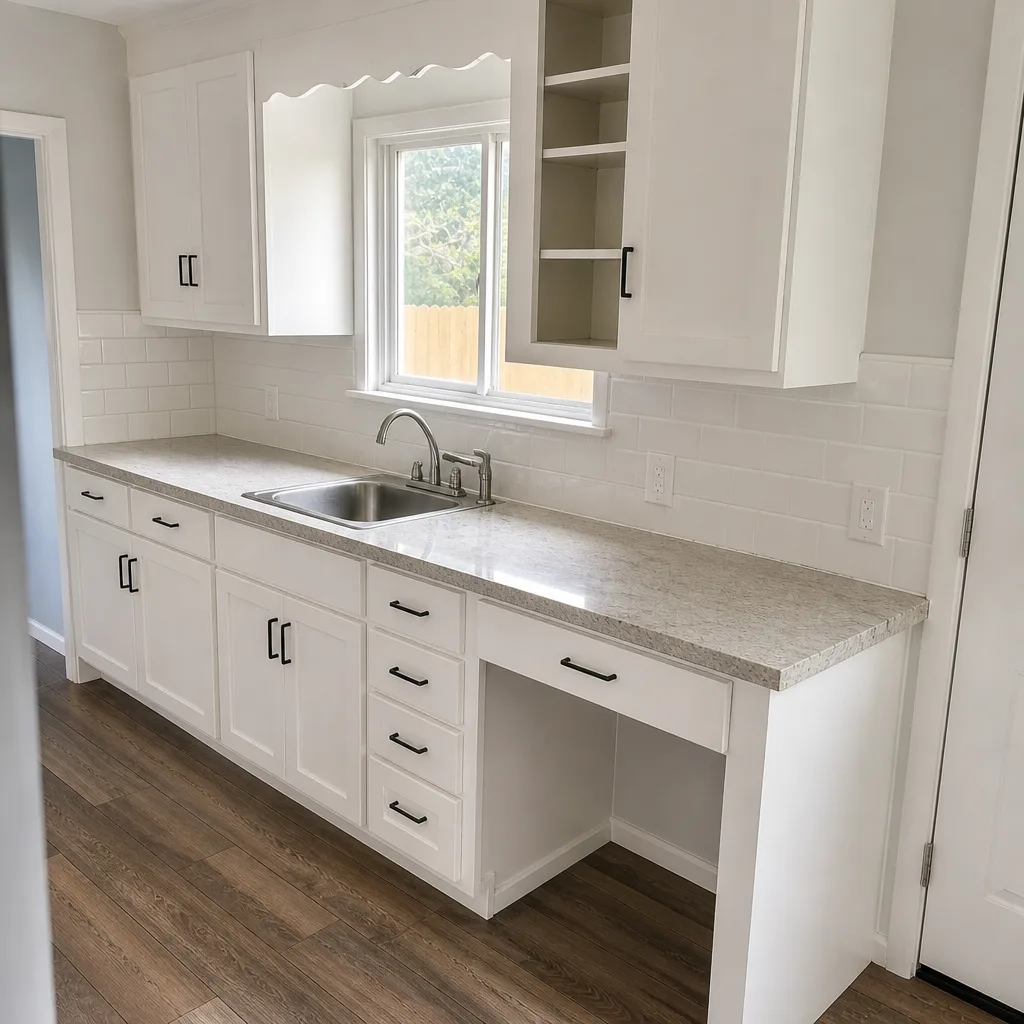 After
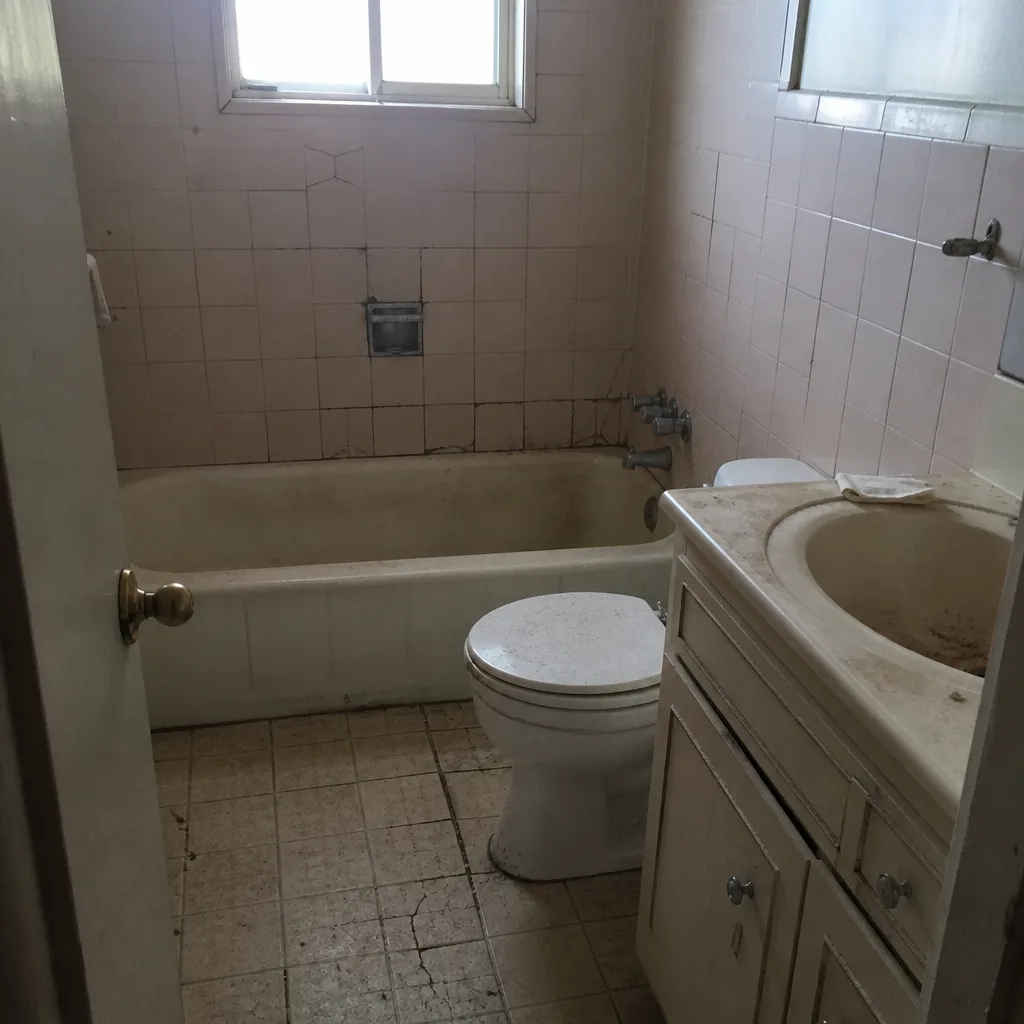 Before
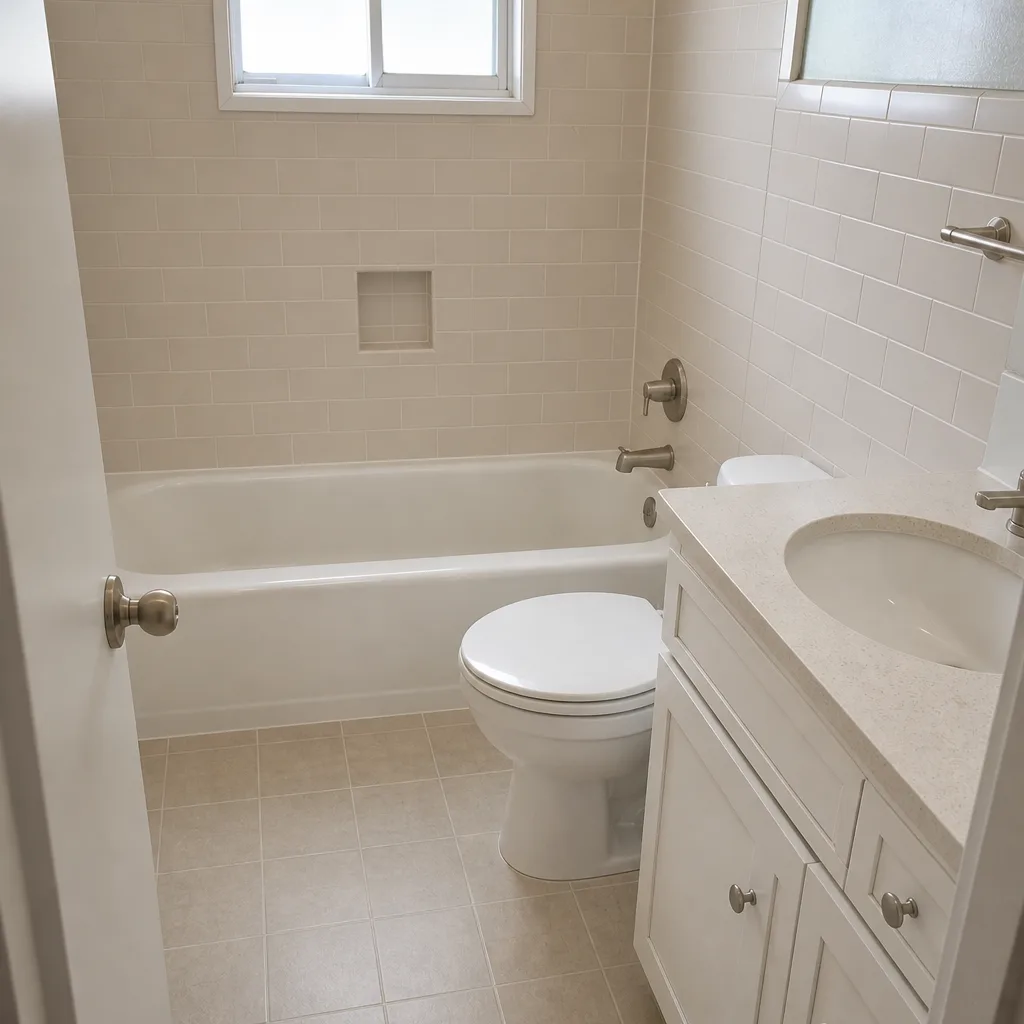 After
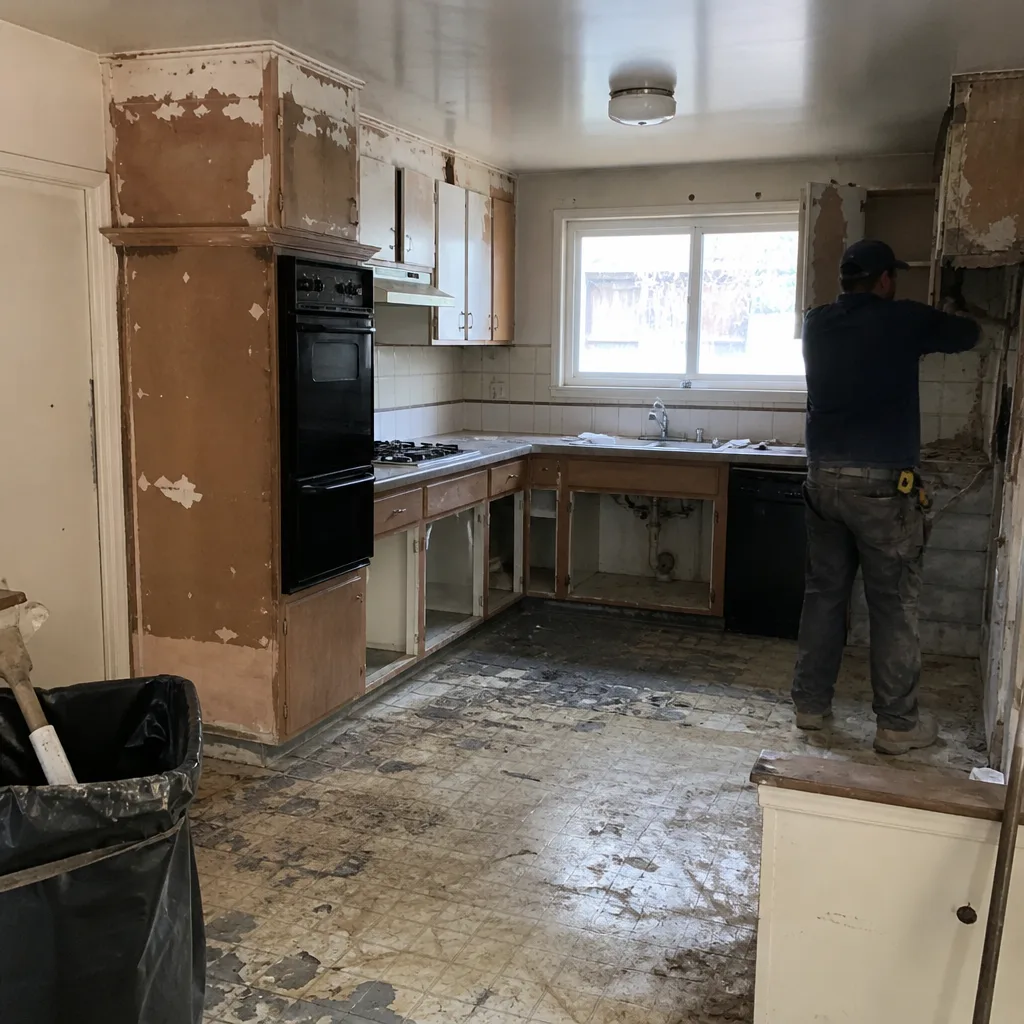 Before
 After
When to Call a Professional
Several conditions need a trained eye, not a homeowner’s checklist. Call a professional if you have tested GFCIs that won’t trip, an electrical panel with warm cover plates or burnt conductors, active water staining on any ceiling or wall base, a shower with hollow tile sounds, or more than one door that has gone out of alignment in a single season. Those are the patterns that point to a structural, electrical, or moisture problem a walk-through alone can’t scope. Garage doors, gas lines, and roof penetrations belong on the same list: dangerous, or easy to make worse with a DIY fix.
Bradford Remodeling Co Vallejo offers free estimates in Vallejo – call (844) 560-4789. We’ll walk the checklist with you, put a written price on what we find, and cover the completed work under the 365-Day Done Right Promise.
Frequently Asked Questions
Most Vallejo homeowners spend $350 to $700 a year staying current on the trade-line schedule in this guide, and the return is measured in avoided repair costs rather than in visible upgrades. That budget covers wet-area re-sealing, yearly supply line checks, a moisture walk-through, and periodic electrical testing. Staying current for five years runs $2,000 to $3,500 total. The deferred-repair alternatives typically run five to ten times higher. Call (844) 560-4789 for an exact scope estimate if you want the numbers written down for your house.
Maintenance items that a contractor’s guarantee will not cover are the ones caused by deferred upkeep rather than by the work itself: failed grout or caulk joints in wet areas, unreplaced supply lines past their service life, overloaded circuits added after completion, altered exterior flashing, and unreported active leaks. The 365-Day Done Right Promise covers labor and materials on the scope we wrote for a full year. Failed maintenance is not a workmanship failure and no honest contractor will call it one. Call (844) 560-4789 to review your guarantee terms or to scope work you’re planning.
A trade-based schedule maps every maintenance item to the specific cost a contractor will charge once that failure reaches the scope sheet – and that’s the number that matters, not a seasonal reminder to “check the roof.” Organizing by tile, framing moisture, electrical, and plumbing lets a homeowner see which repairs compound, and it lets them quote against real conditions when a remodel begins. Call (844) 560-4789 to have our technicians walk your trade-line checklist with you.
Yes – expansive clay under slabs in Vallejo pushes against foundations and slabs as it cycles wet and dry, and it will move kitchen and bath floors out of level before new cabinets arrive if the correction isn’t scoped early. The signs are cracks at slab corners, doors that stick in one season, and gaps at the sill plate. A foundation survey before a remodel is the discipline that turns a hidden change order into a known line item. Call (844) 560-4789 for a free estimate that includes a foundation condition review.
Re-sealing grout, testing GFCIs, and exercising shutoff valves are reasonable homeowner tasks – but electrical panel work, gas line work, and anything involving a shower pan rebuild should go to a trained professional. Supply line replacement is doable but easy to get wrong at the crimp; a single mis-seated line behind a cabinet becomes $1,500 to $8,000 in water damage. If anything in the walk-through looks suspicious, call a professional. Call (844) 560-4789 for a free estimate on the repairs you shouldn’t attempt.
Yes. We scope and price the repairs the checklist turns up, as long as they fall within our services – general contracting, kitchen remodeling, and whole-home remodeling – and we put the price in writing before any work begins. Our technicians are background-checked and uniformed, whether you’re in Vallejo or planning around our general contracting service for a larger project. Installs run on documented brands like CWS and ES Windows on the window side and Therma-Tru on the door side, so specifications are always traceable. Call (844) 560-4789 to schedule your free estimate.
The Bottom Line
A remodeling maintenance schedule isn’t a task list – it’s a way to keep your home off the scope-creep ledger. Organize by trade, not by season. Watch the three Vallejo-specific triggers: marine air corrosion on fasteners, clay soil movement under slabs, and older knob-and-tube wiring interacting with current GFCI requirements. Track every supply line, test every GFCI, and re-seal wet-area joints. Know which maintenance items affect your written workmanship guarantee, and hand the one-page checklist to any contractor you bring in for an estimate. Staying current costs a few hundred dollars a year. Deferring the schedule adds thousands to the next remodel bid – and that’s the difference between a plan and a surprise.
Bradford Remodeling Co Vallejo operates within The Garrison Standard as an independently owned and operated member of the Garrison Partners family. Every completed project carries the 365-Day Done Right Promise, capped by a full-year written guarantee. Every price is in writing before work begins. A live person answers the phone 24 hours a day, 7 days a week. Call (844) 560-4789 to schedule your free estimate.
Written by the team at Bradford Remodeling Co Vallejo.