Last updated November 17, 2026








Free written scope consultation - allowances, timeline, and change-order rules on paper before a single trade is scheduled
Bathroom Remodeling Maintenance Schedule: What to Do and When
Here’s a number that surprises most homeowners: the silicone caulk at your tub and shower transitions has a functional life of three to five years under normal use. Past that window, it doesn’t just look tired. It’s the single most common path to water getting behind a tile wall, where rot and mold start quietly and stay hidden until the damage is expensive. Most contractors hand over a finished bathroom at project close with a smile and a handshake. What they don’t hand over is a calendar. This guide gives you that calendar for a Vallejo home – month by month, year by year.
Quick Answer
A remodeled bathroom needs quarterly exhaust fan cleaning, a caulk inspection every 6 months, grout sealing once a year, and an annual check of shut-off valves and supply lines. Budget $60-$120 a year in supplies and about two hours of your own labor. Done on that schedule, a well-built bathroom in Vallejo should hold its waterproofing and finish for decades instead of failing at year seven.
Styles & brands we work with
- Kitchen remodeling
- Bathroom remodeling
- Home additions & ADU
- Roofing
- Windows & doors
- Driveway & pavers
- Fence
Table of Contents
- The Month-by-Month Maintenance Calendar
- Why Transition Joints Are Silicone, Not Grout
- Exhaust Fan CFM: Testing What You Actually Have
- Grout Sealing at the 12-Month Mark
- Shut-Off Valves and Fixture Checks
- How to Document Maintenance for Warranty Protection
- When a Small Maintenance Item Becomes a Call
The Month-by-Month Maintenance Calendar
A bathroom doesn’t fail all at once. It fails in a sequence, and each item on this list has a time window where the cost of addressing it is small. Miss the window and the same item turns into a repair. Here’s the schedule we walk homeowners through at project close, adapted for the wet winters and dry summers Vallejo gets in the North Bay.
- Month 3 after remodel: Check the caulk line at the shower floor and tub deck. New silicone settles and can pull slightly as the substrate moves through its first seasonal swing. A five-minute look now catches it early.
- Month 6: Full caulk inspection. Run a dry finger along every silicone joint. Any gap, curl at the edge, or dark shadow means the bead is starting to let go.
- Quarterly (every 3 months): Clean the exhaust fan grille and vacuum the blade area. This one gets skipped more than any other item on the list, and it’s the cheapest.
- Month 12: Seal the grout, inspect all shut-off valves, and check supply line connections under the sink and behind the toilet.
- Annually after that: Repeat the grout sealing, valve check, and full caulk audit in the same visit. It’s easier to do them together than to remember each one separately.
- Every 3 years: Re-caulk the tub and shower transitions, even if the old bead still looks acceptable. This is the preventive move that keeps water outside the wall.
The monthly habit is simple: a two-minute walkthrough where you look at the caulk line, glance at the grout, and confirm nothing is damp. Everything else runs on the calendar above. A Vallejo bathroom tending to run humid because the house sits close to the bay is exactly the kind of room that rewards this kind of attention.
Why Transition Joints Are Silicone, Not Grout
Walk into any failed bathroom and look at where the tile meets the tub, or where the wall tile meets the shower pan. If someone filled that joint with grout, it has cracked, and water has been finding its way behind the tile ever since. Grout is rigid. The joints between two different materials – a fiberglass pan and a tile wall, a tile field and a cast-iron tub – move at different rates as the room expands and contracts with heat and humidity. That movement defeats grout within a year or two.
Silicone sealant is flexible. It absorbs that movement and stays bonded. That’s why any bathroom we hand over has silicone at every transition joint, and grout only across the tile field itself. It’s a small decision at installation time that decides whether the shower is still watertight ten years later.
What early silicone failure looks like
The failure doesn’t announce itself. It starts as a hairline shadow at the edge of the bead, or a slight curl where the silicone has pulled away from the tile. Under normal use, that’s a tiny gap. But a shower pushes water against it several times a day. In a bathroom in Vallejo, where the marine air keeps interior humidity higher than inland, that gap stays damp longer and mold has an easier foothold.
If you catch it at the shadow stage, the fix is a $9 tube of silicone and a couple hours of surface prep. If you catch it after the substrate behind the tile has swelled, the fix involves opening the wall. We’ve seen both, and the difference in cost is not subtle. If you’re at the point of a remodel rather than a repair, our Bathroom Remodeling in Vallejo service walks through how waterproofing is built correctly the first time.
Exhaust Fan CFM: Testing What You Actually Have
An exhaust fan is the only active system emptying moisture out of the bathroom, and most homeowners have no idea whether theirs is moving enough air. The building code standard is 50 cubic feet per minute (CFM) for intermittent bathroom ventilation, or 20 CFM if the fan runs continuously. Below that, moisture lingers on the walls, grout, and window glass long enough to feed mold. In Vallejo, where coastal humidity keeps interior air heavier than inland, a borderline fan is more of a problem than the same fan would be 30 miles east.
How to check your fan without instrumentation
You don’t need a meter for a rough read. The tissue test works well enough for a season-by-season check:
- Hold a single square of toilet paper against the fan grille while the fan is running.
- If the tissue sticks and stays, the fan is pulling air – the flow is at least decent.
- If it falls, the fan is weak, blocked, or dying.
- Run the fan for 20 minutes after a shower. If mirrors stay fogged past 10, flow is insufficient regardless of what the box says.
Clean the grille quarterly with a vacuum brush attachment. Dust on the blades and grille is the number-one cause of reduced airflow in a fan that’s otherwise in good shape. If the fan is more than a decade old, replacing it with a modern 80-110 CFM unit is inexpensive and one of the highest-return maintenance moves in the room. When we spec replacements in a Vallejo remodel, we match CFM to the bathroom’s cubic volume rather than defaulting to whatever the old fan was.
Grout Sealing at the 12-Month Mark
Cementitious grout is porous. It looks solid but it absorbs water, which is why it gets sealed in the first place. Most sealers have a 12- to 18-month lifespan under normal bathroom traffic, and once the seal is gone, grout wicks moisture into the thinset layer behind it. That’s the layer between the tile and the wall or floor substrate, and it’s the layer you never want wet.
Testing whether the seal is still doing its job
Before you buy sealer, do a two-minute test. Drip a few drops of water onto the grout line and watch. If the water beads up and sits there, the seal is alive. If it darkens the grout and soaks in, you’re due. Sealing is a homeowner-level task: clean the grout with a pH-neutral cleaner, let it dry 24 hours, apply penetrating sealer with a sponge-tip applicator, wipe the tile, and let it cure 24 hours. A 200-square-foot bathroom takes about an hour plus drying time.
Epoxy grout is the exception. It doesn’t need annual sealing and resists staining far better than cementitious grout. If your remodel used epoxy, this item on the calendar drops to a quick visual inspection. When we quote a bathroom remodel in Vallejo, we tell homeowners which grout type they’re getting so they know exactly what the maintenance looks like before they sign. The General Contractor in Vallejo page covers how we scope a project so the finishing specs are documented and traceable.
Shut-Off Valves and Fixture Checks
A shut-off valve that hasn’t been turned in five years can be frozen solid – and that becomes a problem the moment you need it. Picture the supply line under the sink failing on a Saturday evening and the angle stop won’t budge. Instead of a two-minute fix, you’re shutting off water to the whole house while water pools on the floor. This is one of the most avoidable emergencies in a home.
The annual fixture check
- Locate the shut-off valves under the sink(s) and behind the toilet(s).
- Turn each one off and back on once a year. It should move smoothly. If it doesn’t, replace it or call for a plumber before it seizes fully.
- Check the supply line connections by running a dry finger along every fitting under pressure. Any moisture or mineral crust means a slow leak.
- Inspect the toilet tank, fill valve, and flapper. A running toilet wastes water and eventually strains the fill valve.
- Look at the caulk around the tub and shower drain flange. A failing seal there lets water under the floor covering.
Replace braided stainless supply lines every five to seven years as a matter of course. They’re inexpensive, and they’re the part most likely to fail catastrophically. We use name-brand fixtures like Kohler and Moen in our projects specifically because replacement parts are available years later – which matters for a maintenance checklist you plan to keep.
How to Document Maintenance for Warranty Protection
Here’s the part almost no contractor talks about: a written workmanship guarantee can have maintenance requirements written into it. Read the fine print of most “lifetime” bathroom warranties and you’ll find language saying the guarantee is void if the homeowner didn’t maintain the caulk or seal the grout. That’s not a trick. It’s the contractor stating the obvious – a bathroom that hasn’t been maintained will fail for reasons the builder isn’t responsible for.
Documentation is what protects you. Keep a simple maintenance log:
- Date of each caulk inspection and any re-caulking.
- Date of each grout seal and which product you used.
- Quarterly fan cleaning dates.
- Any valve or supply line replacement, with the date.
- Photos taken after each maintenance session. Phone snaps are fine.
If you have a warranty claim, you have a record showing the maintenance was done. It also helps you spot patterns – if the same joint keeps failing, that’s worth a professional look. When we hand over a finished bathroom in Vallejo, the written price, the scope, and the signed guarantee all go home with the homeowner in one packet. The 365-Day Done Right Promise is a written, full-year guarantee on every completed project: if the work fails within that window, we come back and correct it at no charge. Documenting your own maintenance is the homeowner’s half of the same discipline. Everything about how we operate sits under Bradford Remodeling Co Vallejo and The Garrison Standard – a written price before work begins, every time.
Common Mistakes to Avoid
- Grouting a transition joint. Grout at the tub or shower-to-wall joint will crack within a year. If a previous contractor did this, plan to remove the grout and replace it with silicone – water is likely already working its way in.
- Skipping the exhaust fan. A dusty fan loses airflow silently. In Vallejo’s coastal humidity, less airflow means mold gets a head start in the grout lines and on the ceiling above the shower.
- Treating caulk as a cosmetic issue. It looks like a line of white goo. It’s the waterproofing layer at the most vulnerable point in the room. If it’s failing, so is the wall behind it.
- Using the wrong caulk. Kitchen and bath silicone plus mildewcide is what holds up. Painter’s caulk and general-purpose sealant let go in a wet environment within months.
- Never turning a shut-off valve. A valve that sits untouched for five years can seize shut. Test it annually before you need it.
- Grout sealing without cleaning first. Sealing over soap scum or mineral film traps the dirt. Clean with a neutral pH cleaner, let it dry, then seal.
- Ignoring the warranty’s maintenance language. A written guarantee can be conditional on maintenance. Read it before you sign, and keep a log while you live in the room.
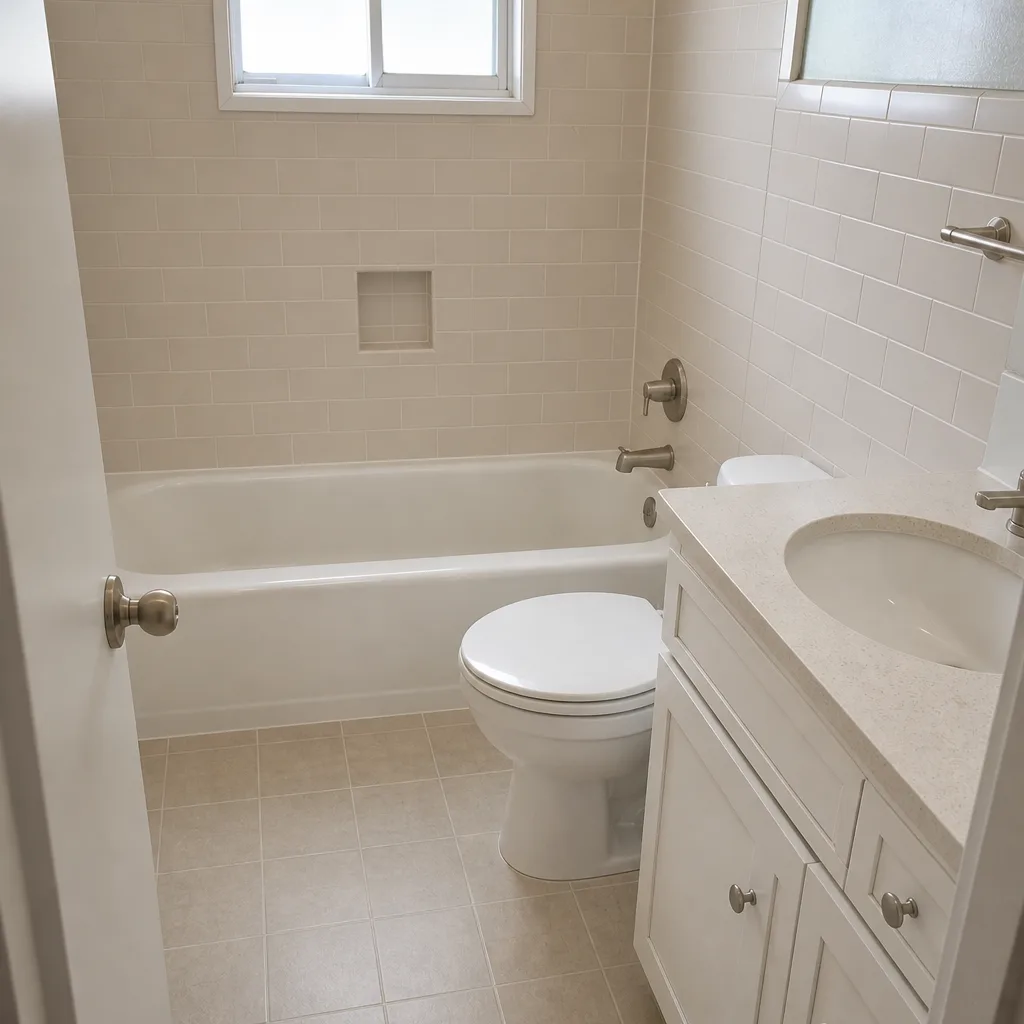
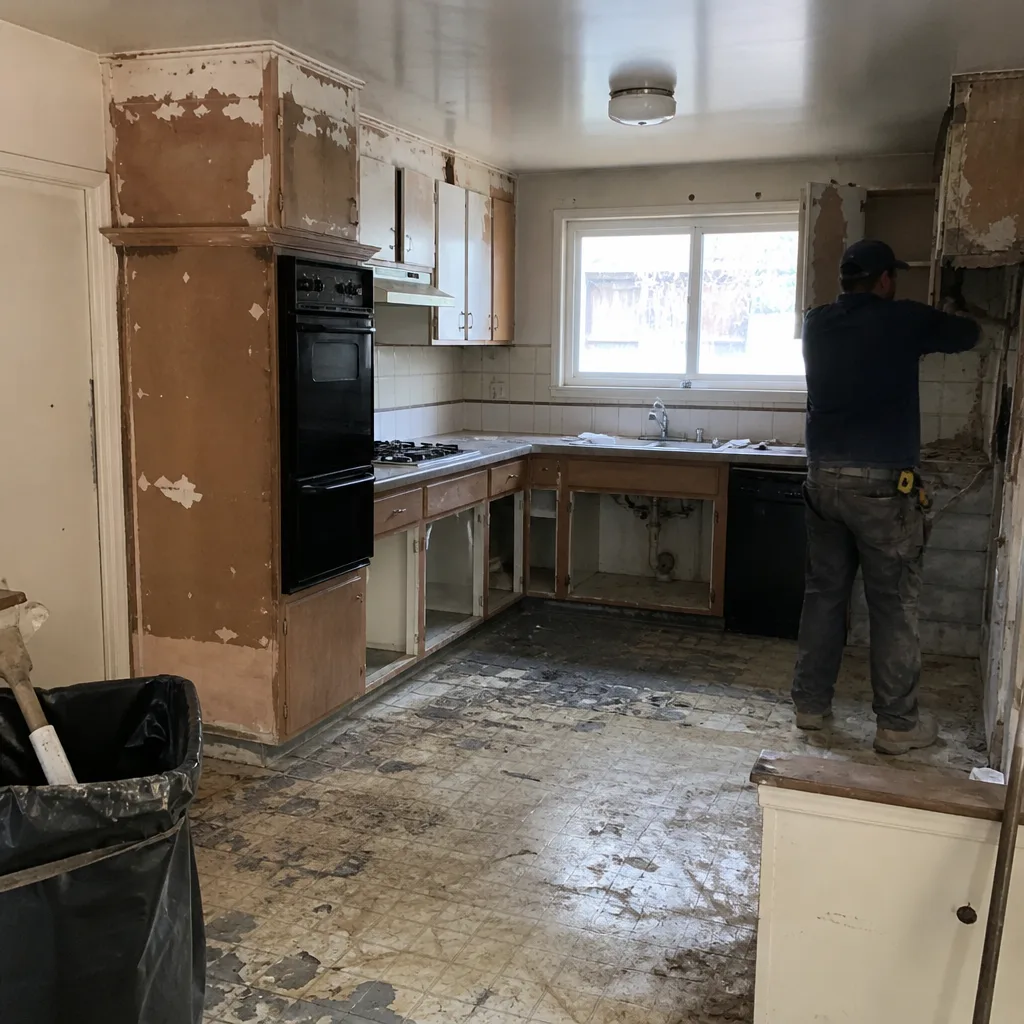
See the difference
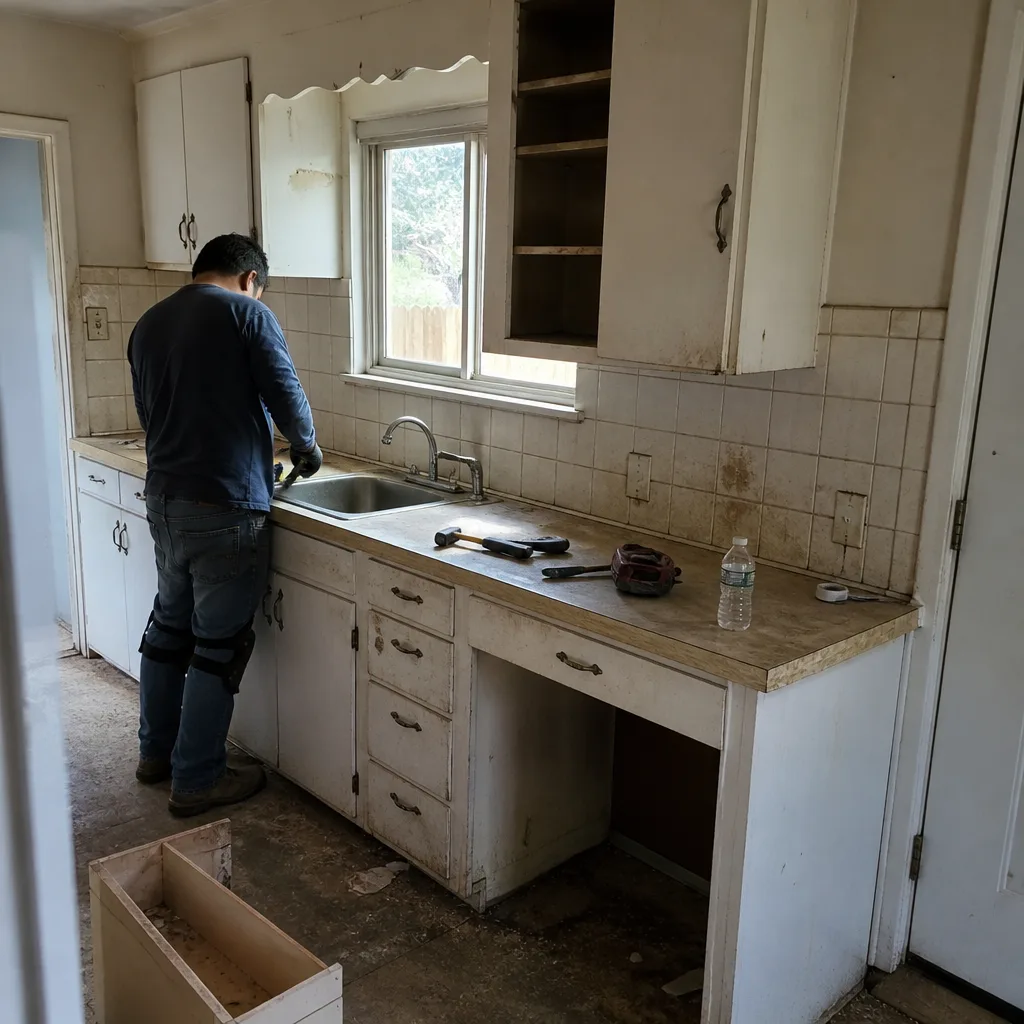 Before
 After
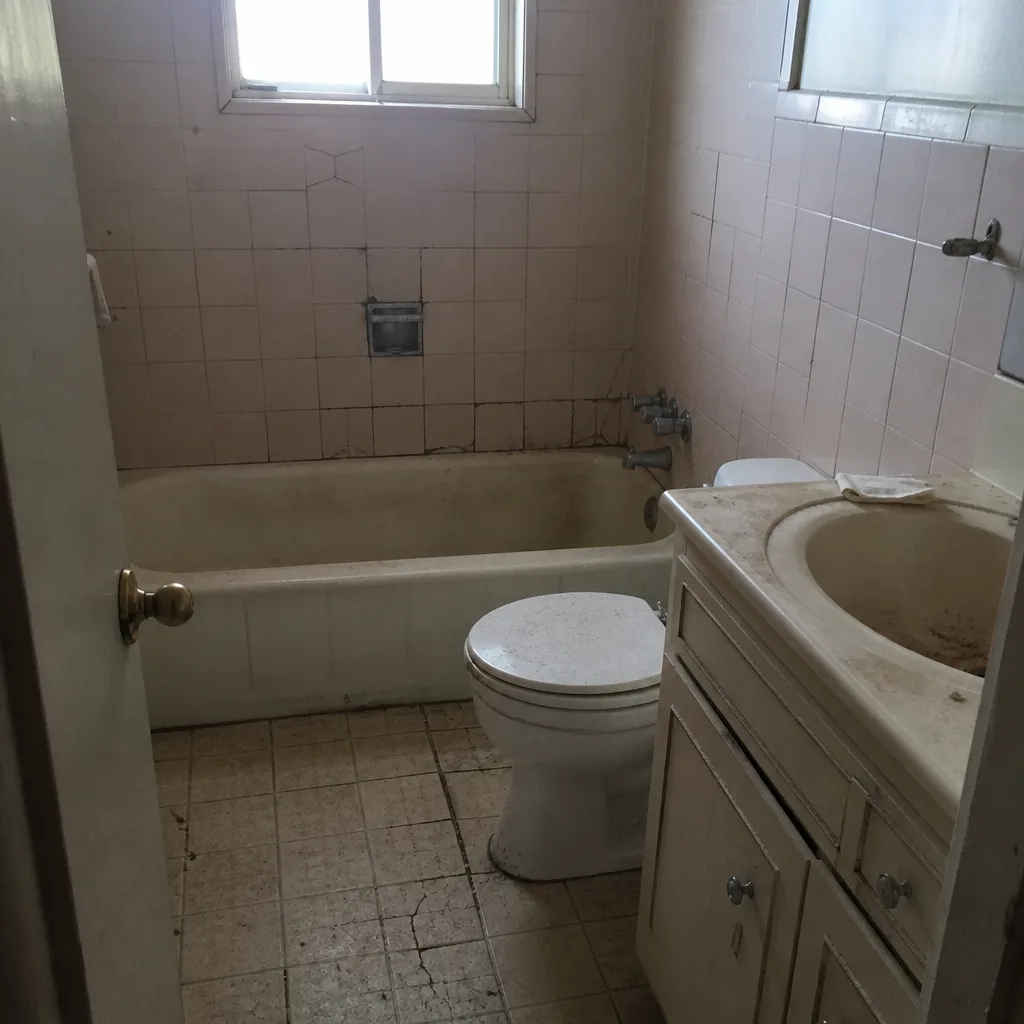 Before
 After
 Before
 After
When to Call a Professional
Most items on this calendar are homeowner-level. A few are not. Call a professional if you see any of the following. First, a soft spot in the floor around the toilet or shower base – that’s typically a sign the substrate under the tile is wet, and it needs to be opened up to find the source. Second, mold that keeps returning to the same grout lines after cleaning and sealing. Third, a caulk joint that fails repeatedly within a season; that’s usually a sign of moisture behind the tile or movement in the substrate that surface work won’t fix. Fourth, any fixture or valve you can’t turn or that shows corrosion at a connection.
Bradford Remodeling Co Vallejo offers free estimates in Vallejo for repair and remodel work – call (844) 560-4789. Our technicians have up to 22 years of experience and every project comes with a written price before work starts. Background-checked, uniformed technicians arrive on every job, and a live person answers the phone any hour – no voicemail, no callback queue.
Frequently Asked Questions
Re-caulk the tub and shower transitions every three years as a preventive schedule, and inspect the joints every six months. Silicone has a functional life of three to five years under normal use, so a three-year cycle catches failure before water reaches the substrate. If you see a shadow at the bead edge or a curl against the tile, re-caulk early. Call (844) 560-4789 if the joint keeps failing – that usually points to moisture behind the tile.
The code standard is 50 CFM for an intermittent fan. To test roughly, hold a square of toilet paper against the grille while the fan runs – if it sticks, flow is decent; if it falls, the fan is weak, blocked, or dying. Dust on the grille and blades is the most common cause of reduced airflow. Clean it quarterly with a vacuum brush attachment. If your fan is more than ten years old, replacing it with a modern 80-110 CFM unit is a cheap improvement, especially in Vallejo’s coastal humidity.
Once a year for cementitious grout – most sealers last 12 to 18 months. Test the seal with a few drops of water: if it beads up, the seal is alive; if it soaks in, it’s due. Epoxy grout is the exception and doesn’t need annual sealing. A 200-square-foot bathroom takes about an hour to seal, plus 24 hours of drying on each side. Call (844) 560-4789 for an exact quote on resealing done professionally.
Read the terms. Many written workmanship guarantees require homeowners to maintain caulk and grout as a condition of coverage. A maintained joint that fails within a stated guarantee period is typically covered; an unmaintained one often isn’t. Keep a maintenance log with dates and photos. At Bradford Remodeling Co Vallejo, the 365-Day Done Right Promise is a written, full-year guarantee on completed projects – if the work fails inside that window, we come back at no charge.
Turn each valve off and back on at least once a year so it doesn’t seize. Feel the supply line connections for moisture or mineral crust, which signal a slow leak. Braided stainless supply lines should be replaced every five to seven years regardless of appearance. A seized valve when a line fails turns a two-minute fix into a whole-house water shutoff. Call (844) 560-4789 if any valve won’t turn smoothly.
Mold that appears because of a defect in the work – a bad waterproofing layer, an improperly sealed shower pan – is the kind of failure a written workmanship guarantee should cover. Mold that returns after a year of no maintenance on caulk and grout usually isn’t. Document your maintenance first, then call. In Vallejo, coastal humidity makes the maintenance schedule matter more than it does in dry inland areas; keeping the calendar is what keeps the room dry.
The Bottom Line
A remodeled bathroom is a system, and like any system it needs a schedule. Caulk inspected every six months and replaced every three years. Grout sealed at the twelve-month mark and annually after. Exhaust fan cleaned quarterly, replaced when CFM drops. Valves turned and supply lines replaced on schedule. And all of it logged so a warranty claim isn’t a fight. None of it is expensive. Skipping it is. If the calendar feels like more than you want to manage alone, or if you’re at the point where maintenance has become repair, our Kitchen Remodeling in Vallejo guide shows how the same discipline applies to every room. Call Bradford Remodeling Co Vallejo at (844) 560-4789 for a free estimate – we’ll give you the price in writing before a single tool comes out.
Written by the team at Bradford Remodeling Co Vallejo.