Last updated November 17, 2026



Free written scope consultation - allowances, timeline, and change-order rules on paper before a single trade is scheduled
Construction Emergency Preparedness Guide for Vallejo Homes
After a seismic event, both FEMA and your insurance company ask for pre-loss documentation of your home’s condition. Almost no homeowner in Vallejo has it. That gap is where claims slow down, payouts shrink, and repairs stall for months while adjusters argue about what was damaged by the earthquake and what was already failing beforehand. This guide walks through what a pre-event structural baseline looks like, how seismic retrofitting on Vallejo’s older housing stock actually works, what to do in the first 48 hours after structural damage, and why the difference between a contractor’s emergency response and a restoration company’s scope matters more than most homeowners realize. You’ll finish with a written checklist you can act on this month.
Quick Answer
Construction emergency preparedness in Vallejo means documenting your home’s existing condition before a seismic, fire, or smoke event, getting known structural weaknesses retrofitted and permitted through the City of Vallejo, and having a licensed contractor relationship already in place so you know exactly who to call in the first 48 hours. Without that baseline, insurance claims get delayed and payouts get reduced because you can’t prove what your home looked like before the damage.
Styles & brands we work with
- Kitchen remodeling
- Bathroom remodeling
- Home additions & ADU
- Roofing
- Windows & doors
- Driveway & pavers
- Fence
Table of Contents
- How to create a pre-event structural baseline for your home
- Seismic retrofitting in Vallejo: what cripple wall braces and foundation anchors actually do
- What to do in the first 48 hours after structural damage
- Emergency tarp and board-up: contractor versus restoration company
- How a written guarantee applies to emergency work
- Wildfire smoke exposure and your home’s exterior envelope
- Common mistakes to avoid
- When to call a professional
How to create a pre-event structural baseline for your home
A pre-event structural baseline is a dated, organized record of your home’s condition before any damage happens. It’s the single document that turns a contested insurance claim into a straightforward one. In our experience, the difference between a claim that clears in weeks and one that drags through the better part of a year usually comes down to whether the homeowner could prove what existed before the event.
Vallejo’s housing stock makes this especially important. The city has a large concentration of pre-1950 homes in neighborhoods like Heritage District and the older blocks off Tennessee Street, many with pier-and-post foundations, original plaster walls, and additions that were never permitted. After a shaker, an adjuster can’t tell which cracks are new and which have been there for decades. You can.
Build your baseline in this order:
- Photograph every room from two corners with a date stamp visible. Include closets, the attic access, and the garage. Store the originals in cloud storage, not just on a phone.
- Photograph the foundation and crawlspace if you have one. Every pier, every post, every visible anchor. Label the photos by location (“north side, pier 4”).
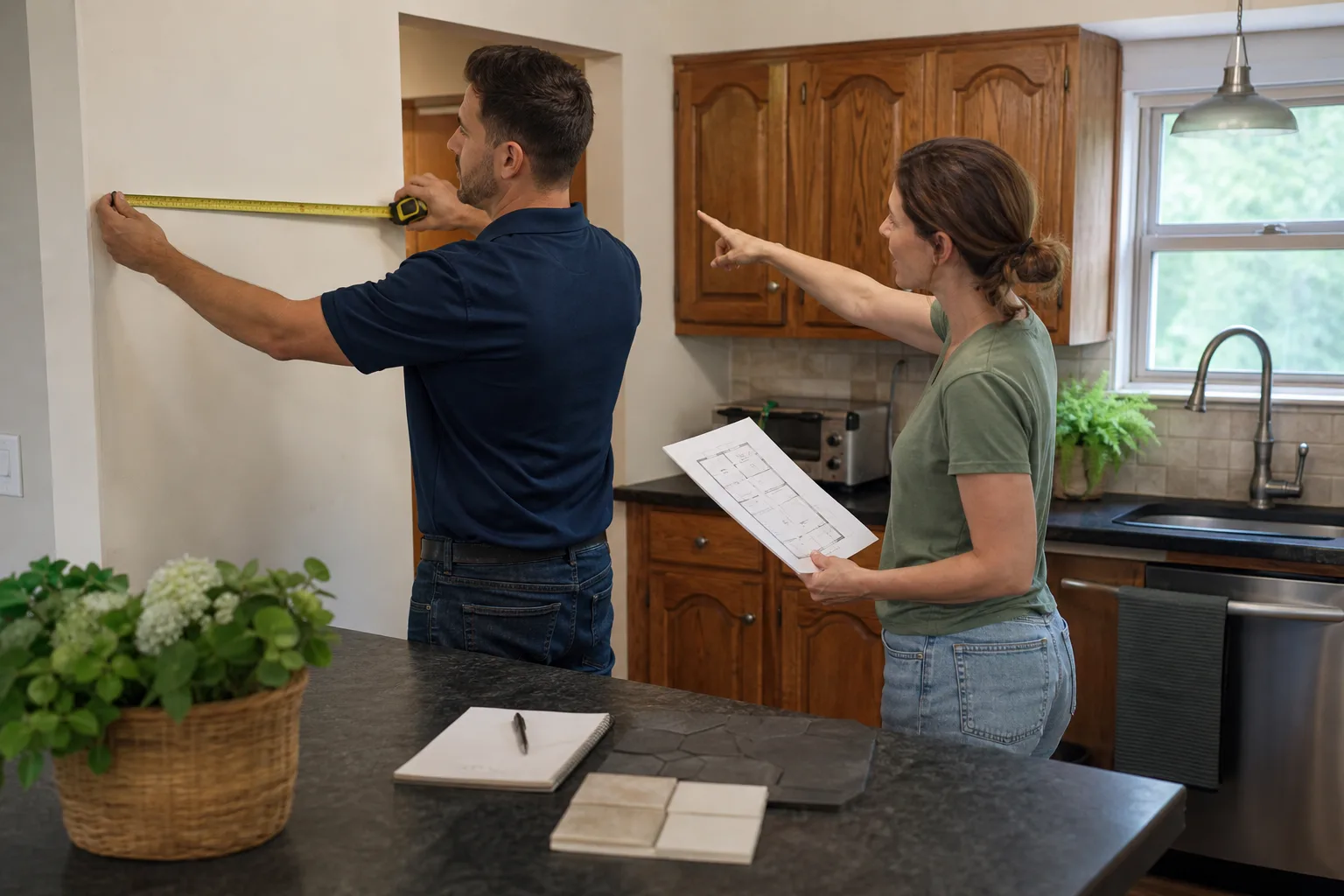
- Measure and record key dimensions: room sizes, ceiling heights, door and window openings. A tape measure and a notebook are enough. These measurements confirm structural movement if walls shift.
- Photograph the electrical panel with the breaker labels visible, plus the water heater, furnace, and any gas appliances.
- Keep material records: receipts for roofing, siding, flooring, and any recent remodel. If your home has James Hardie siding or a Therma-Tru door installed in the last few years, photograph the manufacturer label.
- Store a copy off-site and hand a second copy to a trusted contact outside Vallejo. If the house is inaccessible after an event, your documentation still needs to exist.
A folder of dated photos and measurements costs nothing and takes an afternoon. Skipping it costs you leverage on the largest claim you may ever file.
Seismic retrofitting in Vallejo: what cripple wall braces and foundation anchors actually do
Most of Vallejo’s older single-family homes were built before seismic codes existed, and many sit on a raised foundation with a short stud wall between the foundation and the floor framing. That short wall is called a cripple wall, and it’s the most common failure point in a moderate earthquake. It’s also the reason a house can slide off its foundation while the structure above stays largely intact.
Two upgrades address most of that risk:
- Cripple wall bracing adds plywood sheathing and blocking to that short wall so it can’t rack sideways. It’s a few days of work, mostly from the crawlspace, and it’s the highest-value seismic upgrade for most pre-1960 Vallejo homes.
- Foundation anchoring ties the wood framing to the concrete with anchor bolts and plate washers, so the house doesn’t lift or shift off the foundation.
Vallejo doesn’t mandate retrofitting for owner-occupied single-family homes the way some Bay Area cities do. But if you’re selling, refinancing, or remodeling, lenders and inspectors will flag unbraced cripple walls. More importantly, most homeowners insurance policies exclude earthquake damage unless you carry a separate earthquake endorsement, and some carriers offer a premium credit for documented retrofit work. Check with your carrier before you schedule the work.
Permitting matters. Retrofit work on a raised foundation requires a permit through the City of Vallejo Building Division, and it typically requires a structural plan or a standard plan set. Skipping the permit doesn’t just risk a stop-work order. Unpermitted structural work can void an insurance claim and has to be disclosed when you sell. Get it permitted, get it inspected, keep the final inspection card.
If you’re planning a larger remodel that touches framing or foundation, a licensed General Contractor in Vallejo can fold the retrofit into the same permitted scope so the work is inspected once and documented together.
What to do in the first 48 hours after structural damage
The first 48 hours after structural damage set the ceiling on everything that follows. The mistake we see most often is homeowners cleaning up before documenting, which wipes out the evidence an adjuster needs. Document first, clean second.
- Get everyone out and confirm gas and power status. If you smell gas, leave the house and call the utility from outside. Don’t flip switches. Don’t relight pilot lights.
- Photograph everything before you touch anything. Wide shots of each room, then close-ups of every crack, water stain, sagging ceiling, or displaced door frame. Include a reference object (a shoe, a ruler) for scale.
- Do not enter a home with visible structural movement. Sagging floors, cracked load-bearing walls, or a chimney that’s pulled away from the roofline are stop signs. Call a licensed structural professional before you go back in.
- Call your insurance carrier and open the claim, then document the call date, claim number, and the adjuster’s name.
- Call a licensed contractor for an emergency assessment. Not a restoration company yet. You need to know whether the structure is sound before anything else happens.
- Document before any cleanup, tarping, or board-up begins. Photograph what the contractor does and keep the invoice. Those costs are usually reimbursable under your policy.
- Preserve damaged materials until the adjuster has seen them. Pile them in the garage, don’t haul them to the dump.
Water intrusion after a seismic event is common and often invisible for days. If you see ceiling stains within the first week, that’s storm or plumbing damage layered on top of the earthquake damage, and it needs separate documentation.
Emergency tarp and board-up: contractor versus restoration company
This distinction trips people up when they’re panicking, so it’s worth learning now. A licensed contractor’s emergency response covers the building envelope: tarping a damaged roof, boarding broken windows, shoring a compromised wall, and stopping active water intrusion. That work is tied to your structure and requires a licensed general contractor and, in most cases, a permit or an emergency permit.
A restoration company handles cleanup and contents: water extraction, drying equipment, mold remediation, smoke odor treatment, and cleaning of personal property. Many restoration companies are excellent at their scope. Some also offer board-up as an add-on, but they are not doing structural work.
Why the difference matters before you need it:
- Your contractor can make the structure safe and hold the line so no further damage happens.
- A restoration company won’t tarp a failing roof or shore up a wall; that’s outside their scope.
- Insurance often pays for both, but they’re separate line items and sometimes from different vendors.
- If you call a restoration company first, you’ll usually end up calling a contractor anyway, hours later, while water keeps coming in.
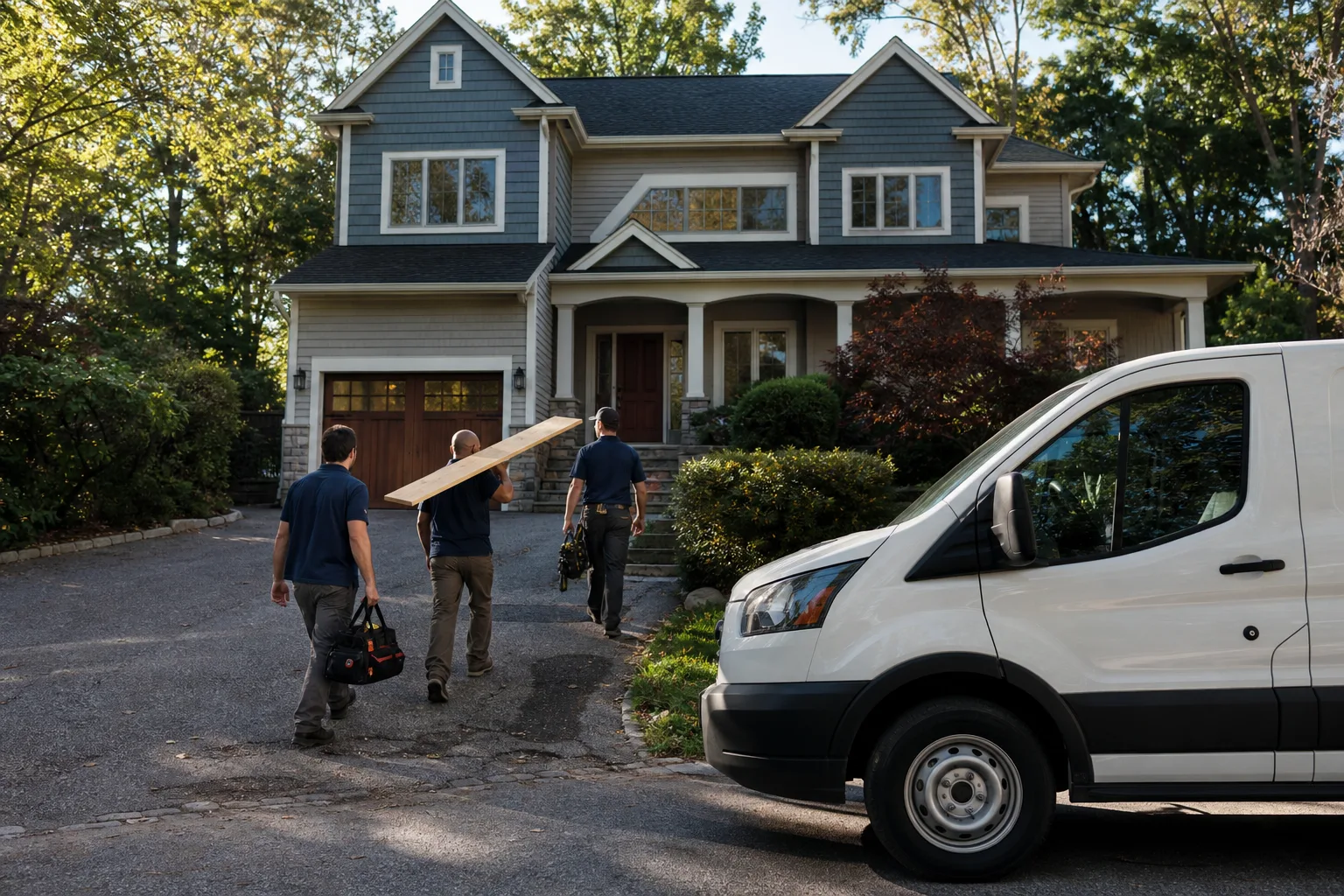
In Vallejo, we recommend identifying a licensed contractor before you need one for exactly this reason. A phone call to a known crew in the first hour is worth more than a list of unknown vendors pulled off a search engine in a panic. If your roof is the failure point, the roof materials matter too. Homes in older Vallejo neighborhoods with original or mid-life asphalt shingles tend to fail faster under wind uplift than newer architectural shingles from brands like Tamko, and knowing what’s on your roof before an event tells you how much risk you carry.
How a written guarantee applies to emergency work
Emergency repairs still carry responsibility. A tarp that blows off in the next storm was a bad tarp job, not bad luck. Any contractor doing emergency work should be willing to put their scope and their guarantee in writing before they start, especially when the work is happening under pressure.
Under The Garrison Standard, every project Bradford Remodeling Co Vallejo completes carries the 365-Day Done Right Promise: if the work fails inside that window, we come back and correct it at no charge. That applies to emergency repairs the same as any other project. It’s not a vague assurance; it’s a written guarantee in your hand at close, and it covers the full year.
What that changes for emergency preparedness:
- You’ll get a written price before any work starts, even in an emergency. No numbers that move at the door.
- You know the crew walking through your door is background-checked and uniformed.
- You know there’s a person answering the phone at any hour, not a voicemail queue.
- If the emergency tarp leaks in three months, there’s a documented path to getting it fixed without a new invoice.
The practical effect is this: the contractor relationship you build before an emergency becomes your fastest response option during one. Valley homeowners who have that relationship don’t spend the first six hours after an event calling unknown numbers and reading reviews. They call and they know what happens next.
Wildfire smoke exposure and your home’s exterior envelope
Vallejo sits in a region that catches smoke from multiple directions, and residents have watched ash settle on their roofs and window sills more than once in the last decade. Smoke doesn’t damage a home the way fire does, but it does cause real problems over time: it deposits acidic residue on roofing, it penetrates older window assemblies, and it gets pulled into HVAC systems through gaps in the envelope.
What to watch for:
- Roof surface pitting on older asphalt shingles after repeated smoke and ash events. If your shingles are past their service life, ash accelerates wear.
- Window and door gasket failure on older assemblies. Newer PGT windows and Therma-Tru door systems seal better against smoke infiltration than the original single-pane units on many Vallejo homes.
- HVAC intake contamination if the filter housing isn’t sealed. Change filters after a heavy smoke event, and don’t skip it.
- Siding discoloration and premature aging. Fiber cement products like James Hardie hold up well against ash residue compared to older wood siding, which can trap it and stain.
If a smoke event has left visible staining on your roof or siding, that’s a sign your envelope is due for inspection. If it’s left a film inside the home or a persistent odor, the source is likely infiltration through gaps that need sealing. Neither is a fire-damage claim, but both benefit from documentation and a licensed evaluation of what’s actually compromised.
For homeowners planning exterior work that touches the envelope, coordinating it with an interior project inside a permitted scope reduces the number of trades and inspections. A Kitchen Remodeling in Vallejo project, for example, often involves wall openings that reveal envelope failures the homeowner didn’t know about. Documenting those in the same permit keeps the record complete.
Common Mistakes to Avoid
- Cleaning up before documenting. Most Vallejo homeowners pull out a broom within hours of a seismic event. That’s exactly the sequence that compresses an insurance payout, because the evidence is gone.
- Skipping the pre-event baseline because you assume you’ll remember. Nobody remembers the exact crack pattern of a wall they looked at two years ago. The dated photo makes the claim defensible or it doesn’t.
- Assuming a restoration company can shore up your structure. Out of scope. They’ll tell you so, usually after they’ve charged for an evaluation. Know who does what before you call.
- Doing unpermitted seismic retrofit work. A cheap crawlspace retrofit done without a permit creates a disclosure problem at sale and can void a claim. City of Vallejo permitting and inspection is part of the value, not a tax on it.
- Waiting until after a fire to test the exterior envelope. Smoke events don’t advertise their damage. Ash residue on aging shingles accelerates wear year over year, and most Vallejo homeowners only notice when the roof fails.
- Calling a contractor for the first time during an emergency. During a regional event, contractors are triaging calls by existing relationship. Homeowners without one wait longest.
- Discarding damaged materials after the adjuster visits. Keep them until the claim closes. Some policies require an adjuster’s sign-off before disposal.
When to Call a Professional
Call a licensed contractor when you see structural movement (sagging floors, cracked load-bearing walls, a chimney pulling away from the roofline), when water is entering through a damaged roof or wall, when a seismic event has displaced framing or foundation components, or when you’re planning any retrofit or repair work that will need a permit from the City of Vallejo. Call a restoration company when the damage is contents and moisture rather than structure, and call both when the scope overlaps. If you’re unsure which you need, call a contractor first and ask.
Bradford Remodeling Co Vallejo offers free estimates in Vallejo and written pricing before any work starts. Call (844) 560-4789 and a live person answers, day or night.
See the difference
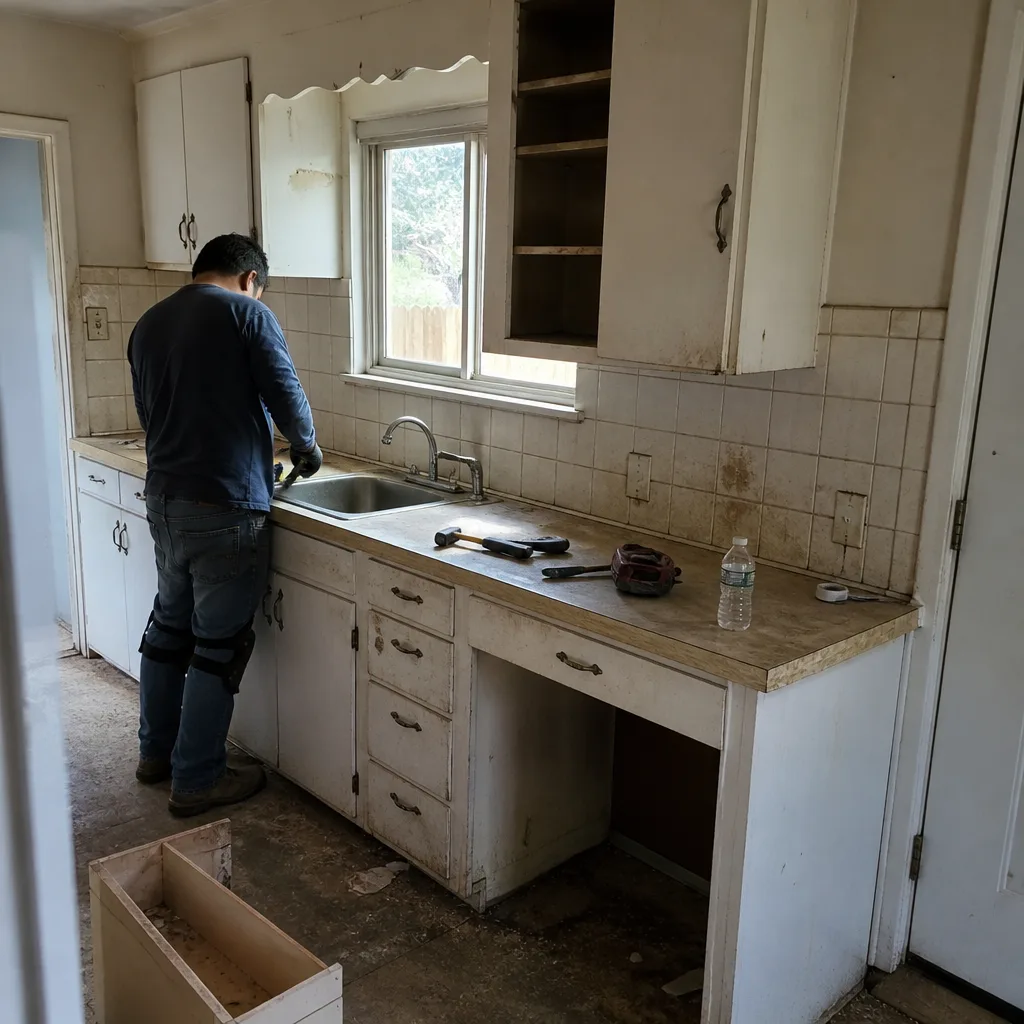 Before
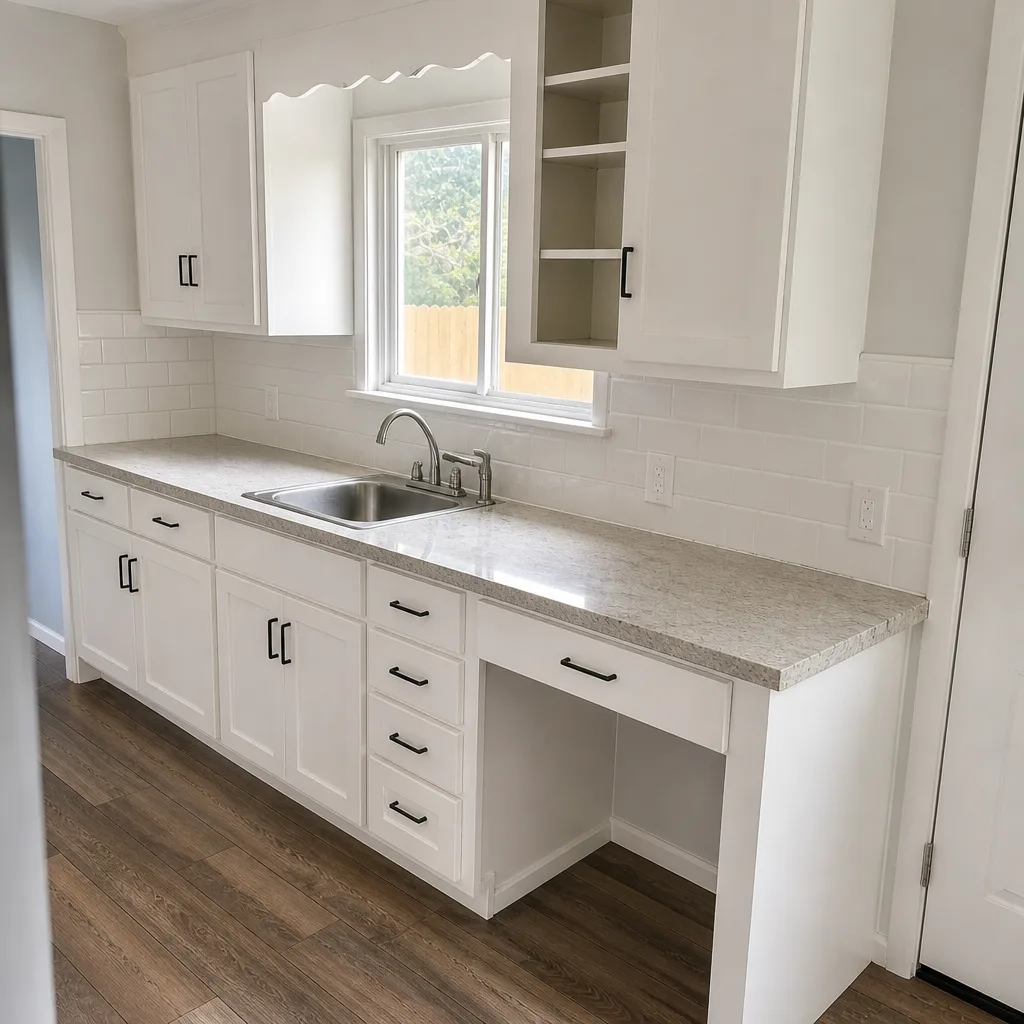 After
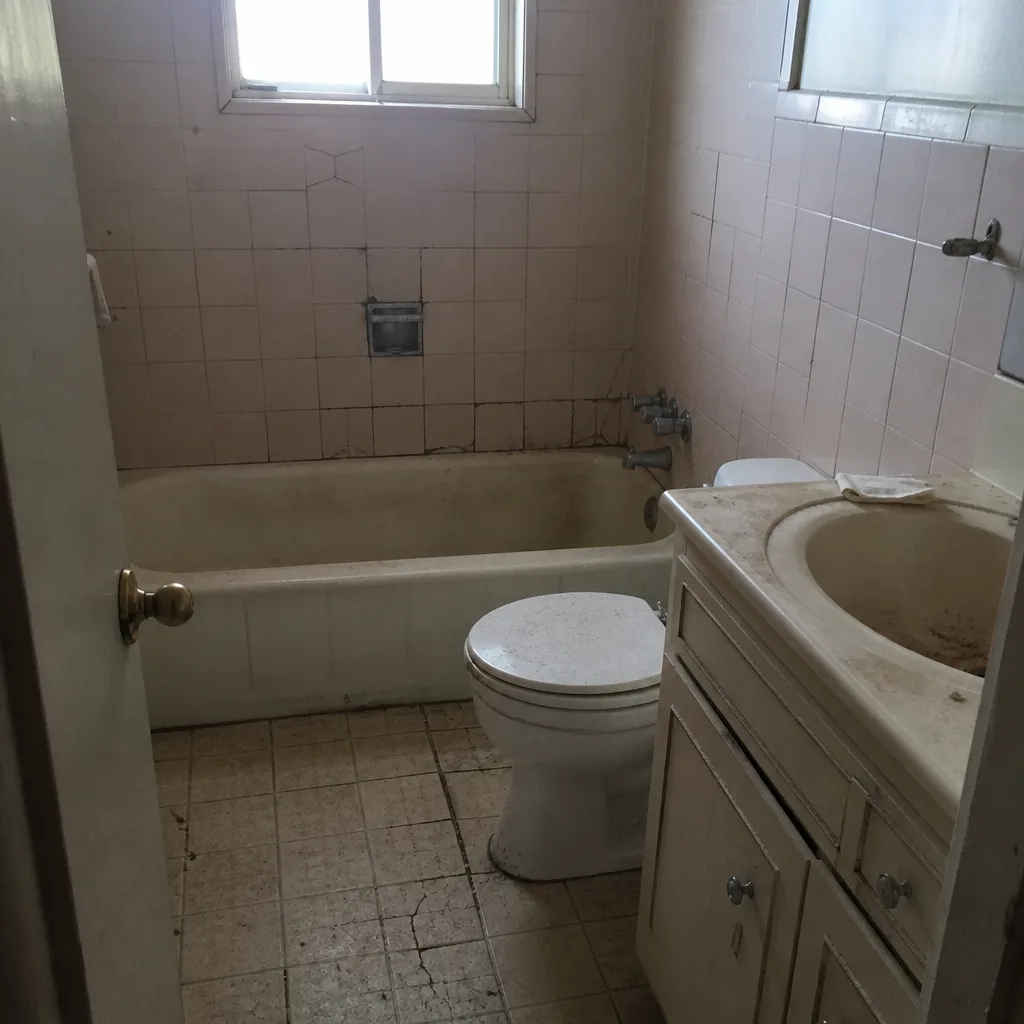 Before
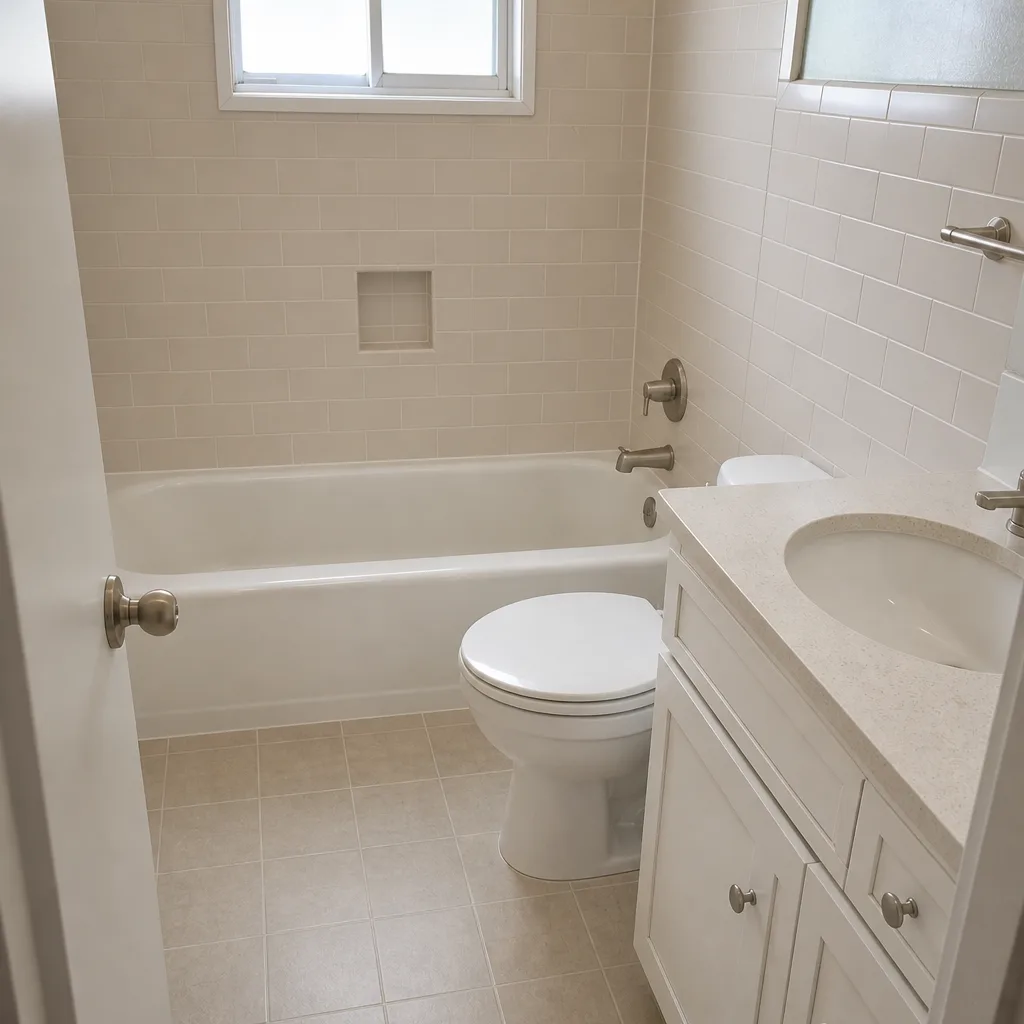 After
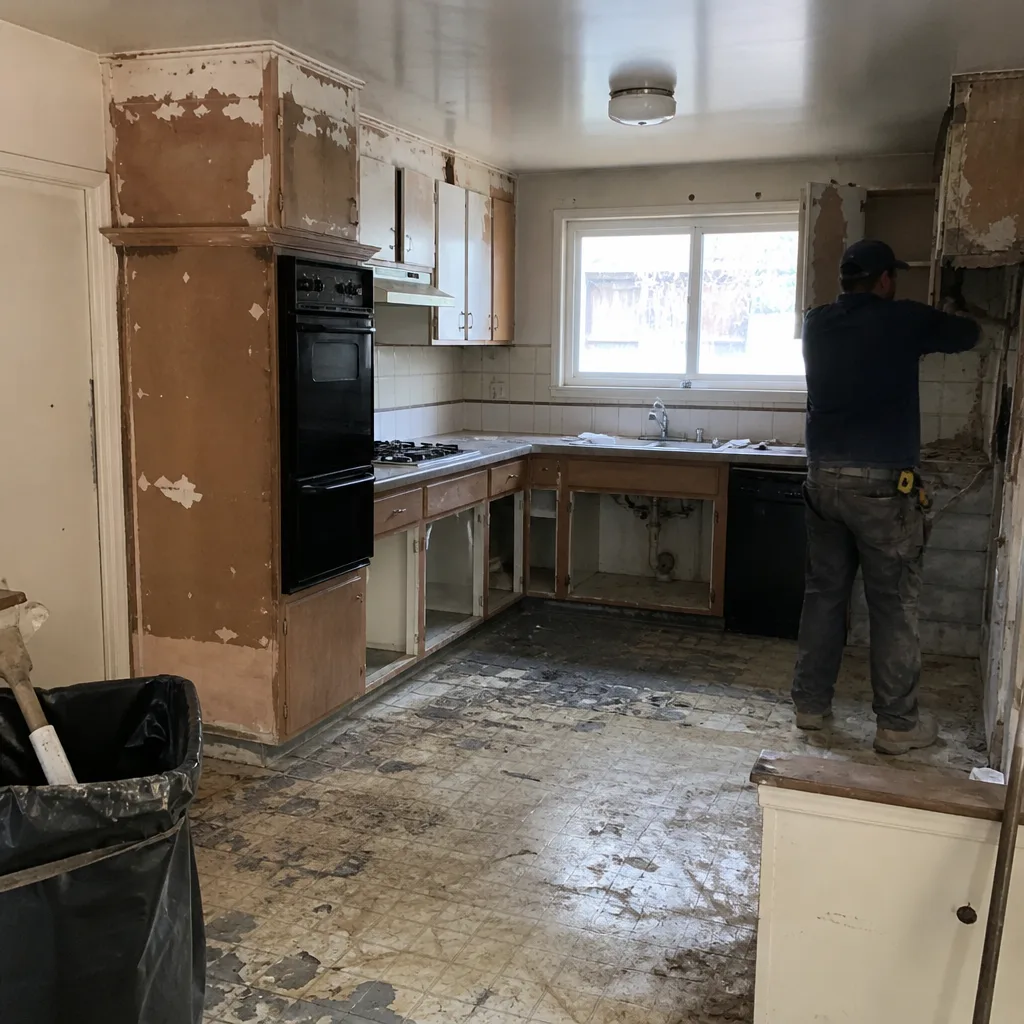 Before
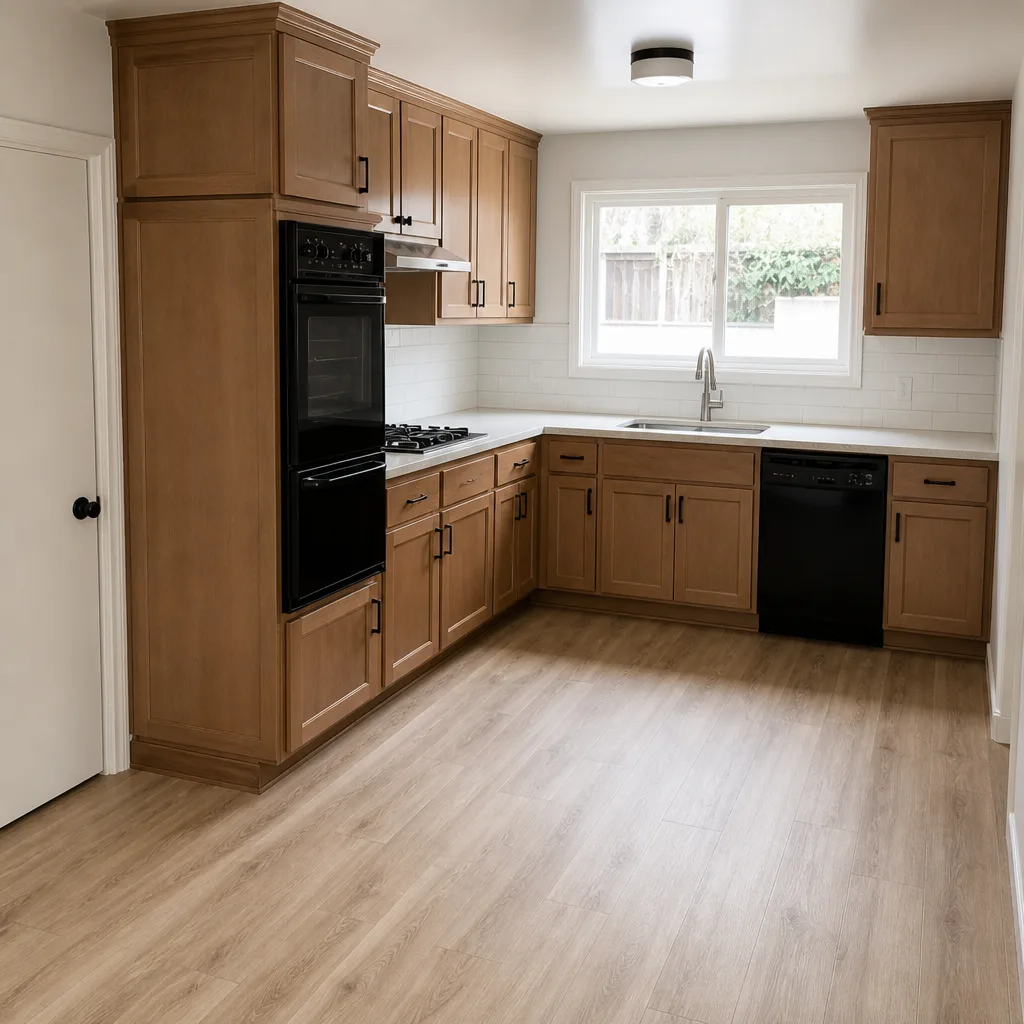 After
Frequently Asked Questions
Create a dated photographic and written record of your home’s current condition, stored off-site. That baseline is what your insurance adjuster will ask for after an earthquake or fire, and it’s what most Vallejo homeowners are missing when a claim gets contested. It costs an afternoon and nothing else.
Usually not, unless you carry a separate earthquake endorsement or a standalone earthquake policy. In our experience, most Vallejo homeowners assume they’re covered and find out after an event that they aren’t. Call your carrier and confirm what you’re carrying before you need it. Call (844) 560-4789 for a free estimate if you want an independent read on what retrofitting your home would take.
Yes. Structural retrofit work on a raised foundation requires a permit through the City of Vallejo Building Division, usually with a structural plan or a standard plan set, and it requires inspection. Unpermitted structural work has to be disclosed at sale, can void a claim, and often costs more to correct later than doing it right the first time.
A licensed contractor handles the building envelope: tarping, board-up, shoring, and stopping water intrusion. A restoration company handles cleanup, drying, contents, and odor treatment. Both are legitimate scopes and often both are covered by insurance. Call the contractor first when the structure is compromised.
Most cripple wall retrofits on pre-1960 Vallejo homes run in the low five figures when permitted and inspected, with pricing tied to foundation length, accessibility, and whether the crawlspace needs additional ventilation or vapor barrier work. We quote every project in writing before work starts, with no numbers that move at the door. Call (844) 560-4789 for an exact quote on your home; estimates are free.
Yes, if the contractor issues one. Bradford Remodeling Co Vallejo’s 365-Day Done Right Promise applies to every completed project, including emergency repairs. If the work fails within the guarantee period, we return and correct it at no charge. That’s why we quote and document emergency work in writing the same as any other job.
Yes. During a regional event, contractors triage by existing relationship. Valley homeowners who have a documented contractor relationship spend the first hours after an event getting their structure assessed instead of calling unknown numbers. Identifying a licensed, insured contractor and keeping their number where you can find it is one of the highest-value steps in a preparedness plan.
The Bottom Line
The homes that recover fastest from a construction emergency aren’t the ones that call the right number after the fact. They’re the ones that did three unglamorous things in advance: they photographed and measured their home, they retrofitted and permitted known structural weaknesses, and they had a licensed contractor’s number already saved. For Vallejo homeowners in older neighborhoods on pier-and-post foundations, those three steps do more to protect a claim than anything you can do in the moment. Start with the baseline this month. It’s the cheapest insurance you’ll ever buy, and the one your adjuster will actually want to see.
If your home needs structural evaluation, retrofit permitting, or emergency repairs coordinated with a written guarantee, Bradford Remodeling Co Vallejo is here for it. Our technicians have up to 22 years of experience, every project gets a written price before work starts, and every completed job is covered by the 365-Day Done Right Promise. A live person answers (844) 560-4789 around the clock. Call today to schedule your free estimate.
You can start at our Bradford Remodeling Co Vallejo home, or dig into related scopes if your preparedness work overlaps with a remodel, like Bathroom Remodeling in Vallejo, which often exposes framing and envelope problems worth documenting in the same permit.
Written by the team at Bradford Remodeling Co Vallejo.