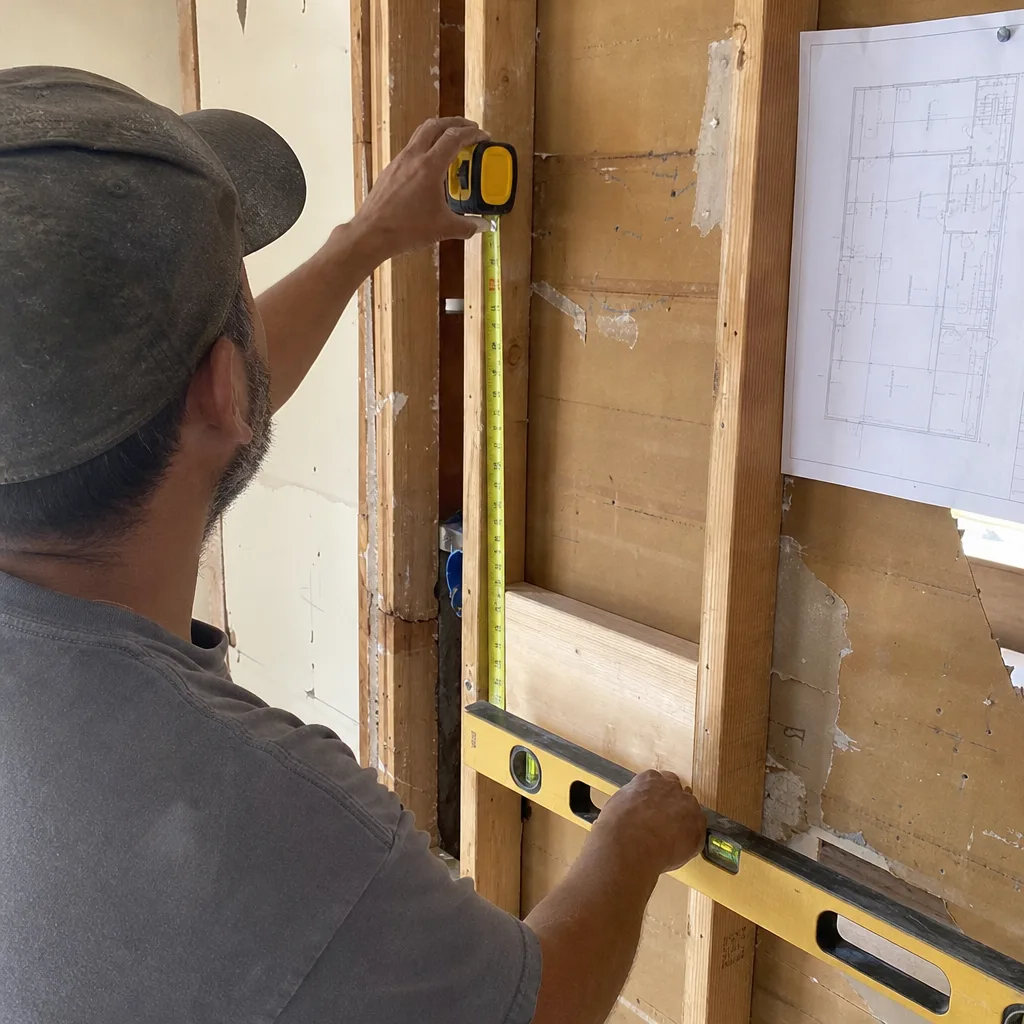
Last updated November 17, 2026
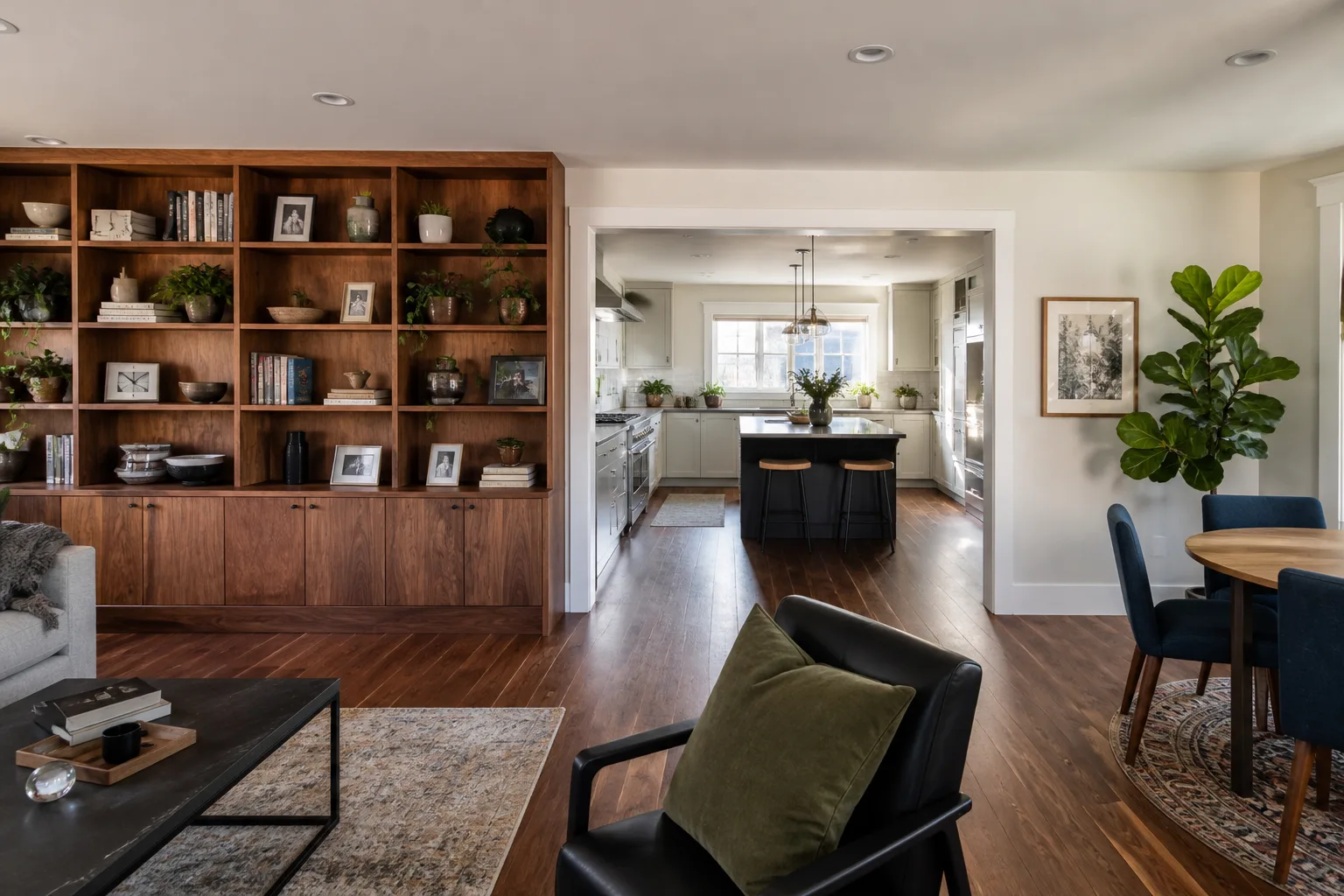
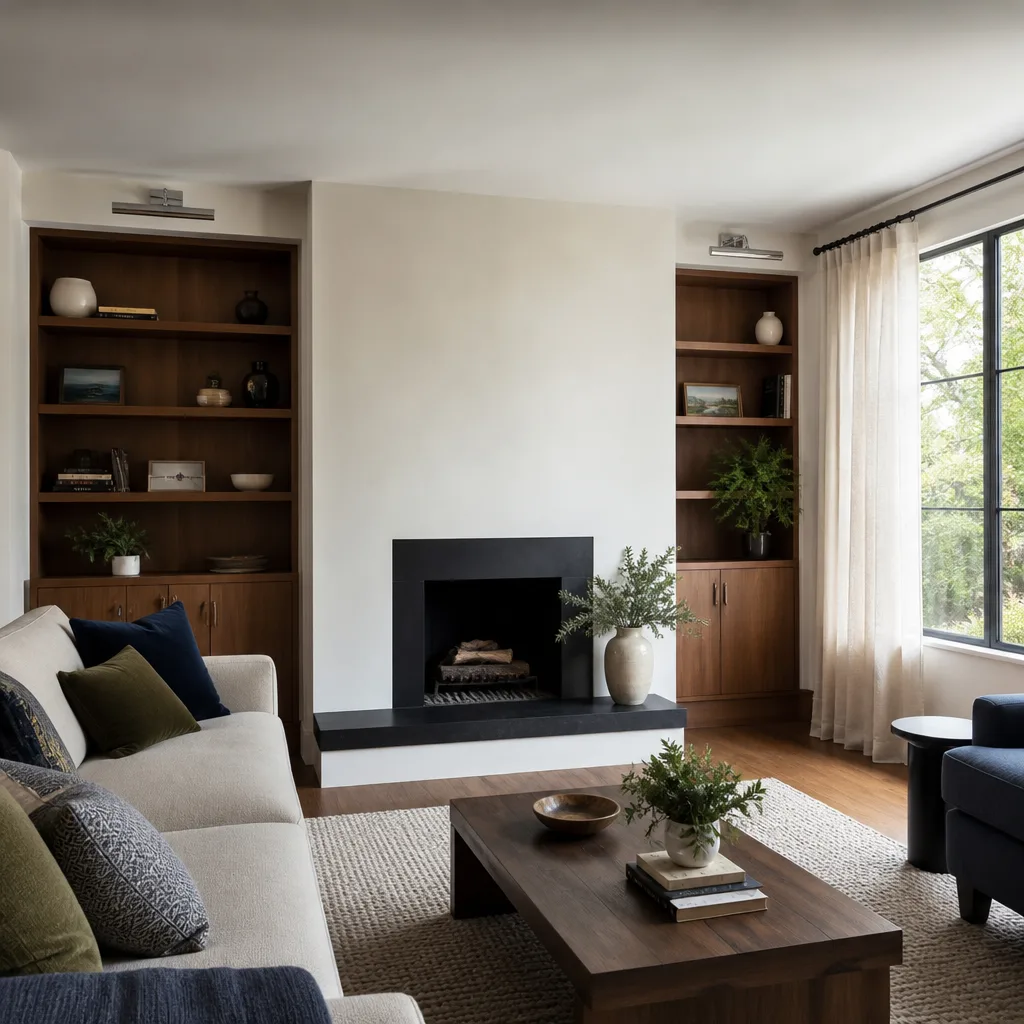
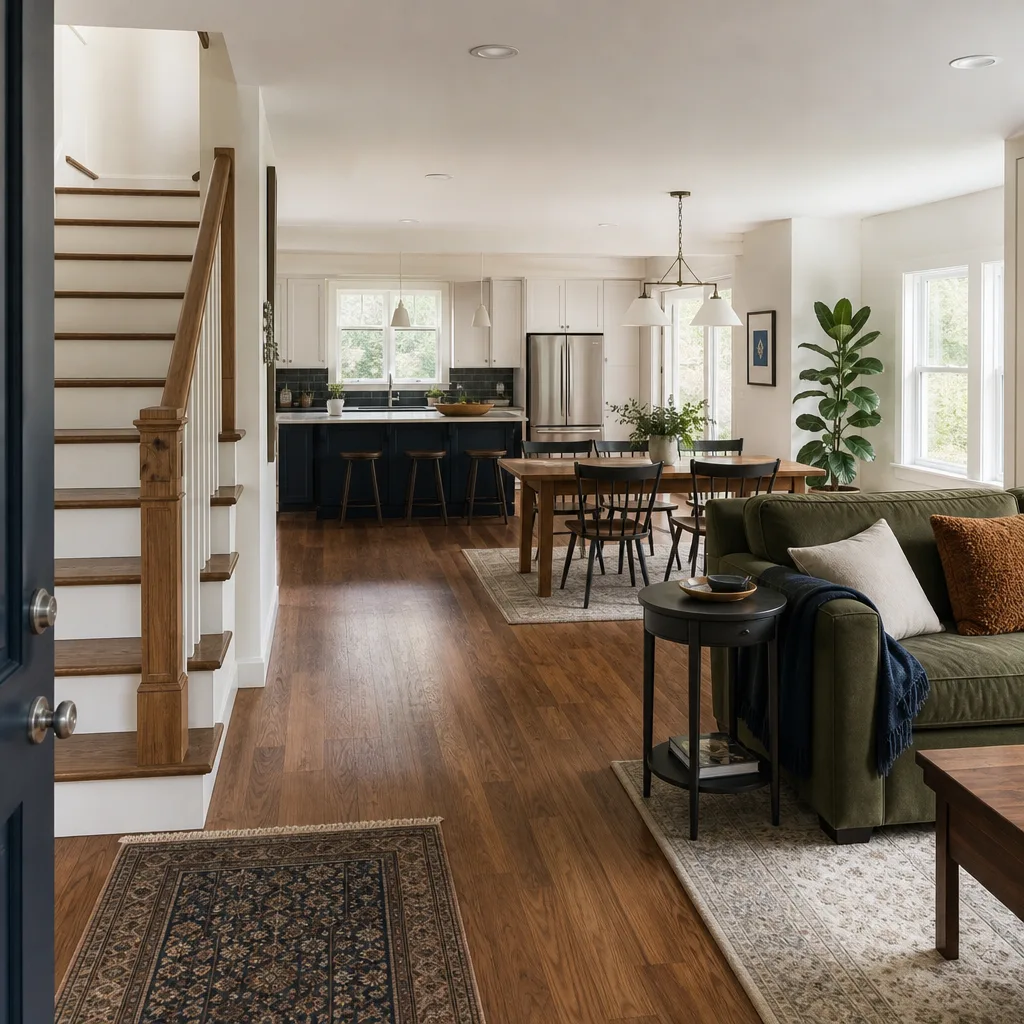
Free written scope consultation - allowances, timeline, and change-order rules on paper before a single trade is scheduled
DIY vs Professional Construction: The Vallejo Homeowner’s Decision Guide
California real estate law requires sellers to disclose unpermitted improvements. Which means the bathroom addition you built yourself, the one that came out perfect, can still cost you money at escrow. In our experience working Vallejo homes, that single fact reframes the whole DIY-versus-pro question. It’s rarely about whether you’re handy enough. It’s about permit exposure, insurance liability, and what an inspection report does to your resale value six years from now. This guide walks through the actual legal line in California, which Vallejo projects are genuinely DIY-appropriate, how to price DIY honestly, and when the smart call is to hire out.
Quick Answer
In Vallejo, DIY makes sense for work that doesn’t trigger a building permit or affect structural, electrical, plumbing, or gas systems: painting, landscaping, cabinet refacing, non-structural demolition, and trim. Anything that requires a permit or touches those systems is a professional job, and no amount of skill removes the legal and insurance exposure of doing it unpermitted. If the project needs an inspection to be legal, hire a licensed contractor and keep the paperwork.
Styles & brands we work with
- Kitchen remodeling
- Bathroom remodeling
- Home additions & ADU
- Roofing
- Windows & doors
- Driveway & pavers
- Fence
Table of Contents
- Where California Draws the Legal Line
- The Vallejo Permit Map: What Actually Needs a Permit
- Projects That Are Genuinely DIY-Appropriate
- How to Calculate True DIY Cost
- Insurance Implications of DIY Electrical and Structural Work
- The Resale Problem: Disclosure and Inspection Reports
- When DIY Is Right and How to Do It Without Creating Problems
Where California Draws the Legal Line
California’s Business and Professions Code, starting at Section 7000 and running through the Contractors State License Law, requires a licensed contractor for any project over $500 in labor and materials combined. That’s the CSLB threshold, and it’s the number most homeowners never hear until there’s a problem. The code has a specific exception for owner-builders working on their own residence, but the exception is narrower than it sounds.
The owner-builder exemption lets you pull permits and perform work on property you occupy yourself. It doesn’t cover a rental, it doesn’t cover a family member’s home, and it doesn’t remove the requirement to build to code or pass inspection. What it does is shift full responsibility onto you: if the work fails inspection, if a later owner is injured by it, if your insurance denies a claim because of it, that’s your liability, not a contractor’s.
For licensed work, the CSLB license codes tell you who’s allowed to do what. A B-General Building license covers the broadest scope and is what a full remodeler carries. C-36 Plumbing, C-10 Electrical, and C-20 HVAC are specialty licenses with their own limits. A general contractor can subcontract specialty trades but cannot legally self-perform electrical or plumbing work without the matching classification. If a Vallejo contractor tells you their B license covers everything, that’s a flag.
The Vallejo Permit Map: What Actually Needs a Permit
Vallejo follows the California Building Standards Code with local amendments, administered through the city’s Community Development Department. In practice, that means most of the work that changes the structure or systems of a house requires a permit and inspection. Here’s the practical split for Vallejo homeowners.
Permit required:
- Any wall removal or addition, including “non-load-bearing” walls (a licensed engineer or the building department decides if it’s load-bearing, not the homeowner)
- New or relocated electrical circuits, panel changes, and service upgrades
- Plumbing relocation, new fixtures tied into supply or drain lines, and gas line work
- Water heater replacement (yes, even like-for-like)
- Roof replacement, window and door replacement where the rough opening changes, and any exterior structural change
- Decks taller than 30 inches, fences over 7 feet, and most accessory structures above 120 square feet
- Any bathroom or kitchen remodel that moves plumbing, electrical, or walls
Typically no permit:
- Interior and exterior painting
- Flooring over existing subfloor, where no structural repair is needed
- Cabinet refacing and countertop swaps that don’t touch plumbing or electrical
- Landscaping, planting, and non-structural hardscaping under the height threshold
- Trim, baseboards, and cosmetic fixture swaps (light fixtures in existing boxes, faucet replacements)
Vallejo’s older housing stock – much of it built between 1920 and 1965 – adds a wrinkle. Knob-and-tube wiring, galvanized supply lines, and undersized panels are common in the older neighborhoods, and a “simple” fixture swap often turns into a permitted electrical correction once a licensed electrician opens the wall. If your house is pre-1970 and you haven’t opened it up before, assume a permit is possible.
Projects That Are Genuinely DIY-Appropriate
Skill aside, some Vallejo projects are DIY-right because they carry no permit exposure and no insurance downside if something goes wrong. Painting is the obvious one – interior or exterior, prep work, and the two coats. Landscaping, including drought-tolerant planting and drip irrigation under a certain size, is another. Non-structural demolition (tearing out old cabinets, removing a non-load-bearing shelf unit, stripping tile from a floor you’re replacing) is within most homeowners’ reach as long as you’ve confirmed nothing structural is coming out.
Cabinet refacing sits in a useful middle zone. Refacing uses the existing cabinet boxes and replaces doors, drawer fronts, and veneer – no permit, no structural change, and the boxes are typically sound in most Vallejo homes. It’s a reasonable DIY project for a careful homeowner. Full cabinet replacement is a different job: it usually requires plumbing and electrical disconnection, and it needs a permit if the layout changes.
Flooring, trim work, and interior door swaps (keeping the same rough opening) are also reasonable. But be honest about your own floor. A homeowner who has never run a miter saw shouldn’t learn on 16-foot baseboard in a 1930s bungalow with no square corners. The material cost of mistakes is real; so is the time.
How to Calculate True DIY Cost
The DIY cost formula most homeowners use – materials only – is wrong, and it’s why DIY projects go over budget and over schedule. Here’s a more honest calculation we walk Vallejo homeowners through when they’re deciding.
- Materials, including waste factor. Add 10-15% for tile, flooring, and paint, and 20% for lumber.
- Tool cost, if you don’t own them. Tile saw, wet saw blade, or a rough-in plumbing tool kit can each run $150-$400 to buy or rent.
- Your time at a realistic hourly rate. A bathroom remodel that a pro completes in 3 weeks might take a careful first-timer 6-9 weekends. Price your weekends honestly – call it $40-$60 an hour for a skilled homeowner, less if you’re learning as you go.
- Permit fees. Even when DIY is legal, permits aren’t free. A Vallejo bathroom permit runs a few hundred dollars on its own; a small structural permit runs more.
- The correction allowance. Budget 15-25% of the project cost for the one thing that goes wrong and needs a licensed trade to correct. A failed shower pan, a tile job that has to come out, a rough-in that fails inspection – each of those costs more to fix than it would have to do right the first time.
Run those numbers and most mid-size bathroom or kitchen projects land within 20-30% of a pro bid, without the warranty or the inspection sign-off. Where DIY genuinely wins is on labor-heavy, low-skill work: painting, landscaping, demo, and prep. That’s where the math actually favors you.
Insurance Implications of DIY Electrical and Structural Work
This is the section most DIY guides skip. Your homeowners policy is a contract, and it responds to loss based on the condition and code-compliance of the home. When unpermitted, uncertified work causes a subsequent loss – a fire from a homeowner-installed circuit, water damage from a shower pan that leaked because it wasn’t properly waterproofed, structural damage from a removed wall – the insurer’s first question is whether the work was done to code by a licensed professional.
If it wasn’t, the claim can be denied or limited. Worse, if a later owner is injured by unpermitted work you did and disclosed, the liability can follow you. California’s disclosure rules mean the buyer’s signature on a disclosure doesn’t release you from liability for a known dangerous condition.
Licensed, permitted, inspected work is a different story. Your policy treats it as it treats any legal, inspected improvement: covered, insurable, and priced accordingly. The written guarantee a licensed contractor provides adds a second layer, and it’s why our 365-Day Done Right Promise exists in writing. If the work fails inside that year, we come back and correct it at no charge. That guarantee is not something a homeowner can self-provide.
The Resale Problem: Disclosure and Inspection Reports
California’s Transfer Disclosure Statement requires sellers to disclose any known unpermitted improvements, and the buyer’s inspector will find them. A missing permit for a bathroom addition, a converted garage, or a bonus room is one of the most common findings in Vallejo inspection reports, especially in the older neighborhoods where additions were routinely added between 1945 and 1980 without paperwork.
What happens next is a negotiating problem. The buyer’s lender may refuse to finance a home with an unpermitted addition, or require it be permitted before close. The buyer’s appraiser may not count the square footage. The buyer may demand a credit for the cost of retro-permitting, which often runs $5,000-$15,000 in Vallejo once engineering, plan review, and inspection fees are counted – and more if the work has to come out to be inspected. Even a completion that looks perfect costs you at escrow.
The fix is prevention: permit the work when it happens. If you’re inheriting unpermitted work on a home you’re buying in Vallejo, get a contractor’s opinion on retro-permitting cost before you sign. If you already own the home and want to clean up the record, retro-permitting is doable – but it’s a licensed contractor job, not a DIY one.
When DIY Is Right and How to Do It Without Creating Problems
DIY is the right call when the work is cosmetic, labor-heavy, and outside the permit scope. Painting a whole house is a week of good weekends with a sprayer. Landscaping a drought-tolerant front yard is a project you’ll enjoy. Demo is the best DIY work available – swing a sledge responsibly and save the labor cost.
When you do go the DIY route, do it in a way that doesn’t create problems for a future contractor or a future buyer. Three rules we’d give any Vallejo homeowner:
- Document what you did. Photograph the work in progress, including the state of what was behind the wall, the wiring you found, and the plumbing you left in place. A future contractor or buyer will thank you, and an inspector will ask.
- Keep the spec sheets and receipts. Manufacturer documentation for materials – a Schluter shower system membrane, a specific tile, a Delta or Moen fixture – is what lets a licensed pro pick up where you stopped. Without specs, they’ll recommend starting over.
- Stop at the permit line. Painting, demo, landscaping: keep going. Wiring, plumbing, structure, and anything that changes the footprint: stop and call. There is no DIY correction for a removed load-bearing wall, and there’s no insurance coverage for it either.
For the projects where a professional is the right answer, our team at Bradford Remodeling Co Vallejo gives you a written price before any work starts, every time, and stands behind it with the 365-Day Done Right Promise. If you want a straight read on whether your project needs a permit, that’s a free conversation.
Common Mistakes to Avoid
- Assuming “non-load-bearing” means “no permit.” In Vallejo, walls that aren’t load-bearing still need a permit if they enclose a bathroom, kitchen, or bedroom in some way. Get the building department to confirm before you swing the hammer.
- Doing electrical work yourself to save money. Even a simple outlet move requires a permit and an inspection in most jurisdictions. The $150 you save isn’t worth the insurance denial if the circuit fails.
- Retro-permitting after the sale is underway. Start the permit process before listing the home, not after the buyer’s inspector flags it. Retro-permitting in Vallejo can take weeks and stalls closings.
- Buying materials before confirming the rough opening. Vallejo homes built before 1965 often have non-standard framing. Measure twice, order once, and keep the receipts.
- Hiring the lowest bid without a written price. A verbal bid that moves at the door is the pattern most homeowners complain about. Get the price and scope in writing before any tool comes out.
- Letting a “handyman” do work that needs a license. California requires a licensed contractor for any project over $500. A handyman performing licensed-scope work is a claim waiting to be denied.
- Skipping the photo record. Future contractors and buyers need to see what was behind the wall. Photos are the cheapest insurance you’ll ever take out on a home.
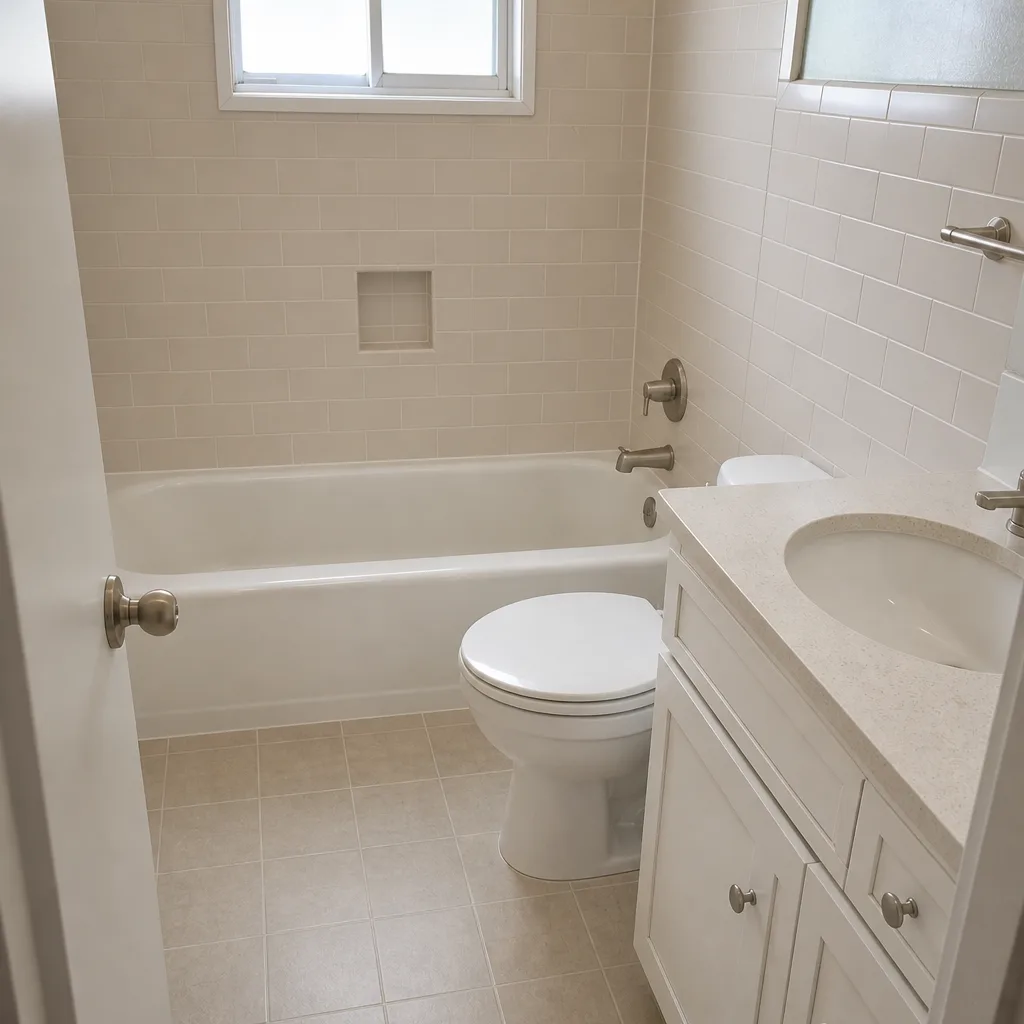
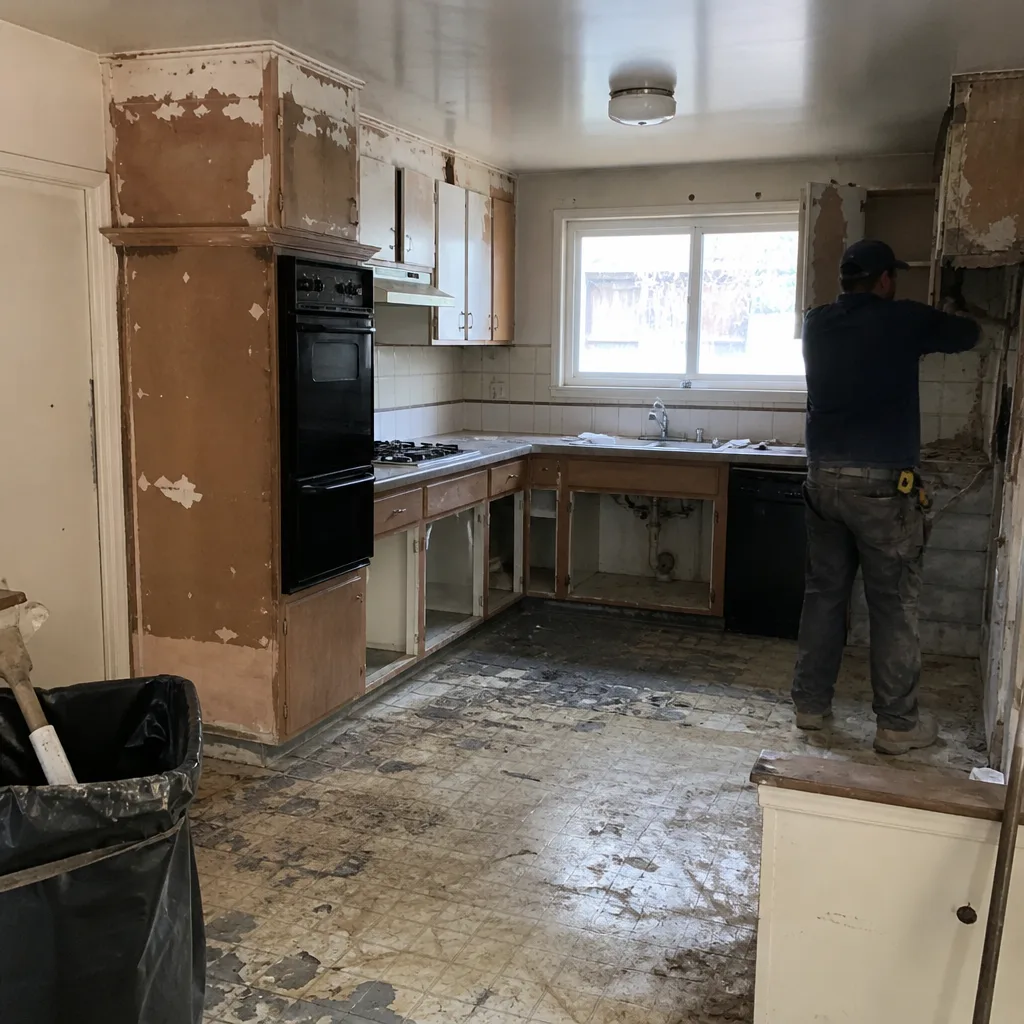
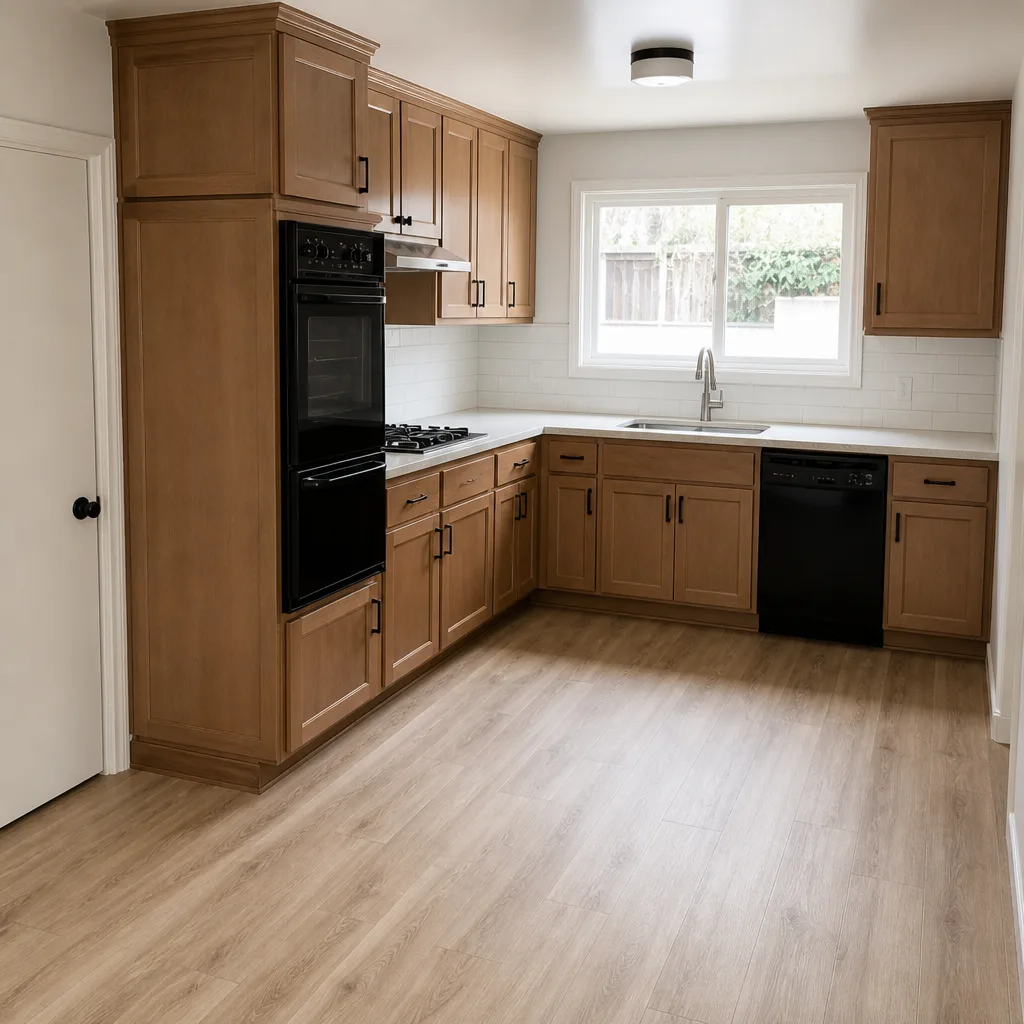
See the difference
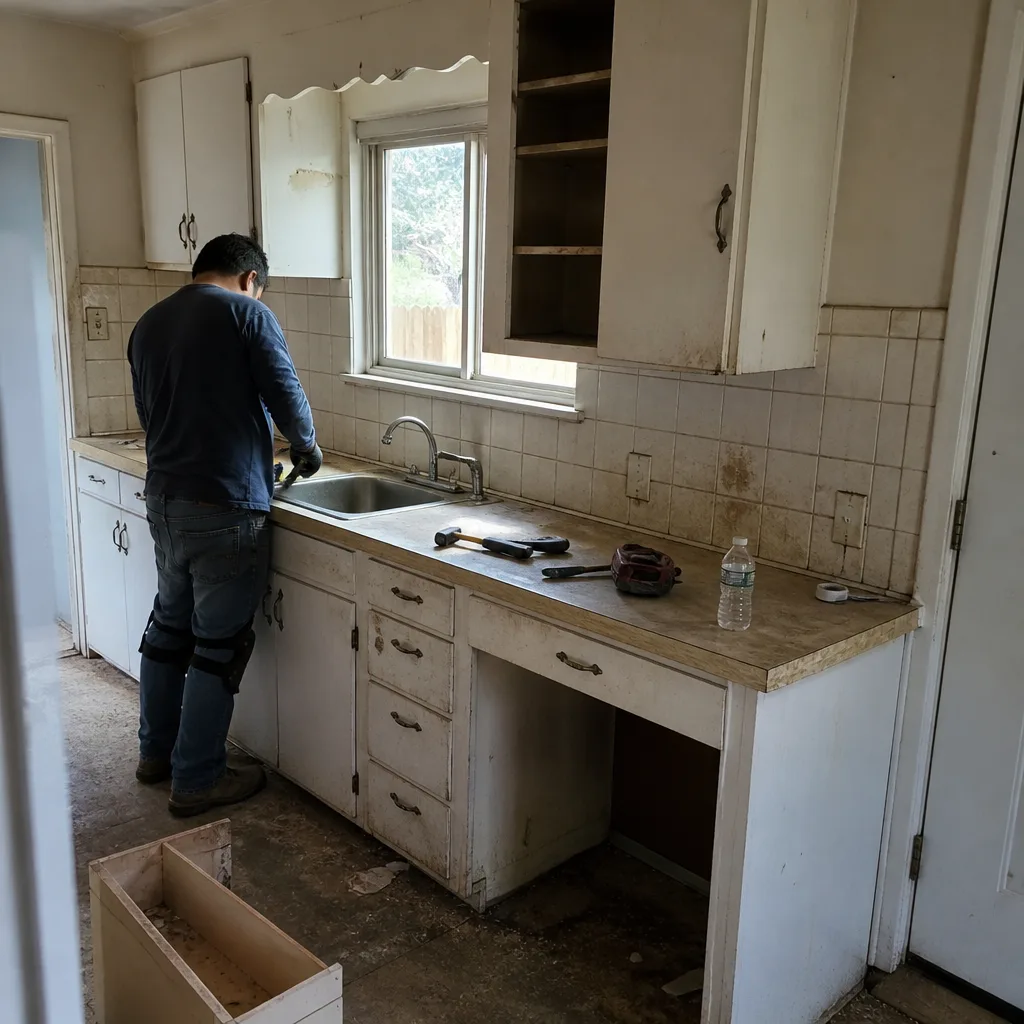 Before
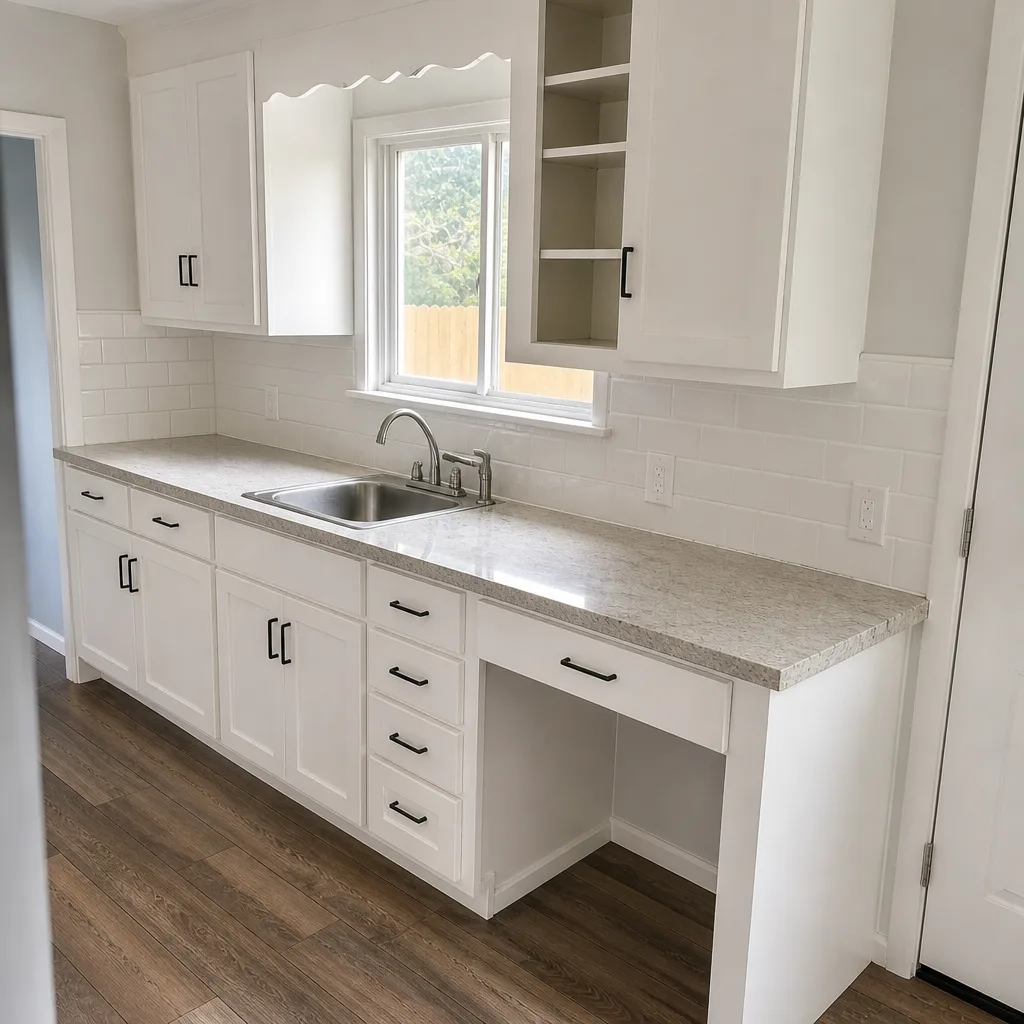 After
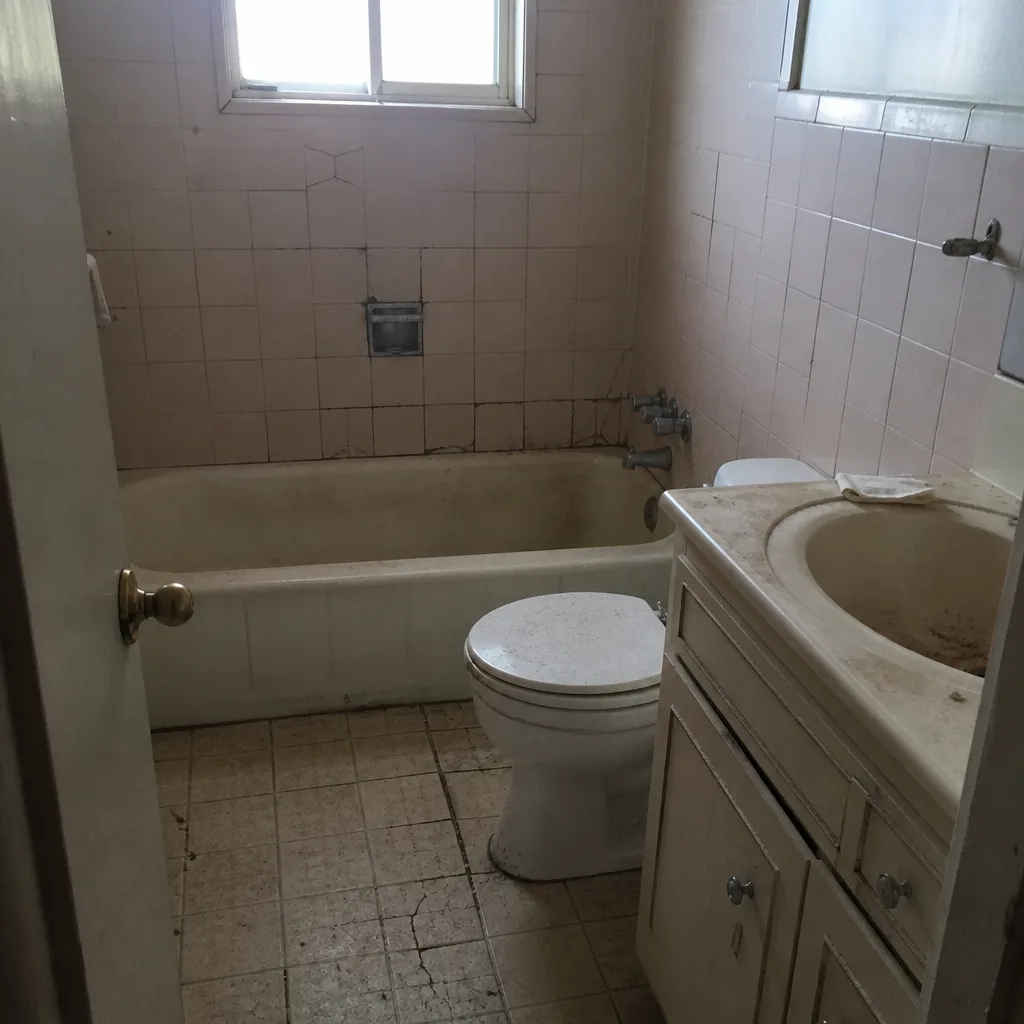 Before
 After
 Before
 After
When to Call a Professional
Call a professional when the work touches anything structural, electrical, plumbing, or gas; when it requires a permit or an inspection; or when a single mistake would cost more to correct than the professional bid on the whole project. That covers most kitchen and bathroom remodels, all additions, panel changes, load-bearing wall removals, and any work on a home built before 1970 where hidden conditions are likely. It also covers retro-permitting, which is essentially professional work aimed at fixing a DIY decision. Our team at Bradford Remodeling Co Vallejo offers free estimates in Vallejo and Napa County. Call (844) 560-4789 to schedule yours. For kitchen projects in particular, our Kitchen Remodeling in Vallejo page walks through what a permitted scope actually includes, and our Bathroom Remodeling in Vallejo page covers the waterproofing and rough-in that fail most often on DIY jobs.
Frequently Asked Questions
Yes, any bathroom remodel that moves plumbing, electrical, or walls requires a permit and inspection in Vallejo. Even a fixture swap like relocating a sink or adding an outlet requires a permit. Cosmetic work – paint, flooring over existing subfloor, and fixture swaps in existing locations – typically does not.
California’s Business and Professions Code requires a licensed contractor for any project with labor and materials combined over $500. Below that threshold a handyperson can legally work. Above it, the person on your job needs a CSLB license in the correct classification for the scope – B-General Building, C-10 Electrical, C-36 Plumbing, and so on.
You can legally perform work on a home you occupy yourself, but you still need a permit and an inspection, and you take on full liability. If the work causes a subsequent fire or injury, your homeowners policy may deny the claim because the work wasn’t done by a licensed professional. For most homeowners, the math doesn’t favor it. Call a licensed electrician.
Permit fees for a Vallejo bathroom addition typically run in the range of several hundred to a few thousand dollars depending on scope and valuation, and they’re on top of any contractor cost. Retro-permitting an existing unpermitted addition is higher, often $5,000-$15,000 once engineering, plan review, and inspection are counted. Get a written quote before you commit.
Yes. California requires disclosure of unpermitted improvements, and buyers, lenders, and appraisers price the risk. A buyer may demand a credit for retro-permitting, a lender may refuse to finance, and an appraiser may not count the square footage. The cost of doing it permitted is almost always less than the cost of discovering it at escrow.
Yes, painting and landscaping are the two safest DIY categories in Vallejo. Neither triggers a permit, neither changes the structural or system envelope of the home, and both are labor-heavy in a way that rewards doing them yourself. Keep the receipts and photo records, and you’re in good shape.
The Bottom Line
The Vallejo DIY question isn’t about your skill level. It’s about permit exposure, insurance liability, and what the inspection report will say when a buyer’s inspector opens the wall. DIY is the right call for painting, landscaping, demo, and non-structural cabinet work – labor-heavy, permit-free, and genuinely rewarding. Everything structural, electrical, plumbing, or gas is a licensed professional job, no matter how capable you are. The homeowners who come out ahead in Vallejo are the ones who know which side of that line they’re on, keep the paperwork on the DIY side, and hire a by-the-book contractor for the rest.
If your project is on the professional side of the line – a kitchen, a bath, an addition, or a fix to unpermitted work already in the house – we’ve seen the difference a written price and a written guarantee make. Our team at General Contractor in Vallejo gives you a fixed price before work begins, keeps the scope documented, and backs every project with the 365-Day Done Right Promise: if the work fails inside the year, we correct it at no charge. Materials are drawn from a documented roster – KraftMaid and Wellborn cabinetry, Cambria and Caesarstone surfaces, Kohler and Moen fixtures, GAF and James Hardie exterior products, Therma-Tru doors, and Belgard hardscaping – so specifications are traceable and warranty coverage holds up. Background-checked, uniformed technicians are on every job, and our phones are answered by a live person 24 hours a day. Call (844) 560-4789 for a free estimate, and you’ll have a real price in writing before anything starts.
Written by the team at Bradford Remodeling Co Vallejo.