Last updated November 17, 2026
Free written scope consultation - allowances, timeline, and change-order rules on paper before a single trade is scheduled
DIY vs Professional Bathroom Remodeling: What’s Safe to Do Yourself
Painting a bathroom yourself saves real money and carries almost no risk. Tearing out your own shower pan without a rough-in inspection can void the insurance claim when the water damage shows up two years later. That’s the line most homeowners never hear drawn clearly, and it’s sharper than the internet makes it look. In Vallejo, we’ve walked into plenty of half-finished bathrooms where the tile looked fine and the framing behind it didn’t. This guide sorts bathroom work into what’s genuinely safe to do yourself, what California requires a licensed contractor to handle, and how to split a hybrid project so the money you save on finishes doesn’t get eaten by a failure you can’t see.
Quick Answer
Painting, swapping fixtures and accessories, installing a mirror, and hanging shelving are safe DIY bathroom jobs almost anywhere in California. Plumbing rough-in, electrical work, moving walls, and shower waterproofing require a licensed contractor and permits under CSLB rules and California building code. The middle ground, tile setting and finish carpentry, is doable by a careful homeowner if the waterproofing underneath was done and inspected by a professional.
Styles & brands we work with
- Kitchen remodeling
- Bathroom remodeling
- Home additions & ADU
- Roofing
- Windows & doors
- Driveway & pavers
- Fence
Table of Contents
- Where California Draws the Legal Line
- The Moisture Risk Hierarchy: Which DIY Failures Cost the Most
- The DIY-Safe List: Tasks With Low Consequence
- How a Hybrid Project Works and What Belongs in the Scope
- What Unpermitted Work Really Means for Vallejo Homeowners
- How to Judge Your Own Skill Level Honestly
- Common Mistakes to Avoid
- When to Call a Professional
Where California Draws the Legal Line
California’s Contractors State License Board (CSLB) is specific about which work requires a licensed contractor. The rule isn’t about whether you’re handy. It’s about what the state considers a public safety matter. When a homeowner does their own work on a single-family home they occupy, the state generally allows it. That exception is narrower than people assume.
Here’s the rough split for a bathroom project in Vallejo:
- Licensed contractor required: Plumbing rough-in (moving or adding supply and drain lines), gas line work, electrical circuits and outlets, structural changes to walls or framing, and any work over $500 performed by someone you hire.
- Permit required even if you do it yourself: Moving a toilet, adding a fixture, converting a tub to a shower with a new drain location, new electrical circuits, and any wall removal that isn’t confirmed non-structural.
- Generally safe to self-perform: Painting, caulking, replacing faucets and showerheads on existing connections, swapping a toilet in the same location on the same flange, installing a vanity on existing plumbing, hanging mirrors, shelving, and accessories.
The line moves with the plumbing. Swap a toilet in the exact spot where the old one sat, and you haven’t touched the drain. Move it two feet to gain vanity space, and you’re into rough-in territory, which means a permit, an inspection, and a licensed plumber. In Vallejo, the building department’s permit portal has gotten better in recent years, so there’s less excuse for skipping the paperwork than there used to be.
One thing worth saying plainly: California code requires a shower pan inspection before the tile goes on, whether you hired a pro or you’re doing the work yourself. That inspection can’t be skipped. If your plan is to waterproof the pan yourself and get the inspector out to look at it, that’s legal, but the inspector is going to look at a membrane that either passes or doesn’t. Most that we see from DIY attempts don’t.
The Moisture Risk Hierarchy: Which DIY Failures Cost the Most
Every task in a bathroom lives on a spectrum of consequence. Painting a wall wrong costs you a weekend. Waterproofing a shower wrong costs you the subfloor, the framing, the ceiling below, and possibly the sale of the house. We rank the mistakes this way because the price of failure is wildly uneven.
Highest consequence (do not DIY)
- Shower pan liner and waterproofing. A single pinhole or folded corner in the membrane sends water behind the tile for months before it shows. In our experience, this is the single most expensive DIY failure in a bathroom.
- Drain and supply rough-in. A slight slope error on a drain line creates a slow clog that reappears for years. A supply connection that weeps behind the wall rots the framing before anyone notices.
- Electrical in wet zones. GFCI protection, exhaust fan circuits, and any lighting over a tub or shower carry real shock risk and code requirements that are easy to get wrong.
Medium consequence
- Cement backer board installation. Doable, but the seams and fastener spacing matter more than most tutorials admit.
- Tile setting on walls and floors. Bad technique shows up as lippage and cracked grout, not as structural damage, but it costs real money to redo.
Low consequence
- Painting, caulking, accessory installation, mirror hanging, vanity tops on existing cabinets, and swapping a toilet in place. These are the tasks where a mistake costs a weekend, not a floor.
Vallejo’s climate softens the mold timeline compared to the humid East Coast, but it doesn’t eliminate it. Bathrooms here run warm and poorly ventilated, especially in older homes in the Heritage District and near the waterfront where windows often stay closed. A slow leak behind a shower wall can run for a full dry season before the smell catches up to it.
The DIY-Safe List: Tasks With Low Consequence
Here’s the work we genuinely encourage homeowners to do themselves. It saves money, and it frees up the budget for the parts of the project that need a pro.
- Paint. Walls, ceiling, trim. Use a bathroom-rated paint with mildew resistance. Prep matters more than the paint: sand, prime, and give it two coats.
- Caulk. Replace failing caulk at tub edges, vanity backsplashes, and around the toilet base with a silicone caulk rated for wet areas. This is one of the highest-value DIY jobs in any bathroom because failing caulk is where water gets in.
- Swap the faucet and showerhead. On existing valve connections, this is a straightforward job with a basin wrench and a couple of supply line tools. Kohler and Moen both publish clear installation guides, and their cartridges are standardized.
- Replace a toilet in the same location. Same flange, same drain. This is one of the more approachable DIY jobs in a bathroom.
- Install a vanity on existing plumbing. If the supply lines and drain stay where they are, a new vanity cabinet is a bolt-and-set job. If you’re moving anything, it becomes a plumbing job.
- Hang a mirror, shelving, towel bars, and accessories. Toggle bolts in the right spot, a level, and a stud finder. That’s the whole job.
- Add a recessed medicine cabinet in an existing stud bay. This is fine as long as you’re not cutting into a wire or pipe chase. Check with a stud finder and a wire scanner before the saw.
We’ve seen homeowners in Vallejo do excellent work on these tasks. A fresh coat of paint and quality fixtures can transform a bathroom for a few hundred dollars in materials. That’s real money left in the budget for the trades that actually need a pro.
How a Hybrid Project Works and What Belongs in the Scope
A hybrid project is when you hire a contractor for the rough-in, waterproofing, and permit work, then do the finish work yourself. It’s a legitimate way to save money. It only works if the scope split is written down before any tool comes out.
Here’s what a well-documented hybrid scope looks like, and it’s the structure we use when a homeowner wants to handle the tile and paint themselves:
- Contractor scope: Demolition, rough plumbing, rough electrical, permit pulling, waterproofing and pan liner, shower pan inspection, backer board, and final inspection sign-off.
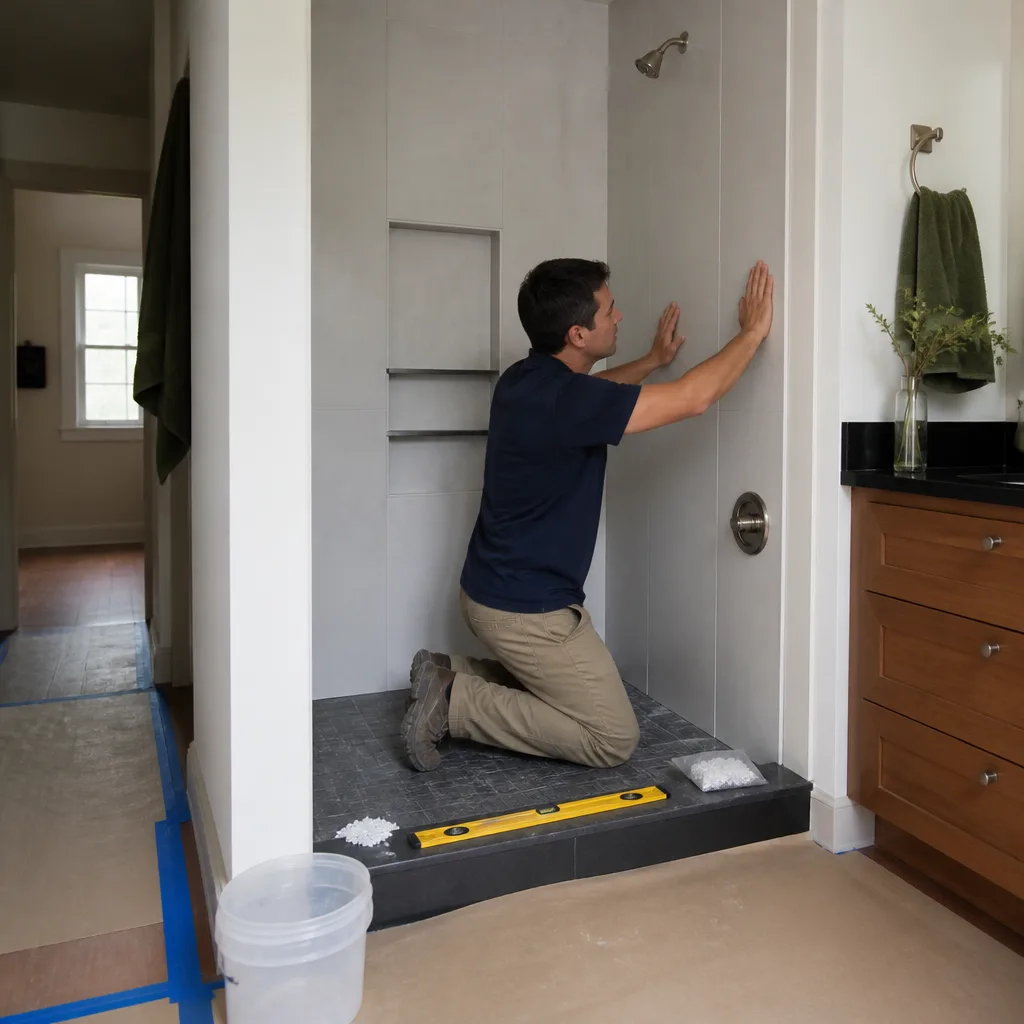
- Homeowner scope: Tile setting, grout, paint, fixture installation on completed rough-in, vanity install, mirror and accessories.
- Handoff point: A signed punch-list documenting the condition of the rough-in at handoff, with photos. If the homeowner’s tile work fails later, the punch-list makes clear the waterproofing was completed and inspected before the tile went on.
- Warranty language: The contractor’s guarantee covers the work in their scope. The homeowner’s work is their own responsibility. That’s spelled out in writing, not implied.
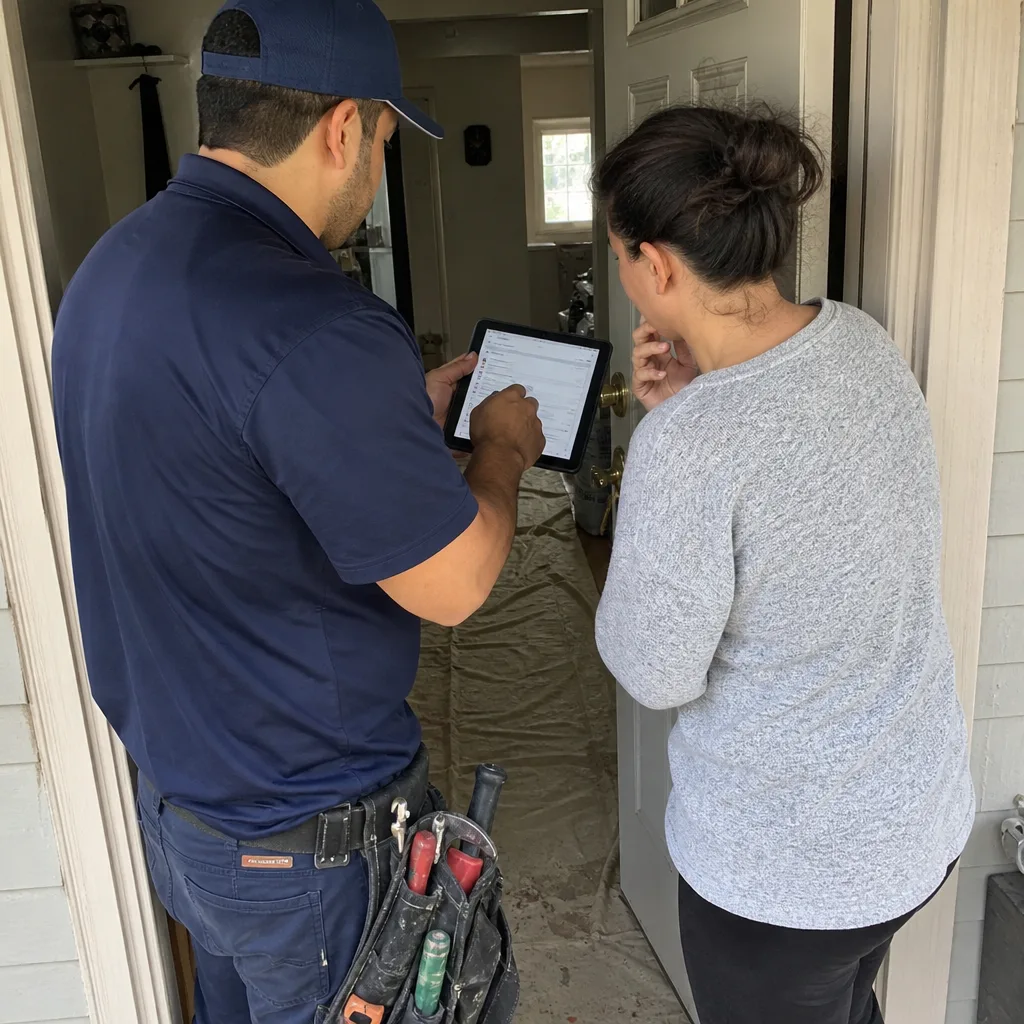
Bradford Remodeling Co Vallejo writes the price before any work starts, and that includes hybrid scopes where the split is clearly documented. A bathroom remodeling project in Vallejo with permits, rough-in, and waterproofing handled by the pro, and tile and paint handled by the homeowner, is a common arrangement we work with. You can see how that fits into Bathroom Remodeling in Vallejo for the full project structure.
What Unpermitted Work Really Means for Vallejo Homeowners
Unpermitted work is any construction done without a required building permit, or work done under a permit that was never inspected and signed off. That’s it. It doesn’t matter whether the work was done well. What matters is that the city has no record of it and no inspector ever looked.
Three consequences a Vallejo homeowner should understand plainly:
- Insurance claims. If a water leak from a shower renovation causes damage and the shower was an unpermitted remodel, most insurers will investigate. If they find unpermitted work contributed to the loss, they can deny the claim or reduce the payout. That’s the scenario people miss.
- Sale disclosure. California requires sellers to disclose known material defects, and unpermitted work is a material defect. In practice, that means either a price reduction, a buyer walking, or a scramble to retroactively permit work you can’t easily inspect because it’s behind tile.
- Retroactive permitting. A homeowner can apply to permit work after the fact, but the city can require opening walls to verify the rough-in. That’s the expensive version of a permit.
In our experience, the strongest move is pulling the permit up front on anything that touches plumbing, electrical, or structure. Vallejo’s building department is straightforward to work with when the paper trail is clean. If you’re working through a larger project, the General Contractor in Vallejo page covers how permits and inspections get sequenced.
How to Judge Your Own Skill Level Honestly
Most homeowner skill assessments don’t survive contact with the actual techniques. Three specific tests separate a passable DIY result from a callback-generating one. Try these on a small job before committing to a whole bathroom.
1. Back-buttering tile
Back-buttering is applying a thin layer of thinset to the back of the tile before setting it, in addition to the thinset on the wall. It’s how you get full coverage, and it’s where DIY tile failures start. Do a test: set three tiles on a scrap of backer board, pull one up after 24 hours, and check the coverage. If less than 80% of the back is coated with thinset, you’re leaving voids that will crack.
2. Floating a mortar bed
A mortar bed is the sloped layer of mortar under a tile floor that directs water to the drain. Floating one flat enough for tile, sloped enough for drainage, and tight enough not to crack is a technique that takes practice. If you’ve never floated mortar, the shower floor isn’t the place to learn.
3. Testing a p-trap
The p-trap is the U-shaped pipe under the drain that keeps sewer gas out of the bathroom. If you’ve ever swapped a fixture and needed to confirm the trap is holding water and there’s no siphonage, that’s the test. If you don’t know how to do that, you don’t want to be the one who moved a drain.
A useful rule of thumb we tell Vallejo homeowners: if you can’t watch a working pro do the technique once, in person, before your own attempt, you’re not ready to do it yourself. Watching videos is a starting point. It’s not the whole thing. If you want a realistic look at the cost breakdown before you decide, our Kitchen Remodeling in Vallejo page shows the same line-item pricing discipline we apply to bathrooms.
Common Mistakes to Avoid
- Skipping the pan inspection. California requires a shower pan inspection before tile. Skipping it means the waterproofing has no record if it fails later, which is exactly when you need one. We see this on Vallejo projects more than any other mistake.
- Waterproofing with the wrong product. A topical roll-on membrane isn’t a substitute for a proper pan liner in a traditional shower. Some products are meant for one system and fail in another. The wrong product can fail inside the guarantee window and beyond it.
- Setting tile over an untested backer board. Backer board seams need to be taped and mudded, and fastener spacing has to be right. Tile over a poor substrate cracks along the seams, not in the middle of the tile.
- Moving a drain without a permit. Moving a drain is rough-in work. It requires a permit and an inspection, and moving it quietly means the future sale disclosure becomes a problem.
- Buying a budget vanity before checking the plumbing. A vanity that fits the room but not the existing drain location turns a $400 cabinet into a $1,900 project once the plumber moves the trap.
- Caulking with grout. Grout isn’t caulk. Grout at the tub edge cracks the first time the tub flexes, and water gets in. Silicone sealed caulk in the corners and at the tub edge is the standard for a reason.
- Not documenting the handoff on a hybrid project. If you’re doing the finish work after a contractor finishes the rough-in, photograph the rough-in and have them sign off before you cover it. That’s the paper that protects you later.
When to Call a Professional
Call a licensed contractor when the work touches plumbing rough-in, electrical circuits, structural changes, or shower waterproofing. Call one if you’re unsure which of those you’re touching, because the answer is often yes. Call one if the project requires a permit, if your insurance company will be involved, or if the bathroom is a primary bath you can’t afford to lose to a slow failure. The 365-Day Done Right Promise from Bradford Remodeling Co Vallejo exists for exactly the finish work where the failure isn’t obvious on day one. Bradford Remodeling Co Vallejo offers free estimates in Vallejo; call (844) 560-4789 and we’ll walk through the scope and give you a written price before anything starts.
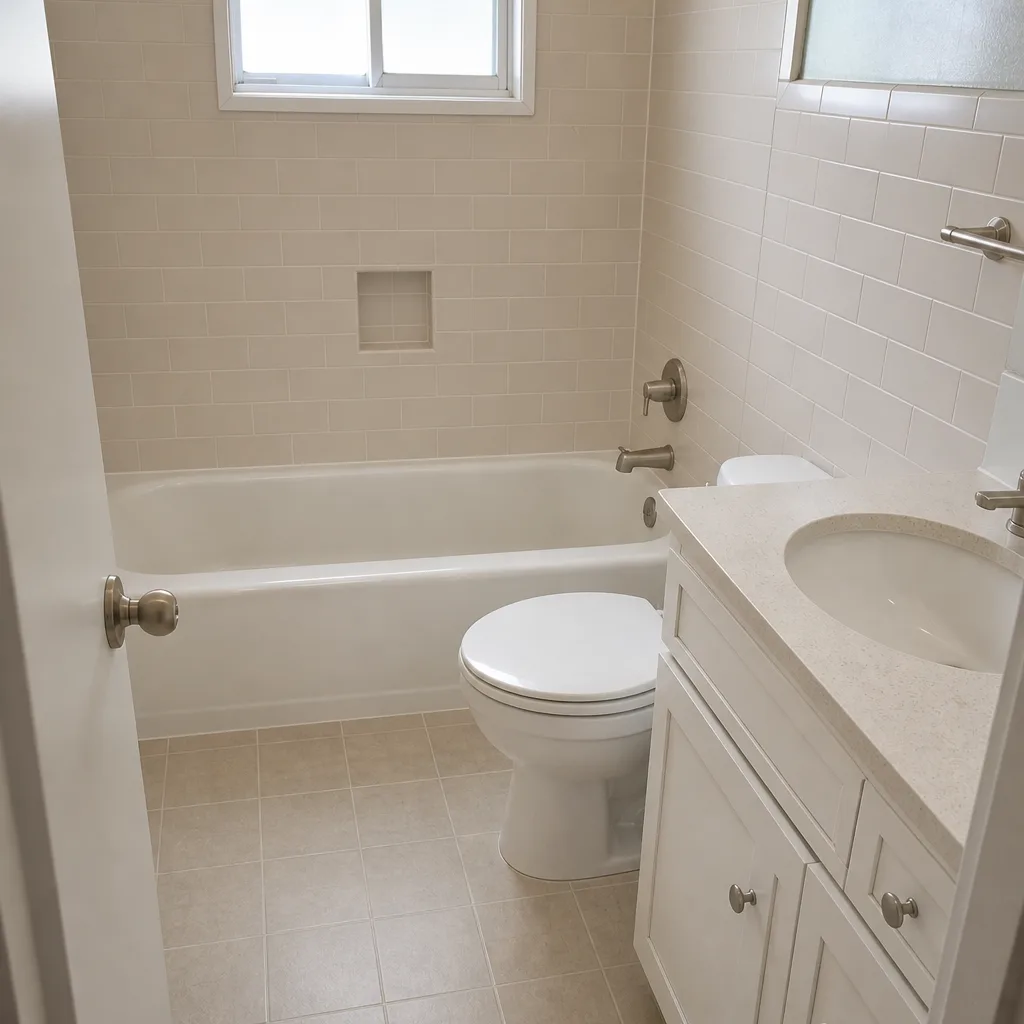
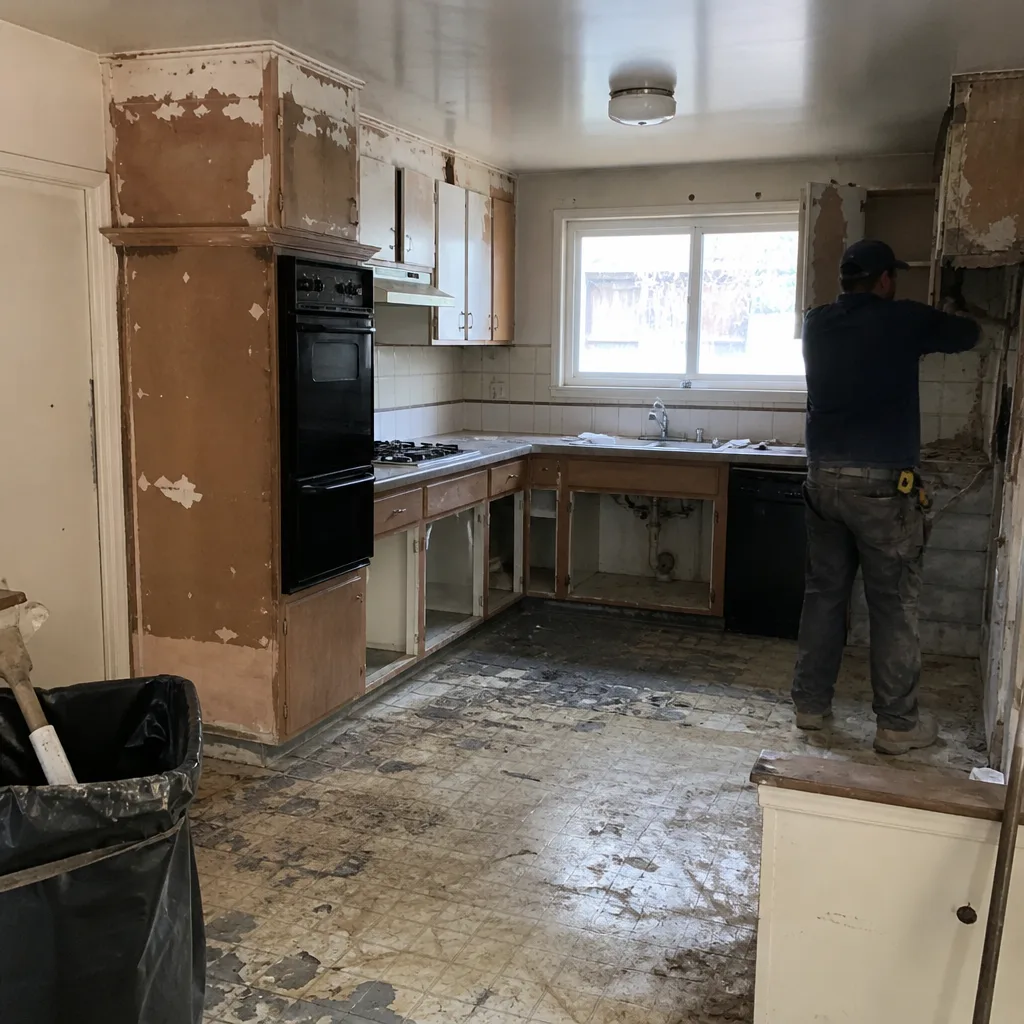
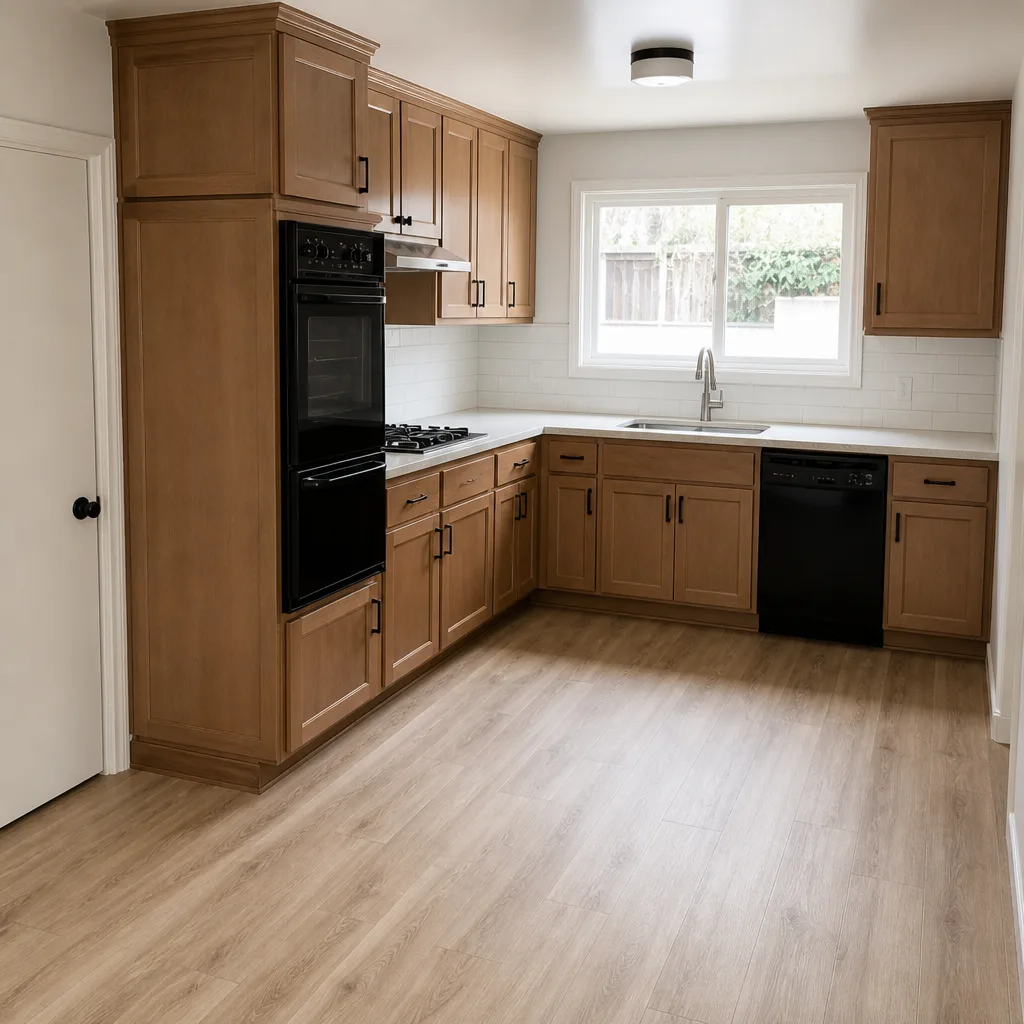
See the difference
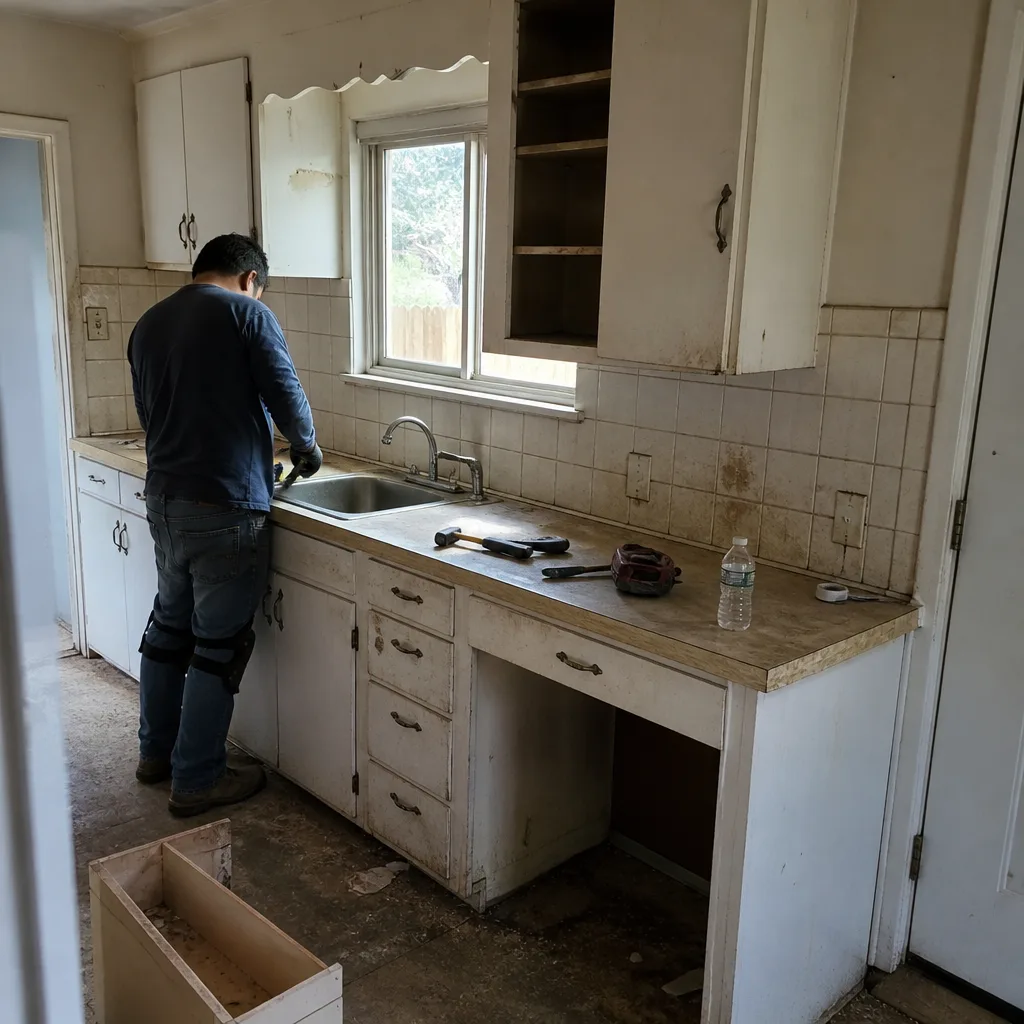 Before
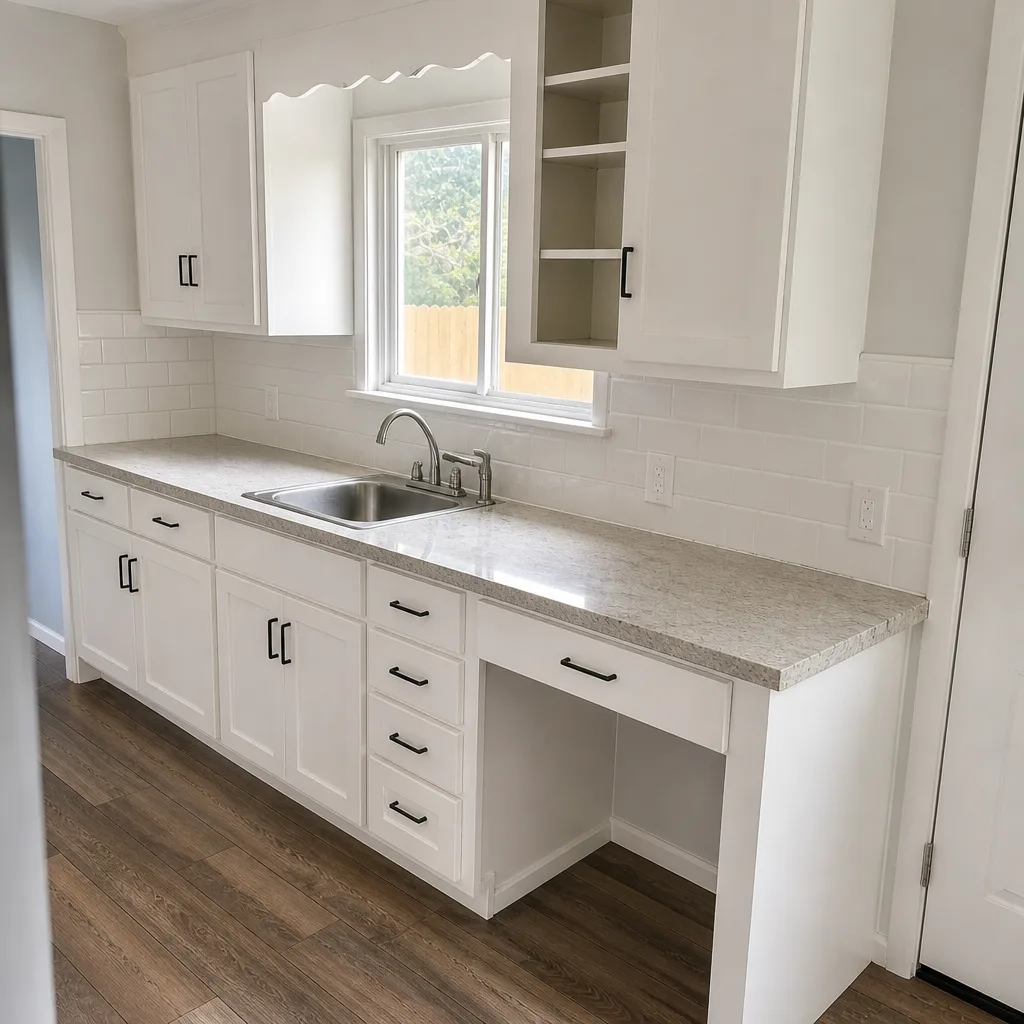 After
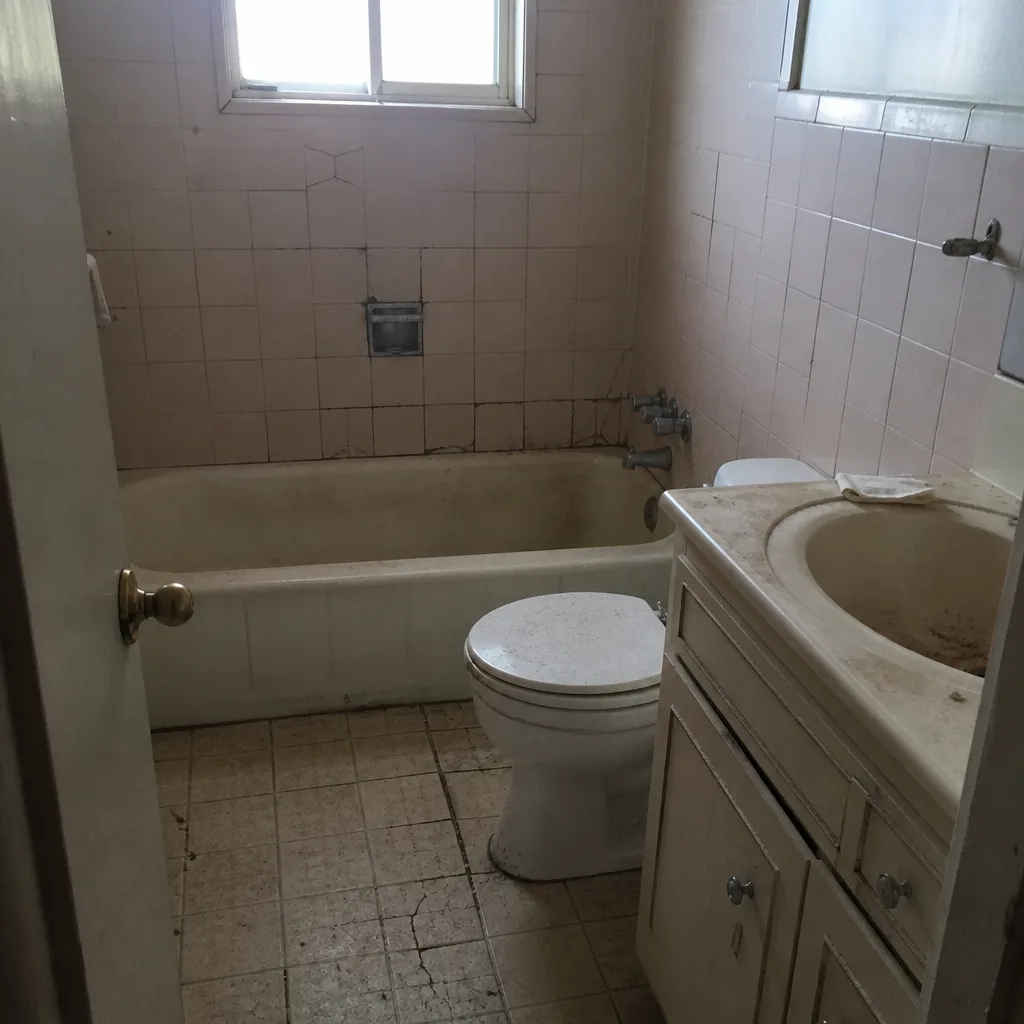 Before
 After
 Before
 After
Frequently Asked Questions
Yes, on a single-family home you occupy, a homeowner can generally pull a permit and perform their own plumbing work. Relocating a drain or supply line still requires a permit and an inspection, and many homeowners choose to hire a licensed plumber for the rough-in because the failure mode is hidden. In Vallejo, we’d recommend you weigh the permit and inspection timeline against your own availability before committing to doing it yourself.
Underestimating the moisture risk of waterproofing and shower pan work. A $400 mistake in the pan liner can turn into a $6,000 repair once the tile is up and the framing behind it has been wet for a year. Do the math on failure cost before the math on materials cost. Call (844) 560-4789 if you want to talk through where the risk sits in your specific project.
Yes. Insurers investigate claims where unpermitted work may have contributed to the loss, and they can reduce or deny the payout when they find it. That’s the practical reason to pull the permit, not the theoretical one. It’s also the reason the garage-to-bathroom conversions and quick flips we see around Vallejo sometimes come with surprise paperwork.
Yes, and that’s a common hybrid scope. The key is a written handoff showing the contractor completed the waterproofing and the pan inspection was signed off before you set a single tile. Bradford Remodeling Co Vallejo documents that handoff on hybrid projects, and the 365-Day Done Right Promise covers the work in the scope, not the homeowner’s finish work.
Painting, caulking, swapping fixtures on existing connections, hanging a mirror and accessories, and replacing a toilet in the same location are all safe to do yourself. These tasks are low consequence if something goes wrong, and they’re the ones where a little research goes a long way. Everything touching rough-in, electrical, or waterproofing is where we’d steer you to a licensed contractor.
If the project moves plumbing, adds or moves electrical, changes structure, or relocates a fixture, it needs a permit. Paint, tile replacement over existing substrate, and fixture swaps on existing connections generally don’t. When you’re not sure, the Vallejo building department will answer a straight question over the phone faster than a search will.
The Bottom Line
The real question isn’t whether you’re capable. It’s which tasks carry permit requirements, inspection requirements, or moisture-failure risk large enough that a mistake is more expensive than the labor you saved. Painting, caulking, and fixture swaps are yours to take. Rough-in, electrical, structural, and waterproofing need a licensed contractor and a signed inspection. Hybrid projects work when the scope is in writing before any tool comes out. That’s how a bathroom in Vallejo gets done without a callback six months later. If you want a written price and a clear scope before you decide what you’re doing yourself, that’s a conversation we’re happy to have. Visit Bradford Remodeling Co Vallejo home to see how we work, or call (844) 560-4789 for a free estimate.
Written by the team at Bradford Remodeling Co Vallejo.