Last updated November 17, 2026



Free written scope consultation - allowances, timeline, and change-order rules on paper before a single trade is scheduled
Seasonal Construction Care for Vallejo: Year-Round Homeowner’s Guide
Vallejo gets about 20 inches of rain a year, and nearly all of it lands between November and March. That single fact reshapes how you should think about home maintenance here. A deferred gutter repair in July feels harmless. By February it’s a saturated foundation wall, a rotted fascia board, and a crawl space that never dried out. The damage compounds faster than most homeowners expect, and it hides well during the dry months. This guide walks through what to check and when across all four seasons in Vallejo, from clay-soil runoff in the fall to marine-air oxidation that quietly eats metal fasteners year-round. You’ll get specific tasks, specific timing, and specific signals that separate a homeowner fix from a contractor call.
Quick Answer
Seasonal construction care in Vallejo follows a wet-winter, dry-summer rhythm: clear gutters and check drainage before the first November storms, watch for foundation seepage and roof leaks through the rainy months, assess cladding and crawl space moisture in spring before everything dries and hides the damage, and schedule exterior painting, roofing, and concrete work in summer – ideally by early August, not September. Marine air accelerates metal corrosion here, so plan on inspecting fasteners, flashing, and gutters more often than inland Bay Area homeowners do.
Styles & brands we work with
- Kitchen remodeling
- Bathroom remodeling
- Home additions & ADU
- Roofing
- Windows & doors
- Driveway & pavers
- Fence
Table of Contents
- Why Vallejo’s Climate Demands Its Own Maintenance Calendar
- Fall Pre-Storm Checklist: Gutters, Downspouts, and Clay-Soil Drainage
- Winter: What to Watch During and After Rain Events
- Spring: Post-Rain Assessment Before Summer Hides the Damage
- Summer: The Ideal Window for Exterior Work in Vallejo
- Year-Round: How Marine Air Oxidizes Metal in Vallejo
- Common Mistakes to Avoid
- When to Call a Professional
Why Vallejo’s Climate Demands Its Own Maintenance Calendar
Vallejo sits in a pocket that doesn’t quite match either the inland East Bay or the fog belt of the outer coast. Summer afternoons bring marine air through the Carquinez Strait, which keeps temperatures moderate but pushes salt-laden moisture against every west- and south-facing surface. Winters are wet but rarely freezing. That combination – persistent humidity, no hard freeze, and a long dry stretch – creates a maintenance profile that’s genuinely different from Walnut Creek or Pacifica.
The practical consequences:
- Wood never fully dries in winter. Without a hard freeze to kill rot organisms, fungal growth stays active on damp siding and trim through the wet months.
- Clay soil sheds water slowly. Much of Vallejo’s older housing stock sits on expansive clay that absorbs rain, swells, and pushes against foundations. Proper drainage isn’t optional here; it’s structural.
- Marine air corrodes metal faster. Galvanized flashing, gutter hangers, deck screws, and exterior light fixtures oxidize noticeably faster in Vallejo’s zip codes than they do 20 miles inland.
- The dry season is long enough to lull you. By June, everything looks fine. The damage from a wet winter is still there, just invisible until the next storm finds it.
We’ve seen this pattern play out in Vallejo homes repeatedly: a small flashing gap that would be a $200 fix in October becomes a $3,000 substrate repair by March. The calendar below is built around preventing that.
Fall Pre-Storm Checklist: Gutters, Downspouts, and Clay-Soil Drainage
The most valuable hour you’ll spend on your Vallejo home all year is the one you put in during October, before the first real storm. Here’s the sequence we recommend:
- Clear gutters and inspect hangers. Vallejo’s mature street trees drop debris through October. Clogged gutters are the single most common cause of fascia rot and foundation seepage in this city. Check that hangers aren’t pulling loose from the fascia; marine corrosion weakens them over time.
- Test every downspout with a hose. Run water through each one and watch where it exits. A downspout that dumps against the foundation is worse than no downspout at all, because it concentrates water at the worst possible point.
- Extend discharge at least 6 feet from the foundation. On clay soil, water that exits within 2 or 3 feet of the wall simply pools and soaks back in. Splash blocks help, but solid extensions or buried drain lines work better here.
- Walk the perimeter after the first storm. Look for standing water, soil pulled away from the foundation, or staining on the stem wall. Any of these means drainage needs attention before the next storm.
- Check the grade. Soil should slope away from the house at roughly 6 inches over the first 10 feet. Settling over the dry summer often reverses that slope, and it’s an easy fix with a shovel and a few yards of fill.
While you’re up on a ladder, look at the roof flashing around chimneys and skylights. Those are the two spots where we most often find the first winter leak in Vallejo homes. If the flashing sealant is cracked or the metal is chalky, it needs attention before November.
Winter: What to Watch During and After Rain Events
Winter in Vallejo is about observation, not action. Most of what you’re doing from November through March is watching for the early signs of water intrusion, so you can act before small problems become structural ones.
Inside the house, watch for these signals:
- Water staining on ceiling or drywall near exterior walls. Often the first sign of a flashing failure or a failed window seal. Note the location and check the exterior above it within a day or two.
- Musty smell in a closet or under-stair space. Frequently indicates crawl space moisture creeping up through the floor assembly.
- Doors that stick more in winter than summer. Slight seasonal swelling is normal. Doors that suddenly bind after a storm usually mean moisture is entering the frame or the substrate around it.
- Efflorescence – the white powder on concrete or masonry. This means water is moving through the material. It’s a symptom, not a cause, and it’s worth tracing.
Outside, walk the property after each significant storm. Look at the base of the foundation for damp soil, at the crawl space vents for standing water nearby, and at the roof from the ground for missing shingles or lifted flashing.
Homeowner fix vs. contractor call: a wet patch on a window sill that dries within a day is usually a homeowner fix – reseal the exterior joint with a quality sealant. A wet wall that stays wet for more than 48 hours after rain stops, or a wet wall combined with any musty smell, is a contractor call. Water that’s already inside the wall has found a path, and that path needs to be closed from the outside before the damage spreads. Don’t paint over it and hope; the paint will fail within a season and the moisture goes straight back in.
Spring: Post-Rain Assessment Before Summer Hides the Damage
March and April are the most underrated months on the Vallejo maintenance calendar. This is your last clear look at how the exterior actually performed all winter, before dry weather makes everything look fine again. The window is short, so work through these four areas in order:
- Exterior cladding. Walk the full perimeter and probe the siding, especially at the bottom courses and around penetrations (hose bibs, vents, light fixtures). Soft spots mean rot has already started. Any siding brand with a manufacturer warranty – James Hardie fiber cement, for example – depends on proper clearance from grade and proper flashing; check that both are still intact.
- Deck fasteners. Inspect every visible screw and bolt. On a Vallejo deck, marine air oxidizes galvanized hardware faster than most hardware warranties assume. Look for white rust, loose connections, and any fastener that pulls out with light pressure. Do not skip this. Deck failures here are almost always fastener failures.
- Crawl space moisture. Drop a plastic moisture meter – or a hygrometer – into the crawl space and check the reading. Any persistent dampness or visible fungal growth needs addressing before summer, when warm air above and cool ground below can trap moisture and drive it up into the floor assembly.
- Attic and roof deck. Look at the underside of the roof sheathing for staining, especially around chimney and skylight penetrations. Small leaks caught in spring are cheap to fix.
Get this inspection done by mid-April. If something needs repair, there’s time to schedule the work in dry conditions, which is cheaper and more durable than a repair forced through in late fall.
Summer: The Ideal Window for Exterior Work in Vallejo
Summer is when exterior work actually holds. Paint cures properly, roofing adhesives seal, and concrete cures without rain washing it out. But the Vallejo summer has a specific shape, and August is meaningfully better than September for scheduling most exterior projects.
Here’s why. Vallejo’s dry season usually runs reliably to mid-October, but late summer brings the first hints of marine layer shifting and the occasional early wet front. A paint job needs 4 to 7 days of dry, mild weather to cure properly. Roofing adhesive needs 24 hours without rain. Concrete needs about 48 hours of dry weather before it’s reliable. Roll all that into a September start with an early rain event, and you get a coating that fails within two seasons.
A summer-by-month guide for Vallejo:
- June: Ideal for exterior painting on north- and east-facing walls, decks, and trim – the marine layer keeps surfaces cool enough to work without flashing.
- July: Best month for roofing work and any concrete or hardscaping project. Warm, dry, and the weather window is long enough to absorb small delays.
- August: Still strong for all exterior work, though west- and south-facing walls get hot enough that you’ll want to schedule painting for the morning. Better than September for anything with a cure time.
- September: Workable for interior projects and quick exterior fixes. Riskier for anything that needs a multi-day cure window.
If you’re planning a larger exterior project – a full siding replacement, a roof tear-off, or a new deck – the time to schedule is spring, for a summer slot. Booked trades run out of summer capacity by early June, so plan accordingly.
Year-Round: How Marine Air Oxidizes Metal in Vallejo
This is the piece homeowners in Vallejo consistently miss because it’s invisible until it fails. Marine air carries salt and moisture through the Carquinez Strait on most summer afternoons. That combination oxidizes metal on exposed surfaces faster than the same hardware would corrode in Napa or Walnut Creek. The result is that Vallejo homes need metal inspection on a shorter interval than inland zip codes.
What oxidizes fastest and what to check:
- Gutter hangers and fasteners: The most common failure point in Vallejo. Check every spring and fall for loose hangers and white rust.
- Roof flashing: Chimney and skylight flashing are the two highest-risk locations. Inspect every spring.
- Exterior light fixtures and outlet covers: Check the gaskets and the metal housings annually; moisture gets in and starts corrosion that spreads inward.
- Deck hardware: Every screw and structural connection. Note that even stainless fasteners need checking if they contact pressure-treated lumber.
- Window and door hardware: Locks, hinges, and sweeps. Failing sweeps are the most common way wind-driven rain gets into a door frame.
We recommend a metal-inspection interval of six months, spring and fall, rather than the annual check that works 20 miles inland. It sounds like a lot until you compare it to the cost of a failed gutter system that soaks a foundation wall.
Common Mistakes to Avoid
- Deferring summer repairs to fall. In Vallejo, a summer repair slot is the reliable one. A fall repair that has to be rushed between storms is more expensive and often less durable.
- Hosing water out of gutters instead of testing the discharge. Homeowners clean gutters and stop there, then wonder why water still pools at the foundation. Test where the water actually goes.
- Painting over moisture stains. If the wall is wet from the outside, paint won’t stop it, and you’ll be re-painting the same spot within two years. Find the source first.
- Assuming marine corrosion is a coastal-Southern-California problem. Vallejo’s marine air is a real factor, and metal hardware here needs more frequent inspection than inland East Bay homes.
- Skipping the deck fastener check. This is the single highest-consequence omission on the Vallejo seasonal calendar. Fastener failure is what causes deck collapses, not rot alone.
- Ignoring crawl space moisture in spring. Once summer dries the visible damage, the moisture is easy to forget. It’s still in there, pushing vapor up into the floor assembly.
- Starting a fall exterior project without a written scope. Late-season work attracts rushed bids and vague pricing. Insist on a line-item written price before anyone lifts a tool.
When to Call a Professional
Some seasonal work is a homeowner task: gutter cleaning, hose tests, visual inspections, resealing a window joint. Others need a licensed contractor. Call a professional when you find moisture inside a wall that persists after rain stops, when siding or trim is soft to the touch, when a deck fastener pulls loose or shows heavy white rust, when the crawl space stays damp past April, or when flashing or shingles are visibly failing on the roof. Also call if you’re not sure – having a trained eye confirm “this is fine” is cheaper than discovering it wasn’t.
Bradford Remodeling Co Vallejo offers free estimates in Vallejo – call (844) 560-4789. Every price is written before any work starts, and every completed project is covered by our 365-Day Done Right Promise: if the work doesn’t hold within a full year, we come back and correct it at no charge. Our technicians are background-checked and uniformed, have up to 22 years of experience, and use documented materials from name-brand manufacturers like James Hardie and Therma-Tru so specs are traceable. A live person answers the phone around the clock.
See the difference
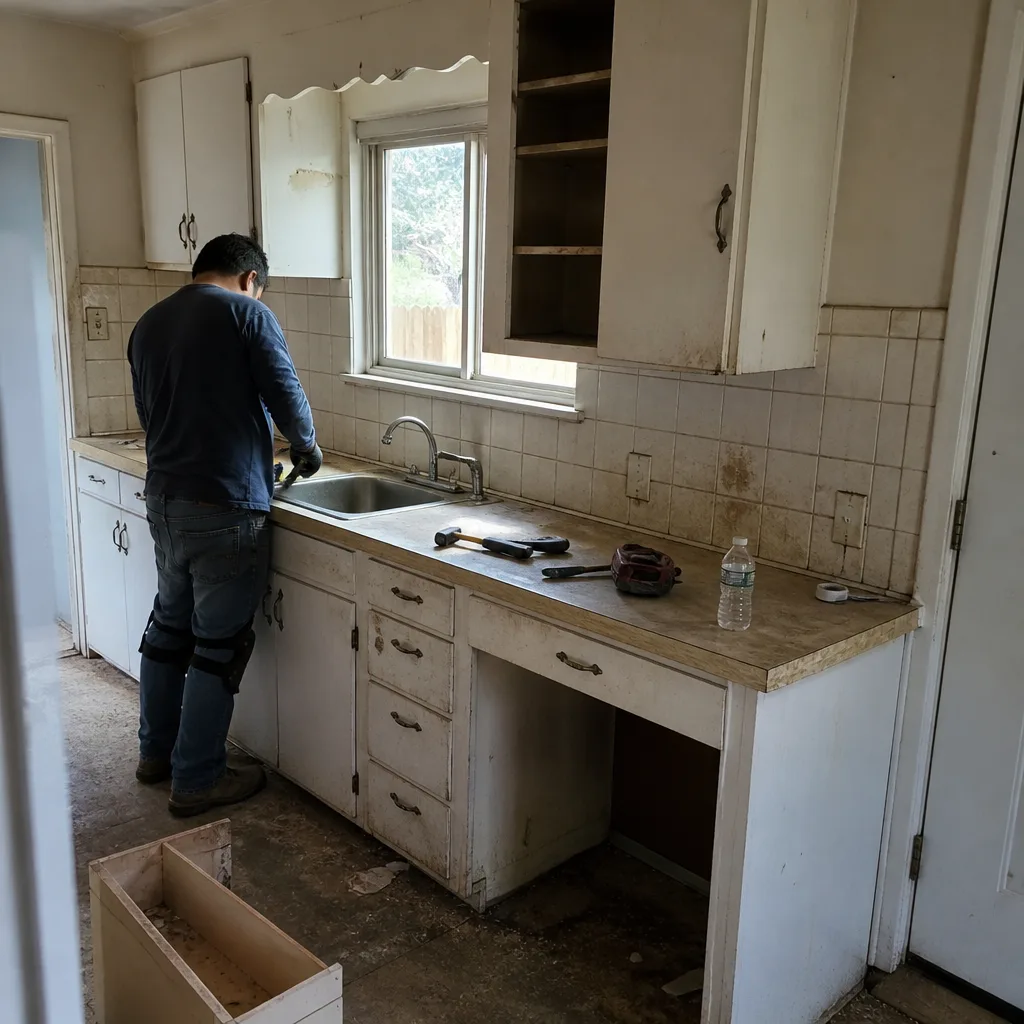 Before
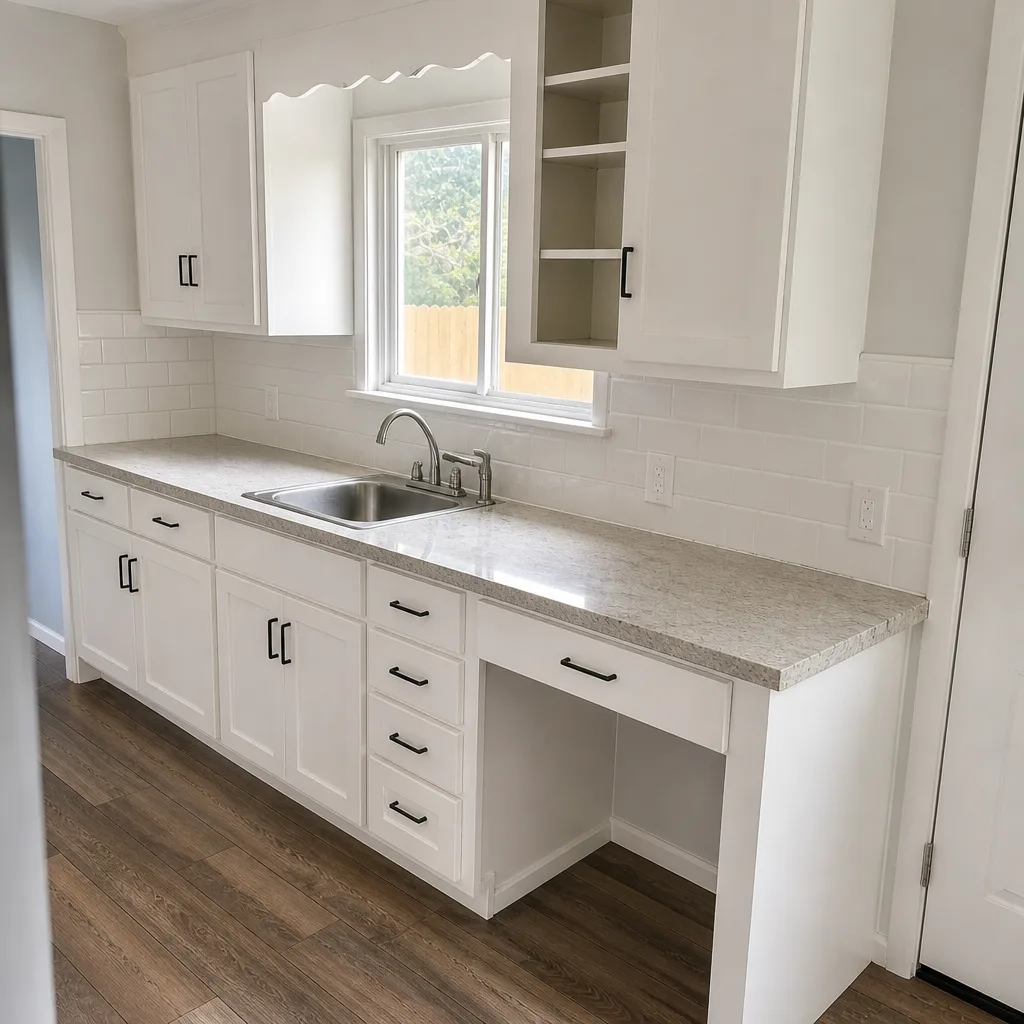 After
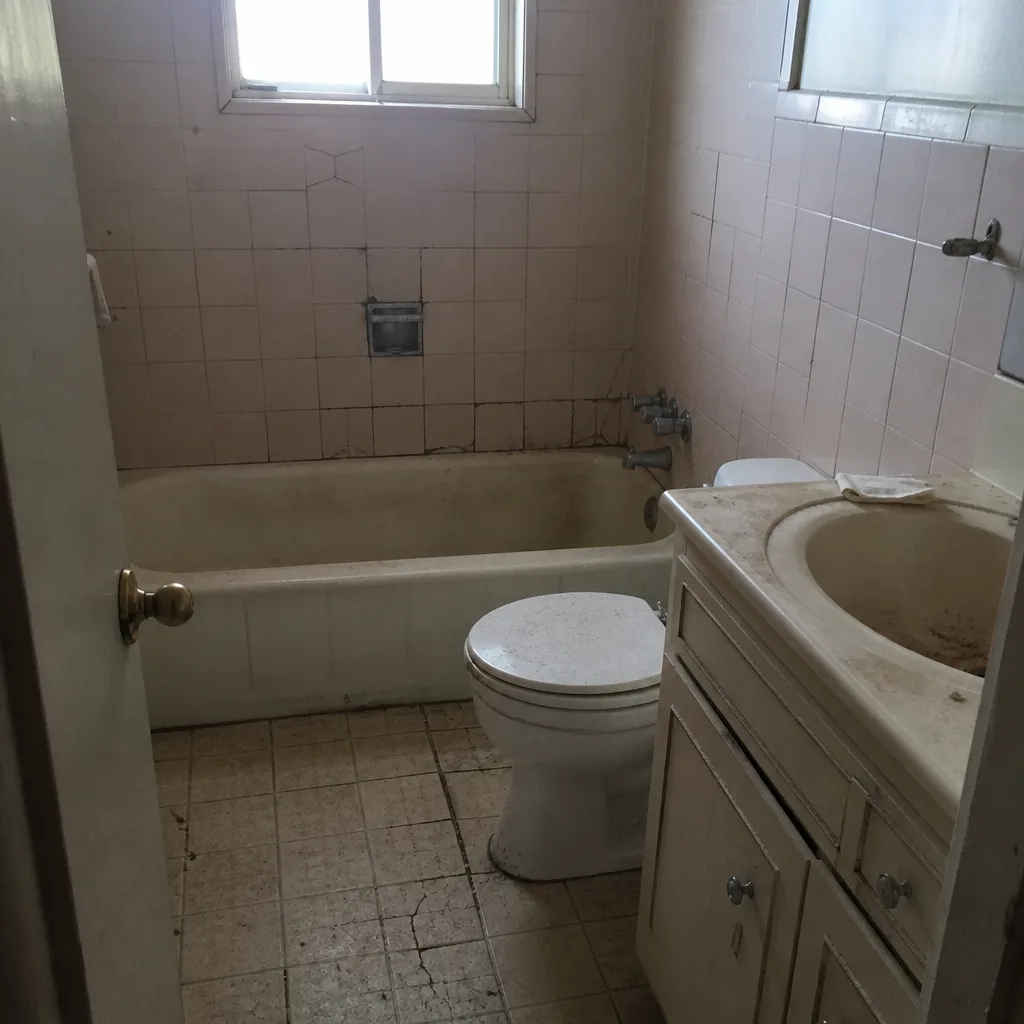 Before
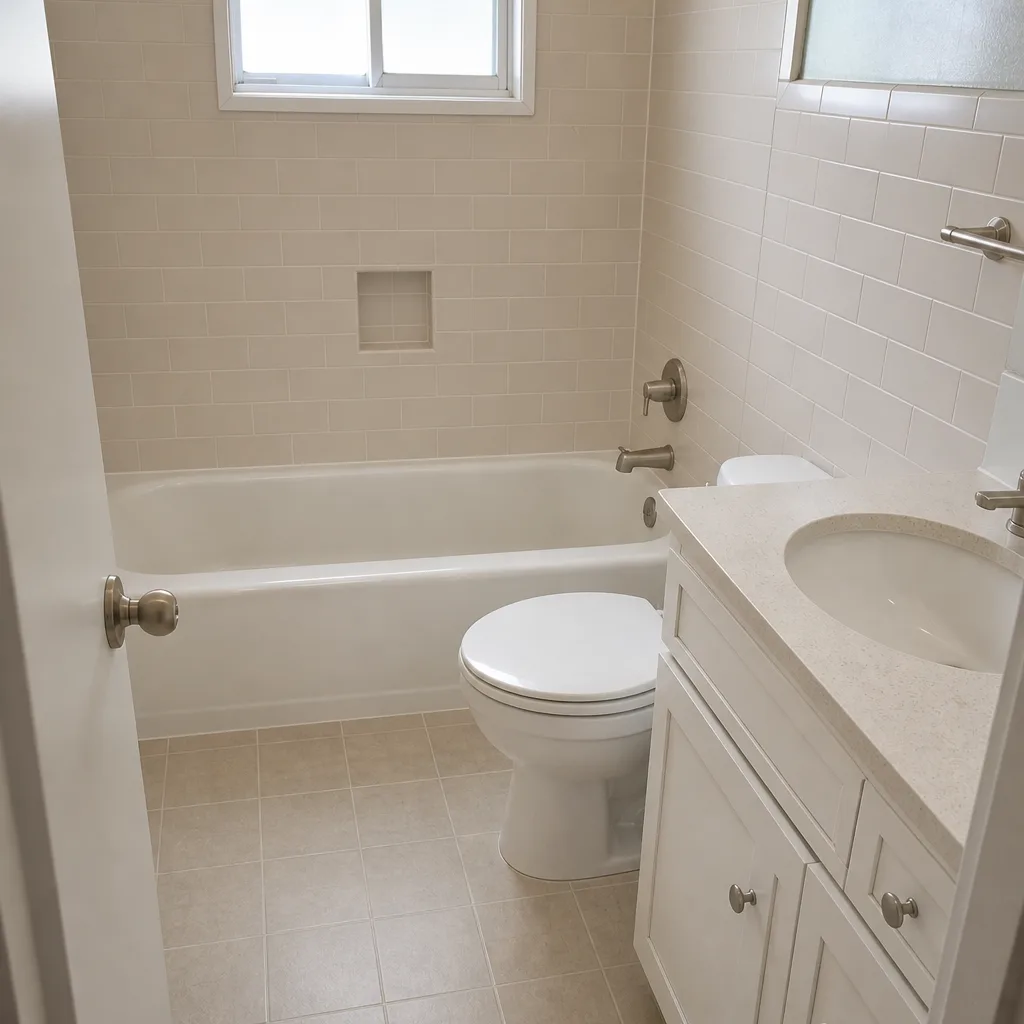 After
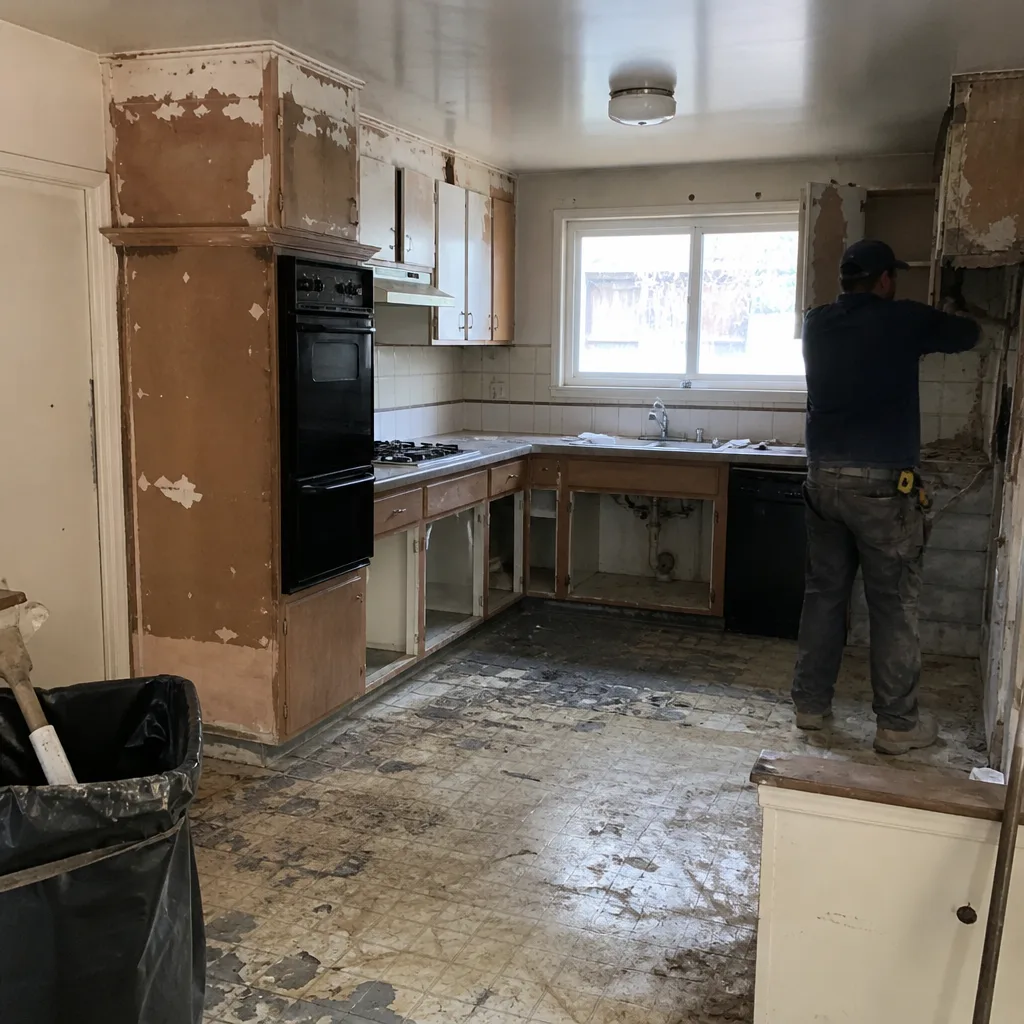 Before
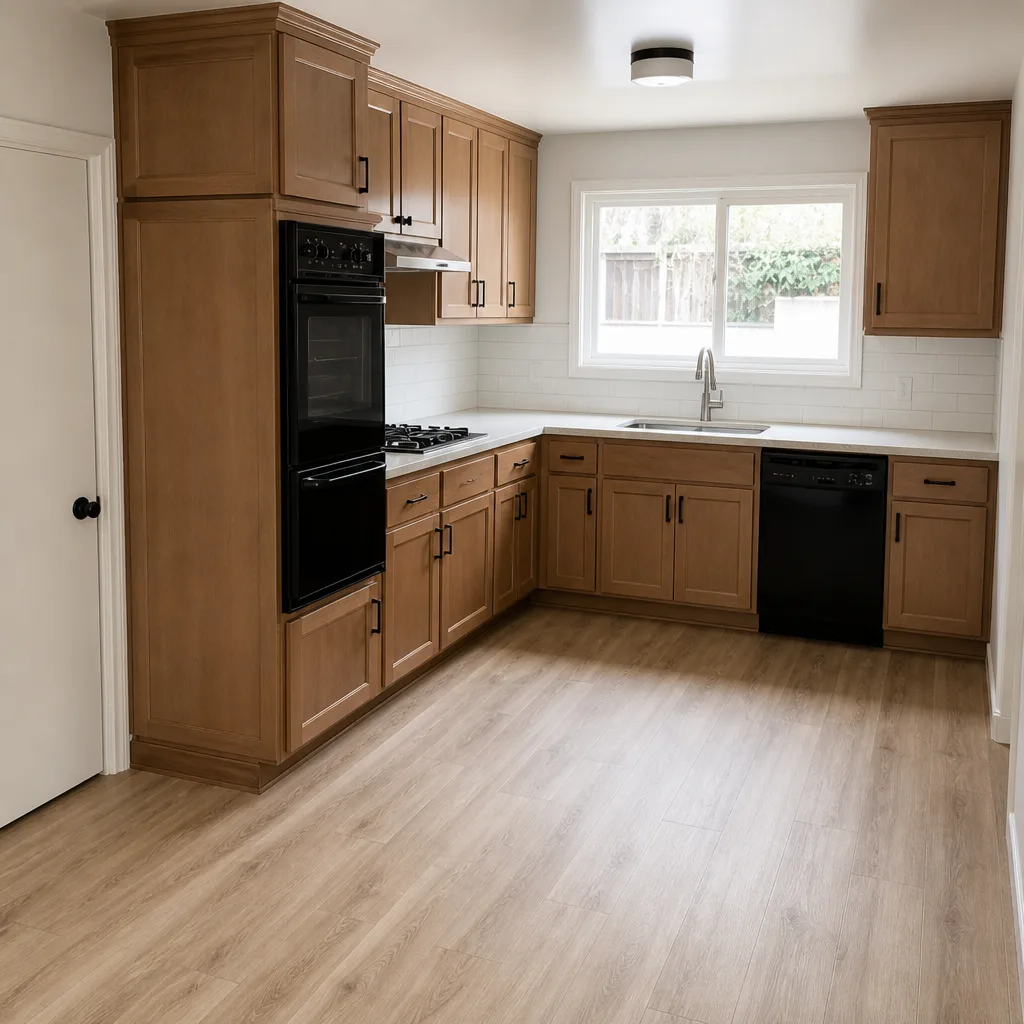 After
Frequently Asked Questions

Most seasonal exterior repairs in Vallejo fall between $350 and $2,800 depending on scope. Gutter repair and re-hanging typically runs $200 to $650; fascia and trim repair $400 to $1,400; flashing repair $300 to $900; deck fastener replacement and connection repair $250 to $800; crawl space moisture remediation $500 to $2,500. Larger work – a full re-roof, siding replacement, or foundation drainage – sits well above these ranges. Call (844) 560-4789 for an exact written quote for your property; estimates are free, and the price you get is the price written before work begins.
July is the best month for roofing, concrete, and hardscaping; June through August is best for exterior painting. The key reason is cure time – Vallejo’s dry season reliably runs to mid-October, but September carries risk of an early storm that ruins a multi-day paint or adhesive cure. Book summer slots by early June, since exterior trades fill those windows first. Call (844) 560-4789 for a free estimate and to schedule.
Twice a year, spring and fall. Fall clearing before the November storms is essential because roughly 20 inches of Vallejo’s annual rain lands between November and March. Spring inspection catches the corrosion and fastener loosening that winter weather and marine air caused. If your gutters are older or your roof sits under mature trees, twice yearly is the minimum, not the ideal. Call (844) 560-4789 for a free inspection and quote.
Yes, the difference is measurable. Salt-laden marine air moving through the Carquinez Strait oxidizes galvanized flashing, gutter hangers, and deck fasteners faster than the same hardware would corrode in Walnut Creek or Concord. The recommendation for Vallejo is a six-month inspection interval rather than annual, with specific attention to gutter hangers, flashing, deck hardware, and window sweeps. A free estimate from (844) 560-4789 can include an inspection of the corrosion-prone points on your house.
Small repairs usually don’t – replacing gutter hangers, resealing a window, or replacing a few shingles don’t require a permit. Larger work does: full re-roof, fascia replacement that goes beyond trim, structural deck repairs, and any work that touches framing or foundation drainage may require a building permit through the City of Vallejo. When we do a job, we pull the permits and pass the inspections, and the permit history follows the house, which matters at resale. Call (844) 560-4789 for a free estimate that spells out permit scope in writing.
No. Every Bradford Remodeling Co Vallejo estimate is a written price before work begins – no numbers that move at the door, no change orders unless you approve a scope change in writing. Our 365-Day Done Right Promise backs that price in writing: if the work fails within a full year of completion, we return and correct it at no charge. If a different contractor is quoting you anything less than a written, line-item price, ask for one before work starts. Call (844) 560-4789 to schedule a free estimate.
If you’re earlier in the planning process and the scope is bigger than seasonal care – a kitchen or bathroom that’s showing its age, or a whole-home upgrade – our team handles those projects across Vallejo with the same written-price and 365-Day Done Right Promise approach. Visit our Bradford Remodeling Co Vallejo home page to see the full range of services, or start with General Contractor in Vallejo for larger exterior and structural work. Homeowners planning interior projects often pair this guide with our pages on Kitchen Remodeling in Vallejo and Bathroom Remodeling in Vallejo, both of which are typically scheduled for the dry season for the same reasons exterior work is.
The Bottom Line
Vallejo’s climate is quieter than what most maintenance guides are written for – no deep freezes, no hurricane season – but the combination of 20 wet inches concentrated between November and March, clay soil that holds water against foundations, and persistent marine air oxidizing metal year-round creates a specific maintenance cycle. Handle gutters and drainage before the fall storms. Watch for seepage and wet-wall signals through winter. Inspect cladding, deck fasteners, and crawl space moisture in spring before dry weather hides the problem. And schedule exterior work by August, not September. Inspect metal spring and fall, not just once a year. Do that, and the rest of the calendar takes care of itself.
Call (844) 560-4789 for a free estimate. A live person picks up day or night. Every estimate comes with a written price before work begins, background-checked and uniformed technicians on every job, and our 365-Day Done Right Promise on every completed project – backed by the same Garrison Standard that has guided how we work since 2004.
Written by the team at Bradford Remodeling Co Vallejo.